

Have you ever found yourself wondering, “Why does my dog bark so much?” If your furry friend’s constant barking is driving you a little crazy, you’re not alone.
Barking is your dog’s way of communicating, but too much of it can be frustrating and confusing. Understanding why your dog barks excessively can help you regain peace in your home and build a stronger bond with your pet. Keep reading, and you’ll discover the surprising reasons behind your dog’s noisy behavior—and what you can do about it.
:strip_icc()/puppy-barking-2804577-f7f6bffd80fa4edca1bd247ba52fc0a6.jpg)
Common Causes Of Excessive Barking
Dogs bark to communicate many feelings and needs. Sometimes, barking can become too much. Understanding why your dog barks a lot helps you find the right solution.
Excessive barking often comes from common causes. Knowing these causes makes it easier to manage your dog’s behavior.
Boredom And Lack Of Exercise
Dogs need regular play and walks. Without enough exercise, they get bored and restless. Barking helps them release energy and get attention. A tired dog barks less and feels happier.
Attention-seeking Behavior
Dogs bark to get you to notice them. They may want playtime, food, or petting. If barking works, they repeat it often. Teaching your dog other ways to ask works better.
Fear And Anxiety
Strange sounds or new places can scare dogs. Barking shows they feel nervous or unsafe. Separation from owners also causes anxiety barking. Comfort and calm help reduce this behavior.
Territorial Barking
Dogs protect their home and family. They bark at strangers or animals near their space. This barking is a warning to stay away. Training helps your dog learn when to stop.
Response To Noises
Sudden sounds like sirens or doorbells trigger barking. Dogs hear better than humans and react quickly. They alert you to changes around the house. Teaching quiet commands controls noise response.
Medical Issues
Pain or illness can make dogs bark more. Hearing loss or cognitive problems also cause barking. A vet check helps find health problems early. Treating medical issues often reduces barking.
Signs Your Dog Is Barking Too Much
Dogs bark to communicate. Barking is normal and natural. Yet, too much barking can signal a problem. Knowing the signs helps you understand if your dog barks too much. It also guides you on how to help your pet calm down.
Frequency And Duration
Notice how often your dog barks each day. Occasional barking is fine. Constant barking for long periods is a concern. Long barking sessions tire your dog and annoy neighbors. Count the number of barks in an hour. High frequency or long duration means barking is too much.
Triggers And Patterns
Watch what causes your dog to bark. Some dogs bark at every sound or movement. Others bark only when alone or scared. Repeated barking at the same trigger shows a pattern. Identifying triggers helps find the root cause of barking. It also helps with training and behavior control.
Impact On Behavior
Excessive barking can change your dog’s mood. Your dog may seem anxious or stressed. It can affect sleep and eating habits. Too much barking may cause your dog to isolate or become aggressive. Changes in behavior signal the need for action. Your dog needs support to feel safe and calm.
Simple Ways To Reduce Barking
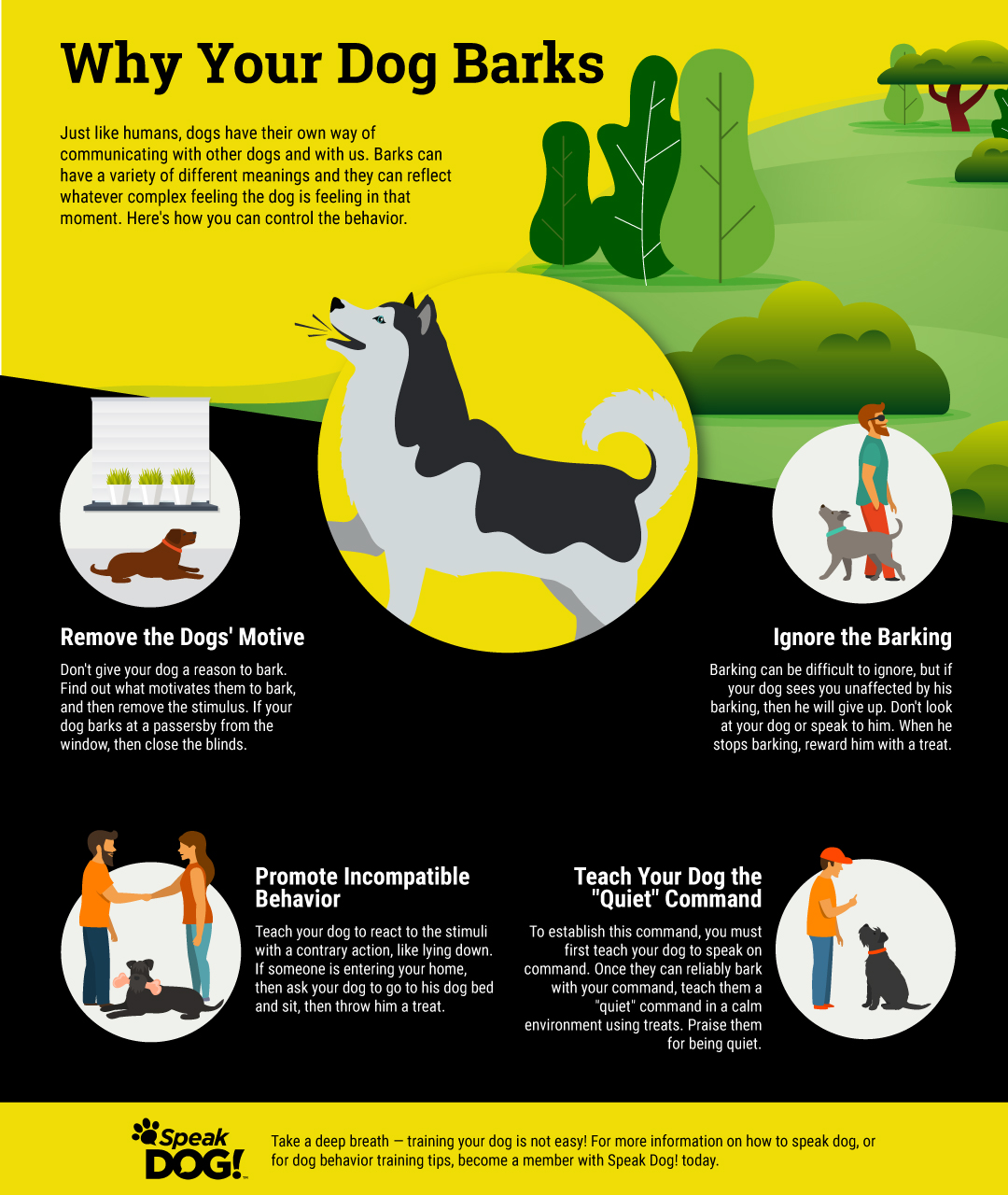
Reducing your dog’s barking can improve your home’s peace. Simple changes help your dog feel calm and happy. Consistent effort brings the best results. Here are easy ways to lower barking without stress.
Increasing Physical Activity
Dogs bark more when they have excess energy. Daily walks, runs, or playtime help tire them out. A tired dog barks less and stays calm. Try to add 30 minutes of exercise each day. Change activities to keep your dog interested.
Providing Mental Stimulation
Barking can be a sign of boredom. Puzzle toys and training games keep their mind busy. Hide treats in toys to challenge them. Mental work reduces stress and stops unnecessary barking. Rotate toys often to hold their attention.
Training Techniques
Teach your dog to bark on command, then stop on command. Use clear, simple words like “speak” and “quiet.” Practice regularly in short sessions. Training builds good habits and controls barking. Patience is key to success here.
Using Positive Reinforcement
Reward your dog when they stop barking on cue. Treats, praise, and petting work well. Positive feedback encourages calm behavior. Avoid punishment, which can increase anxiety and barking. Consistent rewards create a happy learning environment.
Avoiding Negative Reactions
Don’t yell or shout at your dog to stop barking. This can confuse or scare them. Stay calm and firm to show control. Negative reactions often increase barking and fear. Gentle guidance helps your dog learn better.
Tools And Products To Help Control Barking
Managing a dog’s barking can be tough. Luckily, many tools and products help control excessive noise. These options suit different dogs and situations. Choosing the right one can calm your dog and make your home peaceful.
Collars And Devices
Special collars can reduce barking. Some use vibrations or sounds to distract dogs. Others emit a harmless spray or beep. These tools train dogs to bark less. Always select collars that are safe and comfortable.
Environmental Modifications
Changing your dog’s surroundings can lower barking. Close curtains to block outside views. Use white noise machines to cover noises. Create a quiet, cozy space for your dog. These changes reduce triggers that cause barking.
Interactive Toys
Toys keep dogs busy and calm. Puzzle toys challenge their minds and reduce boredom. Chew toys satisfy their natural urges. Playing with toys lessens the need to bark for attention.
When To Seek Professional Help
Sometimes, your dog’s barking can become too much to handle. It might affect your daily life or your dog’s well-being. Knowing when to seek professional help is important. Professionals can guide you and help solve the problem effectively.
Behavioral Specialists
Behavioral specialists understand dog habits well. They study why dogs bark too much. These experts create plans to reduce barking. They teach you ways to manage your dog’s behavior. If your dog shows signs of anxiety or stress, a behavioral specialist can help.
Veterinary Advice
Excessive barking may be linked to health problems. A vet can check if your dog feels pain or discomfort. Illness or injury can cause more barking. Your vet may suggest treatments or medicine. Always rule out health issues before other solutions.
Training Classes
Training classes teach dogs to bark less. Trainers use clear and simple commands. Classes help your dog learn good behavior. They also show you how to train at home. Group classes provide social time for your dog too.

Frequently Asked Questions
Why Does My Dog Bark At Strangers?
Dogs bark at strangers to alert their owners and protect their territory. It’s a natural instinct for many breeds. This behavior helps them feel secure and warn of potential threats nearby.
Can Boredom Cause My Dog To Bark Excessively?
Yes, boredom often leads to excessive barking. Dogs need mental and physical stimulation. Without enough activity, they bark to seek attention or entertain themselves.
How Can I Reduce My Dog’s Barking?
To reduce barking, provide regular exercise and mental challenges. Training and positive reinforcement help teach quiet commands. Consistency is key to change barking habits effectively.
Is My Dog’s Barking A Sign Of Anxiety?
Barking can indicate anxiety, especially if it’s persistent or triggered by separation. Signs include pacing and restlessness. Consulting a vet or trainer can help manage anxiety-related barking.
Conclusion
Dogs bark for many reasons. Sometimes they feel scared or lonely. Other times, they want attention or are bored. Understanding why your dog barks helps you respond better. Try to give your dog enough exercise and playtime. Training with patience can reduce excessive barking.
Remember, barking is normal, but it should not disturb your peace. Keep calm and consistent. Your dog will learn to communicate in quieter ways over time. Stay patient and enjoy your bond with your furry friend.

