

When it comes to keeping your car spotless, the vacuum you choose can make all the difference. You might think suction power is the only thing that matters, but there’s more to it than just numbers.
Understanding what truly affects cleaning performance helps you pick a vacuum that saves you time and frustration. If you want your car to look its best without the hassle, keep reading. You’ll discover the key factors behind suction power and how they impact your cleaning results.
This will change the way you shop for a car vacuum forever.

Suction Power Basics
Suction power is a key factor in choosing a car vacuum. It decides how well the vacuum cleans dirt and debris. Understanding suction power basics helps you pick the right tool for your car.
Knowing how suction power works makes cleaning easier and faster. It also helps you compare different vacuums clearly. Let’s explore what suction power means and how it is measured.
How Suction Power Is Measured
Suction power shows how strong a vacuum pulls air. Stronger suction means better cleaning on carpets and seats. It is measured by how much air the vacuum moves and the force of the pull.
Two main ways measure suction power: airflow and pressure. Airflow shows volume of air moved. Pressure shows how hard the air is pulled in. Both numbers tell us how well a vacuum can clean.
Difference Between Air Watts And Pascals
Air watts and pascals are common suction power units. Air watts combine airflow and pressure to show real cleaning power. Higher air watts mean stronger suction and better dirt pickup.
Pascals measure air pressure alone. They show how hard the vacuum pulls air inside. Higher pascals mean the vacuum can grab more dust and debris. Both units help compare vacuum strength but tell different parts of the story.
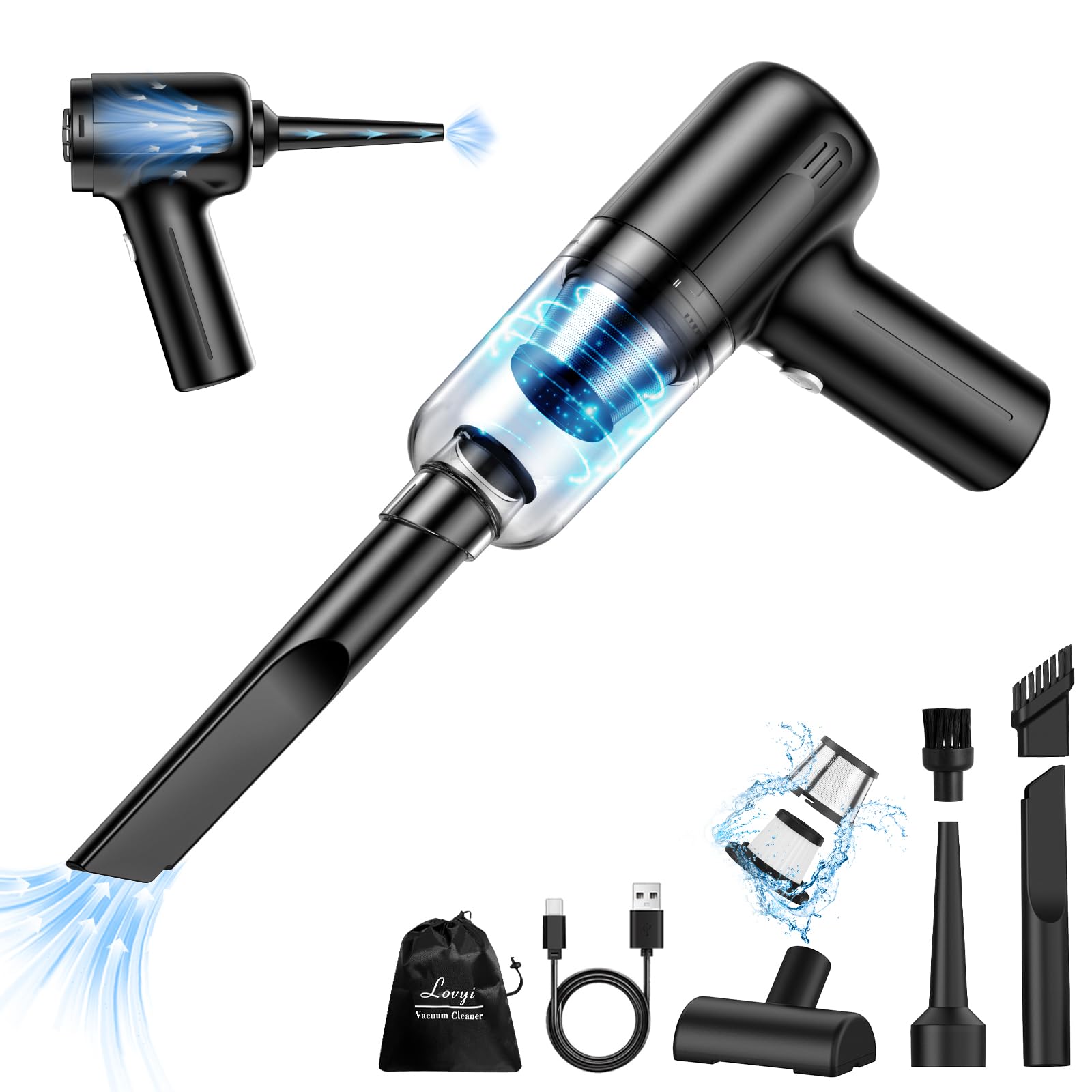
Factors Influencing Suction
Suction power is key for any car vacuum. It depends on several factors that work together. Understanding these helps pick the right vacuum for your car. Each factor affects how well the vacuum cleans dirt and debris.
Motor Strength And Design
The motor drives the vacuum’s suction. A stronger motor usually means better suction. Motor design also impacts how air flows inside. Efficient motors use power well and avoid overheating. Quiet motors make cleaning less annoying.
Filter Quality And Airflow
Filters trap dust and dirt from the air. Good filters keep suction steady by not blocking airflow. Poor filters clog quickly and reduce power. Some filters are washable and last longer. Clean filters help maintain strong suction over time.
Nozzle And Hose Efficiency
The nozzle directs suction to the dirt. A narrow nozzle can focus power on small spots. Wide nozzles cover more area but may lose power. Hoses should be smooth inside to avoid air leaks. Flexible hoses make it easier to reach tight spaces.
Types Of Car Vacuums
Car vacuums come in different types. Each type offers unique features for cleaning your vehicle. Choosing the right one depends on your needs and preferences. Understanding these types helps you find the best suction power for your car.
Some vacuums plug into your car’s power outlet. Others run on batteries. Also, vacuums vary in size and what they can clean. Let’s explore the main types of car vacuums below.
Corded Vs Cordless Models
Corded vacuums need a power source nearby. They often have stronger suction power. You can clean longer without stopping. The cord may limit your movement inside the car. But the power stays steady.
Cordless vacuums run on batteries. They offer more freedom to move around. No cords to get tangled or limit your reach. Battery life can limit cleaning time. Suction power may be less than corded models. Great for quick or spot cleaning.
Handheld Vs Wet/dry Vacuums
Handheld vacuums are small and easy to carry. They fit in tight spaces and corners. Perfect for crumbs, dust, and small debris. Usually lightweight and simple to use. Their suction power varies by model.
Wet/dry vacuums can clean both liquid spills and dry dirt. Ideal for messy cars or outdoor use. They often have stronger suction and bigger tanks. Bulkier than handheld vacuums. Useful for deep cleaning and tough messes.
Suction Power Vs Battery Life
Suction power and battery life are two key features in cordless car vacuums. Strong suction cleans dirt quickly but drains battery fast. Long battery life means longer cleaning time but may reduce suction strength. Balancing these features is important for a good cleaning experience.
Trade-offs In Cordless Vacuums
Higher suction power uses more energy. This shortens the vacuum’s runtime. Lower suction saves battery but may miss stubborn dirt. Most cordless vacuums offer different power modes. Users can switch to lower power to save battery. Some models have larger batteries but weigh more. Heavy vacuums can be hard to handle inside a car.
Optimizing Runtime And Performance
Choose vacuums with smart power management. These adjust suction based on cleaning needs. Use high power on tough spots. Switch to low power for light cleaning. Charge the vacuum fully before each use. Clean filters regularly to keep suction strong. Lightweight models make cleaning easier. Some vacuums have quick charge features. This reduces downtime between cleanings.
Real-world Performance
Real-world performance reveals how well a car vacuum cleans every day. Suction power alone does not tell the full story. The vacuum must work on different surfaces and handle various types of debris. Understanding this helps choose the right tool for your car cleaning needs.
Cleaning Different Surfaces
Car interiors have many surfaces, like cloth seats, leather, and carpets. A vacuum with strong suction cleans carpets deeply. It pulls dirt from fibers and removes dust easily. On leather or plastic, high suction helps lift crumbs and dust without damage. Versatile suction power adapts to each surface for the best clean.
Handling Debris And Pet Hair
Debris types vary from sand and crumbs to pet hair. Pet hair often sticks tightly to seats and carpets. Good suction lifts hair without leaving clumps behind. It also captures small debris like sand and dirt that hide in corners. A vacuum with steady suction keeps cleaning efficient and thorough.
Maintenance Tips For Strong Suction
Strong suction keeps your car vacuum working well. Regular care helps maintain power and extend the vacuum’s life. Small habits can prevent big problems.
Filter Cleaning And Replacement
Clean the filter often to keep air flowing freely. A dirty filter blocks suction and lowers performance. Wash or replace the filter based on the vacuum’s instructions. New filters improve suction and trap dust better.
Avoiding Blockages
Check the hose and nozzle for clogs regularly. Dust, hair, and debris can block air paths. Remove objects that slow down airflow. Clear blockages quickly to keep suction strong and steady.
Choosing The Right Suction Power
Choosing the right suction power for your car vacuum makes cleaning easier and faster. The suction strength affects how well the vacuum picks up dirt, dust, and small debris. Picking the correct power helps avoid wasting energy and money. It also protects your car’s interior from damage caused by too strong suction.
Matching Power To Cleaning Needs
Think about what you clean most often inside your car. Light cleaning requires less suction power. A vacuum with moderate suction is enough to pick up dust and crumbs.
For heavy cleaning, such as removing pet hair or sand, stronger suction works better. Higher suction power removes stubborn dirt quickly. Choose a vacuum that matches the types of messes you face.
Budget Considerations
Suction power often affects the price of a car vacuum. Higher power models usually cost more. Set a budget before choosing.
Good vacuums with average suction power work well for everyday use. Avoid spending too much on extra power you may not need. Balance your cleaning needs with your budget to find the best fit.
:max_bytes(150000):strip_icc()/rsp-primary-handheld-vacuums-dburreson-77fce0d949274dc796ec51d67fdded60.jpeg)
Frequently Asked Questions
What Is Suction Power In A Car Vacuum Cleaner?
Suction power measures how effectively a vacuum picks up dirt. It’s crucial for cleaning car interiors thoroughly. Strong suction removes dust, debris, and pet hair from carpets and seats efficiently.
How Does Suction Power Affect Car Vacuum Performance?
Higher suction power means better dirt and debris pickup. It helps reach deep into carpets and crevices. Low suction may leave dirt behind, reducing cleaning effectiveness.
What Units Measure Car Vacuum Suction Power?
Suction power is usually measured in air watts (AW) or pascals (Pa). Higher numbers indicate stronger suction. Knowing these helps compare different car vacuum models accurately.
Does Battery Life Impact Suction Power In Cordless Vacuums?
Yes, battery capacity affects suction consistency. Low battery can reduce suction strength. Longer battery life ensures steady suction and thorough car cleaning.
Conclusion
Strong suction power makes car vacuums clean better and faster. It helps remove dirt, dust, and crumbs from tight spaces. But suction is not the only factor to think about. Battery life, size, and ease of use also matter a lot.
Choose a vacuum that fits your car and cleaning needs well. Good suction combined with convenience saves time and effort. Keep your car tidy with the right vacuum for you. Simple, strong, and easy to handle—that’s what counts most.

