

Are dust and dirt clogging your car vents, making the air inside feel stale and dirty? You might not realize it, but those tiny particles can affect your car’s air quality and even your health.
Luckily, cleaning your car vents doesn’t have to be a struggle. With just a vacuum and a few simple steps, you can quickly remove dust and breathe fresher air every time you drive. Keep reading to discover an easy, effective way to clean your car vents that will save you time and keep your ride feeling fresh.
Tools Needed
Removing dust from car vents needs the right tools. Using a vacuum makes the job easier and cleaner. Choose tools that fit your car vents well. This section explains the main tools required.
Vacuum Cleaner Types
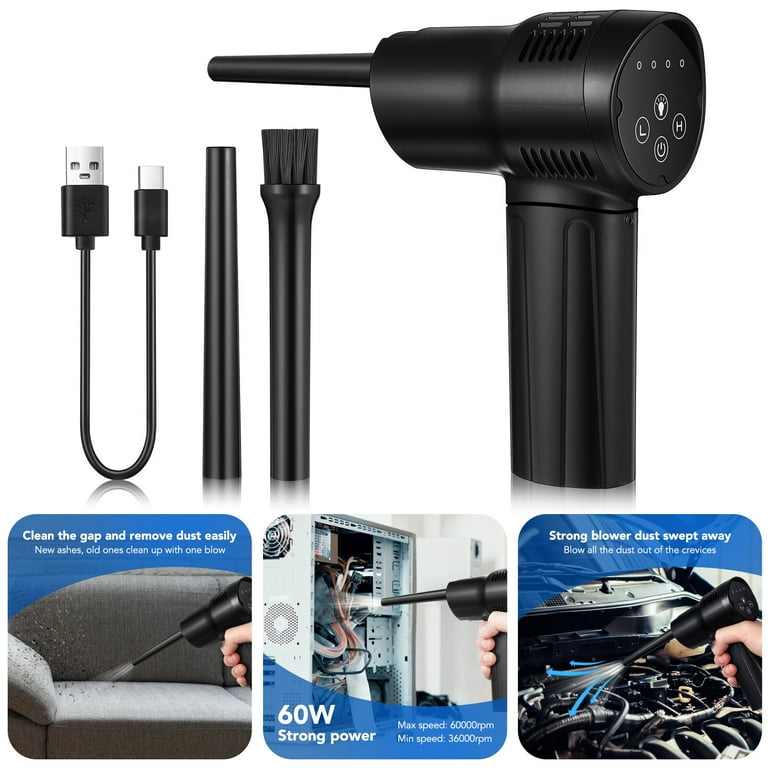
Handheld vacuums work best for tight spaces. They are small and easy to move around. Cordless models add convenience without wires. Some stick vacuums have good suction too. Pick one with strong suction for better cleaning.
Attachments For Vents
Use narrow nozzle attachments to reach inside vents. Brush attachments help loosen dust stuck inside. Crevice tools fit well between vent slats. Soft bristle brushes avoid scratching vent surfaces. Attachments improve vacuum performance on vents.
Additional Cleaning Supplies
Microfiber cloths help wipe loose dust after vacuuming. Compressed air cans blow out hidden dirt. Small soft brushes clean vent edges gently. Use cleaning sprays safe for car interiors. These extras help make vents spotless.
Preparing The Car
Preparing your car before cleaning the vents helps you work faster and better. It makes the process safe and effective. Taking a few simple steps sets the stage for a smooth vacuuming job.
Choose The Right Location
Pick a place with good light and space around your car. Open areas outdoors or a well-lit garage work well. Avoid dusty or windy spots to keep dirt from blowing back inside.
Turn Off The Engine
Always switch off the engine before starting. This stops dust and debris from spreading through the air vents. It also ensures your safety while cleaning inside the car.
Remove Loose Debris
Look inside the vents and dashboard for loose dust or small objects. Use a soft brush or cloth to clear away big pieces first. This step prevents clogging the vacuum and cleans better.
Vacuuming Techniques
Vacuuming car vents requires careful techniques to remove dust effectively. Proper methods help clean deeply and avoid damage. Using the right tools and angles makes the job easier. Focus on each vent carefully for best results.
Using Brush Attachments
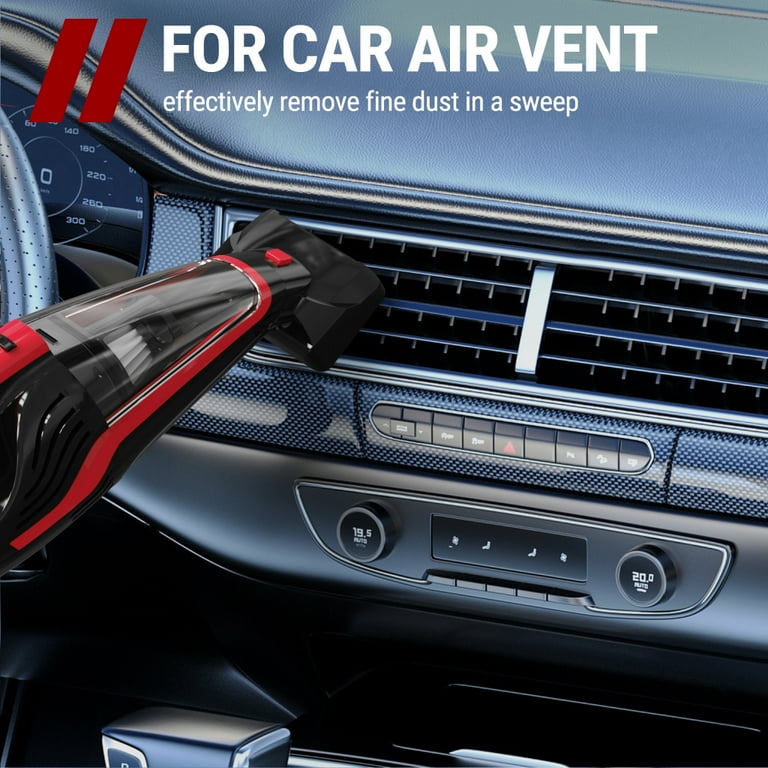
Brush attachments loosen dust stuck inside vents. Soft bristles prevent scratches on vent surfaces. Attach the brush to the vacuum hose before starting. Gently move the brush in and out of vents. This action frees dust for the vacuum to suck up.
Reaching Tight Spaces
Car vents have narrow, hard-to-reach areas. Use a small nozzle or crevice tool to reach these spaces. Slowly guide the nozzle inside vent slats for thorough cleaning. Patience is key to avoid pushing dust deeper. Repeat in all vents for a clean cabin.
Maintaining Suction Power
Strong suction ensures dust removal from vents. Check vacuum filters and empty dust containers regularly. Keep the hose free from blockages or kinks. Use steady, moderate suction to avoid damage. Proper maintenance keeps the vacuum effective for vent cleaning.
Cleaning Tips For Stubborn Dust
Stubborn dust in car vents can be hard to remove with just a vacuum. It hides deep inside the vents and sticks to surfaces. To clean it well, use a few extra steps. These tips help reach dusty spots and clear out dirt effectively. Follow them to keep your car vents fresh and dust-free.
Using Compressed Air
Compressed air can blow dust out of tight vent spaces. Use a can with a narrow nozzle. Spray short bursts into the vents. This loosens dust stuck in corners. It makes vacuuming easier and more effective. Always hold the can upright to avoid moisture inside the vents.
Soft Cloth Wiping
After blowing dust out, wipe vents with a soft cloth. Use a microfiber cloth for best results. Lightly dampen the cloth to catch fine dust particles. Gently clean vent slats and edges. This removes dust that the vacuum or air missed. Avoid harsh rubbing to protect vent surfaces.
Repeat Vacuuming
Vacuum the vents again after using air and cloth. This picks up loosened dust and dirt. Use a vacuum with a brush attachment for better reach. Move slowly to catch all particles. Repeat as needed until vents look clean. Regular vacuuming keeps vents clear longer.
Preventive Measures
Keeping car vents dust-free helps maintain clean air inside your vehicle. Preventive steps reduce the need for deep cleaning. Small habits make a big difference in dust control.
Regular Cleaning Schedule
Set a weekly routine to vacuum car vents. Use a soft brush attachment for better reach. This stops dust from settling and piling up. Regular cleaning keeps vents clear and air fresh.
Cabin Air Filter Maintenance
Check the cabin air filter every 12,000 miles or as advised. Replace it if dirty or clogged. A clean filter blocks dust from entering vents. This improves air quality and reduces dust build-up.
Avoiding Dust Build-up
Keep windows closed in dusty areas. Use floor mats to trap dirt and dust. Wipe dashboard surfaces with a microfiber cloth often. These habits limit how much dust reaches your vents.

Frequently Asked Questions
How Often Should I Vacuum Car Vents For Dust Removal?
Vacuum car vents every 1-2 months to prevent dust buildup. Regular cleaning keeps air quality fresh and improves ventilation efficiency.
What Vacuum Attachment Works Best For Car Vents?
Use a soft brush or crevice tool attachment. These help reach narrow vent slats without damage, ensuring thorough dust removal.
Can Vacuuming Car Vents Damage The Vent System?
No, using the right vacuum attachment prevents damage. Gentle suction safely removes dust without harming vent mechanisms or airflow.
Should I Clean Car Vents Before Or After Vacuuming?
Clean vents before vacuuming by wiping surfaces with a microfiber cloth. This removes loose dust and improves vacuum effectiveness.
Conclusion
Cleaning car vents with a vacuum keeps air fresh and clear. Dust buildup can cause bad smells and reduce air flow. Regular cleaning helps your car feel cleaner and more comfortable. Using the right vacuum tools makes the job quick and easy.
Small steps like this improve your car’s inside air quality. Keep vents dust-free to enjoy a better driving experience every time. Simple care brings big benefits.

