

Have you ever wondered if your car vacuum is really saving energy while keeping your vehicle spotless? You want a clean car without draining your battery or wasting power, right?
Understanding whether car vacuums are energy-efficient can help you make smarter choices and keep your ride looking great without unnecessary energy costs. Keep reading to discover the truth about car vacuums and how they impact your energy use—this knowledge could change the way you clean your car forever.

Energy Consumption Of Car Vacuums
Car vacuums offer a convenient way to clean your vehicle’s interior. Energy use plays a key role in their efficiency. Understanding how much power these devices consume helps you choose the right one. It also affects your car’s battery life and overall energy savings.
Power Ratings And Usage Patterns
Most car vacuums have power ratings between 50 to 150 watts. This is much lower than many household vacuums. They run for short periods, usually 5 to 15 minutes. This limited use reduces total energy consumption. Some models run on your car’s 12-volt outlet, which impacts battery drain. Cordless versions use rechargeable batteries, offering more flexibility. Users typically clean only when needed, not daily. This pattern keeps energy use minimal.
Comparison With Household Vacuums
Household vacuums often consume between 500 to 1500 watts. They run longer and cover larger areas. Car vacuums use less power because they clean smaller spaces. Their shorter runtime means they use a fraction of the energy. Household vacuums plug into wall outlets, drawing constant power. Car vacuums rely on vehicle power or built-in batteries. This difference makes car vacuums more energy-efficient for small jobs. They save electricity while keeping your car tidy.

Types Of Car Vacuums And Efficiency
Car vacuums come in different types, each with its own energy use. Choosing the right type affects how much power it consumes. Understanding these types helps pick an energy-efficient model. Efficiency means cleaning well while using less energy.
Some car vacuums plug into your car’s power outlet. Others run on batteries. Each type has pros and cons for energy use and cleaning power.
Corded Vs Cordless Models
Corded car vacuums use power directly from your vehicle. They stay on as long as the engine runs. This constant power usually means stronger suction. It also means no worries about running out of charge.
Cordless models rely on batteries. They offer freedom to move without wires. These vacuums use less power but may have weaker suction. Battery life limits how long you can clean in one go.
Battery Life And Charging Impact
Battery life varies by model and use. Longer battery life means more cleaning time. Short battery life may need frequent recharging. Charging uses electricity, adding to total energy use.
Fast chargers consume more power in a short time. Slow chargers use less power but take longer. Efficient batteries hold charge longer and need fewer charges. This lowers total energy consumption over time.
Environmental Impact
Car vacuums have become popular for keeping vehicles clean. Their environmental impact depends on several factors. Understanding these helps in choosing the right product. Energy use and material choices matter for the planet.
Energy Source And Carbon Footprint
Most car vacuums run on electricity or car batteries. The source of this electricity affects their environmental impact. Electricity from renewable sources cuts carbon emissions. Using fossil fuels increases pollution and carbon footprint.
Battery-powered vacuums need charging, which uses energy. Efficient models use less power and last longer on one charge. Lower energy use means less harm to the environment.
Sustainable Materials And Design
Some car vacuums use recycled or eco-friendly materials. These reduce waste and lower environmental damage. Compact and lightweight designs also use fewer resources.
Durable vacuums last longer and reduce the need for replacements. This lowers waste and conserves materials. Choosing a well-made vacuum helps protect the environment.
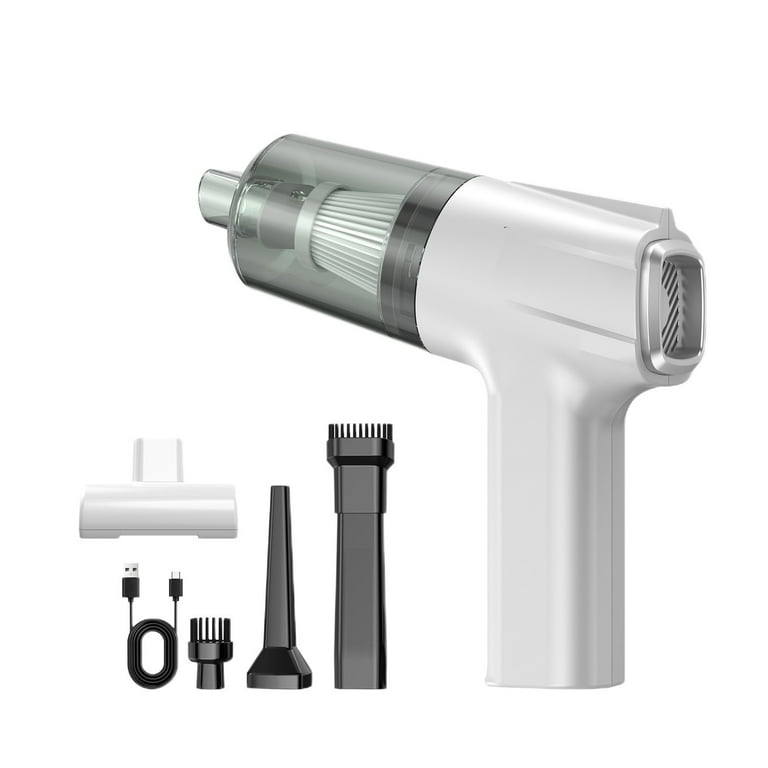
Cost Savings And Practicality
Cost savings and practicality are key when choosing a car vacuum. Many wonder if these devices use a lot of energy or cost too much to run. Understanding how car vacuums impact your budget helps you make smart decisions. This section breaks down the main points about their costs and usefulness.
Electricity Bills And Running Costs
Car vacuums usually have low power consumption. Most models use between 12 to 120 watts. This means they add only a small amount to your electricity bill. Running a car vacuum for 10 to 15 minutes uses very little energy. The cost to operate one is often less than a few cents per use. This makes them affordable for regular cleaning tasks.
Some car vacuums run on your car’s battery or cigarette lighter port. These do not affect home electricity bills at all. Instead, they draw power from your vehicle, which is designed to handle small electrical loads. Using a car vacuum like this keeps running costs minimal.
Maintenance And Longevity
Keeping a car vacuum in good shape lowers long-term costs. Regular cleaning of filters and emptying dust containers help maintain suction power. This prevents the motor from working harder than needed. Avoiding blockages also extends the vacuum’s life.
Quality car vacuums last several years with proper care. Replacing parts like filters or batteries is usually inexpensive. Spending a little time on maintenance saves money on repairs or new purchases. A well-maintained vacuum stays practical for everyday use.
Tips To Maximize Energy Efficiency
Maximizing energy efficiency helps save power and extends your car vacuum’s life. Small changes in how you use the vacuum can reduce electricity use. Choosing the right vacuum also plays a big role in cutting energy waste.
Follow simple tips to clean your car effectively without using extra energy. These easy steps help keep your car fresh and your energy bills low.
Optimal Usage Techniques
Use the vacuum only when needed to avoid wasting power. Clean your car regularly to prevent heavy dirt buildup. Heavy dirt makes the vacuum work harder and consume more energy. Empty the dust container often for better suction and efficiency. Use short bursts instead of long continuous cleaning sessions. This method helps the motor cool down and saves electricity.
Choosing The Right Vacuum For Your Needs
Select a vacuum with the right power level for your car size. A powerful vacuum for a small car wastes energy. Look for models with energy-saving modes or automatic shut-off features. Check the vacuum’s energy rating before buying. A good rating means less electricity use. Pick a lightweight vacuum to make cleaning easier and faster.
Frequently Asked Questions
Are Car Vacuums Energy-efficient Compared To Home Vacuums?
Car vacuums use less power than home vacuums, making them more energy-efficient. They are designed for quick, small cleanups, which reduces energy consumption significantly. Their compact motors focus on localized cleaning, saving electricity and battery life during use.
How Does Energy Efficiency Affect Car Vacuum Performance?
Energy efficiency ensures car vacuums clean effectively without draining your car battery quickly. Efficient models balance power and energy use, providing strong suction while minimizing power consumption. This results in longer usage times and better cleaning without frequent recharges or battery replacements.
Can Cordless Car Vacuums Save More Energy?
Yes, cordless car vacuums often use rechargeable batteries that optimize energy use. They consume less power by running on efficient motors and smart battery management systems. Cordless models also avoid energy loss from constant plugging and unplugging, making them practical and energy-saving.
What Features Improve Car Vacuum Energy Efficiency?
Energy-efficient car vacuums include powerful yet low-wattage motors, smart sensors, and energy-saving modes. HEPA filters reduce clogging, maintaining suction power with less energy. Compact designs and cordless options also contribute to lower energy consumption during cleaning sessions.
Conclusion
Car vacuums can save energy when used correctly. They use less power than many home vacuums. Small size means they need less electricity. Choosing a model with good energy ratings helps. Regular cleaning keeps the vacuum working well. This means less energy wasted over time.
Energy-efficient vacuums protect the environment and your wallet. So, picking the right car vacuum matters. Keep your car clean without using too much power. Simple steps make car cleaning smart and green.

