

Keeping your pool clean can feel like a full-time job, but a robotic pool vacuum is here to help. However, even the best machines need a little care to keep working smoothly.
If you want to make sure your robotic pool vacuum stays in top shape and lasts for years, understanding its maintenance needs is key. You’ll discover simple, effective steps to keep your vacuum running like new. Ready to save time and enjoy a sparkling pool without the hassle?
Let’s dive into what maintenance your robotic pool vacuum really needs.

Routine Cleaning Tasks
Routine cleaning is key to keeping your robotic pool vacuum working well. Regular care stops dirt from building up. It also helps the machine clean better and last longer. Simple tasks done often can save you time and money later.
Emptying The Debris Bag
Start by emptying the debris bag after every use. This prevents clogs and keeps suction strong. Remove the bag carefully to avoid spilling dirt back into the pool. Rinse it with water to clear out fine particles. Let it dry before placing it back in the vacuum.
Cleaning The Brushes And Filters
Check the brushes and filters often. Dirt and hair can wrap around the brushes and block filters. Use your fingers or a soft brush to remove debris. Clean filters improve water flow and cleaning power. Replace worn brushes to keep the vacuum effective.
Washing The Filter Cartridge
Take out the filter cartridge regularly for a thorough wash. Rinse it under running water to remove trapped dirt. Avoid using soap or chemicals that can damage the filter. Let the cartridge dry fully before reinstalling it. Clean filters help your vacuum catch even small debris.
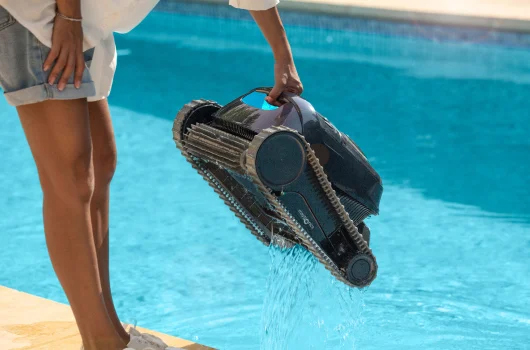
Inspecting Key Components
Inspecting key components of your robotic pool vacuum is vital for smooth operation. Regular checks keep the device working efficiently. They help spot problems early and extend its life.
Focus on parts that face the most wear and tear. Clean and repair these components to avoid bigger issues. Simple inspections take only a few minutes.
Checking The Tracks And Wheels
Tracks and wheels move your vacuum around the pool. Dirt or debris can cause them to jam. Check for cracks or worn-out parts. Clean off any buildup to maintain smooth movement. Replace damaged tracks or wheels immediately.
Examining The Power Cord
The power cord supplies electricity to your vacuum. Look for cuts, cracks, or fraying. Water exposure can damage the cord over time. Ensure the cord is not tangled or twisted. A damaged cord risks electric shock and should be replaced at once.
Monitoring The Impeller And Motor
The impeller pulls in water and debris. It can get clogged with leaves or dirt. Clear any blockages carefully. Listen for unusual noises from the motor. Strange sounds may mean the motor needs service. Keep these parts clean for best performance.
Storage And Handling Tips
Proper storage and careful handling keep a robotic pool vacuum working longer. These tips prevent damage and help maintain its performance. Store the vacuum in the right place and handle it gently during transport.
Proper Storage Conditions
Store the vacuum in a dry, cool place away from direct sunlight. Avoid damp areas to prevent rust or mold. Keep it off the ground to protect it from dirt and moisture. Remove the battery if you will not use the vacuum for a long time. Cover the vacuum to keep dust and debris away.
Avoiding Damage During Transport
Carry the vacuum carefully using its handle or a sturdy bag. Avoid dropping or banging it against hard surfaces. Secure it in the car to stop it from moving around. Remove any loose parts before moving the vacuum. Check for damage after transport before using it again.
Troubleshooting Common Issues
Robotic pool vacuums make pool cleaning easier but can face issues sometimes. Troubleshooting helps fix these problems quickly. Knowing common issues and solutions saves time and keeps your pool clean. Below are typical problems and how to solve them effectively.
Dealing With Reduced Suction
Low suction reduces cleaning power. Check the filter and clean it if dirty. Debris can block the suction path. Remove any leaves or dirt from the intake. Inspect the impeller for clogs or damage. Clear any blockages carefully. Replace the filter if it is worn out. Regular cleaning maintains strong suction.
Fixing Navigation Problems
Navigation issues cause the vacuum to miss spots or get stuck. Check for tangled or damaged power cords. Clear obstacles from the pool that might block movement. Clean the wheels and brushes to ensure smooth operation. Reset the robot and restart the cleaning cycle. Update the firmware if available. These steps improve navigation accuracy.
Addressing Electrical Malfunctions
Electrical problems stop the vacuum from working properly. Inspect the power supply for loose connections or damage. Ensure the outlet has power by testing with another device. Look for water inside the control box or motor area. Dry any moisture carefully. If the vacuum still won’t start, contact a professional for repair. Regular inspection prevents serious electrical faults.
Seasonal Maintenance
Seasonal maintenance keeps your robotic pool vacuum in top shape all year. It protects the device during off-season months. It also prepares the vacuum for regular use during swim season. Taking time for seasonal care extends the life of your vacuum. It ensures the vacuum cleans effectively every time.
Preparing For Winter Storage
Clean the vacuum thoroughly before storing it for winter. Remove all debris from brushes and filters. Rinse the vacuum with fresh water to remove pool chemicals. Let the vacuum dry completely to prevent mold and rust. Store the vacuum in a cool, dry place away from sunlight. Keep the power cord loosely coiled to avoid damage. Check the manufacturer’s instructions for any special winter care tips.
Getting Ready For Swimming Season
Inspect the vacuum for any damage or wear before use. Clean filters and brushes to ensure peak performance. Test the vacuum in a small part of the pool first. Check the power cord and connections for safety. Replace any worn parts to avoid breakdowns. Run the vacuum fully to make sure it works well. Regular checks help keep your pool clean all season long.

When To Call A Professional
Robotic pool vacuums are helpful for keeping pools clean. Some problems need expert help. Knowing when to call a professional saves time and money. It also keeps your pool vacuum working well for longer.
Signs Of Major Repairs
Strange noises from the vacuum may mean a serious issue. If the vacuum stops moving, it could be a motor problem. Broken parts like wheels or brushes need expert fixing. Water leaking inside the unit is a major concern. If the vacuum does not hold a charge, call a pro. These signs mean the problem is beyond simple cleaning or resets.
Routine Servicing Benefits
Regular check-ups keep the vacuum in top shape. Professionals clean hard-to-reach parts thoroughly. They find small problems before they get worse. Routine servicing improves battery life and suction power. It also extends the vacuum’s overall lifespan. Experts can update software or replace worn parts. This saves you from costly repairs later.
Frequently Asked Questions
How Often Should I Clean A Robotic Pool Vacuum Filter?
Clean the filter after every few uses to maintain efficiency. Rinse it with water and remove debris to prevent clogs. Regular cleaning ensures better suction and longer vacuum life.
What Parts Of A Robotic Pool Vacuum Need Regular Maintenance?
Check and clean the filter, brushes, and wheels regularly. Inspect for wear and tear, and replace parts if damaged. Proper maintenance keeps the vacuum running smoothly and extends its lifespan.
Can I Use My Robotic Pool Vacuum In Saltwater Pools?
Yes, but ensure the vacuum is designed for saltwater use. Rinse the vacuum with fresh water after each use to prevent corrosion. Follow manufacturer guidelines to protect the unit and maintain performance.
How Do I Store My Robotic Pool Vacuum During Winter?
Remove the vacuum from the pool, clean it thoroughly, and dry completely. Store it in a cool, dry place away from direct sunlight. Proper storage prevents damage and keeps the vacuum ready for use.
Conclusion
Keeping your robotic pool vacuum clean helps it work well for longer. Check the filter often and clear out any debris inside. Clean the brushes and wheels to avoid damage. Store the vacuum in a dry, safe place after use.
Regular care saves money and keeps your pool sparkling. Small steps make a big difference in performance. Take time for simple maintenance to enjoy a clean pool all season.

