

Is your pool floor looking green and slimy? You might be wondering if your pool vacuum can handle algae buildup.
After all, you want your pool sparkling clean without spending hours scrubbing. But can a pool vacuum really get rid of stubborn algae, or do you need something more? Keep reading to discover how to tackle algae effectively and keep your pool inviting all season long.

Pool Vacuum Basics
Understanding pool vacuum basics helps keep pools clean and clear. These devices remove dirt, debris, and algae from pool floors. Knowing how they work and their types helps choose the right one for your pool.
Pool vacuums save time and effort. They maintain water clarity and hygiene. Learning their functions supports better pool care.
How Pool Vacuums Work
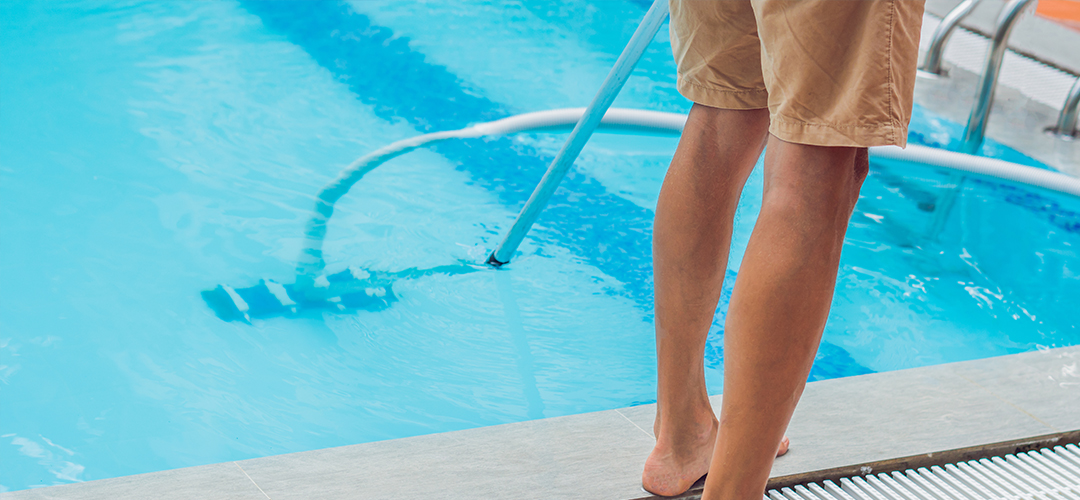
Pool vacuums use suction to pull dirt from the pool floor. They connect to the pool’s filtration system or have built-in filters. The vacuum moves slowly across the floor, collecting debris into a bag or filter.
The suction power varies by vacuum type. It helps remove particles like leaves, dirt, and some algae. Regular use prevents buildup and keeps the pool safe to swim.
Types Of Pool Vacuums
Manual vacuums require pushing or pulling across the pool floor. They need human effort but are affordable and simple. They are good for small to medium pools.
Automatic vacuums operate on their own. They move around the pool using motors or water pressure. They clean larger pools and save time. Some models scrub algae better than others.
Robotic vacuums are advanced and use electric power. They scan the pool floor and clean thoroughly. They collect dirt in internal filters and need less maintenance.
Algae Growth In Pools
Algae growth in pools is a common problem many pool owners face. It can turn clear water into a green, cloudy mess. Algae can also make pool surfaces slippery and unsafe. Understanding how algae grows helps keep pools clean and safe.
Algae thrives in warm water with sunlight and poor water circulation. Left unchecked, it spreads quickly on pool walls and floors. Removing algae requires more than just vacuuming. Knowing its types and causes helps find the right solution.
Common Algae Types
There are three main types of algae in pools: green, yellow, and black. Green algae is the most common and grows fast. It makes water look green and cloudy. Yellow algae, also called mustard algae, sticks to walls and floors. Black algae is the toughest. It forms dark spots and is hard to remove.
Causes Of Algae Buildup
Poor pool maintenance leads to algae growth. Low chlorine levels allow algae to multiply. Warm temperatures and sunlight speed up growth. Poor water circulation creates spots where algae can settle. Dirt and debris also feed algae. Regular cleaning and proper chemical balance help prevent buildup.
Vacuuming Algae From Pool Floor
Vacuuming algae from the pool floor is a common step in pool cleaning. Algae can make the pool slippery and unsafe. It also turns the water green and cloudy. Using a pool vacuum can help remove algae from the surface. But how well does it work? Understanding the role of a pool vacuum in algae removal is important for clear water.
Effectiveness Of Pool Vacuums On Algae
Pool vacuums can remove loose algae from the pool floor. The vacuum sucks up algae particles and debris. It helps clear visible algae patches. Regular vacuuming stops algae from spreading further. It also reduces algae buildup on pool surfaces. A pool vacuum works best on soft, loose algae. It improves the pool’s appearance quickly.
Limitations Of Vacuuming Alone
Vacuuming does not kill algae. Stubborn algae stuck to walls or floor stays behind. Vacuuming cannot remove algae roots or stains. Algae can return if not treated chemically. Pool chemicals like algaecides are needed for full control. Vacuuming without chemicals is only a partial solution. Cleaning must combine vacuuming and proper water treatment for best results.
Complementary Algae Removal Methods
Removing algae from the pool floor requires more than just a vacuum. A pool vacuum can help pick up loose algae, but it often cannot remove all types. Using other methods together improves the cleaning process. These complementary algae removal methods work well with vacuuming. They help keep the pool clear and safe for swimming.
Chemical Treatments
Chemical treatments target algae at the root. Chlorine is the most common chemical used to kill algae. Shocking the pool with a high dose of chlorine helps remove algae quickly. Algaecides are another option. They prevent algae from growing back. Using chemicals carefully keeps the water balanced and safe.
Brushing Techniques
Brushing scrubs algae off the pool surfaces. Use a stiff pool brush to clean walls and floors. Brushing breaks algae loose so the vacuum can pick it up. Regular brushing stops algae from sticking and growing. Focus on corners and shaded spots where algae hide.
Filtration And Circulation
Good filtration removes algae particles from the water. Run the pool filter for at least 8 hours a day. Clean or backwash the filter regularly to keep it working well. Proper circulation stops algae from settling. Use pool jets and pumps to keep water moving evenly.
Best Practices For Algae Control
Controlling algae in your pool requires consistent effort and smart habits. Best practices help stop algae before it spreads and becomes hard to remove. Keeping the pool clean and balanced is the key to clear water.
Regular Pool Maintenance
Clean the pool floor and walls often using a vacuum or brush. Skim debris daily to stop dirt from settling. Check and adjust the pool’s chemical levels weekly. Proper chlorine levels kill algae spores fast. Run the pool filter for at least 8 hours a day. This removes tiny algae and keeps water circulating.
Preventive Measures
Use algaecide as a regular treatment to keep algae away. Remove organic materials like leaves and grass quickly. Cover the pool when not in use for long periods. Keep water balanced with pH between 7.2 and 7.6. Strong sunlight and warm water help algae grow, so shade can reduce growth. Avoid overfeeding pool plants nearby to limit nutrients in the water.

Frequently Asked Questions
Can A Pool Vacuum Remove Algae From The Pool Floor?
Yes, a pool vacuum can remove loose algae from the floor. However, it cannot eliminate stubborn or stuck algae without chemical treatment first.
What Type Of Pool Vacuum Works Best For Algae?
A vacuum with strong suction and fine filtration works best. Robotic vacuums are effective for thorough algae removal from pool floors.
Should I Treat Algae Before Vacuuming The Pool?
Yes, treating algae with algaecide or chlorine before vacuuming helps kill and loosen algae for easier removal.
Can Vacuuming Alone Prevent Algae Growth?
No, vacuuming removes algae debris but does not prevent growth. Proper chemical balance and filtration are essential for prevention.
Conclusion
A pool vacuum can remove some algae from the pool floor. It works best on loose algae and debris. Stubborn algae need scrubbing or special chemicals. Regular cleaning helps keep algae from growing back. Use the vacuum as part of your cleaning routine.
Clean water and good circulation stop algae buildup. Keep your pool clear and safe to swim in. Simple steps make a big difference in pool care.


1 Comment
Pingback: How to Reset Aiper Scuba S1 Pro: Easy Step-by-Step Guide - Vacuum Cleaner Tips