

Are you tired of spending hours cleaning your pool? Choosing the right pool vacuum can make a huge difference in how much time and effort you put in.
But with so many options, how do you know whether a manual or automatic pool vacuum is best for you? Understanding the key differences will help you keep your pool sparkling clean without the hassle. Keep reading to discover which type fits your needs and lifestyle perfectly.
Manual Pool Vacuums
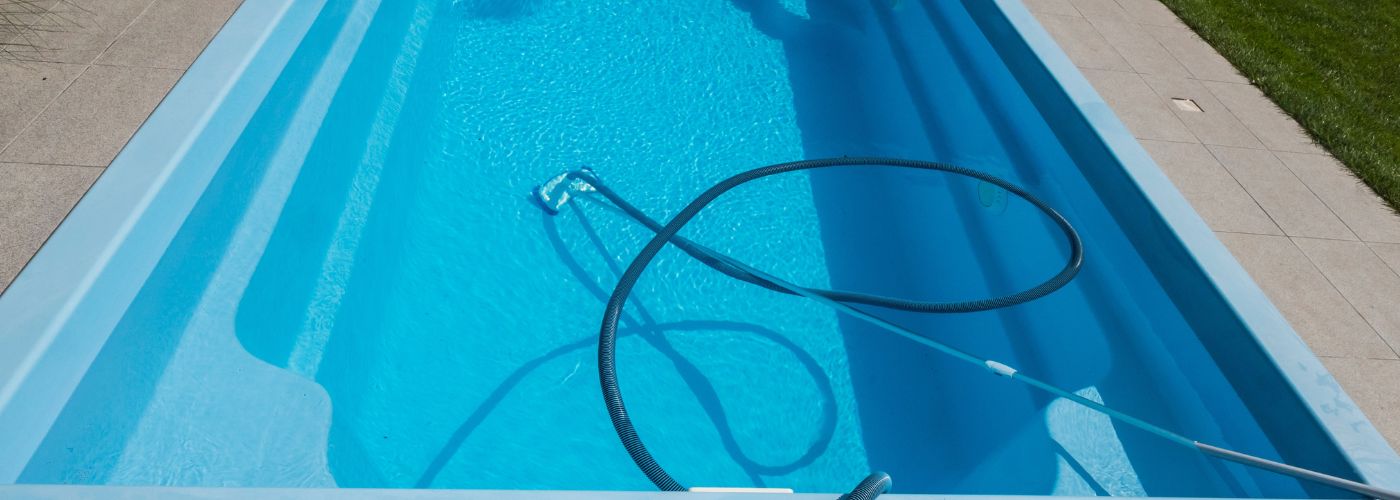
Manual pool vacuums are a simple way to keep pools clean. They need a person to control and move the vacuum around the pool. These vacuums do not work on their own. They require physical effort but offer precise cleaning.
Design And Operation
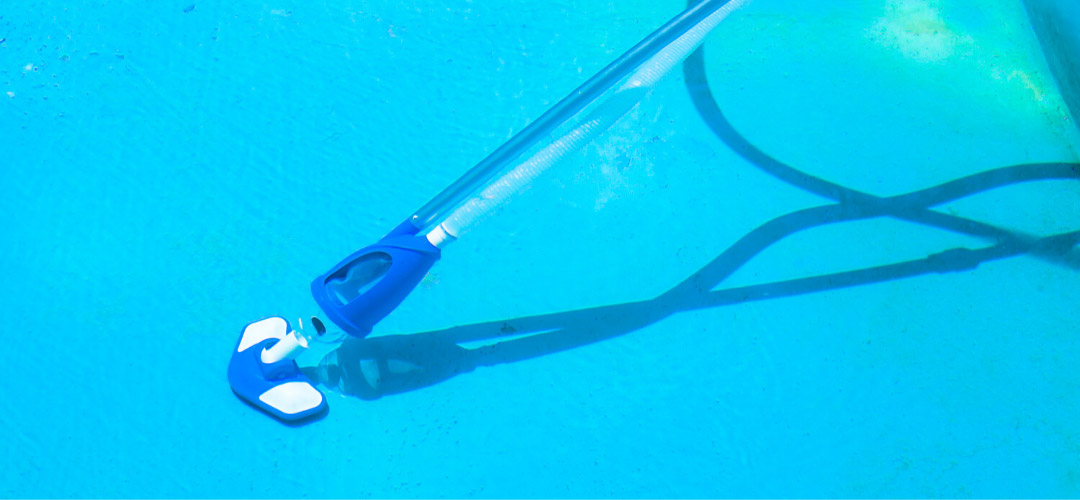
Manual pool vacuums have a long pole and a vacuum head. The vacuum head connects to a hose that links to the pool’s filtration system. Users push the vacuum head along the pool floor and walls. The vacuum sucks up dirt and debris as it moves.
The operation depends on the pool’s pump to create suction. The vacuum does not have its own motor or power source. It relies entirely on the user for movement and cleaning.
Pros And Cons
Manual vacuums are affordable and easy to use. They do not need electricity or batteries. Users can clean specific spots or trouble areas well. These vacuums are lightweight and easy to store.
On the downside, manual vacuums require time and effort. Cleaning large pools can be tiring. The cleaning speed depends on the user’s pace. Some users may miss spots or clean unevenly.
Best Use Cases
Manual pool vacuums suit small to medium pools. They work well for pools with light to moderate debris. They are good for quick clean-ups and spot cleaning. Ideal for pool owners who prefer hands-on control.
These vacuums also fit well when the budget is tight. They are perfect for pools without complex shapes or many obstacles.
Automatic Pool Vacuums
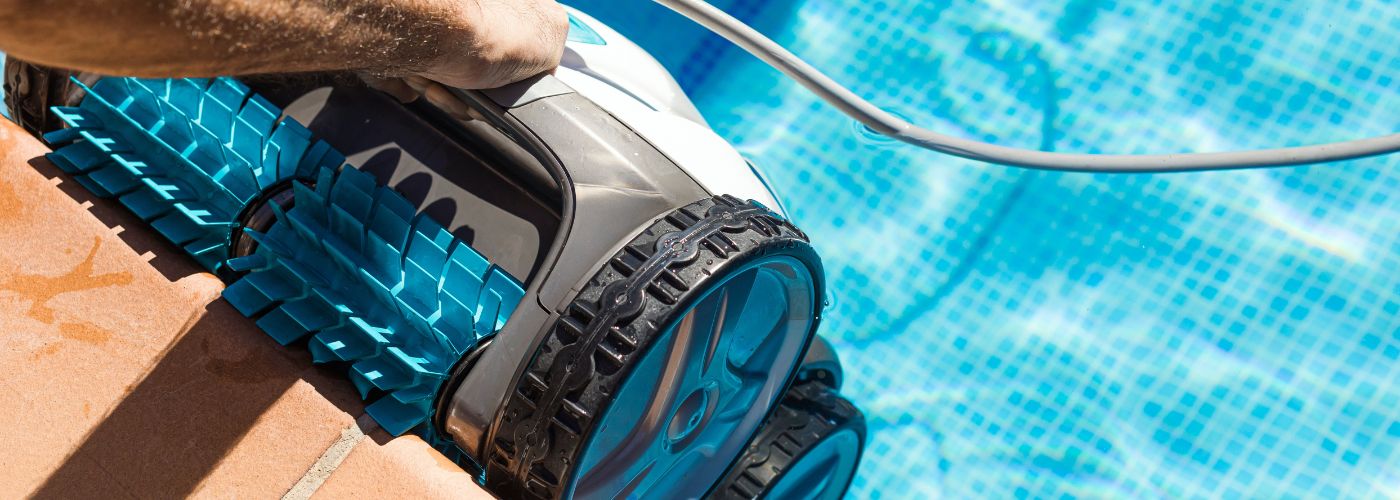
Automatic pool vacuums make cleaning pools easier and faster. They work on their own and need less effort from pool owners. These devices help keep pools free from dirt, leaves, and debris. Many people choose automatic vacuums to save time and energy.
Types Of Automatic Vacuums
There are three main types of automatic pool vacuums. Suction-side vacuums connect to the pool’s skimmer or dedicated suction line. Pressure-side vacuums attach to the return jet and use water pressure to move. Robotic vacuums have their own motor and run independently without hoses.
How They Work
Suction-side vacuums pull water and debris through a hose into the pool filter. Pressure-side vacuums push water out to move the cleaner and collect debris in a bag. Robotic vacuums use electric motors to scrub and vacuum the pool floor and walls. Each type moves around the pool to cover all areas.
Advantages And Limitations
Automatic vacuums save time and reduce manual work. They clean the pool thoroughly and work even when you are not around. Some models filter debris well and improve water circulation. They can be costly to buy and maintain. Certain types need a strong pool pump to work correctly. Some vacuums may miss spots or require regular cleaning of their filters.
Comparing Performance
Comparing the performance of manual and automatic pool vacuums helps you choose the right tool. Both types clean pools but work differently. Understanding their strengths and weaknesses makes pool care easier.
Cleaning Efficiency
Manual vacuums require you to move the device around the pool. This means you control where and how long it cleans. It is good for spot cleaning and hard-to-reach areas. Automatic vacuums move on their own, covering the whole pool. They clean evenly but might miss small corners or stubborn dirt. Manual vacuums can be more thorough but need more effort.
Energy Consumption
Manual vacuums use no electricity. They rely on your physical effort or your pool’s filter system. This makes them energy-friendly and cheap to run. Automatic vacuums use electricity or batteries. They consume more power but save your energy and time. Energy use depends on the model and how often you run it.
Maintenance Requirements
Manual vacuums need simple care. Rinse the vacuum and clean the filter bag regularly. Automatic vacuums require more upkeep. You must clean brushes, filters, and sometimes empty debris containers. Repairs can be costly if parts break. Manual vacuums have fewer parts and are easier to maintain.
Cost Considerations
Choosing between a manual and automatic pool vacuum involves thinking about costs. These costs affect your budget now and over time. Understanding both helps you pick the right tool for your pool and wallet.
Initial Investment
Manual pool vacuums usually cost less upfront. They are simple devices with fewer parts. This makes them affordable for most pool owners. Automatic vacuums need motors and sensors. These parts raise their price. Expect to spend more when buying an automatic cleaner.
Long-term Expenses
Manual vacuums require more time and effort. You may spend extra on replacement parts like hoses or brushes. Automatic vacuums use electricity and need occasional repairs. Their parts may cost more to fix or replace. Over time, automatic cleaners can save money on labor. Manual cleaners might add to your effort but cost less in energy bills.
Choosing The Right Vacuum
Choosing the right pool vacuum is important for keeping your pool clean and safe. Different vacuums work better for different pools and users. Understanding your needs helps pick the best tool for the job.
Consider factors like pool size, your preferences, and budget. These guide you to the perfect vacuum type.
Pool Size And Type
Small pools may only need a manual vacuum. Larger pools often need automatic vacuums for faster cleaning. The pool surface matters too. Vinyl, fiberglass, and concrete require different vacuum types. Choose a vacuum that works well with your pool’s material.
User Preferences
Some users enjoy hands-on cleaning with manual vacuums. Others prefer the ease of automatic models. Think about how much time you want to spend cleaning. Manual vacuums need more effort but cost less. Automatic vacuums save time but require less control.
Budget Factors
Manual vacuums are usually cheaper to buy. They cost less to maintain as well. Automatic vacuums have a higher upfront price. They may save money on cleaning services over time. Balance your budget with how much cleaning help you want.
Frequently Asked Questions
What Are The Main Differences Between Manual And Automatic Pool Vacuums?
Manual vacuums require user control and effort, while automatic vacuums operate independently. Automatic models save time and energy but are usually pricier. Manual vacuums offer precision cleaning and are more affordable, making them suitable for small pools and detailed cleaning.
Which Pool Vacuum Is Better For Large Pools?
Automatic pool vacuums are better for large pools. They clean efficiently without constant supervision. Manual vacuums can be tiring and time-consuming for big areas. Automatic models provide consistent cleaning, saving time and effort on large pool surfaces.
How Do Manual And Automatic Vacuums Affect Pool Maintenance Cost?
Manual vacuums have lower upfront costs but require more time and effort. Automatic vacuums cost more initially but reduce labor and improve cleaning frequency. Over time, automatic vacuums can lower maintenance costs by keeping the pool cleaner longer.
Can Manual Vacuums Clean As Thoroughly As Automatic Ones?
Manual vacuums allow targeted and detailed cleaning, especially in corners and steps. Automatic vacuums offer broad, consistent coverage but might miss small spots. For thorough cleaning, a manual vacuum is ideal for hard-to-reach areas.
Conclusion
Choosing between manual and automatic pool vacuums depends on your needs. Manual vacuums give you control and cost less. Automatic vacuums save time and work on their own. Both clean pools well but suit different lifestyles. Think about your budget, pool size, and effort level.
Clean water means more fun and safety. Pick the vacuum that fits your routine best. Keep your pool sparkling with the right choice. Simple and easy pool care is possible for everyone.

