

Are you tired of your vacuum cleaner missing dust and dirt no matter how many times you run it over your floors? You might be wondering, “How much suction power should a vacuum cleaner have to really get the job done?” Finding the right suction strength can make all the difference between a quick, effective clean and endless frustration.
You’ll discover exactly what suction power means for your cleaning needs and how to choose the perfect vacuum that works for your home. Keep reading to unlock the secret to a cleaner, fresher living space with less effort.
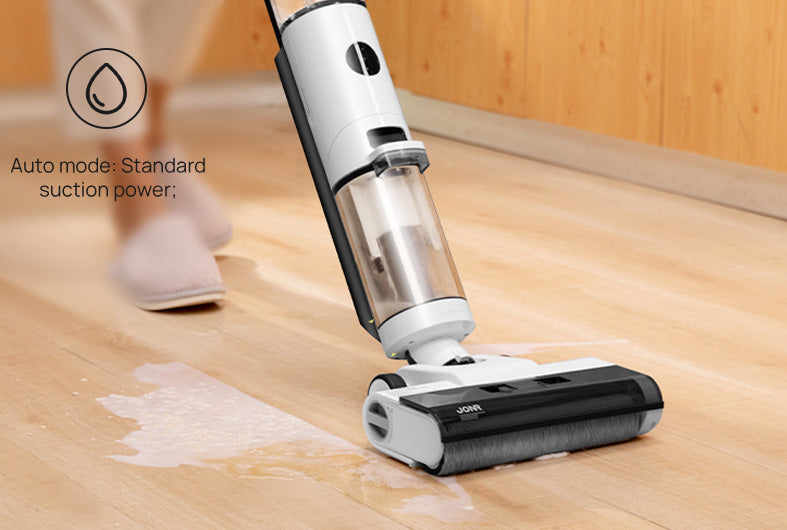
Suction Power Basics
Suction power is the main factor in a vacuum cleaner’s cleaning ability. It helps lift dirt, dust, and debris from floors and carpets. Understanding suction power basics helps you choose the right vacuum for your needs. Knowing how suction is measured and what types of motors exist makes buying easier.
Measuring Suction Power
Suction power is measured in air watts or pascals. Air watts show how much power moves air through the vacuum. Higher air watts mean stronger suction. Pascals measure the vacuum’s suction pressure. Both numbers give an idea of how well the vacuum cleans. Check these ratings before buying a vacuum.
Types Of Vacuum Motors
Vacuum cleaners use different motors to create suction. Universal motors are common and affordable. They spin fast and create strong suction. Brushless motors are newer and last longer. They run quietly and use less energy. Knowing motor types helps pick a vacuum that fits your needs and budget.

Optimal Suction For Different Surfaces
Different surfaces need different suction strengths for the best cleaning. Choosing the right suction power helps clean effectively without damaging floors or fabrics. Each surface type absorbs suction differently. This affects how well dirt and dust are removed.
Hard Floors
Hard floors require moderate suction power. Too much suction can scratch or damage the surface. Low to medium suction cleans dust and small debris well. Use a vacuum with adjustable settings for safety.
Carpets And Rugs
Carpets need strong suction to remove dirt deep inside. Thick rugs may require even higher power. High suction lifts dirt from fibers but can be hard to push. Choose a vacuum with a strong motor and brush roll.
Upholstery And Curtains
Upholstery and curtains need gentle suction. Too strong suction can pull or damage fabric. Use a vacuum with a special attachment for delicate materials. Low suction cleans dust and pet hair safely.
Impact Of Suction Power On Cleaning
Suction power plays a big role in how well a vacuum cleaner cleans. Strong suction helps pick up dirt and dust from floors and carpets. It also affects how well the vacuum removes allergens and pet hair. Choosing the right suction power makes cleaning easier and more effective.
Dirt And Debris Removal
Strong suction pulls dirt and debris deep from carpets and hard floors. It helps lift fine dust and bigger particles like crumbs. A vacuum with low suction may leave dirt behind. Good suction ensures a cleaner home and less dust buildup.
Allergen Control
Vacuuming with strong suction reduces allergens like dust mites and pollen. These tiny particles can cause allergies and breathing problems. Powerful suction traps allergens inside the vacuum bag or bin. This keeps the air in your home cleaner and healthier.
Pet Hair Challenges
Pet hair can stick to carpets and furniture tightly. Strong suction is needed to pull out hair without damaging surfaces. Vacuums with weak suction often leave hair behind. High suction makes pet hair removal faster and more complete.
Balancing Suction Power And Energy Efficiency
Choosing the right vacuum cleaner means finding a balance between strong suction and low energy use. High suction power cleans better but can use more electricity. Low energy use saves money and helps the environment. The goal is to pick a vacuum that cleans well without wasting energy. This balance keeps your home clean and your bills low.
Power Consumption Considerations
Vacuum cleaners with high suction often use more power. Check the wattage before buying. Lower wattage means less electricity use. Some models use smart motors that save energy. Look for vacuums that clean well at lower power. This keeps your energy bills smaller. Using a vacuum with good power control helps too.
Eco-friendly Vacuum Features
Many vacuums offer eco-friendly features. Energy Star ratings show energy efficiency. Some vacuums have automatic power adjustment. They reduce power on smooth floors and increase on carpets. Reusable filters cut waste and save money. Lightweight designs use less energy to run. These features help reduce your home’s carbon footprint.
Additional Factors Affecting Vacuum Performance
Suction power is important for vacuum cleaners. Yet, other parts also affect how well a vacuum works. These parts help clean better and make the vacuum easier to use. Understanding these factors helps in choosing the right vacuum.
Filtration Systems
Filtration systems trap dust and dirt inside the vacuum. A good filter stops tiny particles from escaping back into the air. HEPA filters are very popular because they catch allergens and pollen. Clean filters keep suction strong and improve air quality.
Brush Roll Design
The brush roll helps lift dirt from floors and carpets. Some brush rolls have stiff bristles for deep cleaning. Others use soft brushes for hard floors to avoid scratches. A good design moves dirt into the vacuum quickly and easily.
Vacuum Weight And Maneuverability
Lighter vacuums are easier to carry and move around. Heavy vacuums can be hard to push or lift up stairs. A vacuum that turns easily helps clean corners and tight spaces. Good maneuverability saves time and effort during cleaning.

Choosing The Right Vacuum Based On Suction
Choosing the right vacuum based on suction power makes cleaning easier and faster. Not all vacuums need the highest suction. The key is matching suction strength to your cleaning tasks. Suction power varies by model and type. Understanding your needs helps you select a vacuum that works well without wasting money or energy.
Assessing Your Cleaning Needs
Consider the type of floors in your home. Hard floors need less suction than carpets. Thick carpets and rugs require stronger suction to remove dirt. Pets add another factor. Pet hair needs higher suction to clean effectively. Think about how often you vacuum. Frequent cleaning may allow a lower suction vacuum to work fine. Large homes may need a powerful vacuum to cover more area quickly.
Comparing Suction Specs
Suction power is measured in air watts, amps, or pascals. Air watts show true cleaning ability better than amps. Amps measure motor power, not suction. Higher air watts mean stronger suction. Check product details carefully. Some vacuums list airflow in liters per second. More airflow usually means better dirt pickup. Look for reliable brands with clear suction specs.
Budget And Brand Insights
Higher suction often comes with higher price tags. Set a budget before shopping. Many mid-range vacuums offer good suction for daily needs. Brand reputation matters. Established brands usually deliver consistent suction quality. Read reviews from real users. Avoid very cheap vacuums with weak suction. Balance price, suction power, and features to find the best fit.
Frequently Asked Questions
What Is Suction Power In Vacuum Cleaners?
Suction power measures the vacuum’s ability to lift dirt and debris. It is usually measured in air watts or Pascals. Higher suction power means better cleaning efficiency, especially on carpets and rugs.
How Much Suction Power Do I Need?
For general home use, 100-200 air watts is sufficient. Hard floors require less suction, while carpets need more. Consider your floor type and cleaning needs before choosing suction power.
Does Higher Suction Power Mean Better Cleaning?
Generally, yes. Higher suction power improves dirt removal, especially on thick carpets. However, other factors like brush type and filtration also affect overall cleaning performance.
Can Too Much Suction Damage Floors?
Excessive suction can scratch delicate floors or damage carpets. Use adjustable suction settings to protect different surfaces. Always check your vacuum’s settings for safe cleaning.
Conclusion
Choosing the right suction power depends on your cleaning needs. Strong suction works well on carpets and rugs. Lower suction is fine for hard floors and delicate surfaces. Remember, too much power can waste energy and may damage some items.
Check your vacuum’s specs and match them to your home. A balanced choice keeps your house clean and your vacuum lasting longer. Simple and smart decisions make cleaning easier every day.

