

Are bagged vacuums better than bagless models? If you’ve ever stood in the cleaning aisle wondering which vacuum to choose, you’re not alone.
Picking the right vacuum can make your cleaning faster, easier, and even healthier. But how do you know which type will fit your needs best? This article will help you decide by breaking down the real differences. By the end, you’ll feel confident about your choice and ready to keep your home spotless with less hassle.
Keep reading—you’re about to discover what your vacuum hasn’t been telling you.
Bagged Vacuums Basics
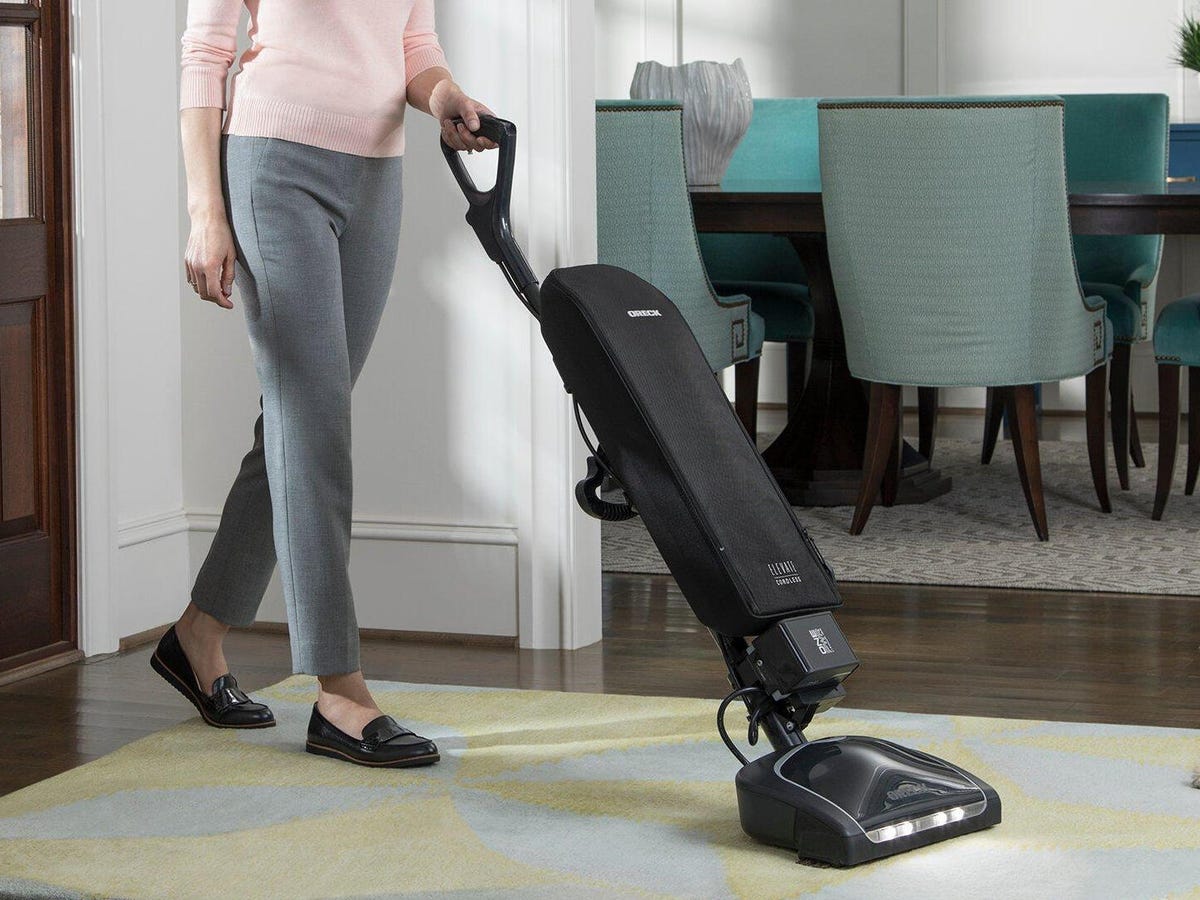
Bagged vacuums use a simple design that many people trust for cleaning. They collect dust and dirt inside a disposable bag. This makes it easy to keep the vacuum clean and avoid dust escaping.
These vacuums are known for strong suction and good filtration. They work well in homes with allergy sufferers. The bags trap fine dust and keep it inside the vacuum.
How Bagged Models Work
Air and dirt enter the vacuum through the nozzle. Dirt passes into the bag, which acts like a filter. The bag holds dust and keeps it from coming back out.
Clean air flows out after dirt is trapped. The bag fills up as you vacuum. You replace the bag once it is full to keep the vacuum working well.
Common Features
Most bagged vacuums have strong motors to keep suction steady. They often include HEPA filters for better air quality. The bags come in different sizes for various cleaning needs.
Many models have easy bag-change systems to avoid dust contact. They also offer long power cords and adjustable settings for different floors. These features make cleaning easier and more efficient.
Bagless Vacuums Basics
Bagless vacuums have become popular for home cleaning. They offer a different approach compared to traditional bagged vacuums. Understanding how they work helps you decide if they fit your needs.
How Bagless Models Work
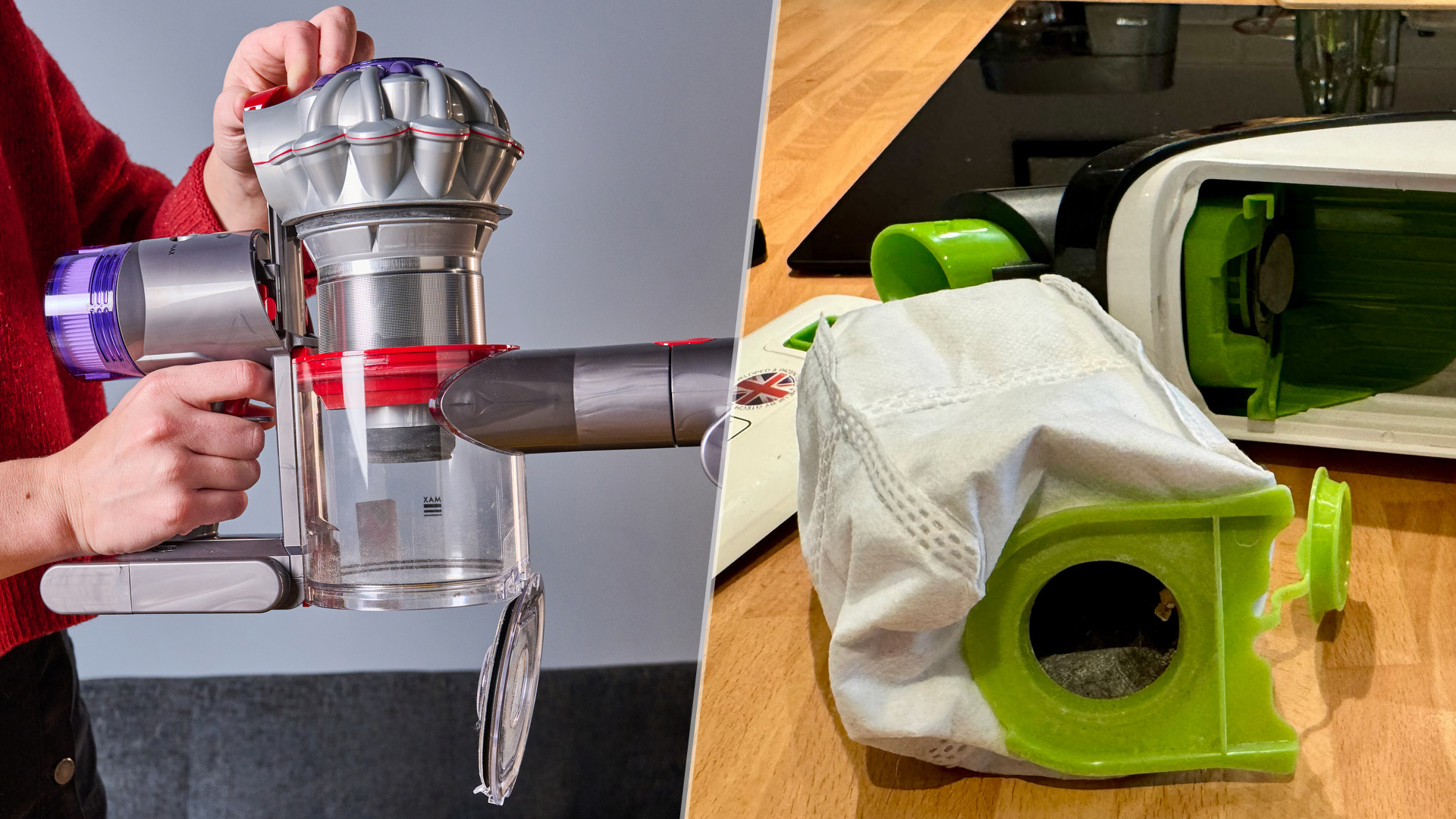
Bagless vacuums use a clear dust container to collect dirt. Dirt and debris are sucked into the vacuum by strong airflow. The dirt settles in the container, which you can empty after cleaning. Filters trap fine dust and allergens to keep the air clean. No bags mean you do not need to buy replacements.
Common Features
Most bagless vacuums have a transparent bin to see when it is full. Cyclonic technology spins air to separate dirt from the air. Many models include washable filters to reduce costs. Lightweight design makes them easy to carry and use. Some come with attachments for different surfaces and corners.
Performance Comparison
Choosing between bagged and bagless vacuums often depends on performance. Both types aim to clean your home efficiently. This section compares their suction power and filtration. These factors affect how well your vacuum cleans and controls dust.
Suction Power And Efficiency
Bagged vacuums usually maintain strong suction longer. The bag collects dirt and keeps the filter clear. This helps the vacuum work well without losing power.
Bagless models can lose suction as the dustbin fills. Dirt can block airflow and reduce efficiency. Users must clean filters often to keep suction steady.
For deep cleaning carpets, bagged vacuums often perform better. They handle large debris without clogging quickly. Bagless vacuums work best for light, everyday cleaning.
Filtration And Allergy Control
Bagged vacuums often use multi-layer bags and HEPA filters. This traps fine dust and allergens effectively. It helps reduce allergy symptoms for sensitive users.
Bagless vacuums rely on filters alone to capture dust. Some use HEPA filters, but emptying can release dust into the air. This may bother allergy sufferers.
Bagged vacuums offer a cleaner disposal process. Removing the bag keeps dust sealed inside. Bagless models require careful emptying to avoid dust spread.
Maintenance And Convenience
Maintenance and convenience play a big role in choosing between bagged and bagless vacuums. How easy a vacuum is to clean and maintain affects your daily use. It also impacts the time spent caring for the machine.
Cleaning And Emptying
Bagged vacuums use disposable bags that catch dust and dirt. You just remove the bag and throw it away. This keeps your hands clean and reduces dust exposure.
Bagless vacuums have a clear dustbin you must empty. This can be messy and may release dust into the air. You need to clean the dustbin regularly to avoid clogging and bad smells.
Durability And Lifespan
Bagged models often last longer because the bags protect the vacuum’s motor. Dirt and dust do not reach the inner parts as much. This can reduce wear and tear.
Bagless vacuums rely on filters to protect the motor. These filters need regular cleaning or replacement. Without proper care, the vacuum may lose suction or break down sooner.
Cost Considerations
Cost is a key factor when choosing between bagged and bagless vacuums. Understanding the expenses helps you pick the best option for your budget. Both types have different costs upfront and over time. Knowing these can save you money and hassle.
Initial Purchase Price
Bagged vacuums often cost less at first. Their design is simpler, which lowers the price. Bagless models usually have a higher starting cost. They include more parts like filters and dust containers. This makes them pricier but sometimes more efficient.
Long-term Expenses
Bagged vacuums need new bags regularly. Bags add to the running cost but keep the vacuum clean. Replacing bags is simple but ongoing. Bagless vacuums do not need bags, saving money on supplies. They require filter changes and more cleaning. Filters can be costly and must be replaced often.
User Preferences And Lifestyle
User preferences and lifestyle greatly influence the choice between bagged and bagless vacuums. Each type suits different habits and needs. Understanding these can help select the best vacuum for your home. This section explores how household needs and specific users like pet owners and allergy sufferers affect this choice.
Household Needs
Household size and flooring type affect vacuum choice. Bagged vacuums often hold more dirt and dust. They work well for larger homes or spaces with heavy foot traffic. Bagless models provide quick emptying and easy dirt visibility. Small homes or apartments may benefit from bagless vacuums. Consider storage space too. Bagged models need extra room for bags. Bagless vacuums usually take less space and require fewer replacements.
Pet Owners And Allergy Sufferers
Pet owners face extra challenges with pet hair and dander. Bagged vacuums trap allergens better, reducing dust exposure during disposal. This benefits allergy sufferers by limiting contact with irritants. Bagless vacuums can release dust when emptied, which may worsen allergies. HEPA filters improve both models for allergy control. Still, bagged vacuums remain a safer choice for sensitive users. They keep allergens sealed inside the bag until disposal.
Expert Recommendations
Experts give clear advice on choosing between bagged and bagless vacuums. Each type has strong points that suit different needs. Understanding these helps you pick the right vacuum for your home or office.
Best Uses For Bagged Vacuums
Bagged vacuums work well for allergy sufferers. They trap dust and pollen inside the bag. This stops particles from escaping back into the air.
Homes with pets benefit from bagged models. Pet hair and dander are contained neatly in the bag. This makes cleaning easier and less messy.
Bagged vacuums suit large areas too. The bags hold more dirt, so you empty less often. This is handy for big spaces or long cleaning sessions.
Best Uses For Bagless Vacuums
Bagless vacuums offer convenience and quick dirt disposal. You see the dirt fill up and empty the bin fast. No need to buy or replace bags regularly.
Small homes or apartments gain from bagless models. They are usually lighter and easier to store. Ideal for quick clean-ups and tight spaces.
Bagless vacuums fit users who want easy maintenance. Filters and parts are often washable. This reduces ongoing costs and keeps the vacuum fresh.
Frequently Asked Questions
Are Bagged Vacuums More Hygienic Than Bagless?
Yes, bagged vacuums trap dust and allergens inside sealed bags. This reduces exposure when emptying. Bagless models may release dust during disposal, making bagged options better for allergy sufferers.
Do Bagless Vacuums Save Money On Replacements?
Bagless vacuums eliminate the need for replacement bags, saving money over time. However, they may require more frequent filter replacements. Bagged vacuums have ongoing costs for bags but often need fewer filter changes.
Which Vacuum Type Has Better Suction Power?
Both bagged and bagless vacuums can have strong suction. Bagged models may lose suction as bags fill, while bagless models maintain suction but require regular filter cleaning.
Is Maintenance Easier For Bagless Or Bagged Vacuums?
Bagless vacuums need frequent emptying and filter cleaning, which can be messy. Bagged vacuums require changing bags but often involve less contact with dust, making maintenance simpler for some users.
Conclusion
Choosing between bagged and bagless vacuums depends on your needs. Bagged models keep dust sealed, which helps with allergies. Bagless vacuums save money on bags and show dirt clearly. Cleaning and maintenance differ for both types. Think about ease, cost, and health before deciding.
Both can clean well if used right. The best vacuum fits your lifestyle and budget. Simple as that.

