

Image source: Web (Bing) / pinterest.com (Web image (fair-use with source credit))
So, you've got an above-ground pool, and you're wondering how to keep it looking great and working smoothly for as many summers as possible. That's smart thinking! A little proactive care goes a super long way in preventing costly repairs and ensuring you get the most fun out of your investment.
Think of it like taking care of your car, regular maintenance means it'll run better and last way longer, right? Your pool is no different. We're going to walk through the key things you can do to really extend the life of your above-ground pool, keeping it a source of relaxation for years to come.
Quick Answer
To extend the life of an above-ground pool, consistently maintain proper water balance using test strips. Regularly clean the pool, its skimmer baskets, and the filter system. Protect the liner from physical damage and ensure proper seasonal closing and opening procedures are followed, especially winterization.
Following manufacturer specifications for equipment maintenance is also key.
The Foundation: Setting Up for Success
A great start makes for a long life. When you first set up your above-ground pool, a few crucial steps can prevent future headaches and premature wear. It's all about giving your pool a stable, protected base from the get-go.
Level Ground and Base Protection
Is your pool sitting perfectly level? If not, one side will hold more water weight, putting undue stress on the pool's walls and liner, which can lead to tears or structural issues down the line. Manufacturer specifications consistently highlight the importance of a level site for even weight distribution.
- Why Level Matters: Uneven ground means uneven pressure on the pool structure.
- Ideal Situation: A perfectly flat, compacted surface.
- Common Fixes: Shimming with treated lumber or digging out high spots.
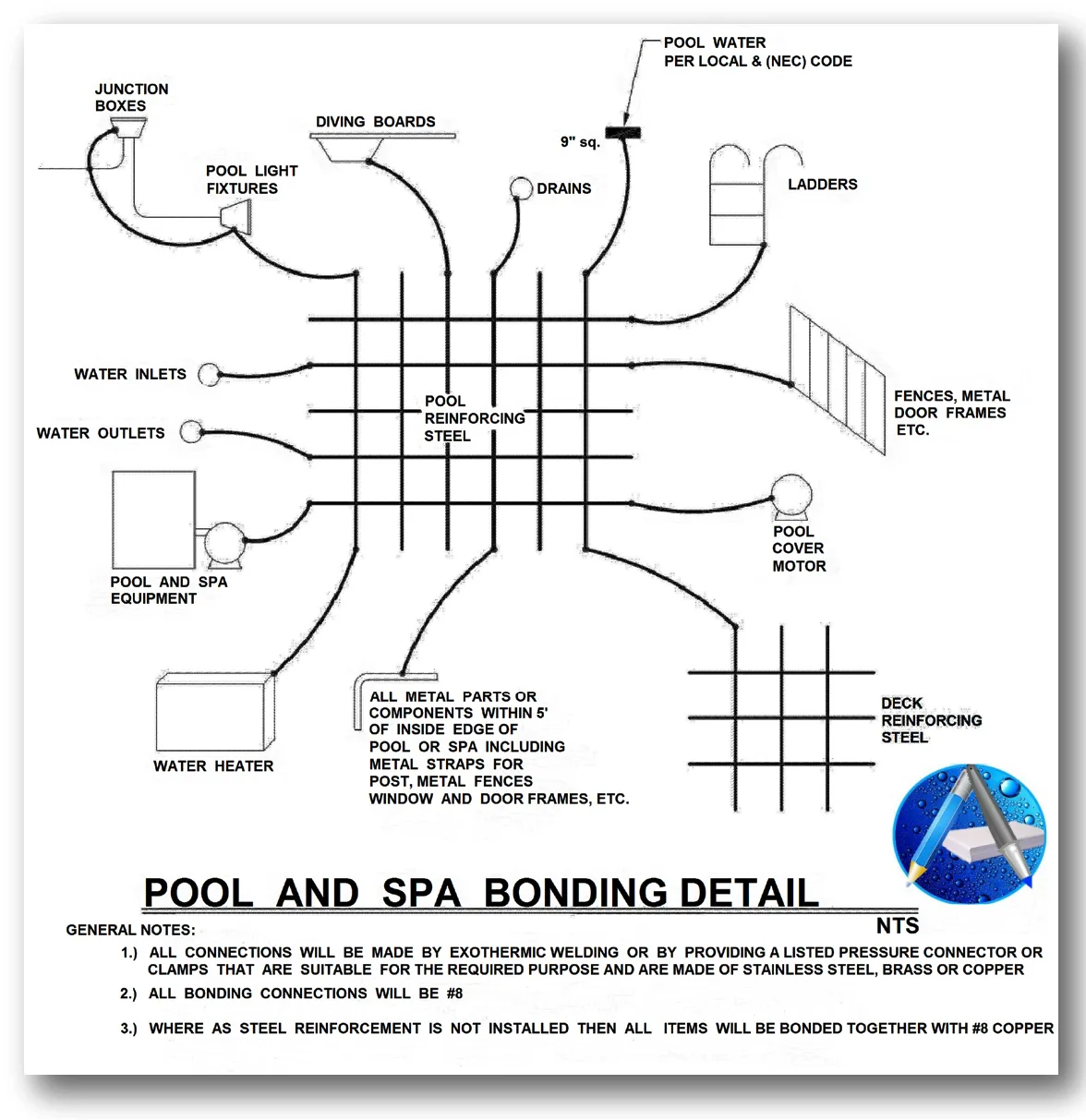
Image source: Web (Bing) / storage.googleapis.com (Web image (fair-use with source credit))
Beyond leveling, a protective layer beneath the pool is non-negotiable. This barrier shields the liner from sharp objects hidden in the ground, like small stones or roots, and also provides a cushion. Many experts recommend using a specialized pool ground cloth or a thick, heavy-duty tarp specifically designed for this purpose.
This simple step can prevent punctures and significantly extend the liner's lifespan.
Water Chemistry: Your Pool's Best Friend (or Worst Enemy)
This is hands-down the most critical aspect of pool maintenance. Incorrect water chemistry is a silent killer that can degrade your liner, corrode metal parts, and damage your filter and pump over time. Getting this right is paramount.
Testing and Balancing Basics
You absolutely need to know what's in your water. Aim to test your pool water at least 2-3 times a week, especially during peak usage seasons. Reliable test strips or liquid test kits are readily available and provide the readings you need.
- Test Frequency: Daily or every other day during heavy use.
- Key Readings: pH, Free Chlorine, Total Alkalinity, Calcium Hardness.
- What Happens If You Don't: Problems like algae blooms, cloudy water, and damage to pool surfaces can occur.
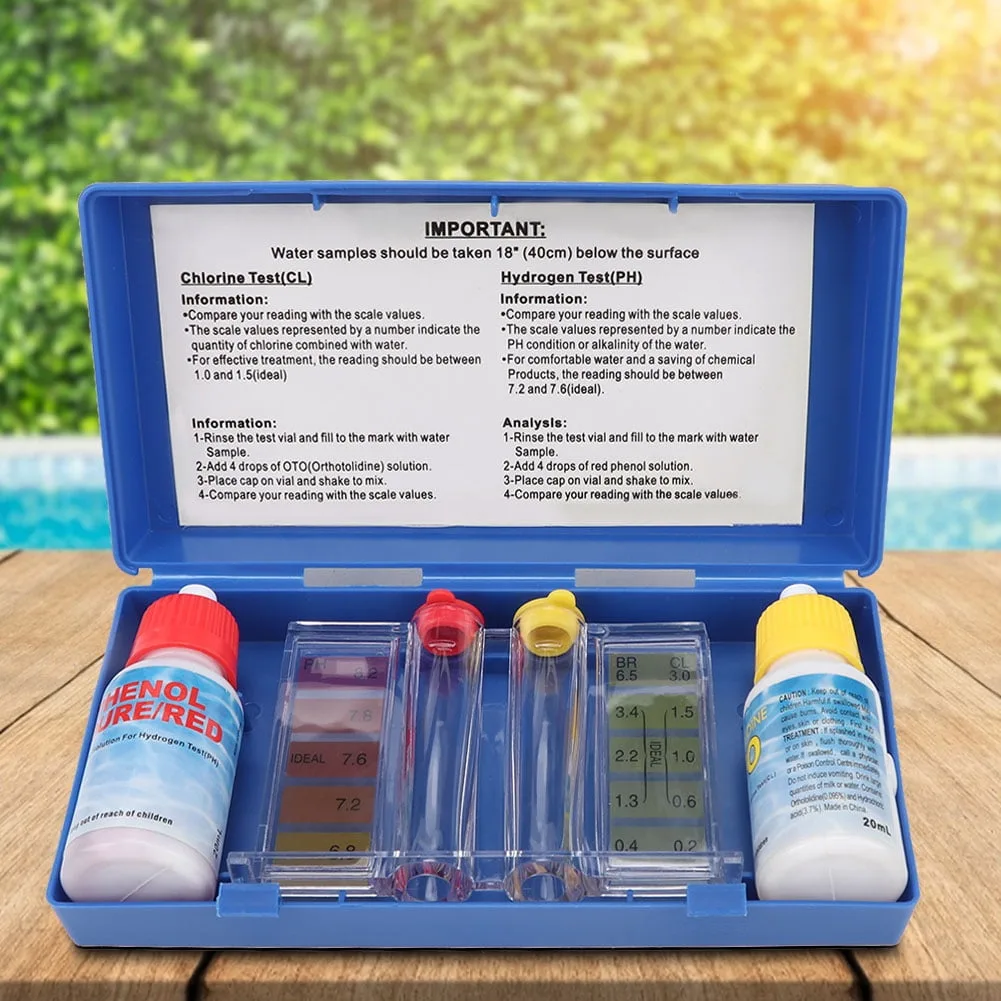
Image source: Web (Bing) / walmart.com (Web image (fair-use with source credit))
The ideal ranges are crucial for both swimmer comfort and pool longevity. According to common industry guidelines, you'll want to maintain:
- pH: 7.2-7.6 (This range ensures chlorine works effectively and prevents eye irritation).
- Free Chlorine: 1-3 ppm (parts per million) (Your primary sanitizer; too low invites bacteria, too high can be harsh).
- Total Alkalinity: 80-120 ppm (This acts as a buffer to keep your pH stable).
- Calcium Hardness: 200-400 ppm (Essential for vinyl liners, preventing them from becoming brittle and cracking).
Shocking Your Pool: When and Why
Shocking, or super-chlorinating, your pool is like giving it a deep clean. It's necessary when your regular sanitizer levels drop too low, the water becomes cloudy, or after heavy use (like after a big pool party). This process oxidizes contaminants and helps kill off algae and bacteria that your normal chlorine level might not handle.
- When to Shock: After heavy use, if water is cloudy, or if chlorine levels are consistently low.
- How It Works: It raises the chlorine level drastically to break down organic matter.
- Follow Instructions: Always follow the product's instructions for dosage and application timing.
Shocking helps break down combined chlorine (chloramines), which are the culprits behind that "pool smell" and red eyes. By eliminating these, you not only improve water clarity and reduce odor but also make your sanitizer more effective. This process is vital for preventing the conditions that can lead to liner damage and equipment strain.
Always ensure your pump is running when you shock the pool to help distribute the chemicals.
Cleaning: The Daily and Weekly Grind
Regular cleaning is your first line of defense against debris and buildup that can compromise your pool's integrity. It’s not just about looks; it's about preventing problems before they start.
Surface Skimming and Basket Duty
Leaves, bugs, and other floating debris are a constant battle. Daily skimming removes these items before they sink to the bottom and begin to decompose, which can cloud the water and consume your sanitizer. Your skimmer basket, located where water enters the filtration system, catches larger debris.
- Skim Daily: Remove floating debris before it sinks.
- Empty Basket Often: A clogged skimmer basket restricts water flow to your pump.
- Frequency: Check and empty the skimmer basket every couple of days, or more often if you have a lot of debris.
A clean skimmer basket ensures your pump isn't working overtime to pull water through a blockage. This improved water flow is crucial for your filter to do its job effectively and prevents strain on the pump motor, contributing to longer equipment life.
Brushing and Vacuuming Techniques
Once a week, it's time to get down to the nitty-gritty. Brushing the pool walls and floor helps dislodge any algae or dirt that has settled, making it easier for your filter to capture. For above-ground pools with vinyl liners, always use a soft-bristled brush to avoid scratching or damaging the liner material.
- Brush Walls & Floor: Loosens settled debris and algae.
- Use Soft Bristles: Essential for vinyl liners to prevent damage.
- Vacuum: Removes debris from the pool floor, especially important for larger particles.
If you have a suction-side or robotic pool cleaner, running it weekly can automate much of this chore. Consistent vacuuming ensures that settled debris doesn't have a chance to embed itself, become a breeding ground for algae, or potentially stain the liner over time.
Filter and Pump Care: Keeping the Heart Pumping
Your pool's pump and filter are its circulation system, the absolute heart of keeping the water clean and moving. Neglecting these components is a surefire way to shorten their lifespan and cause bigger problems.
Backwashing and Cartridge Cleaning
The method for cleaning your filter depends on its type. Sand filters and D.E. (Diatomaceous Earth) filters require regular backwashing.
This process reverses the water flow through the filter media to flush out trapped debris. You'll know it's time when your filter's pressure gauge reads about 8-10 psi higher than its normal clean operating pressure.
- Sand/DE Filters: Backwash when pressure rises.
- Cartridge Filters: Remove and rinse the cartridge when pressure rises or flow decreases.
- Manufacturer Specs: Always consult your filter's manual for specific cleaning instructions.
For cartridge filters, you'll need to remove the filter element and rinse it thoroughly, often with a garden hose. For above-ground pools, a clean filter means better water circulation, which is vital for distributing chemicals evenly and keeping the water clear. This efficiency also reduces strain on the pump motor.
Recognizing and Addressing Equipment Issues
Pay attention to any changes in your pump and filter's performance. Strange noises from the pump, a significant drop in water flow, or visible leaks around the equipment are all warning signs. Manufacturer specifications typically outline expected operational noise levels and flow rates.
- Listen for Noise: Unusual grinding or whining can indicate pump problems.
- Monitor Flow: A noticeable decrease in water spraying from the return jets signals a potential blockage or pump issue.
- Check for Leaks: Small drips can become big problems if left unattended.
Addressing leaks promptly is critical. Even a small drip can erode the ground beneath your pool or pump, potentially causing bigger structural issues. For many common problems, replacing a specific part, like a gasket or seal, can be a straightforward fix that extends the life of the entire unit, saving you from a premature replacement.
Seasonal Savvy: Protecting Your Pool Year-Round
How you manage your pool during the off-season is just as important as what you do during swimming months. Proper preparation for winter and a careful approach to opening in the spring can prevent significant damage and make your pool last much longer.
Spring Opening Essentials
As the weather warms up, it's time to bring your pool back to life. The first step after removing the winter cover is to inspect everything for damage that might have occurred over the winter. Check the liner for any tears, look for leaks around fittings, and examine the pump and filter for any signs of wear or damage.
- Inspect Thoroughly: Check liner, plumbing, and equipment for winter damage.
- Start Filter System: Ensure all components are working correctly before adding chemicals.
- Balance Water Gradually: Don't just dump in chemicals; test and add them slowly.
Once you've confirmed everything is in good shape, you can begin the process of refilling and balancing your water. This isn't a quick process; it requires patience and attention to detail. Aggregating user feedback from various pool owner forums, a common mistake is rushing this stage, which can lead to chemical imbalances that harm the pool.
Fall Closing and Winterization
This is arguably the most critical seasonal step for extending your pool's life. Properly winterizing your above-ground pool prevents freeze damage to the structure, plumbing, and equipment. This usually involves draining the pool water to a specific level (often below the skimmer and return lines), removing accessories, and draining all water from the pump, filter, and hoses.
- Lower Water Level: Crucial for preventing freeze expansion damage.
- Drain All Equipment: Pump, filter, and hoses must be completely emptied.
- Follow Manufacturer Guidelines: These vary slightly by pool type and climate.
According to manufacturer specifications for various above-ground pool systems, failing to properly drain all water from the pump and filter can lead to cracking due to ice expansion. Many systems require specific antifreeze for pools in their plumbing lines to ensure complete protection.
The Importance of a Good Cover
Your pool cover is your primary defense during both the off-season and periods of non-use in the swimming season. A winter cover is designed to keep out leaves, dirt, and debris, preventing them from fouling your water and staining your liner. A good quality cover fits snugly and is properly secured to prevent wind from getting underneath and lifting it.
- Winter Cover: Keeps debris out during the off-season.
- Solar Cover: Reduces evaporation and retains heat during swimming season.
- Secure Tightly: Prevents wind from causing damage or lifting the cover.
Using a solar cover when the pool isn't in use during the swimming season can also significantly reduce water evaporation, meaning less refilling and less work for your filter. It also helps maintain a more consistent water temperature, which is easier on the pool components. A good cover isn't just about keeping things out; it's about preserving the water quality and reducing the workload on your filtration system.
This proactive approach to protection is a cornerstone of ensuring your pool stands the test of time.
Common Pitfalls to Sidestep
Even with the best intentions, mistakes happen. Understanding these common pitfalls can save you time, money, and a whole lot of frustration. They often stem from a lack of awareness or cutting corners on essential maintenance.
Liner Damage and Repair
Your pool liner is its skin, and it needs protection. Tears can happen from sharp objects, abrasive cleaning tools, or even excessive stretching due to improper setup. Small punctures might be patchable with a vinyl repair kit, but larger rips often require professional attention or a full liner replacement.
- Causes: Sharp objects, abrasive brushes, improper cleaning tools.
- Prevention: Use soft brushes, avoid sharp items near the pool edge, and ensure proper setup.
- Repair: Small tears can be patched; large ones may need professional help.
Our research indicates that consistently low calcium hardness levels can make vinyl liners brittle over time, increasing their susceptibility to tears. Therefore, maintaining that 200-400 ppm range is more than just a number; it's a protective measure for your liner.
Chemical Imbalances and Their Cost
We’ve touched on water chemistry, but it bears repeating how costly imbalances can be. Over-chlorination can bleach and degrade liner materials, while low chlorine allows algae and bacteria to thrive, which can stain surfaces and cause equipment to work harder. Incorrect pH can also lead to corrosion.
- Over-Chlorination: Bleaches and weakens liner material.
- Low Chlorine: Allows algae growth and bacterial contamination.
- pH Imbalance: Causes corrosion of metal components and can damage liners.
The cumulative effect of poor chemical balance can dramatically shorten the lifespan of your pool's components, from the liner to the pump seals. Addressing chemical issues promptly prevents a cascade of damage that leads to expensive repairs or premature replacement.
Frequently Asked Questions About Pool Lifespan
How long does an above-ground pool typically last?
With proper care and maintenance, an above-ground pool can last anywhere from 10 to 20 years, sometimes even longer. The lifespan heavily depends on the quality of materials, the frequency and thoroughness of maintenance, and the climate it's in.
What's the most common reason an above-ground pool needs replacing?
The most common reasons are liner failure due to tears or degradation, and corrosion or damage to the metal frame or pump and filter system. Often, these issues are exacerbated by inconsistent water chemistry or inadequate seasonal care.
Can I use household cleaners on my pool liner?
No, you should avoid household cleaners. They can contain harsh chemicals that damage the liner material, strip protective coatings, or leave residues that upset water balance. Always use cleaners specifically designed for pools and liners, and consult your manufacturer's recommendations.
Does climate affect how long my pool will last?
Absolutely. Harsh winters with freezing temperatures can cause significant damage if the pool isn't properly winterized, especially to the plumbing and equipment. Extreme sun exposure can also degrade liners and covers over time.
Is a vinyl liner pool less durable than other types?
Vinyl liners are common for above-ground pools because they are cost-effective and flexible. While they are susceptible to tears, their lifespan is comparable to other pool types when maintained correctly. The key is consistent care and protection against punctures and chemical damage.
Your Decision Guide: Actions for a Longer-Lasting Pool
Deciding to invest in your above-ground pool's longevity means committing to a few key practices. The choices you make today directly impact how many seasons of fun you'll get from your pool. Think of this as a quick checklist to ensure you're on the right track.
- If your pool is new or recently set up: Focus on perfect leveling and a robust ground cloth. Prioritize consistent water testing and balancing from day one.
- If you notice cloudy water or algae: Immediately test and adjust your chlorine and pH levels. Shock the pool if necessary.
- If your pump or filter is making strange noises: Stop the system and inspect for obvious blockages or leaks. Consult your equipment manual or a professional if unsure.
- As fall approaches: Begin planning your winterization process well in advance. Ensure you have all the necessary supplies, such as a winter cover and any required antifreeze, per manufacturer guidelines.
Making these regular, proactive choices ensures your pool remains a reliable source of enjoyment rather than a recurring headache. It’s a journey of consistent care that pays dividends season after season.

