

Image source: Bing (Web (fair-use with source credit))
So, you're wondering, "Can you leave an above ground pool up all winter?" It's a question that pops up when the weather starts to cool, and the short answer is: it really depends on your climate and how prepared you are. Leaving it up might seem like an easy way to save time in the spring, but it can lead to costly damage if not handled correctly.
The decision hinges on a few key variables, primarily your local weather patterns and the specific type of pool you have. Manufacturer specifications often outline recommended winterization practices, and as of 2026, these generally emphasize preventing ice expansion, which is the main enemy of an unprotected pool structure. Let's break down what you need to know.
Quick Answer: It Depends on Your Climate and Prep
Yes, you can leave an above ground pool up all winter, but only if you properly winterize it. This means significantly lowering the water level, draining all equipment, and adding winterizing chemicals. In areas with sustained freezing temperatures, taking down the pool structure may be the safest option to prevent ice damage.
Your Winter Climate: The Biggest Factor
Your geographic location is the single most important factor when deciding whether to leave your above-ground pool structure up for the winter. The severity and duration of freezing temperatures directly impact the risks involved.
Mild Winters vs. Cold Winters
If you live in a region that experiences mild winters, where freezing temperatures are infrequent and don't last for extended periods, you have more flexibility. In these areas, it's generally more feasible to keep the pool structure in place. You'll still need to perform thorough winterization to protect the water and equipment.
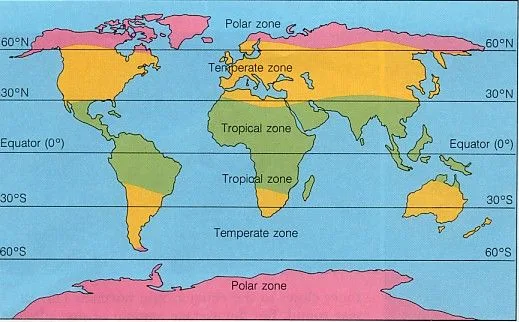
Image source: Web (Bing) / pinterest.es (Web image (fair-use with source credit))
However, if your winters are characterized by prolonged periods of freezing temperatures, ice, and heavy snowfall, leaving an above-ground pool structure exposed can be very risky. Ice expansion can exert immense pressure on the pool walls, potentially causing them to bow outward, warp, or even collapse. The weight of snow and ice can also stress the frame.
In these harsher climates, taking down the pool structure for storage is often the recommended and most protective course of action.
Understanding Winterization: What's Really Involved
Winterization is the process of preparing your pool for the cold months to prevent damage to the structure, liner, and equipment. It's not just about covering it; it involves several critical steps to safeguard your investment.
Lowering Water Levels and Draining Equipment
A key part of winterization is lowering the water level in your pool. Manufacturer specifications typically recommend draining the water below the skimmer and return lines. This is crucial because any water left in these components can freeze, expand, and crack the plumbing or the skimmer body itself.
For pumps, filters, and heaters, complete drainage is essential. You'll need to disconnect them, drain them thoroughly, and store them in a dry, frost-free location, like a garage or shed. This prevents ice from forming inside and damaging the internal parts.
Winterizing Chemicals and Covering Your Pool
Beyond draining, adding specific winterizing chemicals is vital. These chemicals help to keep the water balanced and prevent algae growth throughout the dormant season. This isn't just for aesthetics; algae can create a slippery mess and be difficult to remove in the spring.
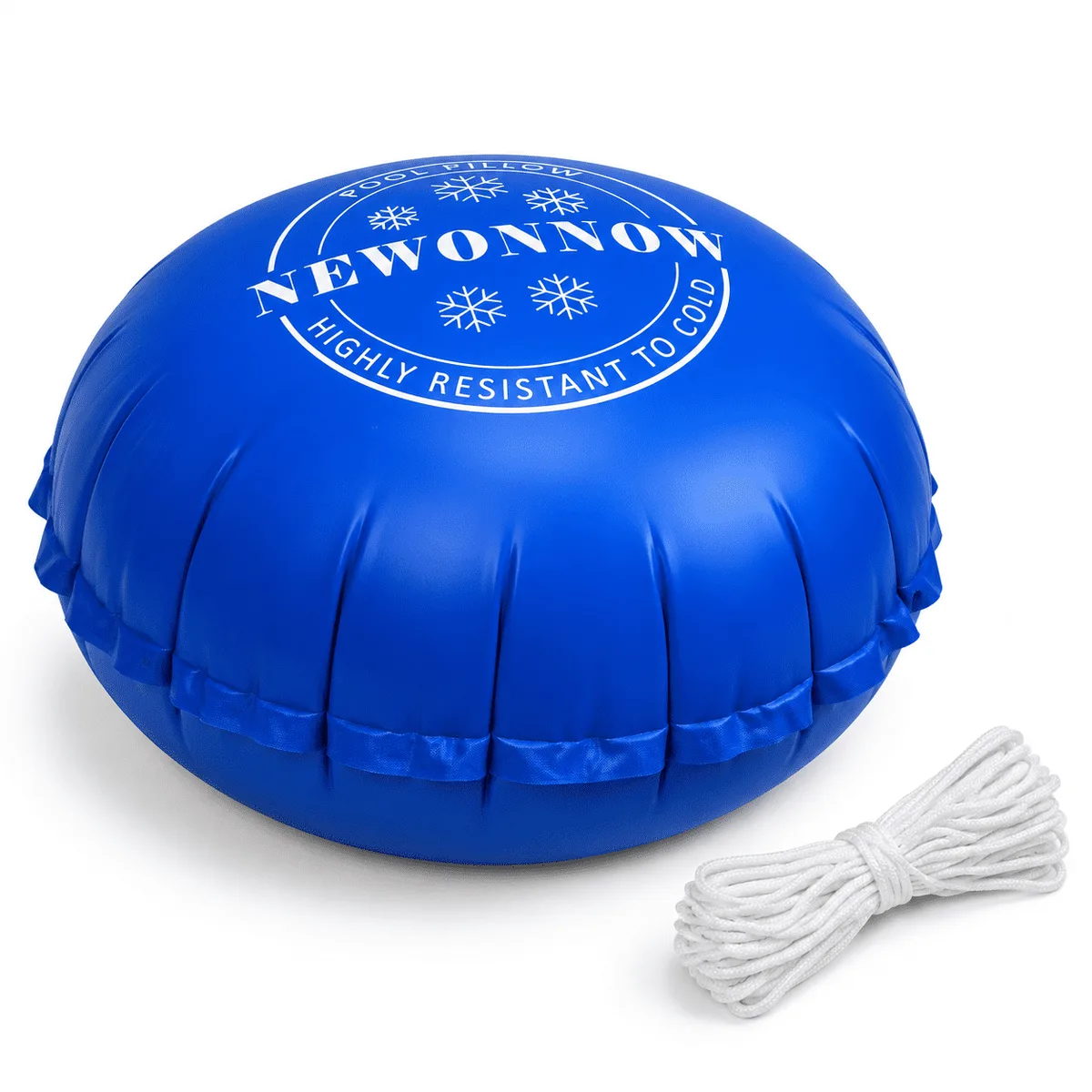
Once the water is treated and the equipment is stowed, a heavy-duty winter cover is secured over the pool. This cover serves multiple purposes: it keeps out leaves, dirt, and other debris that can decompose and foul the water, and it can help reduce sunlight penetration, further inhibiting algae. Some covers also have built-in systems to help manage ice expansion, often involving an air pillow placed beneath the cover in the center of the pool.
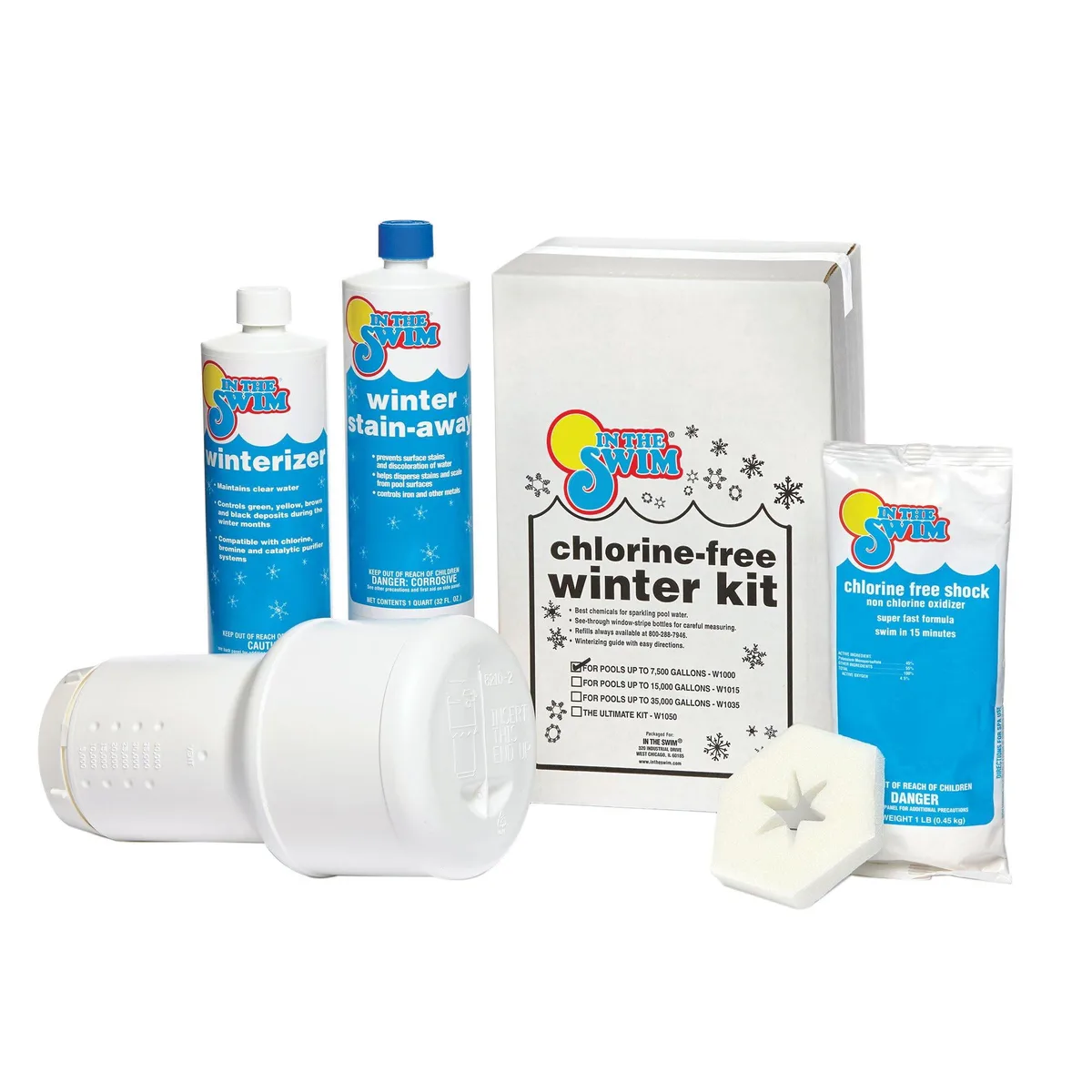
Image source: Web (Bing) / walmart.com (Web image (fair-use with source credit))
Leaving the Pool Structure Up: Risks and Rewards
Deciding to leave your above-ground pool structure standing through winter offers certain advantages, but it also comes with significant risks, particularly if your climate experiences harsh freezes.
Pros of Keeping It Up
The primary benefit of leaving the pool structure up is convenience. If your winter is mild enough and the pool is properly winterized, you can potentially save yourself the labor of disassembling and reassembling the pool in the spring. This can be appealing if you find the setup and takedown process time-consuming.
In regions where freezing is rare or very brief, a well-prepared pool structure can indeed remain standing.
Cons and Potential Damage from Ice and Snow
The main drawback of leaving an above-ground pool structure up in winter is the potential for damage caused by ice, snow, and wind. Ice expands as it freezes, and this expansion exerts outward pressure on the pool walls. If the water level is too high or if there isn't proper management of ice, this pressure can cause the pool walls to bow, warp, or even collapse.
Similarly, heavy snow accumulation adds significant weight, which can stress the frame and supports. Wind can also be a factor, potentially catching unsecured covers and causing them to tear or damage the pool structure. The risks of liner tears from sharp ice edges are also present.
When Taking Down the Pool is the Safer Bet
In many situations, particularly in areas with cold, prolonged winters, taking down the above-ground pool structure is the most prudent and cost-effective approach. While it requires more effort upfront, it significantly mitigates the risk of expensive damage.
What Disassembly Involves
Taking down an above-ground pool typically involves draining the water completely, then disassembling the frame and walls. This often means removing the top rails, uprights, and then carefully collapsing or removing the vinyl liner and the main metal or resin wall. The components are then cleaned, dried thoroughly, and stored in a protected area, like a garage or shed, to prevent corrosion and damage from the elements.
Protecting Your Pool Components
The primary goal when taking down the pool is to protect its components for the following season. Proper disassembly ensures that the liner isn't exposed to the harsh sun, extreme cold, or sharp objects that could cause tears. The metal or resin frame parts are less susceptible to immediate damage but benefit from being stored dry and clean, preventing rust or degradation.
This careful storage ensures that when spring arrives, your pool components are in good condition, ready for a straightforward reassembly and a new swimming season.
Mistakes to Avoid This Winter
Winterizing an above-ground pool incorrectly can lead to costly repairs and a frustrating start to the next swimming season. Knowing the common pitfalls can help you steer clear of them.
Common Winterization Errors
One of the most frequent mistakes is not draining equipment completely. Even a small amount of residual water in a pump or filter can freeze and crack the housing. Another error is leaving the water level too high; this can allow ice to form above the normal waterline and put undue stress on the pool walls.
Not cleaning the pool thoroughly before covering it is also a problem, as debris like leaves and twigs will decompose, making spring cleanup much harder. Some pool owners also underestimate the importance of a good quality winter cover, opting for cheaper alternatives that don't offer adequate protection.
Ignoring Manufacturer Guidelines
Every above-ground pool manufacturer provides specific winterization instructions tailored to their product. Ignoring these guidelines is a significant mistake, as they are based on the pool's design and materials. For example, some manufacturers may have unique recommendations for water levels or specific chemical treatments.
Deviating from these can void warranties and, more importantly, lead to preventable damage. Always consult your pool's specific owner's manual for the most accurate and product-specific winterization advice.
Your Winter Pool Decision Guide
To help you decide whether to leave your above-ground pool structure up or take it down for the winter, run through this quick checklist. It’s designed to help you map your situation against the key factors we've discussed.
Quick Checklist for Your Situation
Climate Check:
- Do you experience hard freezes (temperatures consistently below 25°F / -4°C) for weeks at a time? (Yes/No)
- Do you get significant snowfall and ice accumulation annually? (Yes/No)
- If you answered 'Yes' to either of the above, taking down the structure is strongly recommended.
Pool Type & Condition:
- Is your pool frame made of a lighter-gauge metal or resin that might be susceptible to bowing? (Yes/No)
- Is your liner old or showing signs of wear? (Yes/No)
- If 'Yes' to either, leaving it up carries higher risk.
Manufacturer Recommendation:
- Have you checked your pool's manual for specific winterization instructions? (Yes/No)
- Does the manual explicitly recommend taking down the structure for your climate? (Yes/No)
- If 'No' to either, you must find and review your manual.
Your Effort Tolerance:
- Are you willing to invest time in disassembly and reassembly for maximum protection? (Yes/No)
- Do you have a suitable dry, frost-free space to store the disassembled parts? (Yes/No)
If you answered 'Yes' to the climate risks and 'No' to preparedness for keeping it up, prioritize disassembly.
Final Verdict: Up or Down?
For above-ground pools in regions with cold, sustained freezing temperatures, significant ice, and heavy snowfall, the safest and most recommended practice is to take down the pool structure for winter. This proactive step prevents costly damage from ice expansion and structural stress, ensuring your pool is ready for the next season without expensive repairs.
If you live in a mild climate where hard freezes are rare and brief, you may be able to leave the structure up. However, this still requires meticulous winterization: lowering the water level below the skimmer, draining and storing all equipment, thoroughly cleaning and treating the water with winterizing chemicals, and securing a robust winter cover. Even in mild areas, carefully assessing the risks versus the convenience is crucial.
Always consult your pool's specific owner's manual for the manufacturer's official recommendations.
Frequently Asked Questions About Winter Pools
How long does it take to winterize an above-ground pool?
Winterizing an above-ground pool typically takes between 2 to 6 hours, depending on the size of the pool, the complexity of your equipment, and whether you are also taking down the structure. Draining the water and equipment are often the most time-consuming parts.
What happens if I don't winterize my pool properly?
If you don't winterize your pool properly, you risk significant damage. This can include cracked plumbing and equipment from freezing water, damaged pool walls from ice expansion, algae blooms that are difficult to clear, and a generally messy pool that requires extensive cleaning and repair in the spring.
Can I leave the filter and pump outside in the winter?
No, it is generally not recommended to leave above-ground pool filters and pumps outside in freezing temperatures without proper preparation. They must be completely drained of water to prevent them from cracking due to ice expansion. Many owners store them indoors to protect them.
How low should I lower the water level for winter?
You should lower the water level below the skimmer and return lines. This ensures that no water is trapped in these components or the associated plumbing, which could freeze and cause damage. Always refer to your pool's manual for the exact recommended level.
What kind of cover is best for winter?
A heavy-duty winter cover designed for above-ground pools is essential. Look for a cover made of durable material that blocks sunlight and debris. Many owners also use an air pillow placed under the cover in the center to help absorb ice expansion and prevent the cover from sagging into the water.

