

Getting your above-ground pool ready for winter is a key step in protecting your investment and ensuring a smooth reopening in the spring. Proper winterization prevents damage from freezing temperatures and keeps your water cleaner. This guide will walk you through the essential steps and choices you'll need to make to effectively cover your pool for the off-season.
The process involves several critical stages, from cleaning and balancing water chemistry to preparing equipment and securing a cover. For instance, manufacturer specifications for pool pumps typically indicate that draining all water is crucial to prevent freeze expansion damage, which can occur even in mild winters if residual water remains.
Quick Answer
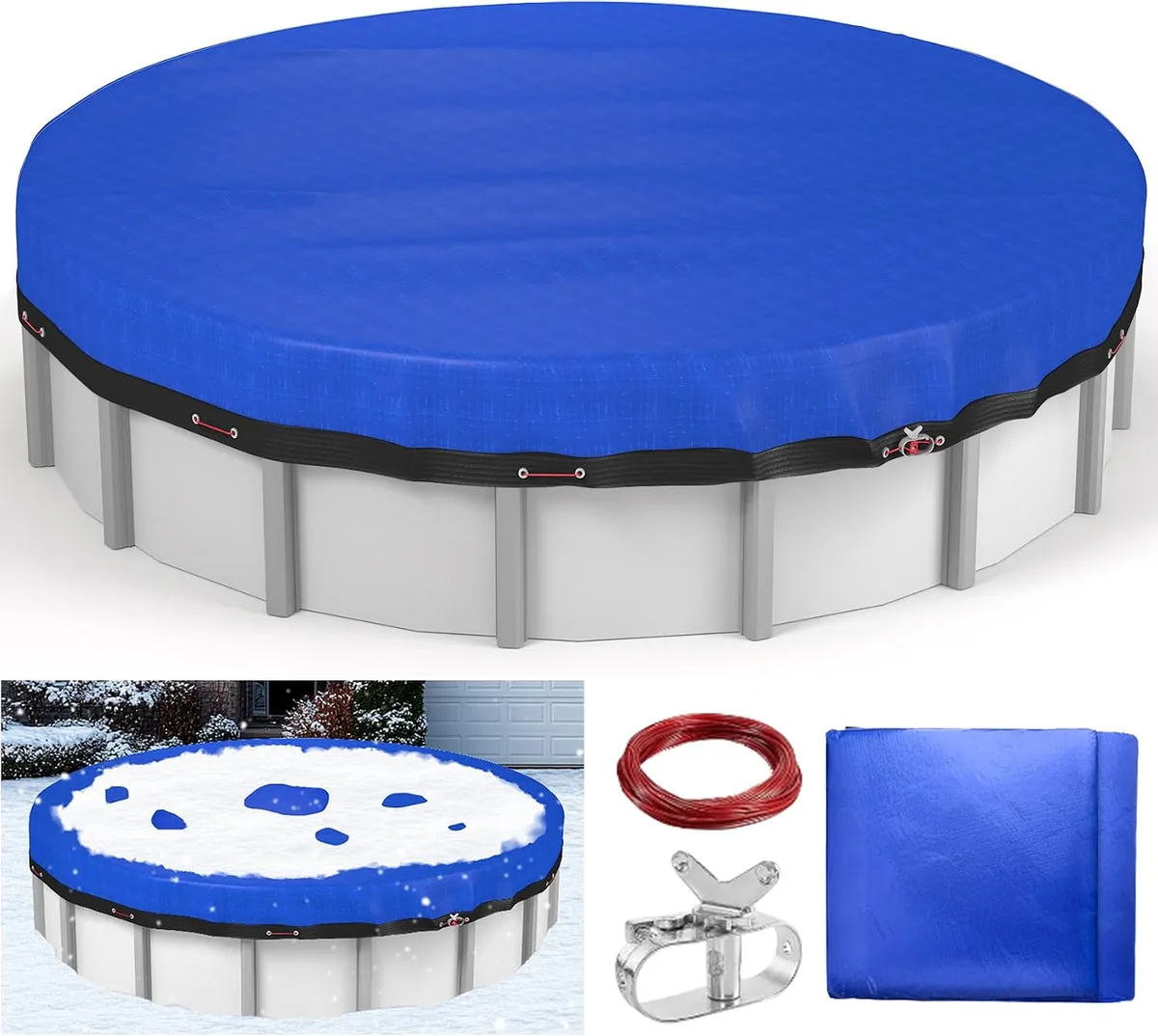
Covering an above-ground pool involves cleaning, balancing chemicals, and draining equipment. You then lower the water level and install a winter cover, securing it tightly. Winterizing chemicals and antifreeze in colder climates offer extra protection.
When to Start Winterizing Your Above-Ground Pool
The best time to start thinking about how you'll cover an above-ground pool for winter is when the water temperature consistently drops below 65°F (18°C). This typically happens in the fall, but the exact timing depends heavily on your geographic location. Waiting for the water to cool down is important for a couple of reasons.
First, it helps prevent algae from blooming while you're working on the winterization process. Second, colder water makes it easier to manage the chemicals and ensures they work more effectively.
Skipping this step or waiting too long can lead to problems down the line. If you wait until the first hard freeze, you might miss the window to properly balance your water or drain your equipment, increasing the risk of damage. It's better to be proactive and get the pool ready a few weeks before the truly cold weather sets in.
Choosing Your Winter Cover: Solid vs. Mesh
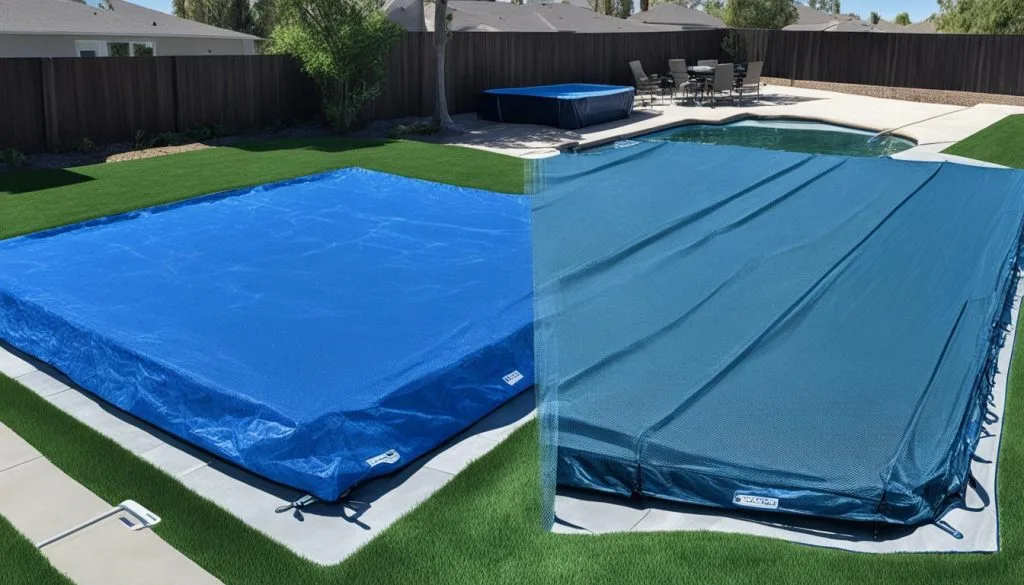
Deciding on the right type of winter cover is one of the first big choices you'll make. The two main options are solid winter covers and mesh winter covers, and each has its own set of advantages and disadvantages. Understanding these differences will help you pick the best one for your climate and your pool.
Solid Winter Covers
- What they are: These are made from a thick, opaque material that completely blocks sunlight and prevents almost all debris, like leaves and twigs, from entering the pool water.
- Pros:
- Superior Debris Protection: Keeps your pool exceptionally clean over the winter.
- Sunlight Blockage: Significantly reduces the chance of algae growth.
- Cons:
- Water Collection: They can collect significant amounts of rainwater and melted snow. This pooling water adds weight, which can stress the cover and the pool structure. You'll likely need a cover pump to remove this water regularly.
- Heavier: Generally heavier and can be more difficult to handle than mesh covers.
Mesh Winter Covers
- What they are: These are woven with small holes that allow water to pass through but block larger debris.
- Pros:
- Water Drainage: Automatically drains water, preventing heavy pooling and reducing stress on the cover and pool walls.
- Lighter Weight: Easier to install and remove.
- Cons:
- Some Debris Entry: While they keep out large debris, smaller particles or silt can make their way through, potentially requiring more cleaning in the spring.
- Less Sunlight Blockage: May not block as much sunlight, potentially allowing some algae growth if the water isn't perfectly balanced.
Who is each cover best for?
- Solid covers are ideal for areas with heavy leaf fall or where you want the absolute cleanest water come spring, provided you're prepared to manage pooled water.
- Mesh covers are a great choice for busy homeowners, areas with less debris, or where managing pooled water is a concern.
Step-by-Step: Getting Your Pool Ready for Winter
This is the core of the process, breaking down the actions needed to properly prepare your above-ground pool for the colder months. It's a workflow that requires attention to detail at each stage.
Cleaning and Chemical Balancing
Before you even think about putting a cover on, your pool needs to be clean and its water chemistry balanced. This is arguably the most crucial part of preventing spring problems.
- Clean the Pool:
- Skim: Remove all leaves, bugs, and any floating debris from the surface.
- Brush: Scrub the walls and floor to dislodge any algae or grime.
- Vacuum: If you have a pool vacuum, use it to remove any settled dirt from the bottom.
- Balance Water Chemistry:
- Test Water: Use a reliable pool test kit to check your pH, total alkalinity, and chlorine levels.
- Adjust pH: Aim for a range of 7.2 to 7.6. This is vital for making sure other chemicals work correctly and to prevent corrosion of metal components.
- Adjust Alkalinity: Target 80-120 ppm (parts per million). This acts as a buffer for your pH.
- Shock the Pool: Add a strong dose of chlorine (shock treatment) to kill any remaining contaminants. Follow the product instructions precisely for dosage.
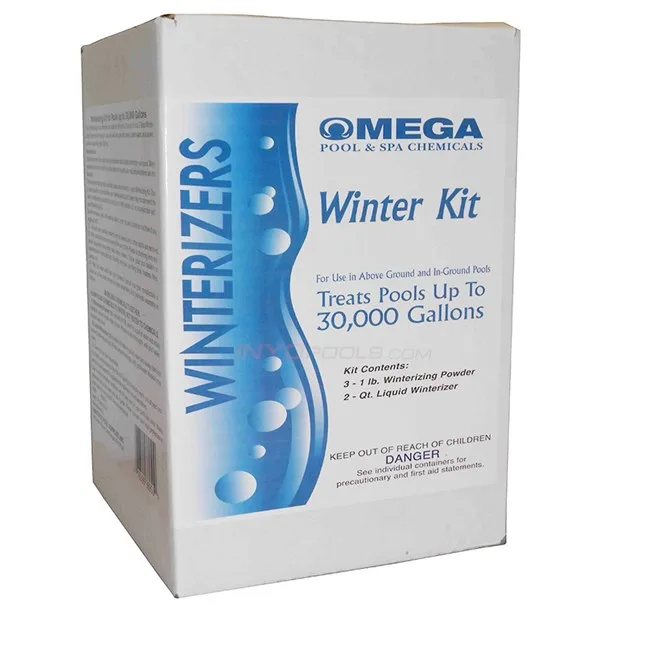
- Add Winterizing Chemicals: Incorporate a pool winterizing chemical kit. These typically include algaecide and stain inhibitors, and are designed to keep water clean and prevent mineral staining throughout the off-season. Always follow the dosage instructions on the product packaging.
Draining Equipment and Lines
Protecting your pool's equipment from freezing is just as important as protecting the pool itself. Frozen water expands, which can crack or burst pipes, pumps, and filters.
- Drain the Pump and Filter:
- Turn off the pump and disconnect power.
- Open all drain plugs on the pump and filter housing to release all water. Your pool equipment manual will have specific instructions for your model.
- Remove and store drain plugs indoors to prevent loss.
- Drain Skimmer and Lines:
- Remove the skimmer basket.
- If possible, use a shop vacuum or air blower to blow out any remaining water from the skimmer and the return lines. This is critical in colder climates.
- Once lines are blown dry, use winterizing plugs to seal them off and prevent moisture from entering.
- Store Equipment: Store hoses, ladders, and any removed accessories in a dry, protected location.
Essential Winterizing Chemicals and Additives
Using the right chemicals is fundamental to a successful winter pool season. These aren't just for convenience; they actively protect your pool and equipment.
- Winterizing Chemical Kits: These are your one-stop shops for off-season pool care. They usually contain a combination of:
- Algaecide: Prevents algae from growing and multiplying in the still, cold water.
- Stain and Scale Inhibitors: These help prevent mineral deposits and staining on the pool liner and walls, which can be difficult to remove in the spring.
- Chlorine Shock Treatment: Essential for a final sanitization before closing. This eliminates any lingering bacteria or algae that could cause issues over the winter.
- Pool Antifreeze: For pools in regions that experience hard freezes (below 20°F or -7°C), adding pool-specific antifreeze to the plumbing lines is highly recommended. This offers an extra layer of protection against ice expansion within the pipes. Always ensure you are using a product specifically labeled as safe for swimming pools to avoid damaging your equipment or water.
Common Mistakes When Covering Your Pool for Winter
Even with the best intentions, a few common missteps can undermine your winterization efforts. Avoiding these pitfalls will save you time, money, and frustration come spring.
- Not Cleaning Thoroughly: Leaving leaves, dirt, or debris in the pool before covering. This material can decompose, stain the liner, and encourage algae growth.
- Improper Chemical Balancing: Failing to test and adjust pH, alkalinity, and chlorine levels before covering. Incorrect chemistry can lead to corrosion, staining, or persistent algae issues.
- Incomplete Draining of Equipment: Not draining all water from the pump, filter, and plumbing lines. Residual water can freeze, expand, and cause significant damage to your equipment.
- Loose or Insecure Cover: Not properly securing the winter cover. Wind can lift it, allowing debris and water to enter, or snow can accumulate and cause it to sag or collapse.
- Ignoring Pooled Water on Solid Covers: For solid covers, failing to remove accumulated water. This excess weight can strain the cover and pool structure, and if it freezes, it can lead to significant damage.
FAQs About Above-Ground Pool Winter Covers
How long does it take to winterize an above-ground pool?
The entire process typically takes between 2 to 4 hours, depending on the size of your pool, the equipment you have, and whether you need to blow out the lines.
When should I remove my winter cover in the spring?
You should remove your winter cover once the weather is consistently warm enough to swim, and your pool water temperature reaches at least 70°F (21°C). Before removal, ensure the cover is clean and free of debris.
Can I use a regular tarp as a winter cover?
It's not recommended. Standard tarps aren't designed for the weight of snow and ice and can easily tear or fail. Pool-specific winter covers are made from durable materials built to withstand harsh winter conditions.
Do I need to run my pump in the winter?
No, generally you do not run your pump during the winter months. The goal of winterization is to protect the equipment from freezing by draining it and ensuring it's not operational until spring.

