

So, why is my above ground pool filter pressure high? It's a common question for pool owners, and usually, it means your filter is working harder than it should because it's getting clogged. Think of it like a traffic jam for your pool water.
Our research indicates that most manufacturers suggest cleaning your filter when the pressure gauge reads 8-10 PSI higher than the normal operating pressure. If you're seeing a jump beyond that, it's time to dive into why.
Quick Answer
High pool filter pressure typically means the filter media is dirty and needs cleaning or replacement. Other causes include blockages in the skimmer or pump baskets, or kinks in the plumbing lines restricting water flow. Addressing these common issues will usually resolve the high-pressure reading.
What High Filter Pressure Really Means for Your Pool
When your above ground pool filter pressure gauge shows a high reading, it's your pool's way of telling you something is impeding the flow of water through the filtration system. The pump pushes water from the pool, through the skimmer and pump basket, into the filter, and then back into the pool. The filter's job is to trap debris and keep your water clear.
As the filter collects dirt, oils, and other particles, these contaminants start to build up within the filter media, whether that's sand, D.E. (diatomaceous earth), or a pleated cartridge. This buildup narrows the pathways for water to travel through, causing resistance.
The pressure gauge measures this resistance. A higher PSI reading directly correlates with more resistance, meaning the filter is working harder to force water through a congested space.
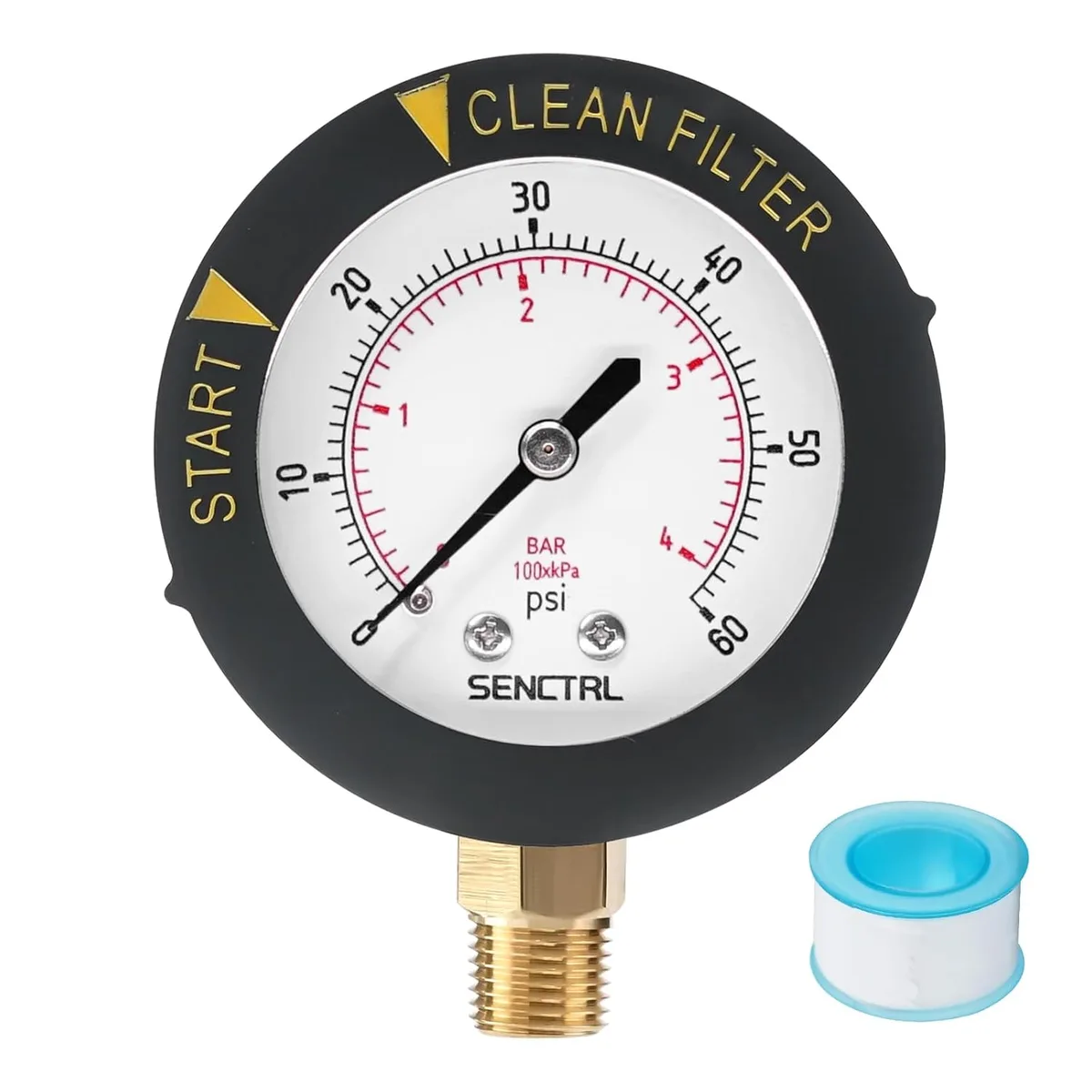
Image source: Web (Bing) / tiendamia.com (Web image (fair-use with source credit))
This increased effort by the pump can strain the system and, more importantly, reduce the flow rate of water being filtered. Poor circulation can lead to cloudy water, chemical imbalances, and less effective overall pool operation.
Checking Your Pool Filter's Normal vs. Current Pressure
Before you start troubleshooting, it's essential to know your pool filter's baseline. This is the "clean" pressure reading you see when the filter is new or has just been cleaned and everything is running smoothly. Many pool filter manufacturers provide a recommended clean operating pressure range in their manuals.
If you don't have this information, it's usually safe to assume a clean filter operates somewhere between 10-20 PSI.
To establish your normal operating pressure, turn on your pool pump and let it run for a few minutes to reach a steady state. Then, check the pressure gauge. Write this number down and keep it handy.
Now, compare this "clean" reading to your current pressure. As a general rule of thumb, aggregate user feedback and manufacturer specifications from leading pool equipment makers, such as Hayward or Pentair, indicate that you should consider cleaning your filter when the pressure is 8-10 PSI higher than your normal clean operating pressure. For example, if your clean pressure is 15 PSI, a reading of 23-25 PSI would signal it's time for maintenance.
A reading significantly higher than this jump suggests a more serious obstruction or a filter that's completely overwhelmed.
Troubleshooting Steps: Pinpointing the Cause of High Pressure
When your filter pressure is too high, the first step is always to check the most common culprits. This approach prevents unnecessary work and helps you identify the specific issue quickly. We’ll work backward from the filter.
Cleaning the Filter Cartridge or Backwashing Sand
This is the most frequent reason for high filter pressure. Over time, the filter media becomes saturated with debris, oils, and organic matter.
- For Cartridge Filters:
- Turn off the pool pump.
- Carefully remove the filter cartridge housing lid.
- Lift out the filter cartridge.
- Using a garden hose with a strong spray nozzle, thoroughly rinse the pleats of the cartridge. Start from the top and work your way down, ensuring you get between all the folds.
- Inspect the cartridge for any tears or damage. If it's excessively dirty, stiff, or damaged, it may need replacement.
- Reassemble the filter housing and turn the pump back on, checking the pressure gauge.
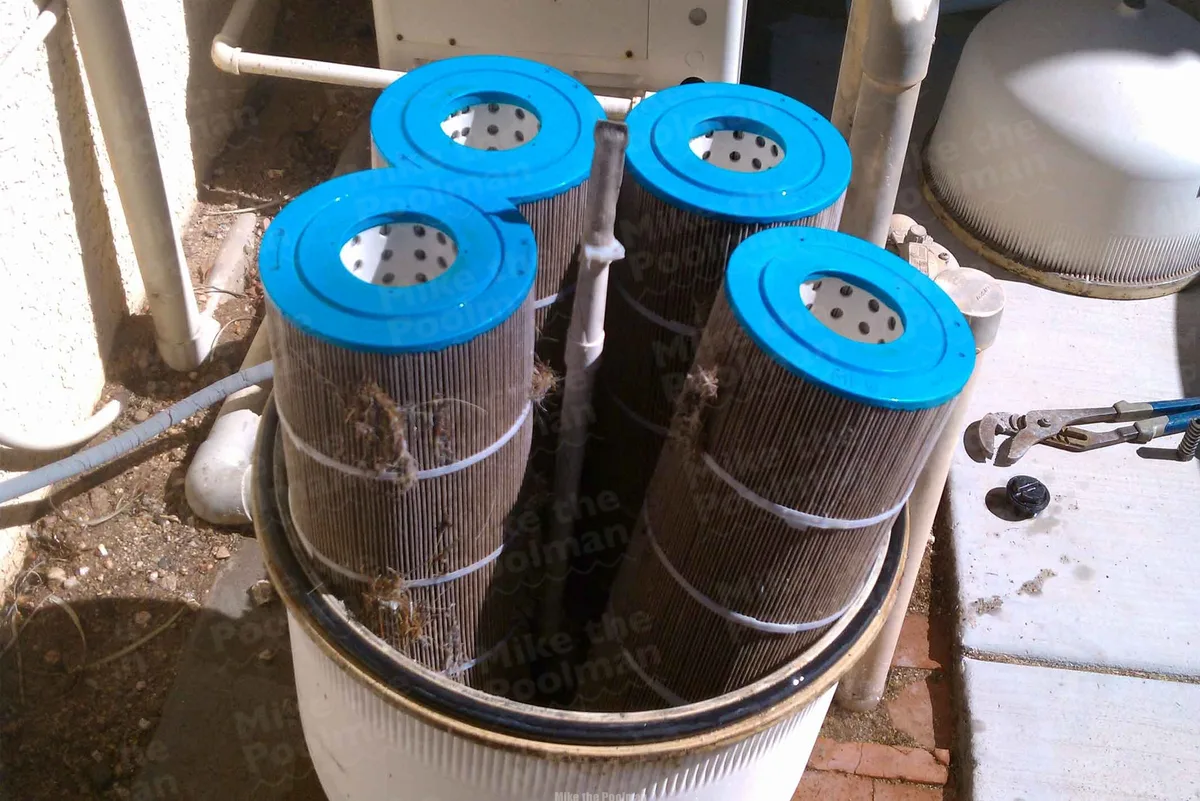
Image source: Web (Bing) / mikethepoolman.com (Web image (fair-use with source credit))
- For Sand Filters:
- Turn off the pool pump.
- Locate the multiport valve on your sand filter. Turn the handle to the "Backwash" setting. Ensure the handle locks into place.
- Turn on the pool pump. Water will be diverted to waste, flushing out debris from the sand bed.
- Observe the sight glass on the multiport valve. Continue backwashing until the water runs clear, typically 1-3 minutes.
- Turn off the pool pump. Turn the multiport valve handle to the "Rinse" setting.
- Turn the pump back on and run for about 30-60 seconds to rinse the sand bed and settle it.
- Turn off the pump. Turn the multiport valve back to the "Filter" setting.
- Turn the pump back on and check the pressure gauge.
Clearing Skimmer and Pump Baskets
If cleaning the filter doesn't lower the pressure, the obstruction might be before the filter. The skimmer basket and the pump's strainer basket are the first lines of defense against large debris.
- Skimmer Basket:
- Turn off the pool pump.
- Open the skimmer lid and remove the basket.
- Empty all collected leaves, twigs, insects, and other debris.
- Rinse the basket if needed and place it back in the skimmer.
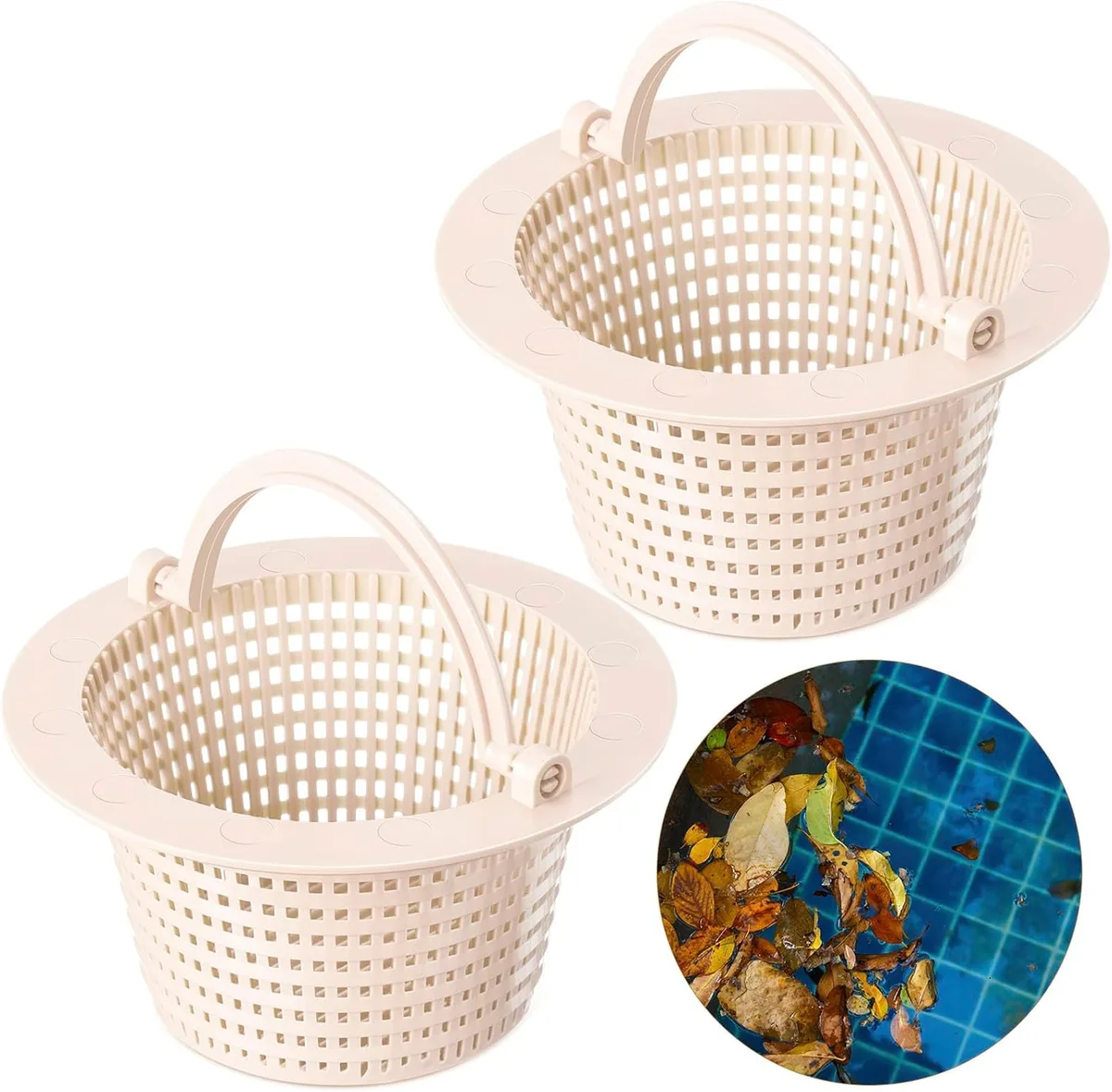
Image source: Web (Bing) / amazon.com (Web image (fair-use with source credit))
- Pump Strainer Basket:
- Locate the pump's strainer pot, usually a clear or opaque housing on top of the pump motor.
- Carefully unscrew or unlatch the lid.
- Remove the strainer basket.
- Empty out any debris found inside. Small items can still restrict flow.
- Check the gasket on the lid for damage.
- Replace the basket and securely fasten the lid. Ensure it's airtight.
- Turn the pump back on and check the pressure.
Inspecting for Plumbing Obstructions
Occasionally, a flexible hose might be kinked, or a rigid pipe could be partially blocked by something lodged within it. This restricts the volume of water that can pass through.
- What to Do: Visually inspect all visible plumbing lines connecting your skimmer to the pump, and the pump to the filter. Look for any obvious bends that are too sharp, making the hose collapse. Ensure there are no large debris items sitting directly in front of the skimmer inlet or the pump's intake. Sometimes, a small toy or an animal could get into the plumbing, especially in systems with flexible hoses.
Common Mistakes When Dealing with High Filter Pressure
Many pool owners, especially those new to maintenance, make a few common errors that can either not fix the problem or create new ones. Understanding these pitfalls saves you time and frustration.
- Not Knowing Your Baseline Pressure: Without a "clean" pressure reading, you're guessing if the current pressure is truly high or just normal for your system. Always establish this baseline after a filter cleaning.
- Aggressive Cleaning: For cartridge filters, using a high-pressure washer or harsh chemicals can damage the filter fabric. This makes it less effective and can lead to premature replacement. A standard garden hose and appropriate filter cleaner are usually sufficient.
- Ignoring the Pump Lid Seal: For pump strainer baskets, a poor seal on the lid after cleaning can cause air leaks. This affects pump performance and can lead to cavitation, which is more serious than just high pressure. Ensure the gasket is clean and properly seated.
- Skipping Visual Plumbing Checks: It's easy to assume the pipes are clear. However, a hidden kink or a lodged object is a quick fix if you remember to look for it.
- Not Letting the System Stabilize: After performing maintenance, give the pump a few minutes to run and the pressure to stabilize before taking a reading. Rushing this step can lead to misinterpretations of the pressure gauge.
When to Consider New Filter Media or Parts
Your filter media is the heart of your filtration system. When it's no longer effective, no amount of cleaning will fully restore performance.
For Cartridge Filters:
- Age: Cartridges typically last between 1 to 3 years, depending on usage and water conditions.
- Damage: Inspect for rips, tears, or collapsed pleats.
- Persistent High Pressure: If you clean the cartridge thoroughly and the pressure immediately jumps back to high levels, or if it remains higher than your baseline, the pores in the media are likely clogged permanently or the fabric has degraded.
- Difficult Cleaning: If it takes an unreasonable amount of time or effort to rinse debris out, it might be time for a replacement.
For Sand Filters:
- Age: Sand, when properly maintained, can last 3 to 5 years. Over time, the sand grains become rounded and coated with minerals and oils, reducing their filtering efficiency.
- Channeling: If you consistently experience high pressure or poor water clarity despite proper backwashing, the sand may have started "channeling." This forms hard pockets that allow water to bypass the filtration media.
- Replacement: When you replace the sand, use the correct type and grain size recommended by the filter manufacturer. This is a labor-intensive task but crucial for maintaining optimal filtration.
If your filter pressure remains high even after cleaning or backwashing and inspecting all baskets and plumbing, it's a strong indicator that the filter media itself is the issue. Replacing it is usually the most effective solution.
Expert Tips for Maintaining Optimal Filter Pressure
Keeping your above ground pool filter pressure within the optimal range is key to a healthy pool. Here are a few pro tips to help you stay ahead of issues.
- Regular Visual Checks: Make it a habit to glance at your pressure gauge daily. A sudden spike or a slow, steady climb can alert you to an impending problem.
- Frequent Skimmer and Pump Basket Cleaning: Dedicate 5 minutes every few days to emptying these baskets. This simple action prevents larger debris from reaching and clogging your filter.
- Use a Filter Cleaner: For cartridge filters, periodically using a specialized filter cleaning solution can dissolve oils and organic matter that regular rinsing might miss. This extends the cartridge's life.
- Maintain Proper Water Chemistry: Balanced pool water (pH, alkalinity, sanitizer levels) reduces the strain on your filter. Poorly balanced water can lead to cloudiness and increased debris that your filter has to capture.
- Seasonal Filter Maintenance: Before and after the swimming season, give your filter a thorough cleaning or backwash. For sand filters, consider replacing the sand every 3-5 years as recommended by manufacturers.
FAQs About High Pool Filter Pressure
What PSI is too high for an above ground pool filter?
A reading that is 8-10 PSI higher than your filter's normal clean operating pressure is considered too high and indicates the need for cleaning.
How often should I clean my above ground pool filter?
This varies, but generally, you should clean or backwash your filter when the pressure gauge reads 8-10 PSI above its baseline. This could be weekly, bi-weekly, or monthly, depending on pool usage and debris.
Can I run my pool without a filter if the pressure is high?
No, running a pool pump without a functioning filter can damage the pump and will not keep the water clean, leading to significant problems like algae blooms and cloudy water.
How do I know if my filter sand needs replacing?
If you consistently have high pressure issues even after backwashing, or if the water clarity suffers despite regular maintenance, it might be time to replace the sand, typically every 3-5 years.
What happens if I ignore high filter pressure?
Ignoring high filter pressure can lead to reduced water circulation, poor filtration, chemical imbalances, and can put excessive strain on your pool pump, potentially causing premature wear or failure.

