

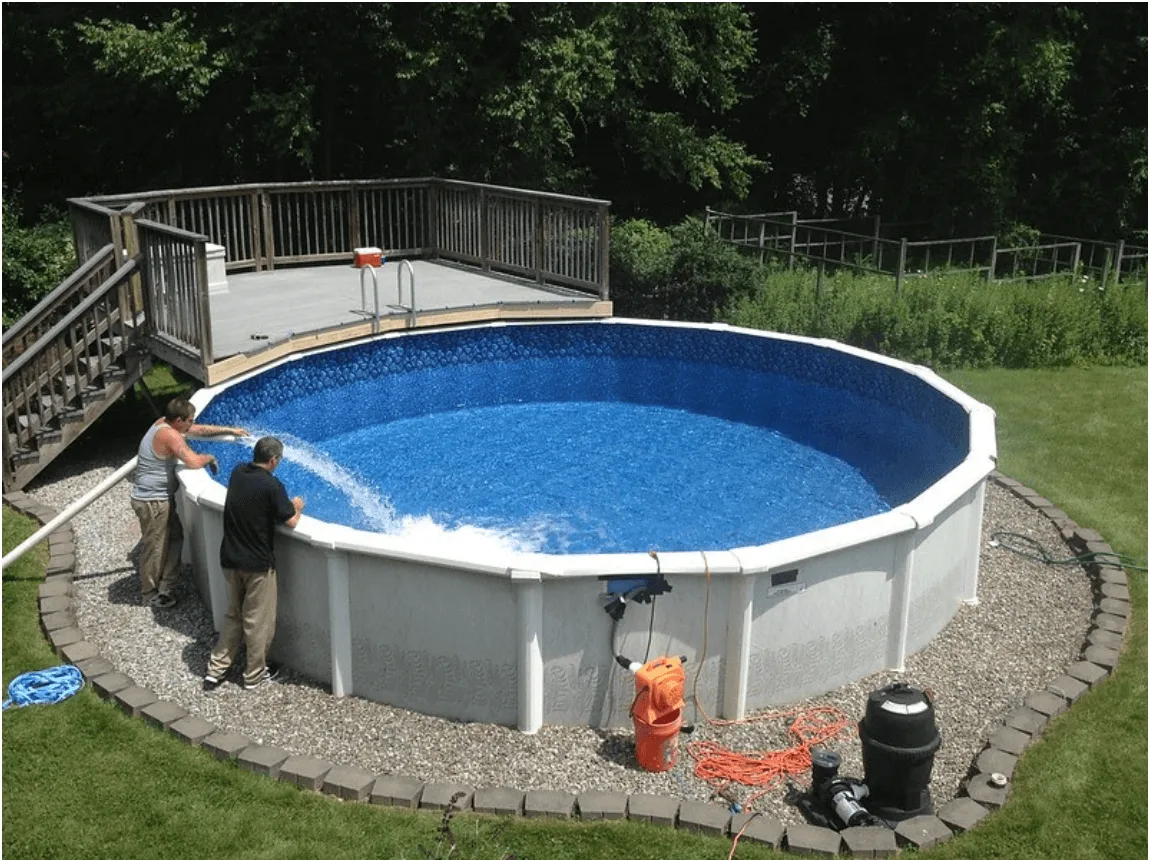
Thinking about an above-ground pool is exciting, but you've got a practical question: "Do above ground pools need a filter?" The straightforward answer is yes, for most practical purposes, a filter is essential for keeping your pool water clean and safe. While there are theoretical exceptions for very specific, short-term uses, skipping a filter leads to significant downsides.
Our research indicates that pool filtration systems are designed to remove contaminants, much like the body's own systems. For instance, according to EPA guidelines on recreational water safety, maintaining proper water clarity is crucial for ensuring sanitizers can effectively disinfect the water, which is a core function of a filtration setup. This clear water is key to preventing health risks.
Quick Answer
Yes, above ground pools absolutely need a filter. A filter is vital for removing debris and keeping water clear. Skipping a filter leads to murky water and poor sanitizer performance.
For safe, enjoyable swimming, filtration is a must.
The Big Picture: Why Filters Matter for Your Pool
A pool filter is more than just an accessory; it's the hardworking engine that keeps your swimming environment healthy and inviting. Without one, your pool can quickly turn from a relaxing oasis into a murky, uninviting body of water. That's not just an aesthetic issue; it has real implications for the safety and usability of your pool.
The primary job of a pool filter is to catch physical particles suspended in the water. Think about all the things that can end up in your pool: leaves, grass clippings, dust, bugs, and even tiny bits of sunscreen or body oils. These contaminants don't just make the water look unpleasant; they can also harbor bacteria and algae.
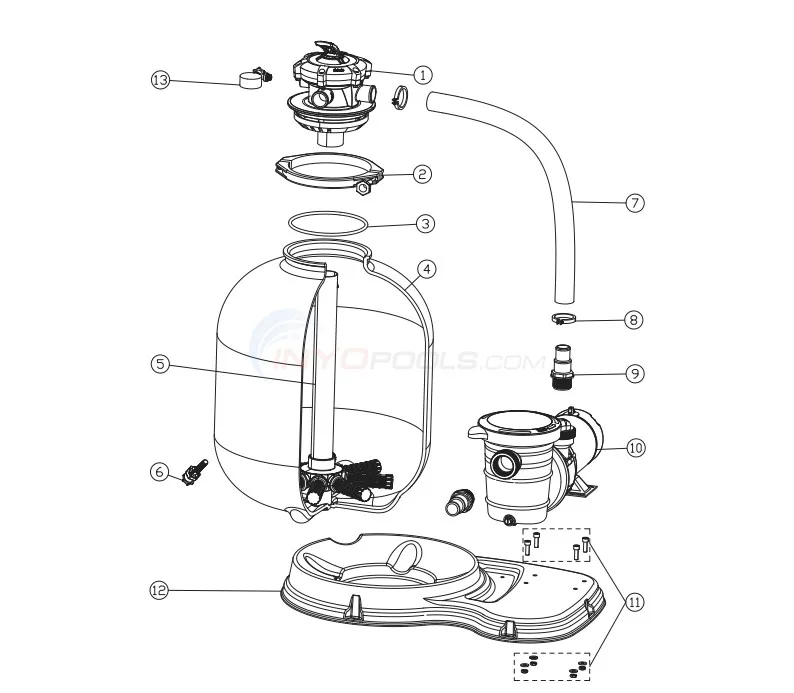
Here's a breakdown of what a filter actively does for your pool:
- Removes Debris: It physically traps and removes solid particles, preventing them from settling at the bottom or floating on the surface.
- Enhances Sanitizer Effectiveness: By removing debris, filters allow sanitizers like chlorine to work more efficiently. Without a filter, sanitizers get used up fighting particles, leaving less power to kill harmful microorganisms.
- Improves Water Clarity: Clear water is a sign of a well-maintained pool. Filters are the main tool for achieving that sparkling, transparent look.
- Prevents Algae and Bacteria Growth: Trapping organic matter and allowing sanitizers to do their job helps prevent the conditions where algae and bacteria thrive.
Ultimately, a filter is your first line of defense against a host of common pool problems.
Can You Really Skip a Pool Filter? Scenarios to Consider
While our research strongly points to filters being essential, it's worth exploring the edge cases where someone might consider not using one. These are very specific scenarios, and each comes with significant drawbacks that often outweigh any perceived benefit. Understanding these limitations is key to making the right decision for your pool.
The Tiny Splash Pool Exception
If you're talking about those really small, shallow kiddie pools, the kind you might fill up for a few hours on a hot day and then drain completely, then a filter isn't typically necessary. These pools are essentially treated like a large, temporary basin. You're usually filling them with fresh water each time and emptying them immediately after use.
However, even with these small pools, if they're left out for more than a day or used repeatedly without draining and refilling, they can become breeding grounds for bacteria. Sanitizing the water even for a few hours of use is a good practice. But for a true "fill-and-drain-daily" setup, the constant water change effectively acts as its own form of "cleaning."
The "Chemicals Will Fix It" Myth
Some might think they can compensate for a lack of a filter by simply adding more chemicals. This is a common misconception and, frankly, a flawed approach. While chemicals are crucial for sanitization, they primarily kill living organisms like bacteria and algae.
They don't remove physical debris like leaves, dirt, or insects from the water.
Relying solely on chemicals without filtration means you'll constantly battle cloudy water and floating gunk. You'd also end up using significantly more chemicals than necessary, which can be costly and irritating to swimmers' skin and eyes. Manufacturer specifications for pool chemicals always assume a functioning filtration system is in place to distribute and aid the sanitizer.
The Very Small, Rarely Used Pool Dilemma
Consider a small, perhaps 8-foot round above-ground pool that sees only very infrequent use, maybe once a week for a couple of hours. In theory, one could attempt to manage this without a filter. However, the level of diligent manual effort required would be immense.
You'd need to be prepared to:
- Manually skim the surface multiple times a day to remove any floating debris.
- Vacuum the pool floor after every single use to pick up settled dirt.
- Perform a shock treatment, or a heavy dose of sanitizer, after each time the pool is used or at least every couple of days.
- Test and meticulously balance the water chemistry daily.
Even with this extreme effort, achieving consistently clear and safe water would be a challenge. The effort involved often negates any perceived savings or convenience of skipping a filter.
Understanding Pool Filter Types: Cartridge, Sand, and DE
If you've decided that a filter is indeed necessary for your above-ground pool, which, for most users, is the case, you'll encounter three main types of filtration systems. Each works differently to clean your water, and each has its own set of pros and cons regarding maintenance, cost, and filtration fineness.
Cartridge Filters
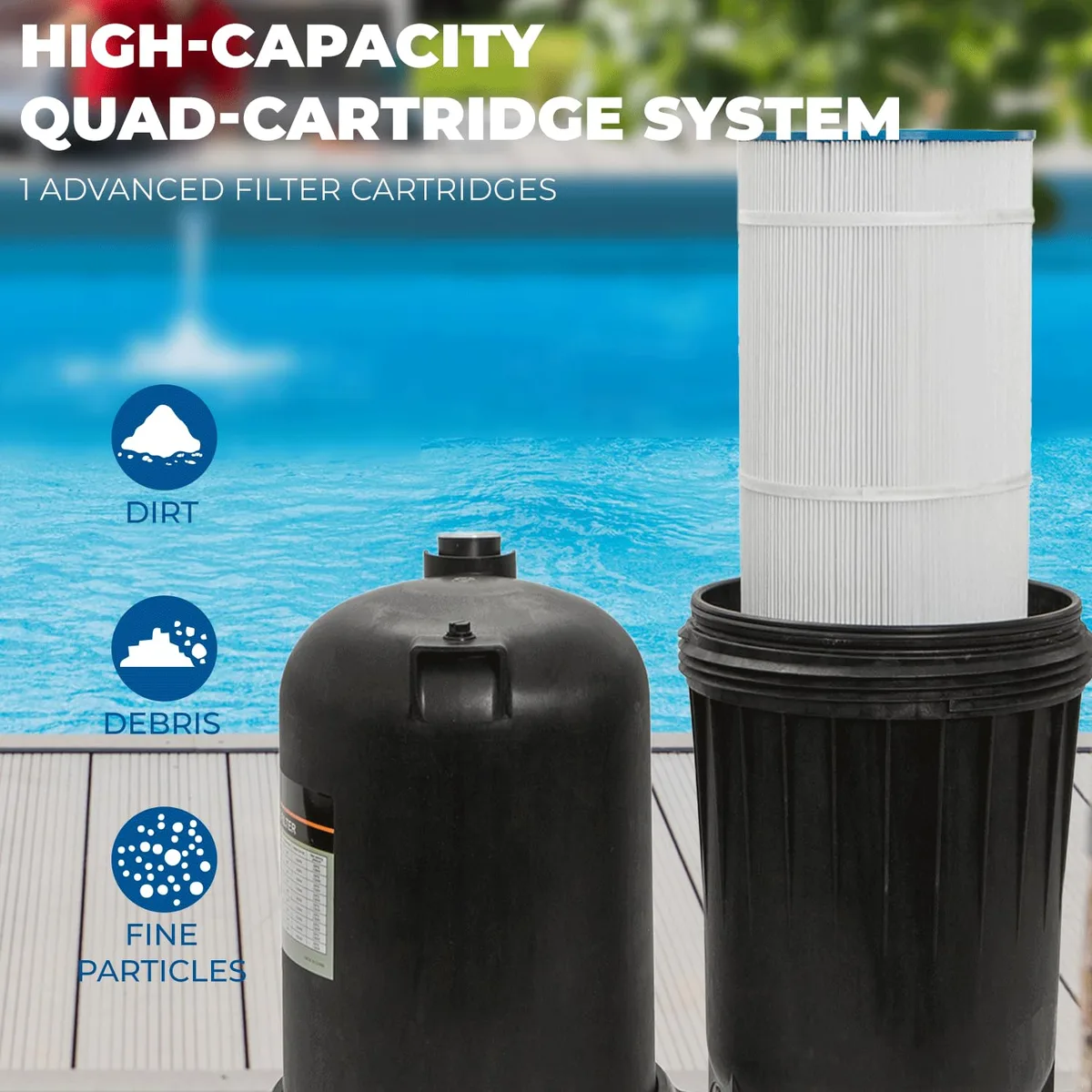
These are often the easiest to use and maintain, making them popular for smaller to medium-sized pools. A cartridge filter uses a pleated, cylindrical filter element, typically made of polyester, to trap debris.
- How they work: Water is pushed through the pleats of the cartridge, leaving dirt and particles behind.
- Maintenance: When the filter gets dirty and reduces water flow, you simply remove the cartridge and rinse it off with a hose. Eventually, the cartridge will wear out and need replacing, usually once a year or two, depending on use.
- Filtration level: They generally offer good filtration, capturing particles down to around 10-20 microns.
Sand Filters
Sand filters are a very common and robust option, known for their durability and relatively low maintenance. They use a tank filled with special filter sand (or sometimes glass beads) to trap contaminants.
- How they work: Water is pumped through the sand bed. The sand grains trap particles as the water passes through.
- Maintenance: The primary maintenance task is "backwashing." This involves reversing the water flow through the sand to flush out the trapped debris and send it to waste. This needs to be done periodically when water flow decreases. The sand itself typically needs replacing every 3-5 years.
- Filtration level: Sand filters capture particles down to about 20-40 microns.
Diatomaceous Earth (DE) Filters
For the absolute clearest water, DE filters are often considered the top choice. They use a fine powder called diatomaceous earth, which is made from fossilized diatoms, to create a very fine filtering medium.
- How they work: Water flows through grids coated with DE powder. The DE forms a microscopic layer that traps even the smallest particles.
- Maintenance: Like sand filters, DE filters require backwashing to clean the grids. After backwashing, you need to add fresh DE powder to the system. The grids themselves will eventually need to be cleaned or replaced.
- Filtration level: These filters offer the finest filtration, capable of capturing particles as small as 2-5 microns, leading to exceptionally clear water.
The Real Cost of Going Filter-Free: Problems to Expect
Choosing to skip a pool filter, even for a smaller above-ground pool, is a decision that comes with a hefty price tag in terms of time, effort, and potential headaches. While you might save on the initial equipment cost, the long-term consequences can make the pool experience far less enjoyable and, in some cases, even unsafe. Our research into pool maintenance practices consistently highlights the foundational role of filtration.
Here are the major problems you're likely to face without a filter:
- Rapid Water Contamination: Without a filter, debris like leaves, dirt, and bugs will accumulate quickly. This organic matter not only makes the water unsightly but also consumes your sanitizing chemicals, rendering them less effective against harmful bacteria and algae.
- Cloudy and Murky Water: The most obvious issue will be poor water clarity. Your pool will likely appear cloudy or even swamp-like, making it unappealing and difficult to see the bottom, which is a safety concern for swimmers. This is a direct result of suspended particles not being removed.
- Algae Blooms: Organic debris and depleted sanitizer levels create the perfect breeding ground for algae. You'll find yourself fighting stubborn green or black algae, which requires aggressive chemical treatments and manual scrubbing to remove.
- Increased Chemical Usage and Cost: To try and keep the water somewhat clean, you'll be tempted to add more chemicals. However, without a filter to distribute and aid the sanitizer, these chemicals will be used up fighting debris instead of sanitizing. This leads to higher chemical bills and can cause skin and eye irritation.
- Constant Manual Labor: Forget relaxing by the pool. Without a filter, you'll be spending hours manually skimming, vacuuming, and scrubbing. This is a demanding and time-consuming chore that can quickly turn pool ownership into a burden.
- Potential Health Risks: Unfiltered, poorly sanitized water can harbor bacteria and other pathogens. Swimming in such water can lead to skin infections, ear infections, and other gastrointestinal illnesses, especially for children. The EPA recommends maintaining water clarity to ensure sanitizers can do their job effectively, a task a filter greatly facilitates.
Essential Pool Filter Maintenance: Keeping It Working Right
Once you've invested in a pool filter system, and we strongly recommend you do, proper maintenance is key to ensuring it performs efficiently and lasts for a long time. Neglecting this can lead to poor water quality, increased energy use, and premature equipment failure. The specific maintenance will vary depending on the type of filter you choose, but a few general principles apply to all.
Regular maintenance ensures your filter can effectively perform its primary job: circulating and cleaning the water. This not only keeps your pool looking great but also helps your other pool equipment, like the pump, run more smoothly by reducing strain. Manufacturer specifications for most pool pumps, for example, indicate optimal performance when water flow is not excessively restricted.
General Maintenance Practices:
- Monitor Water Flow: Keep an eye on your pool's water flow, typically indicated by the pressure gauge on the filter. An increase in pressure (usually 8-10 PSI above the clean operating pressure) signals that the filter is clogged and needs cleaning.
- Regular Skimming and Vacuuming: While the filter catches most things, regular manual skimming of the surface and vacuuming of the floor will remove larger debris before it even reaches the filter, extending its life and efficiency.
- Check for Leaks: Periodically inspect your filter tank, pump, and all plumbing connections for any signs of leaks. Even small leaks can lead to water loss and potentially damage the filter system over time.
Type-Specific Maintenance:
Cartridge Filters:
- Rinsing: Remove the cartridge when the pressure gauge indicates it's dirty, typically when it's 8-10 PSI higher than its clean reading. Rinse it thoroughly with a garden hose, paying attention to the pleats.
- Deep Cleaning: For tougher grime, you might need to use a specialized cartridge cleaner solution.
- Replacement: Cartridges usually last 1-3 swimming seasons, depending on use and maintenance.
Sand Filters:
- Backwashing: When pressure rises, switch the multiport valve to "backwash" to send dirty water out to waste. Run until the sight glass shows clear water, then return the valve to "filter."
- Rinsing: After backwashing, always rinse the sand by setting the valve to "rinse" for about 30 seconds before returning to "filter."
- Sand Replacement: The filter sand itself typically needs to be replaced every 3-5 years as it becomes less effective.
Diatomaceous Earth (DE) Filters:
- Backwashing: Similar to sand filters, backwash when pressure rises.
- Recharging with DE: After backwashing, you must add the correct amount of DE powder to the skimmer according to the filter manufacturer's instructions. This recoats the grids.
- Grid Cleaning: Periodically (usually annually), you'll need to disassemble the filter and hose down the grids to remove stubborn DE buildup.
Proper maintenance ensures your filter works as intended, providing clean water and reducing the likelihood of costly repairs or replacements.
Your Pool Filter Decision Guide: Making the Right Choice
Deciding whether your above-ground pool needs a filter really comes down to how you want to use and maintain it. If you're aiming for a clean, safe, and enjoyable swimming experience with reasonable effort, a filter is a non-negotiable component. Skipping this essential piece of equipment is generally only feasible for very small, temporary pools that are drained and refilled daily.
For almost everyone else, the choice is clear: invest in a filter. Think about the types of filters available, as discussed earlier. Cartridge filters are user-friendly for smaller setups, while sand and DE filters offer robust performance for larger pools or those seeking maximum clarity.
Your choice will depend on your pool's size, your budget, and how much hands-on maintenance you're willing to commit to.
If You're Prioritizing Ease of Use and Smaller Pools: Choose a Cartridge Filter
Cartridge filters are fantastic if you have a smaller to medium-sized above-ground pool and prefer straightforward maintenance. You simply pull out the filter cartridge, rinse it off with a hose, and put it back. This process is usually straightforward and doesn't require any complex valve settings.
If You Want Low Maintenance and Durability: Choose a Sand Filter
Sand filters are workhorses. They require less frequent intervention than cartridge filters, primarily needing backwashing when the pressure gauge indicates they're clogged. The sand itself lasts for several years before needing replacement, making them a very "set it and forget it" type of system for the most part.
If You Demand Crystal-Clear Water: Choose a DE Filter
For the ultimate in water clarity, DE filters are the way to go. They remove the smallest particles, resulting in water that looks exceptionally clean. However, this superior filtration comes with a slightly more involved maintenance routine, including adding DE powder after backwashing and periodic deeper cleaning of the grids.
Frequently Asked Questions About Pool Filters
Do small kiddie pools need a filter?
No, typically not for short-term use. If you're filling a small kiddie pool for a few hours and draining it afterwards, a filter isn't necessary. However, if it's left out for days, bacteria can grow, and sanitizing it becomes important, though still not requiring a filter.
Can I use a pool without a pump if I have a filter?
No, a pool pump is essential for circulating water through the filter. The filter relies on the pump to push water through its media (sand, cartridge, or DE). Without a pump, the filter simply won't function, and the water won't be cleaned.
How often should I replace pool filter sand?
You should replace the filter sand in a sand filter system approximately every 3 to 5 years. Over time, the sand grains become worn down and less effective at trapping debris, even after backwashing. Inspect the sand for signs of breaking down or becoming matted.
Is it safe to swim in a pool without a filter?
It is generally not recommended to swim in a pool without a filter, especially if it's used regularly. Unfiltered water can quickly become contaminated with bacteria, algae, and debris, posing health risks such as skin infections and gastrointestinal illnesses. Maintaining clear, properly sanitized water is crucial for safety.

