

Thinking about adding an above-ground pool to your backyard? It's a fantastic way to get that summer splash without the massive commitment of an in-ground installation. But the big question remains: what size above ground pool should I get?
Getting this wrong means either a cramped, unusable space or a pool that overwhelms your yard and your budget.
We've dug into the details to help you figure out the perfect fit. Our research confirms that beyond just the number of people who'll use it, factors like yard dimensions and local regulations play a huge role. Understanding these variables is key to finding a pool that brings joy, not headaches.
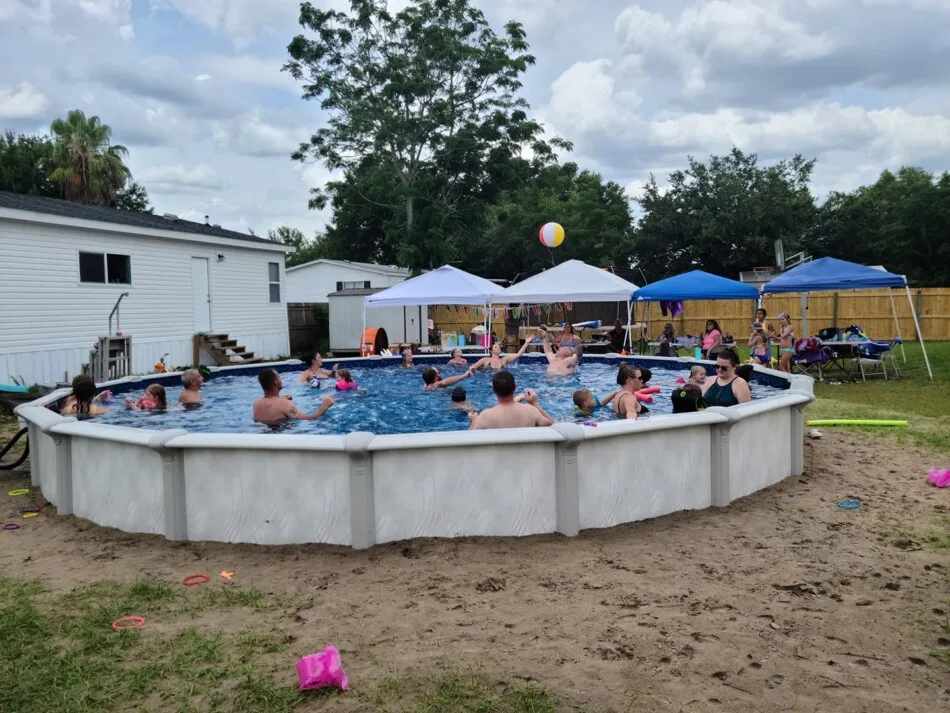
Image source: Bing (Web (fair-use with source credit))
Quick Answer
The best above ground pool size depends on your yard space, how many people will swim, and how you plan to use it. For small yards and young children, 12-15 feet round is often ideal. Families and small gatherings usually do well with 18-24 feet round or oval pools.
Always measure your available space carefully, allowing at least 3-5 feet around the pool for access and equipment.
The Big Question: How Much Space Do You Really Have?
Figuring out how much room you actually have is the absolute first step. It sounds simple, but many people underestimate the total footprint an above-ground pool requires. It’s not just about the diameter or length of the pool itself; you need to account for all the surrounding space needed for safe access, equipment, and just general movement.
Measuring Your Yard for Pool Placement
This is where you grab your measuring tape and get practical. Start by identifying the flattest, most level area in your yard. Above-ground pools absolutely need a level surface for stability and to prevent stress on the structure.
You’ll want to measure the available diameter for a round pool or the length and width for an oval or rectangular one. Remember, it's always better to have a little extra space than not enough.
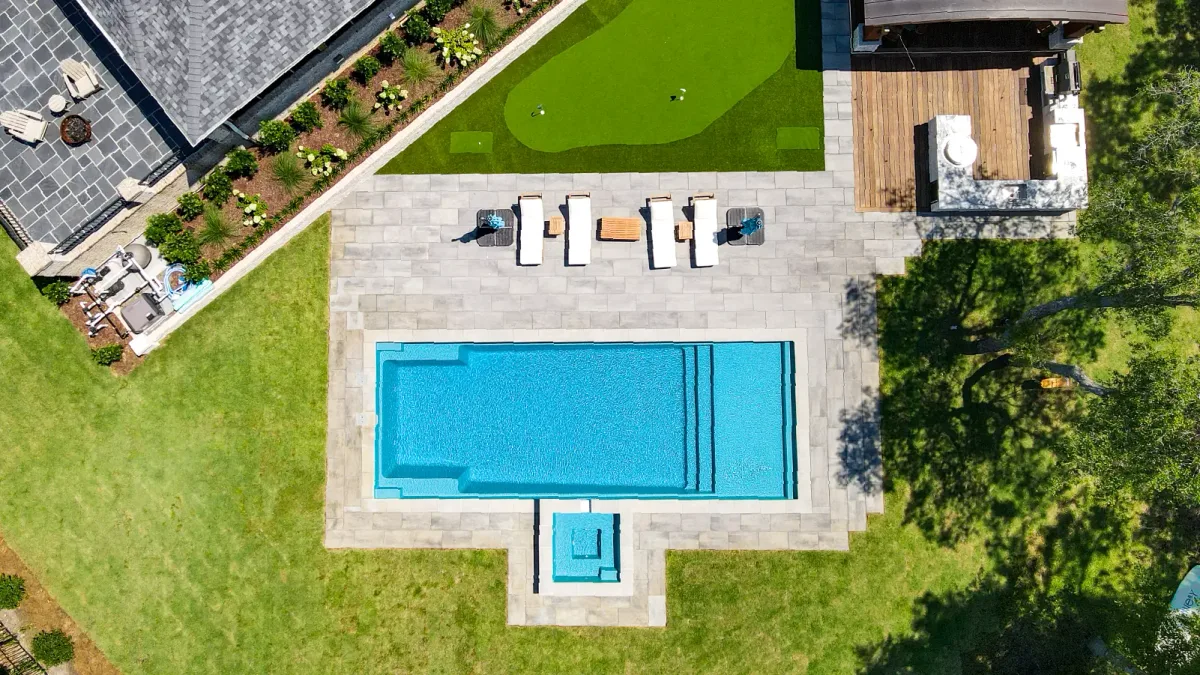
Image source: Bing (Web (fair-use with source credit))
Understanding "Clear Space" Needs (Decking, Skirting, Equipment)
Manufacturer specifications for most residential above-ground pools, as outlined by organizations like the Association of Pool & Spa Professionals (APSP) now ANSI/APSP standards, recommend a minimum clearance of 3 to 5 feet around the entire perimeter. This isn't just a suggestion; it's crucial for safe entry and exit, for setting up a pool deck or ladder, and for the operation and maintenance of your pump and filter system. If you plan on building a deck, you'll need even more space, potentially adding several feet to your total required area.
Don't forget space for steps, a handrail, or even a small seating area.
Who's Diving In? Gauging Pool Occupancy and Use
Once you know the physical limitations of your yard, it's time to think about who will be using the pool and how. This significantly impacts the size and depth you should consider. A pool designed for toddlers to splash in will be very different from one intended for teenagers to play games in, or for adults to cool off and float.
Family Fun vs. Adult Relaxation: Matching Pool Size to Swimmers
If your main goal is family fun, especially with younger children, a smaller to mid-size pool might be perfect. These pools offer enough space for kids to play safely without feeling overwhelming. For households with more swimmers, or if you frequently entertain guests, you'll likely need a larger diameter or length to comfortably accommodate everyone.
Our research into aggregate buyer feedback indicates that families with 3-4 children often find 18-foot round pools a good starting point for active play.
Kid-Friendly Depths vs. More Serious Swimming Strokes
Above-ground pool depths typically range from 30 inches to 52 inches. A 30-inch depth is generally considered safe and suitable for very young children, allowing them to stand up easily. For older children and adults who want to do more than just wade, a 48-inch or 52-inch depth is preferable.
This deeper water allows for more vigorous activity and a more satisfying swim. However, remember that deeper pools hold more water, increasing the cost to fill and maintain.
Round, Oval, or Rectangular: Shape Matters for Space and Use
The shape of your above-ground pool isn't just an aesthetic choice; it has practical implications for how you use your space and how the pool fits into your yard. Each shape has its own set of advantages and disadvantages depending on your specific needs and yard layout.
Round Pools: Pros, Cons, and Best Fit Scenarios
Round pools are generally the most common and often the most cost-effective choice for above-ground pools. Their uniform shape makes them easy to circulate water in, and they offer good space efficiency for their diameter. They’re excellent for promoting social interaction because everyone can face each other.
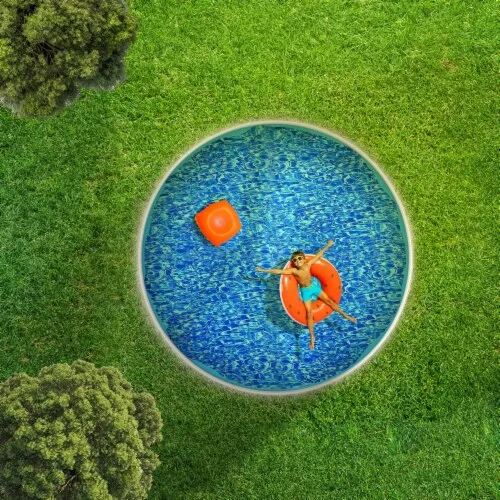
Image source: Bing (Web (fair-use with source credit))
- Pros:
- Easy water circulation.
- Often easier to assemble than other shapes.
- Good for social gatherings.
- Generally more budget-friendly for their capacity.
- Cons:
- Can be less efficient in narrow yards.
- Might not offer a true "lap" swimming experience.
- Best Fit: Backyards with ample open space, families, and those prioritizing ease of setup and social gathering.
Oval Pools: Maximizing Length in Narrower Spaces
Oval pools offer a great compromise for yards that are longer than they are wide. Their increased length allows for a more satisfying swim than a round pool of comparable width. This shape can also feel more integrated into a landscaped backyard.
- Pros:
- Offers a better swimming length for exercise.
- Fits well in rectangular or narrower yard spaces.
- Can create a more distinct "pool area."
- Cons:
- Can be more challenging to assemble due to the longer frame.
- Water circulation can be slightly less uniform than round pools.
- Typically more expensive than round pools of similar capacity.
- Best Fit: Yards with limited width but good length, individuals or families looking for some basic swimming exercise.
Rectangular Pools: Play Area Potential vs. Footprint
Rectangular above-ground pools are less common than round or oval styles, often found in larger sizes. They offer the most potential for actual swimming laps or for games like water volleyball. However, they usually demand a significant amount of yard space and can be considerably more expensive.
- Pros:
- Best for lap swimming and water sports.
- Provides a more formal pool appearance.
- Cons:
- Require the most yard space.
- Typically the most expensive option.
- Assembly can be complex and time-consuming.
- Best Fit: Large backyards, serious swimmers who want a pool for exercise, and those with a significant budget.
Common Pool Size Mistakes to Sidestep
Even with the best intentions, choosing the wrong pool size is a frequent misstep. Many people get caught up in the excitement of having a pool and overlook crucial practicalities that can lead to disappointment or even safety issues down the line.
Why "Bigger is Always Better" Isn't True Here
While it might seem intuitive to go as large as possible, this isn't always the best approach for an above-ground pool. A pool that’s too large for your yard can make the space feel cramped and uninviting. It can also lead to higher costs for water, chemicals, and electricity to run the pump and filter system.
For instance, a 27-foot round pool requires roughly 5,000 square feet of clear, level ground for proper installation and clearance.
Overlooking Equipment Space and Access Paths
This is a big one that gets missed a lot. You need space not just for the pool itself, but also for the pump, filter, and any accessories like a ladder or heater. These components need clear airflow and easy access for maintenance.
You also need a clear path to get to and from the pool, especially if you're planning to add a deck or landscaping around it. Manufacturer guidelines, like those found on many leading pool vendor sites, often specify a 3-5 foot perimeter clearance for essential maintenance and safety.
Pool Size vs. Budget: What to Expect
The size of an above-ground pool directly correlates with its cost, from the initial purchase price to the ongoing expenses of water and chemicals. Understanding these cost implications can help you set a realistic budget and make a more informed decision. As of 2026, pricing for above-ground pools continues to be influenced by material quality, brand, and included accessories, but size remains the primary driver.
Typical Diameters and Depths for Common Sizes
Pool sizes are usually stated by diameter for round pools and length for oval/rectangular ones. Depth is a separate but equally important consideration for cost and use.
- Small Pools:
- Diameter: 10ft, 15ft (Round)
- Depth: 30 inches, 48 inches
- Good for: Small yards, toddlers, basic cooling off.
- Medium Pools:
- Diameter: 18ft, 24ft (Round); 12ft x 24ft (Oval)
- Depth: 48 inches, 52 inches
- Good for: Families, small gatherings, some light swimming.
- Large Pools:
- Diameter: 27ft+ (Round); 15ft x 30ft+ (Oval)
- Depth: 52 inches
- Good for: Large yards, frequent entertaining, more active swimming.
Rough Pricing Tiers for Different Pool Dimensions
While exact prices fluctuate, you can expect a general cost progression:
- 10-15 ft Round Pools: Typically range from $300, $800, often including a basic pump and filter.
- 18-24 ft Round Pools: Can cost between $700, $1,500, usually with better filtration systems.
- 27 ft+ Round or Larger Oval Pools: Expect prices from $1,200, $3,000+, sometimes significantly more for premium brands or larger oval/rectangular models.
These figures generally cover the pool structure and basic filtration. Additional costs for ladders, covers, maintenance kits, and chemicals should also be factored in. For official specs and detailed pricing, always refer to reputable pool manufacturer websites.
Quick Guide: Matching Pool Size to Your Needs
Let's break down pool sizes based on common scenarios. This is where we connect your yard space, your family size, and your intended use to a practical pool recommendation. Think of this as a decision tree to help narrow down the options.
Small Yards & Little Dippers (Under 15ft Round)
If your backyard is on the cozy side, or if your primary users are very young children, a smaller pool is your best bet.
- Pool Size: 10ft to 15ft round pools.
- Depth: 30 inches or 48 inches.
- Why it works: These pools have a small footprint, making them easy to fit into tighter spaces. The shallower depth is ideal for toddlers and younger kids to safely splash and play. They also require less water and fewer chemicals to maintain.
- Consider if: You have less than 500 sq ft of clear, level space, or if safety for very young swimmers is the top priority.
Mid-Size Fun (18ft – 24ft Round/Oval)
This is the sweet spot for many families and individuals who want a good balance of swimming space and yard usability.
- Pool Size: 18ft to 24ft round pools, or oval pools around 12ft x 24ft.
- Depth: 48 inches or 52 inches.
- Why it works: These sizes offer a good amount of swimming area for multiple people. You can enjoy a bit of floating, light paddling, or even some basic games. The 52-inch depth is deep enough for most adults to get a decent swim. They require a moderate amount of yard space, typically needing a clear area of at least 600-800 sq ft.
- Consider if: You have a medium-sized yard, a family with a mix of ages, or you like to host small get-togethers where a few people want to cool off.
Large Backyard Loungers (27ft+ Round/Oval or Larger Rectangular)
If you have a spacious backyard and a desire for a more substantial swimming experience, these larger pools are an option.
- Pool Size: 27ft+ round pools, oval pools 15ft x 30ft or larger, or even dedicated rectangular pools.
- Depth: 52 inches is standard.
- Why it works: These pools offer the most room for swimming laps, playing water sports, or hosting larger groups. They create a more significant backyard feature. However, they demand considerable yard space (often 1000+ sq ft clear area) and come with higher costs for water, chemicals, and energy to run the filtration system.
- Consider if: You have a large yard (half an acre or more), prioritize swimming exercise or extensive entertaining, and have a larger budget for both initial purchase and ongoing maintenance.
Common Pool Size Mistakes to Sidestep
Even with the best intentions, choosing the wrong pool size is a frequent misstep. Many people get caught up in the excitement of having a pool and overlook crucial practicalities that can lead to disappointment or even safety issues down the line.
Why "Bigger is Always Better" Isn't True Here
While it might seem intuitive to go as large as possible, this isn't always the best approach for an above-ground pool. A pool that’s too large for your yard can make the space feel cramped and uninviting. It can also lead to higher costs for water, chemicals, and electricity to run the pump and filter system.
For instance, a 27-foot round pool requires roughly 5,000 square feet of clear, level ground for proper installation and clearance, according to industry recommendations.
Overlooking Equipment Space and Access Paths
This is a big one that gets missed a lot. You need space not just for the pool itself, but also for the pump, filter, and any accessories like a ladder or heater. These components need clear airflow and easy access for maintenance.
You also need a clear path to get to and from the pool, especially if you're planning to add a deck or landscaping around it. Manufacturer guidelines often specify a 3-5 foot perimeter clearance for essential maintenance and safety.
Pool Size vs. Budget: What to Expect
The size of an above-ground pool directly correlates with its cost, from the initial purchase price to the ongoing expenses of water and chemicals. Understanding these cost implications can help you set a realistic budget and make a more informed decision. As of 2026, pricing for above-ground pools continues to be influenced by material quality, brand, and included accessories, but size remains the primary driver.
Typical Diameters and Depths for Common Sizes
Pool sizes are usually stated by diameter for round pools and length for oval/rectangular ones. Depth is a separate but equally important consideration for cost and use.
- Small Pools:
- Diameter: 10ft, 15ft (Round)
- Depth: 30 inches, 48 inches
- Good for: Small yards, toddlers, basic cooling off.
- Medium Pools:
- Diameter: 18ft, 24ft (Round); 12ft x 24ft (Oval)
- Depth: 48 inches, 52 inches
- Good for: Families, small gatherings, some light swimming.
- Large Pools:
- Diameter: 27ft+ (Round); 15ft x 30ft+ (Oval)
- Depth: 52 inches
- Good for: Large yards, frequent entertaining, more active swimming.
Rough Pricing Tiers for Different Pool Dimensions
While exact prices fluctuate, you can expect a general cost progression:
- 10-15 ft Round Pools: Typically range from $300, $800, often including a basic pump and filter.
- 18-24 ft Round Pools: Can cost between $700, $1,500, usually with better filtration systems.
- 27 ft+ Round or Larger Oval Pools: Expect prices from $1,200, $3,000+, sometimes significantly more for premium brands or larger oval/rectangular models.
These figures generally cover the pool structure and basic filtration. Additional costs for ladders, covers, maintenance kits, and chemicals should also be factored in. For official specs and detailed pricing, always refer to reputable pool manufacturer websites.
Quick Guide: Matching Pool Size to Your Needs
Let's break down pool sizes based on common scenarios. This is where we connect your yard space, your family size, and your intended use to a practical pool recommendation. Think of this as a decision tree to help narrow down the options.
Small Yards & Little Dippers (Under 15ft Round)
If your backyard is on the cozy side, or if your primary users are very young children, a smaller pool is your best bet.
- Pool Size: 10ft to 15ft round pools.
- Depth: 30 inches or 48 inches.
- Why it works: These pools have a small footprint, making them easy to fit into tighter spaces. The shallower depth is ideal for toddlers and younger kids to safely splash and play. They also require less water and fewer chemicals to maintain.
- Consider if: You have less than 500 sq ft of clear, level space, or if safety for very young swimmers is the top priority.
Mid-Size Fun (18ft – 24ft Round/Oval)
This is the sweet spot for many families and individuals who want a good balance of swimming space and yard usability.
- Pool Size: 18ft to 24ft round pools, or oval pools around 12ft x 24ft.
- Depth: 48 inches or 52 inches.
- Why it works: These sizes offer a good amount of swimming area for multiple people. You can enjoy a bit of floating, light paddling, or even some basic games. The 52-inch depth is deep enough for most adults to get a decent swim. They require a moderate amount of yard space, typically needing a clear area of at least 600-800 sq ft.
- Consider if: You have a medium-sized yard, a family with a mix of ages, or you like to host small get-togethers where a few people want to cool off.
Large Backyard Loungers (27ft+ Round/Oval or Larger Rectangular)
If you have a spacious backyard and a desire for a more substantial swimming experience, these larger pools are an option.
- Pool Size: 27ft+ round pools, oval pools 15ft x 30ft or larger, or even dedicated rectangular pools.
- Depth: 52 inches is standard.
- Why it works: These pools offer the most room for swimming laps, playing water sports, or hosting larger groups. They create a more significant backyard feature. However, they demand considerable yard space (often 1000+ sq ft clear area) and come with higher costs for water, chemicals, and energy to run the filtration system.
- Consider if: You have a large yard (half an acre or more), prioritize swimming exercise or extensive entertaining, and have a larger budget for both initial purchase and ongoing maintenance.
Pool Size FAQs
How much space do I need around an above-ground pool?
You'll need at least 3 to 5 feet of clear, level space around the entire perimeter of your pool. This is for safe access, maintenance, and to accommodate ladders or decking. Always check manufacturer specifications for exact clearance requirements.
Can I put an above-ground pool on a slight slope?
No, an above-ground pool absolutely requires a perfectly level surface. Placing it on a slope can cause uneven pressure, leading to structural damage, leaks, or even collapse. You’ll need to level the ground before installation.
How many people can comfortably use an 18-foot round pool?
An 18-foot round pool, typically 48 or 52 inches deep, can comfortably accommodate 4-6 people for casual swimming and splashing. If you plan on more active games or have a larger group regularly, you might find it a bit crowded.
Does pool size affect maintenance difficulty?
Yes, larger pools require more water, which means more chemicals to balance and more effort to keep clean. The pumps and filters also need to be adequately sized for the water volume. A larger pool means more time and expense for regular maintenance.
What's the difference in water volume between pool sizes?
The water volume increases dramatically with diameter. For example, a 15-foot round pool holds about 3,500 gallons, while an 18-foot round pool holds around 5,000 gallons. A 24-foot round pool can hold upwards of 9,000 gallons, and a 27-foot pool can exceed 12,000 gallons.
Step-by-Step Process: Pool Setup and Assembly
Once you've chosen the perfect size and shape, the next logical step is getting it set up. While the exact process varies slightly by manufacturer and pool size, the core steps remain consistent. Proper assembly is critical for the pool's longevity and your safety, so taking your time here is essential.
Preparing the Site and Ground
The first and most critical step is ensuring your chosen spot is perfectly level. Any tilt can stress the pool walls and frame. Use a long level or a laser level to check all directions.
If your ground isn't level, you'll need to excavate and compact the soil or use engineered leveling materials. Avoid placing the pool directly on grass or soil; a layer of sand (about 1-2 inches) provides a smooth cushion and protects the liner from sharp debris.
Assembling the Pool Structure
This typically involves connecting the bottom rails to form the base of the pool. Then, the wall of the pool is unrolled and attached to the bottom rails. For frame pools, you'll then insert the vertical supports and top rails.
It's crucial to follow the manufacturer's instructions precisely regarding the order of assembly and how to secure each component. For larger pools, it’s highly recommended to have at least two or three people assist with this stage to prevent damage and ensure proper alignment.
Installing the Liner and Filling the Pool
After the frame is securely in place, the vinyl liner is carefully spread inside. Ensure the liner is centered and free of major wrinkles before you start filling. Begin filling the pool with water, allowing the weight of the water to naturally pull the liner into place and smooth out any remaining creases.
Do not over-fill or try to force wrinkles out with tools, as this can damage the liner. A typical 20-foot round pool holding around 6,000 gallons can take 12-24 hours to fill, depending on your water source.
Pool Size vs. Budget: What to Expect
The size of an above-ground pool directly correlates with its cost, from the initial purchase price to the ongoing expenses of water and chemicals. Understanding these cost implications can help you set a realistic budget and make a more informed decision. As of 2026, pricing for above-ground pools continues to be influenced by material quality, brand, and included accessories, but size remains the primary driver.
Typical Diameters and Depths for Common Sizes
Pool sizes are usually stated by diameter for round pools and length for oval/rectangular ones. Depth is a separate but equally important consideration for cost and use.
- Small Pools:
- Diameter: 10ft, 15ft (Round)
- Depth: 30 inches, 48 inches
- Good for: Small yards, toddlers, basic cooling off.
- Medium Pools:
- Diameter: 18ft, 24ft (Round); 12ft x 24ft (Oval)
- Depth: 48 inches, 52 inches
- Good for: Families, small gatherings, some light swimming.
- Large Pools:
- Diameter: 27ft+ (Round); 15ft x 30ft+ (Oval)
- Depth: 52 inches
- Good for: Large yards, frequent entertaining, more active swimming.
Rough Pricing Tiers for Different Pool Dimensions
While exact prices fluctuate, you can expect a general cost progression:
- 10-15 ft Round Pools: Typically range from $300, $800, often including a basic pump and filter.
- 18-24 ft Round Pools: Can cost between $700, $1,500, usually with better filtration systems.
- 27 ft+ Round or Larger Oval Pools: Expect prices from $1,200, $3,000+, sometimes significantly more for premium brands or larger oval/rectangular models.
These figures generally cover the pool structure and basic filtration. Additional costs for ladders, covers, maintenance kits, and chemicals should also be factored in. For official specs and detailed pricing, always refer to reputable pool manufacturer websites.
Quick Guide: Matching Pool Size to Your Needs
Let's break down pool sizes based on common scenarios. This is where we connect your yard space, your family size, and your intended use to a practical pool recommendation. Think of this as a decision tree to help narrow down the options.
Small Yards & Little Dippers (Under 15ft Round)
If your backyard is on the cozy side, or if your primary users are very young children, a smaller pool is your best bet.
- Pool Size: 10ft to 15ft round pools.
- Depth: 30 inches or 48 inches.
- Why it works: These pools have a small footprint, making them easy to fit into tighter spaces. The shallower depth is ideal for toddlers and younger kids to safely splash and play. They also require less water and fewer chemicals to maintain.
- Consider if: You have less than 500 sq ft of clear, level space, or if safety for very young swimmers is the top priority.
Mid-Size Fun (18ft – 24ft Round/Oval)
This is the sweet spot for many families and individuals who want a good balance of swimming space and yard usability.
- Pool Size: 18ft to 24ft round pools, or oval pools around 12ft x 24ft.
- Depth: 48 inches or 52 inches.
- Why it works: These sizes offer a good amount of swimming area for multiple people. You can enjoy a bit of floating, light paddling, or even some basic games. The 52-inch depth is deep enough for most adults to get a decent swim. They require a moderate amount of yard space, typically needing a clear area of at least 600-800 sq ft.
- Consider if: You have a medium-sized yard, a family with a mix of ages, or you like to host small get-togethers where a few people want to cool off.
Large Backyard Loungers (27ft+ Round/Oval or Larger Rectangular)
If you have a spacious backyard and a desire for a more substantial swimming experience, these larger pools are an option.
- Pool Size: 27ft+ round pools, oval pools 15ft x 30ft or larger, or even dedicated rectangular pools.
- Depth: 52 inches is standard.
- Why it works: These pools offer the most room for swimming laps, playing water sports, or hosting larger groups. They create a more significant backyard feature. However, they demand considerable yard space (often 1000+ sq ft clear area) and come with higher costs for water, chemicals, and energy to run the filtration system.
- Consider if: You have a large yard (half an acre or more), prioritize swimming exercise or extensive entertaining, and have a larger budget for both initial purchase and ongoing maintenance.
Common Pool Size Mistakes to Sidestep
Even with the best intentions, choosing the wrong pool size is a frequent misstep. Many people get caught up in the excitement of having a pool and overlook crucial practicalities that can lead to disappointment or even safety issues down the line.
Why "Bigger is Always Better" Isn't True Here
While it might seem intuitive to go as large as possible, this isn't always the best approach for an above-ground pool. A pool that’s too large for your yard can make the space feel cramped and uninviting. It can also lead to higher costs for water, chemicals, and electricity to run the pump and filter system.
For instance, a 27-foot round pool requires roughly 5,000 square feet of clear, level ground for proper installation and clearance, according to industry recommendations.
Overlooking Equipment Space and Access Paths
This is a big one that gets missed a lot. You need space not just for the pool itself, but also for the pump, filter, and any accessories like a ladder or heater. These components need clear airflow and easy access for maintenance.
You also need a clear path to get to and from the pool, especially if you're planning to add a deck or landscaping around it. Manufacturer guidelines often specify a 3-5 foot perimeter clearance for essential maintenance and safety.

