

Image source: Bing (Web (fair-use with source credit))
So, you're wondering what is the best base for an above ground pool? That's a fantastic question, and honestly, it's one of the most critical decisions you'll make during setup. Getting this right can mean the difference between years of backyard fun and a costly, frustrating headache.
The right foundation ensures your pool stays level, protects its liner from damage, and contributes to overall longevity. Manufacturer specifications often indicate that improper ground preparation can void warranties, and aggregate reviews report that instability is the leading cause of premature pool failure.
Quick Answer
The best base for an above ground pool is a properly leveled and compacted layer of sand, often placed over a bed of crushed stone or gravel. This provides stability, cushions the liner, and allows for adequate drainage. A reinforced concrete pad offers superior longevity but is significantly more expensive and less common for typical residential installations.
Why Your Above Ground Pool Needs a Solid Base
Putting an above-ground pool on your lawn might seem like the simplest approach, but it’s actually a common mistake that can lead to big problems down the line. Your pool is essentially a massive, heavy container holding thousands of gallons of water. That weight puts immense pressure on the ground beneath it.
Manufacturer specifications often highlight that a properly prepared base is essential. For instance, the Metal Building Manufacturers Association notes that even small shifts in ground level can cause significant structural stress. Without a stable, level foundation, that pressure becomes uneven, stressing the pool walls and liner, which can lead to leaks, tears, or even a catastrophic collapse.
As of 2026, a stable base remains paramount for any pool installation, regardless of size.
The Stakes: What Happens Without the Right Foundation
If you skip the prep work for your pool's base, you're rolling the dice. The most immediate and obvious issue is instability. Water always finds the lowest point, so if your ground isn't perfectly level, one side of the pool will bear more weight than the other.
This uneven pressure can cause the pool's metal frame to warp, the walls to bulge, and eventually, the liner to rip.
Beyond structural issues, sharp objects hidden in the soil, rocks, roots, even small twigs, can press up through a soft or uneven base and puncture your pool liner. This requires expensive repairs or complete liner replacement. Plus, poor drainage means water can pool around the base, potentially leading to rust on metal components or rot in wooden decks, significantly shortening your pool's lifespan.
The Options: Understanding Your Base Choices
When you’re looking at what to put under your above-ground pool, a few common choices pop up. Each has its own set of pros and cons, and the "best" option often depends on your yard, your budget, and how permanent you want the setup to be.
Bare Ground: The Risky Shortcut
This is often the first thing people consider because it seems like the easiest and cheapest route. You just clear the grass and drop the pool. However, it’s rarely a good idea.
- What it is: Simply clearing vegetation and placing the pool directly on the soil.
- Why it’s risky: Soil is rarely perfectly level, prone to shifting with moisture and temperature changes, and offers no protection against sharp objects or roots.
Sand: The Popular DIY Pick
Sand is a very common choice for DIY pool installations. It’s relatively easy to obtain and work with, and it offers some crucial benefits over bare ground.
- What it is: A layer of clean, construction-grade sand spread evenly over a prepared area.
- Why it’s popular: It’s easy to level, provides a soft cushion for the liner, and is generally affordable.
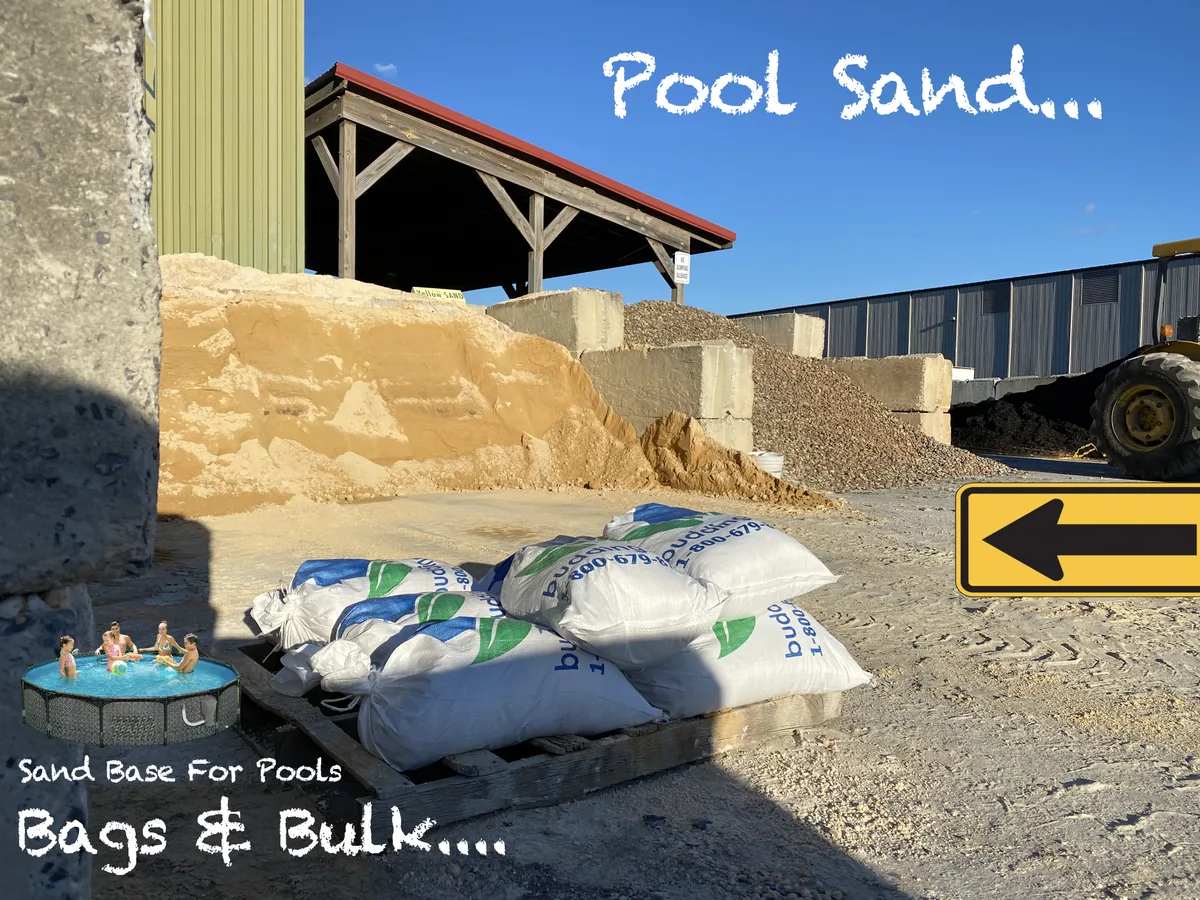
Image source: Bing (Web (fair-use with source credit))
Concrete Pad: The Ultimate Stability
This is considered the gold standard for pool bases, offering unparalleled stability and durability. It’s a more involved and expensive process, typically requiring professional installation.
- What it is: A poured concrete slab, often reinforced with rebar, that creates a perfectly level and solid platform.
- Why it’s the best (for some): It provides the most stable, level, and protective surface, ensuring maximum pool longevity and safety.
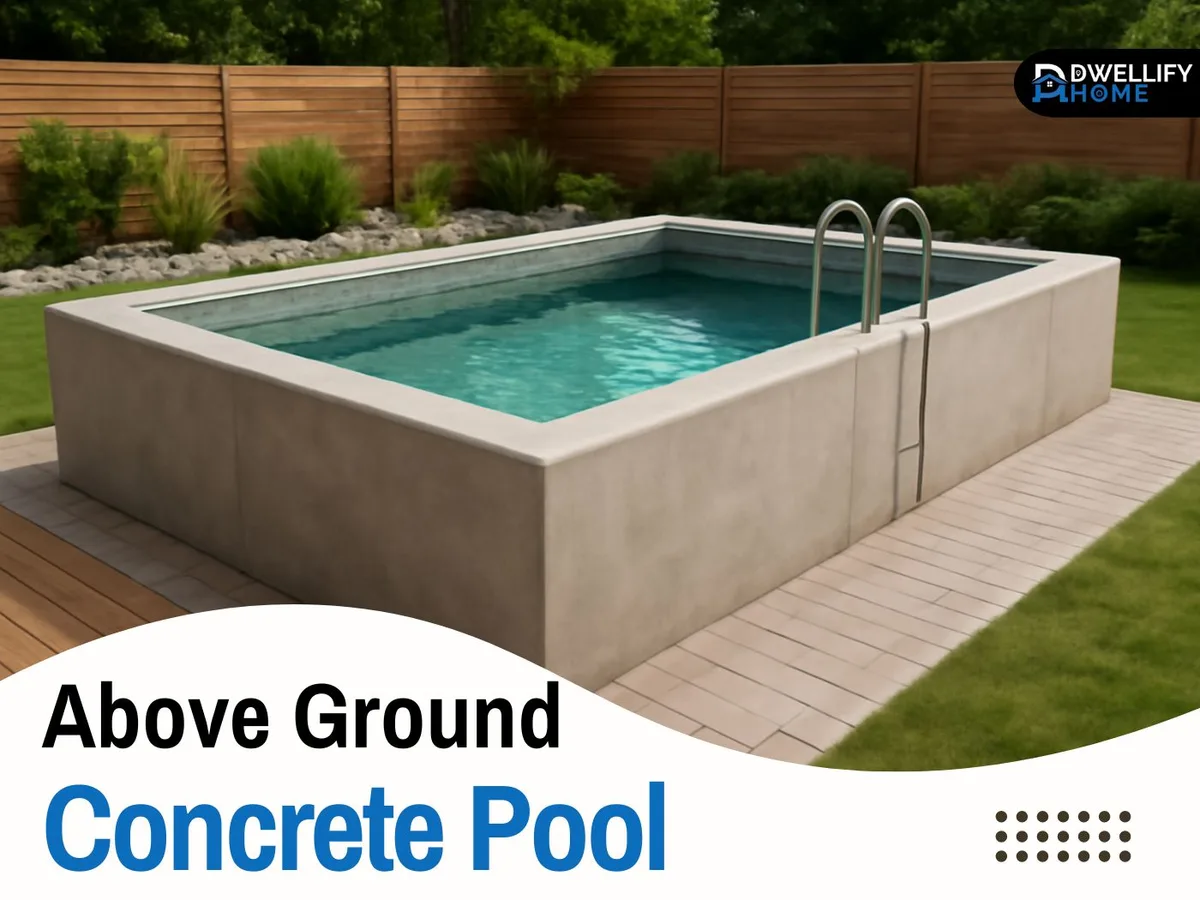
Image source: Bing (Web (fair-use with source credit))
Pavers/Blocks: A Middle-Ground Approach
Sometimes, people opt for pavers or concrete blocks. These can be used to create a level perimeter, or as a more robust foundation layer.
- What it is: Laying interlocking concrete pavers or solid concrete blocks in a pattern.
- Why it’s considered: Offers better stability than bare ground and allows for drainage, but still requires a very solid sub-base.
Pros and Cons: Weighing Each Base Material
Deciding on the right base involves understanding the trade-offs. Each option offers a different balance of cost, effort, and long-term performance.
Sand Bases: Good, But With Caveats
Sand is a strong contender for many homeowners because it’s relatively affordable and manageable for DIYers. It’s excellent for achieving a smooth, level surface that protects your liner from the immediate ground below.
- Pros:
- Easy to Level: Sand can be screeded and smoothed to a fine, level finish.
- Liner Protection: Provides a soft buffer against small stones or debris.
- Cost-Effective: Generally cheaper than concrete.
- Comfort: Offers a softer surface if you're walking around the immediate edge.
- Cons:
- Drainage Issues: Can wash away or become muddy with heavy rain if not properly contained.
- Compaction: May settle unevenly over time, especially with foot traffic around the perimeter.
- Requires a Solid Sub-Base: Without a compacted gravel layer beneath, it can still shift.
- Maintenance: May need occasional leveling or replenishment.
Concrete Pads: Pro-Level Protection, Pro-Level Cost
A poured concrete pad is the pinnacle of pool base stability. It’s a permanent, incredibly strong, and perfectly level surface that virtually eliminates concerns about settling or punctures.
- Pros:
- Unmatched Stability: Will not shift, settle, or degrade over time.
- Superior Protection: Offers the best barrier against ground debris.
- Maximum Lifespan: Contributes to the longest possible life for your pool.
- Ideal for Decks: Simplifies attaching decks or other pool structures.
- Cons:
- High Cost: Significantly more expensive than sand due to materials and professional labor.
- Permanent: Cannot be easily removed or relocated.
- Hard Surface: Can be unforgiving if someone falls near the edge.
- Professional Installation Required: Not typically a DIY job.
Bare Ground: Why It's Usually a Bad Idea
While it might seem tempting for its simplicity, installing an above-ground pool directly on the soil is almost always a mistake. The risks far outweigh any perceived benefits.
- Pros:
- Initial Cost: Appears "free" as there are no materials to buy.
- Cons:
- High Liner Damage Risk: Rocks, roots, and debris can easily puncture the liner.
- Extreme Leveling Difficulty: Impossible to get and maintain a truly level surface.
- Poor Drainage: Leads to waterlogging, rust, and rot.
- Instability: Ground shifts constantly, stressing the pool structure.
- Warranty Void: Most manufacturers explicitly forbid this.
Choosing Your Base: Best Fit for Your Yard
The "best" base isn't a one-size-fits-all answer. It really depends on what your backyard is like, how much you're willing to invest, and what you expect from your pool over the years.
Who Sand is Best For
A sand base, especially when laid over a compacted gravel sub-base, is ideal for the average homeowner. If you're looking for a good balance between cost, ease of installation, and protection, sand is a solid choice. It's forgiving if your yard isn't perfectly flat to begin with, and it provides that essential cushioning for your pool liner.
This option is perfect for families who want a reliable setup without the significant expense of a concrete pad. It’s also a great choice if you might need to relocate the pool in the future, as sand is far easier to remove than concrete.
Who Concrete is Best For
If you want to install it and forget it, and budget is less of a concern, a reinforced concrete pad is the superior option. This is for homeowners who are looking for the absolute maximum in stability, durability, and long-term peace of mind. It’s the professional standard for a reason.
A concrete base is also essential if you plan to build an attached deck or other permanent structures around your pool. It provides a perfectly rigid platform that integrates seamlessly with other construction. Think of it as building for a lifetime.
When Pavers Make Sense
Pavers or concrete blocks can be a good choice if you have a slightly sloping yard and want to build up a level perimeter without pouring a full concrete slab. They allow for excellent drainage, preventing water from pooling around the pool's base, which is a major plus.
This method works well if you're looking for something more substantial than sand but less permanent and costly than concrete. However, it’s crucial that the ground beneath the pavers is rigorously compacted and leveled first, otherwise, the individual pavers can shift, creating an uneven surface.
Common Mistakes When Preparing Your Pool Site
Many people make a few key errors when preparing the ground for their above-ground pool, often trying to save time or money.
- Skipping the Leveling: This is the biggest mistake. A pool that isn't perfectly level will inevitably have issues with uneven pressure, leading to leaks and structural stress. Small imperfections matter a lot here.
- Not Compacted Sub-Base: If you're using sand or pavers, simply spreading them over loose soil isn't enough. The ground underneath needs to be compacted to prevent settling. Aggregates like crushed stone or gravel are often used for this.
- Ignoring Drainage: Water pooling around the pool base can cause rust, rot, and liner damage. Ensure your chosen base allows water to escape.
- Not Clearing Debris: Failing to remove all sharp objects, roots, and rocks before laying down any base material is a recipe for a punctured liner.
- Using the Wrong Sand: Some sands can compact poorly or contain impurities. Opt for clean, washed construction sand.
Expert Tips for a Level and Lasting Pool Base
To ensure your above-ground pool has a long and happy life, pay close attention to the base preparation. Our research indicates that a well-prepared base is the single most important factor for pool longevity.
- Measure Twice, Dig Once: Use a long, flat board and a spirit level to check for levelness across the entire pool footprint. Rotate the level to check in multiple directions.
- Compact, Compact, Compact: If using gravel or crushed stone as a sub-base, rent a plate compactor. This ensures the material is dense and won't settle under the pool's weight.
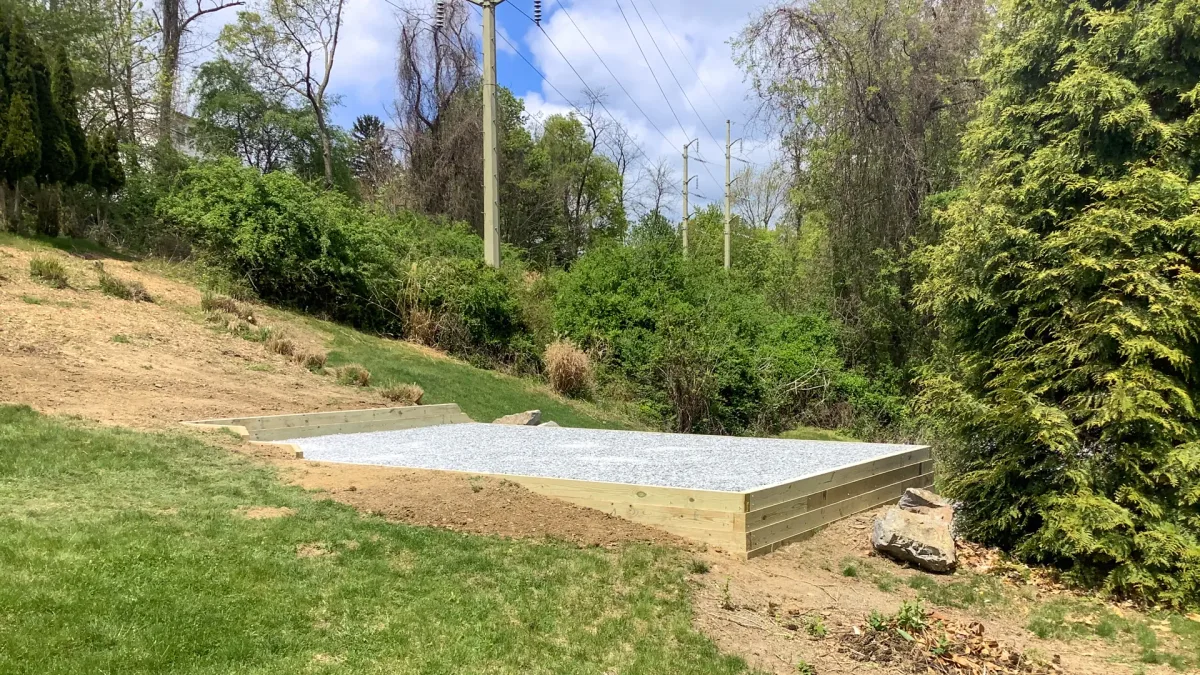
- Edge Retention is Key: For sand bases, consider installing a solid perimeter using landscape timbers or edging stones. This prevents sand from washing away or migrating out from under the pool.
- Think About Drainage: Even with sand, consider gently sloping the ground away from the pool site before you begin building the base. This helps manage rainwater.
- Consult Manufacturer Guidelines: Always check your pool manufacturer's specific recommendations for ground preparation and base requirements. This is crucial for maintaining your warranty.

