

Thinking about an above-ground pool? That’s exciting! But before you take the plunge, it’s wise to understand the ongoing commitment.
Knowing how much it costs to maintain an above ground pool will help you budget realistically and avoid surprises. It's about more than just the initial setup; it's the steady upkeep that keeps your water clean and your pool in great shape for years.
Let's break down the typical annual expenses. For a moderately sized pool, aggregate reviews and manufacturer specifications indicate a yearly maintenance range of about $700 to $2,200 as of 2026. This covers everything from chemicals to electricity.
Quick Answer
Maintaining an above-ground pool typically costs between $700 and $2,200 annually. This range covers chemicals, water, electricity, filters, and cleaning supplies. Proper care prevents costly repairs.
What Drives Your Pool's Annual Bills?
Several factors can influence how much you'll actually spend each year to keep your above-ground pool sparkling. It’s not a fixed price; your location, how you use the pool, and even your personal standards for water clarity all play a role. For example, if you live in a region with consistently hot, dry weather, you'll likely deal with higher evaporation rates, meaning you'll need to add more water and potentially use more chemicals to maintain balance.
Similarly, a pool that’s used daily by a large family will require more frequent cleaning and chemical treatments than one used only on weekends by a few people. Understanding these variables helps you anticipate your specific costs.
- Pool Size: Larger pools naturally require more water, chemicals, and filtration effort.
- Climate: Hot, dry, or windy climates increase evaporation and UV exposure, impacting water and chemical levels.
- Usage: More frequent use means more swimmers (introducing contaminants) and thus more maintenance.
- Desired Water Quality: Aiming for crystal-clear, resort-level water will necessitate more precise chemical balancing and potentially higher-quality treatments.
Core Chemicals: Your Biggest Recurring Expense
The chemicals you use to keep your pool water safe and clean are usually the largest ongoing expense. This category encompasses sanitizers, pH balancers, algaecides, and shock treatments. Maintaining a balanced water chemistry is crucial not only for swimmer comfort and safety but also to protect your pool liner and equipment from damage.
For instance, consistently unbalanced pH can corrode metal parts and degrade vinyl liners over time.
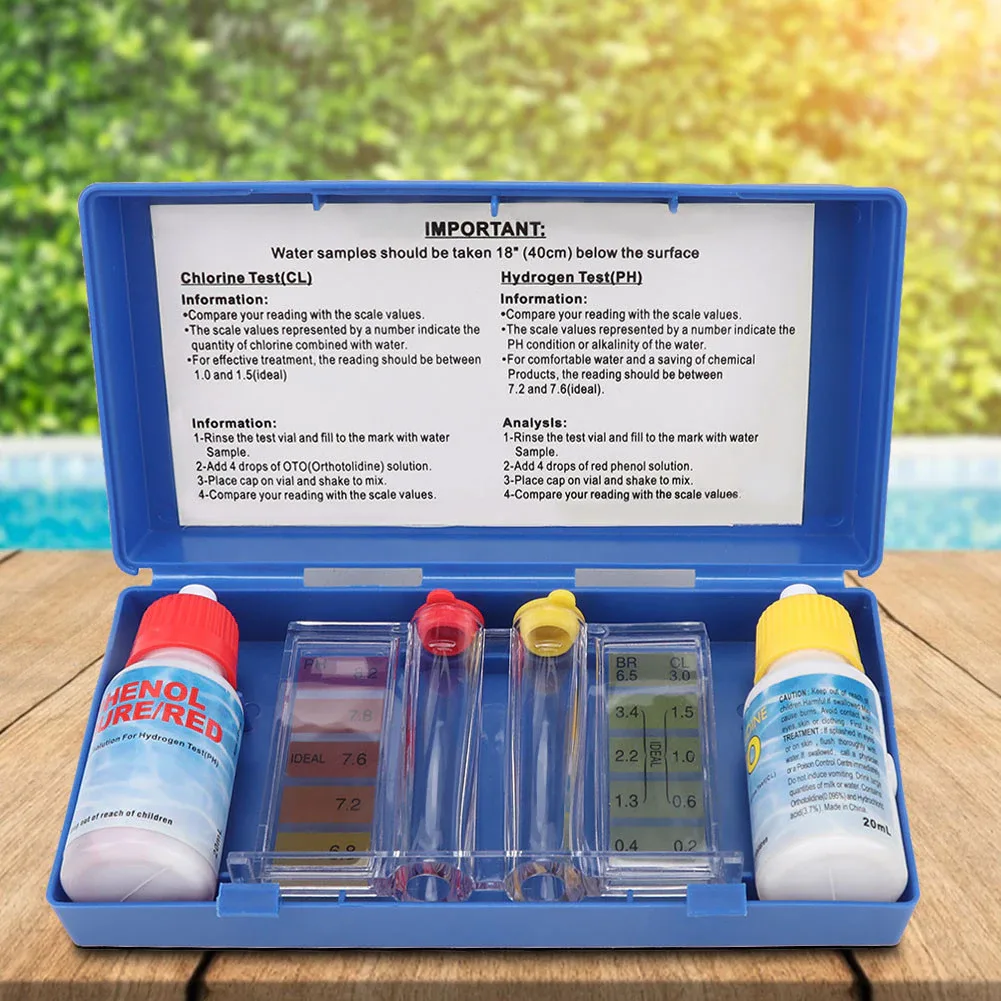
Image source: Bing (Web (fair-use with source credit))
- Sanitizers (Chlorine/Bromine): The primary defense against bacteria and algae. Chlorine is most common, with options like tablets, granules, and liquid. Bromine is an alternative, often more stable at higher temperatures but typically more expensive.
- pH Adjusters: You’ll need both acids (like muriatic acid or dry acid) and bases (like soda ash) to keep your pH in the ideal range, usually between 7.2 and 7.6. This range ensures chlorine works effectively and prevents skin irritation.
- Algaecides: Used as a preventative measure to stop algae growth before it starts. Treating a full-blown algae bloom is far more costly and labor-intensive than regular prevention.
- Shock Treatments: Periodic "shocking" with a high dose of sanitizer (usually chlorine) helps break down contaminants and restore water clarity.
- Clarifiers & Flocculants: These help clump together microscopic particles that make water cloudy, allowing your filter to remove them more effectively.
Aggregate user feedback suggests that a typical family-sized pool can consume $300 to $700 worth of these chemicals annually, depending on usage and local conditions. Buying in larger quantities can sometimes offer savings, but proper, safe storage is paramount.
Filtration & Pump Costs: Keeping the Water Moving
Your pool's filtration system is the unsung hero of clean water. The pump circulates water through the filter, removing debris and contaminants. The costs here involve electricity to run the pump and eventual replacement of filter components.
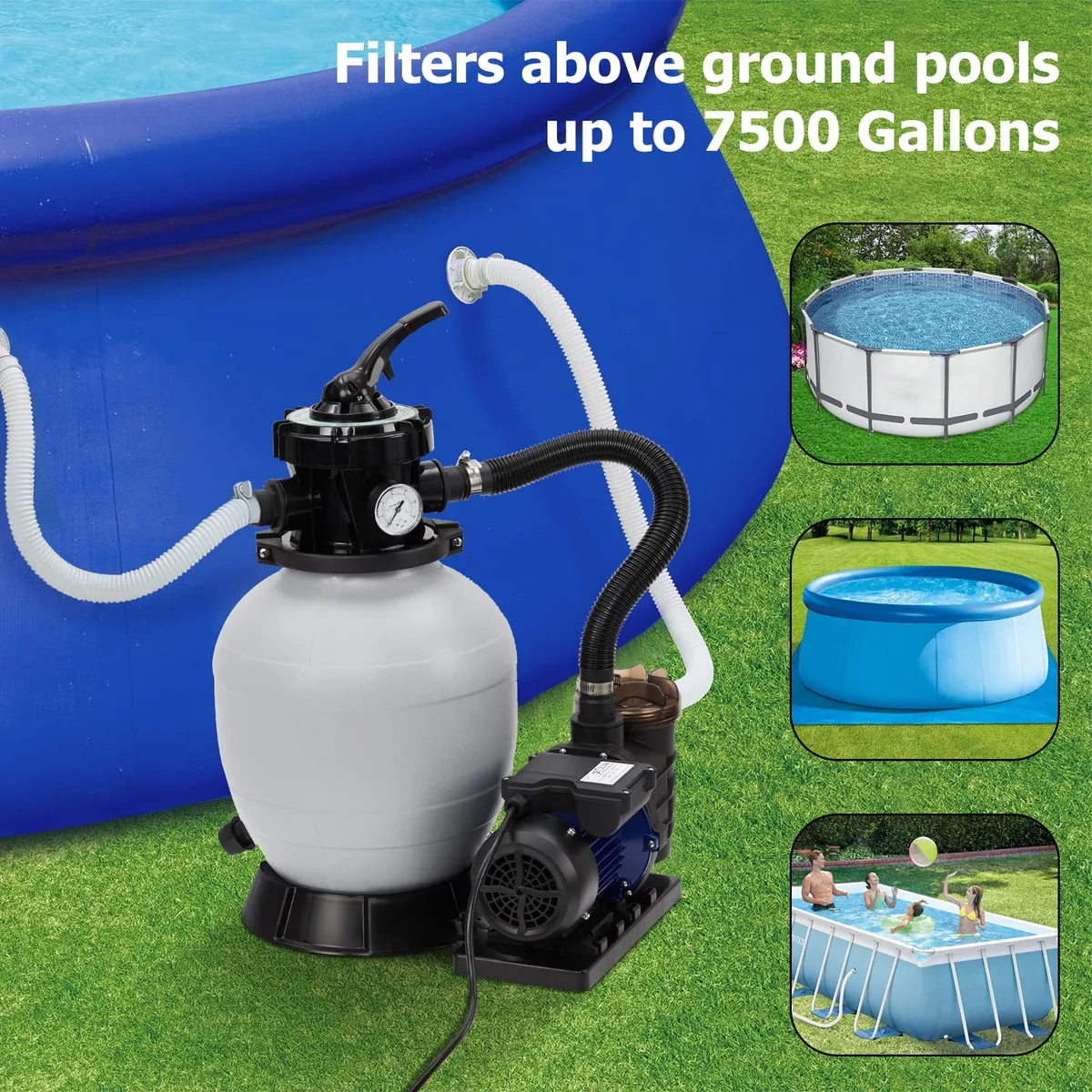
Image source: Bing (Web (fair-use with source credit))
There are two main types of filters common in above-ground pools: cartridge and sand filters.
- Cartridge Filters: These use pleated polyester cartridges. They're effective at trapping fine debris but need regular rinsing and eventual replacement. A single cartridge might last 1-3 swimming seasons, with costs ranging from $30 to $80 each time.
- Sand Filters: These use specialized filter sand. They are cleaned by "backwashing," reversing water flow to flush out trapped debris. Sand itself needs replacement every 3-5 years, typically costing $20 to $50 for the sand.
The electricity to run your pump is another significant cost, often between $100 and $300 annually. This varies based on the pump's wattage, how many hours a day it runs (generally 8-12 hours is recommended), and your local electricity rates. Manufacturer specifications often highlight energy-efficient pump models that can offer long-term savings.
Essential Tools & Other Upkeep Expenses
Beyond chemicals and filtration, you'll need some basic cleaning tools to keep your pool in shape. These items are crucial for regular maintenance and preventing bigger issues. While not as costly as chemicals, their wear-and-tear means they'll need replacement over time.
Here's a look at common tools and their associated costs:
- Skimmer Net: For removing floating debris like leaves and insects. A sturdy one might cost $20-$40.
- Pool Brush: To scrub the pool walls and floor, dislodging dirt and preventing algae buildup. Expect to spend $30-$50 for a good quality brush.
- Telescopic Pole: A versatile pole that connects to your skimmer, brush, and vacuum. These range from $30-$60 depending on length and durability.
- Pool Vacuum: This can be a manual vacuum head that attaches to your skimmer and pole, or a more automated cleaner. A basic manual vacuum head might be $50-$100.
- Water Test Kit: Essential for monitoring chemical levels. Simple test strips are inexpensive ($10-$20 for a pack), while liquid reagent kits offer more accuracy but are costlier ($30-$50).
These cleaning tools, including potential replacements, can add $50 to $150 to your annual budget. It’s worth investing in decent quality tools; they last longer and make the cleaning process much more effective and less of a chore.
Saving Money: Smart Practices for a Leaner Budget
The good news is that you can significantly reduce your annual maintenance costs with smart practices and a proactive approach. By investing a little time in regular upkeep, you can avoid more expensive problems down the line. For instance, consistently testing and balancing your water prevents the costly damage that can result from prolonged exposure to imbalanced chemicals.
Here are some effective ways to keep your pool maintenance budget in check:
- Regular Water Testing: Don't guess your chemical levels. Use test strips or a kit weekly to ensure your sanitizer and pH are within the optimal ranges. This prevents over- or under-dosing, saving money and preventing damage.
- Proactive Cleaning: Daily skimming of surface debris and weekly brushing of walls and floor prevents dirt from settling and becoming harder to remove, reducing the workload on your filter and chemicals.
- Invest in a Quality Pool Cover: A good pool cover is invaluable. It dramatically reduces water evaporation (saving you money on water bills), keeps out debris that would otherwise require cleaning and chemical treatment, and helps retain heat, potentially lowering electricity costs for heating.
- Maintain Your Equipment: Keep your filter clean according to manufacturer instructions. A clogged filter makes your pump work harder, consuming more electricity and reducing its effectiveness. Address minor leaks or equipment issues promptly before they become major repairs.
- Smart Chemical Purchasing: Buy chemicals during off-season sales or in larger quantities if you have safe storage. Compare prices from different suppliers and consider purchasing concentrated forms when available.
Following these tips can help keep your annual costs closer to the lower end of the estimated $700-$2,200 range, ensuring your pool remains an affordable source of enjoyment.
Image source: Web (Bing) / storage.googleapis.com (Web image (fair-use with source credit))
Essential FAQs About Pool Maintenance Costs
### How much does chemical maintenance typically cost per year?
Chemicals are your biggest recurring expense, usually running $300 to $700 annually. This covers sanitizers, pH balancers, and shock treatments.
### What’s the biggest variable in pool maintenance costs?
Usage and climate are major factors. A heavily used pool in a hot, sunny area will cost more than a lightly used one in a cooler climate.
### How much electricity does a pool pump use?
Pump electricity costs often range from $100 to $300 annually. This depends on pump wattage, run time, and local electricity rates.
### Is it cheaper to maintain a cartridge or sand filter?
Generally, sand filters have lower recurring costs as sand lasts longer than cartridges. Cartridges need replacement every 1-3 seasons, costing $30-$80 each time.
### How much does winterizing an above-ground pool cost?
Winterizing expenses can range from $50 to $300. This includes closing chemicals, protective covers, and any necessary equipment draining.
Ready to Dive In? What to Budget for Peace of Mind
Owning an above-ground pool is a fantastic way to enjoy your backyard. However, it does come with ongoing expenses. Realistically budgeting between $700 and $2,200 annually for maintenance, as of 2026, allows for consistent care and prevents costly emergency repairs.
This includes your essential chemicals, keeping the filter running smoothly, electricity for the pump, and basic cleaning tools. By performing regular DIY maintenance, testing your water often, and protecting your pool with a good cover, you can manage these costs effectively. Staying on top of these tasks ensures your pool remains a safe, clean, and enjoyable centerpiece for your summer fun.

