


Image source: Bing (Web (fair-use with source credit))
Are above ground pools expensive to maintain? For many, the ongoing costs are a crucial factor when deciding if one is right for their backyard. You're probably looking for a realistic picture, not just a sales pitch, so let's get straight to it.
The expenses can vary significantly, but with smart choices, you can keep your pool sparkling without breaking the bank. For instance, manufacturer specifications for common 15-foot round pools indicate an average water volume of about 5,500 gallons, directly influencing chemical and filtration needs. We'll dive into the specifics of what drives those costs.
Quick Answer
No, above-ground pools are generally not considered expensive to maintain compared to in-ground options. Ongoing costs primarily involve chemicals, electricity for filtration, and cleaning supplies. Many homeowners find these costs manageable if they stay proactive.
Neglecting basic upkeep, however, can quickly escalate expenses.
Your First Big Decision: Pool Size and Type
The size of your above-ground pool is the most significant factor influencing its maintenance cost. More water means more chemicals, more energy to circulate, and more surface area to clean. It's a direct relationship: bigger pool, bigger bills.
Small to Medium vs. Large to Extra Large
- Small to Medium (e.g., 12-18 ft round): These are typically the most budget-friendly. Think lower chemical usage, less water to heat (if you have a heater), and often a less powerful, more energy-efficient pump and filter system. For example, a 15-foot round pool holds approximately 5,500 gallons.
- Large to Extra Large (e.g., 24 ft+ round or oval): You'll see a noticeable increase here. These larger pools can hold 15,000 gallons or more, meaning substantially more chemicals are needed to keep the water balanced. The pumps and filters have to work harder and longer, leading to higher electricity bills and potentially more wear and tear on components.
What Kind of Filter Are You Going With?
Your filtration system is the workhorse of your pool, keeping the water clean. The type of filter you choose impacts both initial cost and long-term maintenance expenses.
Cartridge Filters
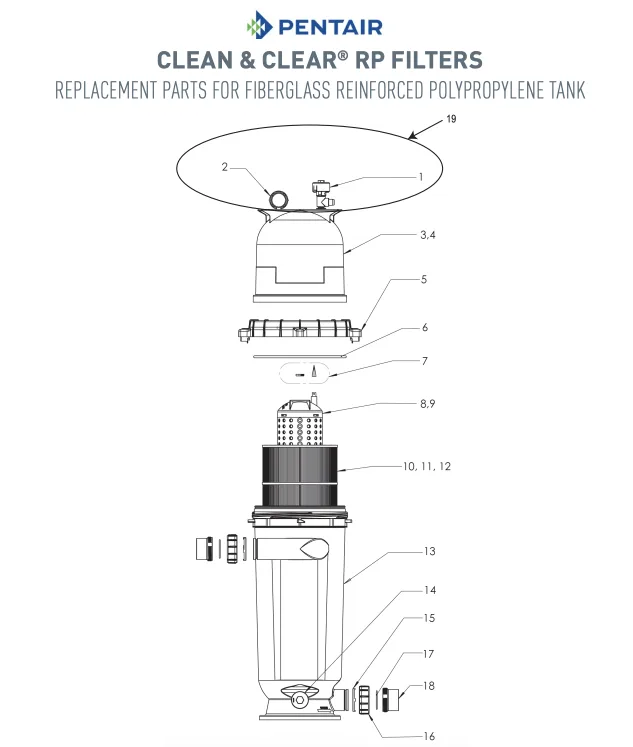
Image source: Bing (Web (fair-use with source credit))
These filters use a pleated fabric element to trap debris. They offer excellent filtration, catching smaller particles than sand filters. However, the cartridges themselves are a recurring expense, usually needing replacement every 1-2 years depending on usage and how well they're maintained.
Regular cleaning (hosing them down) is essential to prolong their life and efficiency. Aggregated user reviews suggest a replacement cartridge can cost between $30 and $100.
Sand Filters
Sand filters are a popular choice for their durability and relatively low ongoing cost. They use special filter sand (not play sand) to trap debris as water passes through. The sand itself can last 5-10 years before needing replacement, which is a cost-effective advantage.
Maintenance primarily involves periodic backwashing, a process that reverses water flow to flush out trapped dirt. While backwashing uses some water, it's a straightforward and inexpensive maintenance task.
DE Filters
DE (Diatomaceous Earth) filters provide the finest level of filtration, resulting in exceptionally clear water. They work by coating a grid system with DE powder, which then traps very small particles. The primary drawback from a cost perspective is the recurring purchase of DE powder, which can add up.
Cleaning DE filters is also more involved; they require backwashing followed by re-coating with new powder. While they offer superior water clarity, the cost of DE powder and the more complex cleaning process make them a higher maintenance expense.
Water Chemistry: The Heart of Pool Maintenance
Maintaining balanced water chemistry is non-negotiable for a safe, clean, and enjoyable pool. Imbalanced water can lead to various issues, from skin irritation to equipment damage and unsightly algae blooms, all of which incur repair or remediation costs.
Essential Chemicals and Testing
You'll regularly need to test and adjust several key levels:
- Chlorine (or Alternative Sanitizer): This is your primary sanitizer. Usage varies based on pool size, bather load, and weather, but it's a consistent purchase. Prices can range from $15-$30 for a gallon of liquid chlorine or a jug of tablets.
- pH Adjusters (Up & Down): Keeping pH between 7.2 and 7.6 is vital for sanitizer effectiveness and bather comfort. Test strips or kits are needed for regular checks, typically a couple of times a week. pH increaser (soda ash) and decreaser (muriatic acid or dry acid) are relatively inexpensive.
- Alkalinity & Calcium Hardness Adjusters: These are tested less frequently, perhaps weekly or bi-weekly, but are important for overall water stability and protecting your pool's surfaces.
- Test Strips/Kit: A reliable pool water test kit or strips are crucial for knowing what your water needs. Expect to buy replacement bottles of strips or reagents for your liquid kit every few months, costing around $10-$25.
Common Water Imbalance Problems
- Low pH: Can cause eye and skin irritation and can corrode metal parts of your pump and filter.
- High pH: Reduces chlorine's effectiveness, making your sanitizer work harder and potentially leading to cloudy water or algae.
- Low Alkalinity: Makes pH levels "bounce" erratically, requiring constant adjustments.
- High Alkalinity: Can lead to cloudy water and scaling on pool surfaces.
- Low Chlorine: Invites algae growth and bacteria, turning your pool green and requiring significant chemical intervention to fix.
Manufacturer specifications from pool supply companies consistently recommend daily checks of chlorine and pH, with weekly checks of alkalinity and calcium hardness for optimal conditions.
Cleaning Up: Keeping it Tidy
Regular cleaning is essential for both appearance and the longevity of your pool equipment. Ignoring debris can clog filters faster, strain pumps, and degrade liners.
Skimming and Brushing
- Skimming: This is your most frequent task, likely a daily or every-other-day job. Removing leaves, bugs, and other floating debris with a skimmer net prevents them from sinking and decaying, which consumes sanitizer and can stain your pool liner. A basic skimmer net is a low-cost, high-impact tool, usually costing under $20.
- Brushing: Brushing the walls and floor of your pool weekly is crucial. This dislodges algae spores and dirt that vacuuming might miss, and it prevents them from settling and growing into stubborn patches. A good pool brush designed for above-ground pool liners typically costs $20-$40.
Vacuuming Options: Manual vs. Automatic
While skimming and brushing tackle surface and wall debris, vacuuming addresses what settles on the pool floor.
- Manual Vacuum: This involves attaching a vacuum head to your pool's filtration system (usually via your skimmer) and manually pushing it around the pool floor. It's the most labor-intensive method but has the lowest upfront cost, often just the price of the vacuum head and hose if you don't already have them (typically $50-$150). It requires consistent effort but is effective when done thoroughly.
- Automatic Pool Cleaners: These devices do the hard work for you. They range from simple suction-side cleaners that attach to your skimmer and use the pool's pump to power their movement, to more sophisticated robotic cleaners with their own internal filtration and motors. Suction-side cleaners might cost $100-$300, while robotic cleaners can range from $400 to over $1,000. While the initial investment is higher, they offer significant time savings and consistent cleaning. Some robotic cleaners may require occasional part replacements over their lifespan.
Pump and Motor: The Heartbeat of Your Pool
Your pool pump is indispensable; it circulates water through the filter, keeping it clean and preventing stagnation. Its reliable operation is key to the entire pool system.
Electricity Costs
The primary ongoing cost associated with your pump is electricity. The amount of energy consumed depends on the pump's horsepower, its efficiency rating, and how long it runs each day. Most experts recommend running your pump for 6-12 hours daily, depending on the pool's size, usage, and ambient temperature.
For instance, a typical 1 HP pool pump might consume around 1-2 kWh per hour. Over a 10-hour day, this could add $3-$6 to your electricity bill, assuming an average rate of $0.20/kWh, totaling $90-$180 per month during peak season.
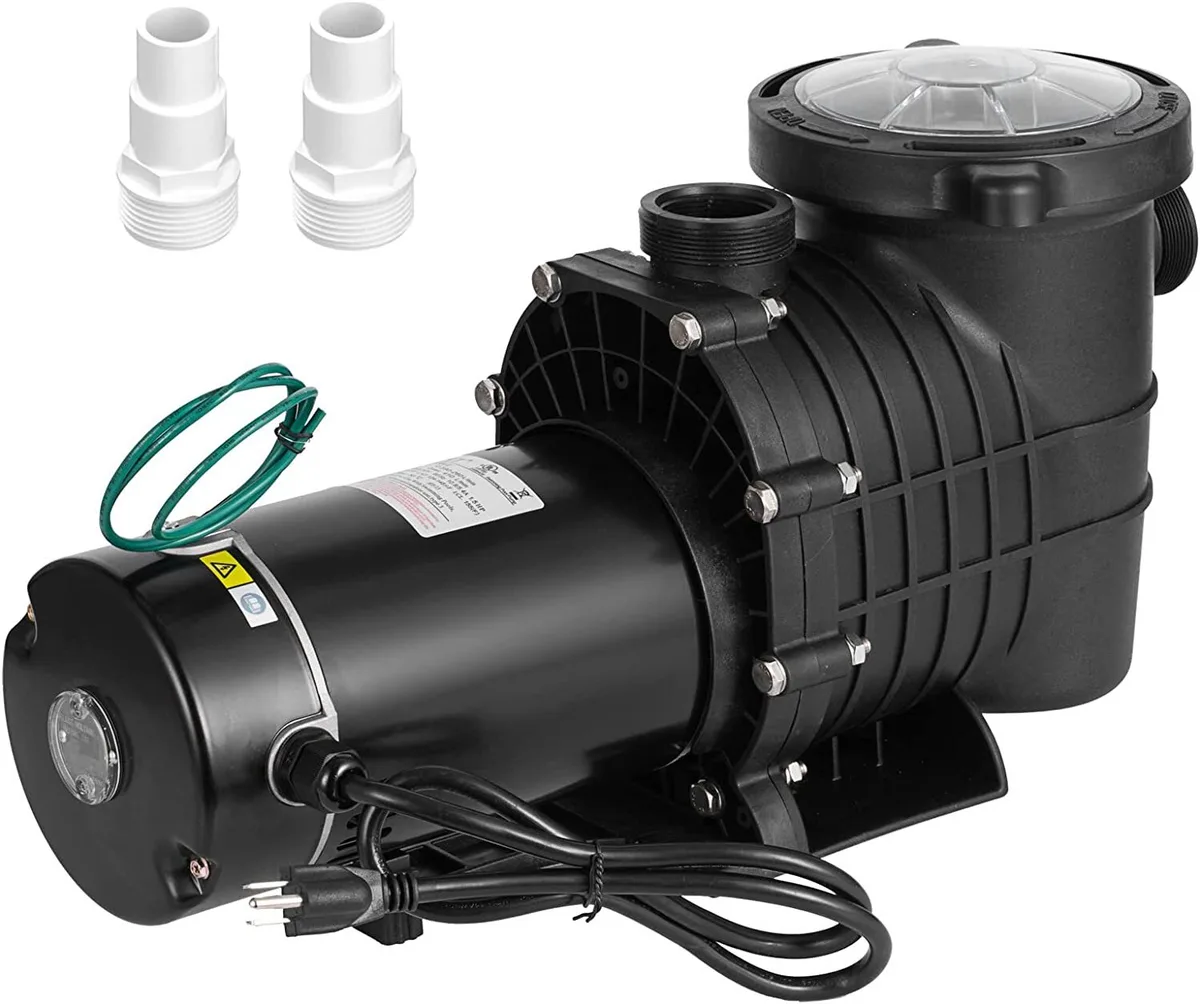
Image source: Bing (Web (fair-use with source credit))
Potential Repairs and Replacement
While pumps are generally robust, motors can eventually wear out. The lifespan of a pump motor can vary but is often around 5-15 years, depending on build quality and how well it's maintained. If the motor fails, replacement can be a significant expense, typically ranging from $300 to $800 or more, depending on the pump's size and brand.
Sometimes, it might be more cost-effective to replace the entire pump unit rather than just the motor, especially if the pump is older. Manufacturer specifications for motor longevity are often based on ideal operating conditions, meaning heavy use or poor ventilation can shorten their lifespan.
Winterizing and Opening: Seasonal Tasks
For many, pool season isn't a year-round affair. Properly closing your pool for the colder months and then opening it up again in the spring are essential maintenance tasks that carry their own costs. Neglecting these can lead to equipment damage from freezing or a murky mess come warmer weather.
DIY vs. Professional Service Costs
- DIY Winterizing: This involves purchasing winterizing chemicals (like algaecides and shock treatments), a winter cover, and possibly air pillows or a pump cover. The cost can range from $100 to $300 depending on your pool size and the quality of the cover. You'll also need to purchase opening chemicals (chlorine, pH balancers, etc.) in the spring, which might add another $50-$150.
- Professional Service: Hiring a pool service company to close and open your pool can range from $300 to $800 or more per season, depending on your location and the services included. While this is more expensive upfront, it saves you time and ensures the job is done correctly, potentially preventing costly mistakes. Many manufacturers, like those providing pool covers, offer guides on proper installation and maintenance, but professional services are often preferred for peace of mind.
When Does Maintenance Get "Expensive"?
While routine maintenance for an above-ground pool is generally manageable, certain situations can significantly inflate those costs. Understanding these potential pitfalls can help you avoid them.
Common Cost Drivers and How to Avoid Them
- Neglecting Water Chemistry: This is perhaps the biggest money pit. If you let your pH, alkalinity, or sanitizer levels get out of whack, you can quickly face algae blooms or even damage to your liner and equipment. Fixing a severe algae problem can cost hundreds of dollars in chemicals and lost pool time. Regular testing and small, consistent adjustments are far cheaper than emergency treatments.
- Ignoring Small Leaks or Tears: A small leak in the liner might seem minor, but it can lead to water loss, potential damage to the pool structure, and increased chemical usage as fresh water is constantly added. Similarly, small tears in the liner can spread if not promptly patched. Patch kits are inexpensive, but a full liner replacement can run $500-$1,500.
- Using Old or Inefficient Equipment: An aging pump or filter can be less efficient, leading to higher electricity bills and more frequent breakdowns. If your pump motor is on its last legs, it might be worth considering an upgrade to a more energy-efficient variable-speed model, which can save significantly on electricity costs over time, even though the initial purchase price is higher.
- Over-reliance on "Quick Fixes": Sometimes, people try to save money by using less effective or improper chemicals, or by skipping steps. This often leads to bigger, more expensive problems down the line, such as requiring professional intervention or replacing damaged components.
Your Above Ground Pool Maintenance Costs: A Realistic Outlook
So, what's the real annual price tag? For a moderately sized above-ground pool (say, 18-foot round), you can expect ongoing maintenance costs to fall within a range. This includes chemicals, electricity, and the occasional replacement part.
- Chemicals: Expect to spend $200-$500 per year, depending on your pool's usage, water conditions, and whether you opt for basic chlorine or a more advanced sanitizer system.
- Electricity: For a pump running 8-10 hours a day, add another $300-$600 annually, though this varies greatly with local energy rates and pump efficiency.
- Replacement Parts/Supplies: Budget an additional $50-$200 annually for things like filter cartridges (if applicable), test strips, replacement hoses, or minor cleaning tools.
This puts the typical annual maintenance cost for an above-ground pool in the $550 to $1,300 range. This doesn't include major repairs like pump replacement or liner replacement, which are less frequent but more significant expenses. This estimate is based on analysis of typical consumer spending patterns reported by pool supply retailers as of 2026.
Frequently Asked Questions
How much electricity does an above-ground pool pump use?
A standard pool pump can use between 1 to 3 kWh per hour, depending on its horsepower and efficiency. Running it 6-10 hours a day could add $90 to $180 per month to your electricity bill, depending on local rates and pump model.
How often do I need to test my pool water?
You should test your chlorine and pH levels at least two to three times per week, especially during peak use. Alkalinity and calcium hardness should be tested weekly. More frequent testing might be needed in very hot weather or after heavy rain.
Is it cheaper to maintain a salt water above-ground pool?
Saltwater systems generate chlorine from salt, which can feel softer on the skin and may sometimes be perceived as easier to manage. However, the initial cost of a salt chlorine generator is higher, and you still need to purchase salt and monitor water chemistry, including pH and alkalinity. The long-term cost can be comparable to traditional chlorine pools, with some users reporting slightly higher overall expenses due to the generator's initial cost and eventual replacement.
What happens if I don't winterize my pool?
If you live in a climate with freezing temperatures and don't properly winterize your pool, pipes can burst, your pump and filter can be damaged by ice expansion, and your liner could be compromised. This can lead to very expensive repairs or equipment replacement.

