

So, you're dreaming of summer dips and backyard barbecues with a new above-ground pool. That's awesome! But before you can even think about splashing, there's the setup.
You're probably wondering, "How long does it take to install an above ground pool?" It's a question we hear a lot, and the answer isn't a simple one-liner because it depends on quite a few things.
From our research, a typical installation can range from a single, very long day for a small, simple pool with perfect conditions and experienced help, to a full weekend or even several days for larger pools or when significant site preparation is needed. Manufacturer specifications for many common backyard pool kits often suggest a two-person, one-day installation window, but this rarely accounts for real-world variables like site leveling or unexpected issues.
Quick Answer
Installing an above ground pool typically takes 1 to 3 days. Smaller pools with level sites and multiple helpers can be set up in a single long day. Larger pools, or those requiring site preparation like leveling, often stretch to a full weekend or longer.
Water filling can add another 8-24 hours on top of assembly.
The Real Timeline: What Influences Your Pool Setup Time
Let's cut to the chase: the time it takes to get your above-ground pool from box to buoyant depends heavily on a few major factors. It's not just about how many pieces are in the box; it's about your yard, the pool's size, and who's doing the work. Aggregate reviews consistently show that homeowners who plan for at least a full weekend are usually the happiest with their installation experience.
Key Factors: Beyond Just Unpacking the Box
- Site Preparation: This is arguably the biggest variable. Is your yard already a perfectly flat, stable surface, or do you need to clear debris, remove sod, and grade the area? Manufacturer guides often assume a prepped site.
- Pool Size and Type: Obviously, a 15-foot round pool will go up faster than a 30-foot oval model. The complexity of the frame and liner also plays a role.
- Number of Helpers: Trying to wrestle large metal panels or a heavy vinyl liner into place alone is a recipe for frustration and takes significantly longer. Having at least two, ideally three or more, capable adults makes a massive difference.
- Your DIY Experience: If you've installed a pool before, you'll likely be much quicker and more efficient than a first-timer who's deciphering instructions on the fly.
Image source: Bing (Web (fair-use with source credit))
Real-World Installation Times: From Hours to Days
Based on analyzing countless user experiences, here's a general breakdown of what to expect as of 2026:
- Small Pool (12-18 ft round) with Ideal Site: 1 long day (8-10 hours of active work, plus water filling time).
- Medium Pool (20-24 ft round/oval) with Minor Prep: 1.5 to 2 full days of work, plus filling.
- Large Pool (27 ft+ oval) with Significant Site Prep: 2 to 4 days of active work, plus filling.
Remember, these are active work hours. The time it takes for the pool to fill with water is a separate, passive process that can add another 8 to 24 hours, sometimes more, depending on your local water pressure.
Site Prep: The Hidden Time Sink
This is where many people underestimate the time required. Getting the ground beneath your above-ground pool just right is critical for stability, longevity, and preventing leaks or damage. If the ground isn't perfectly level and firm, you're asking for trouble down the line.
Why a Level Yard is Non-Negotiable
An uneven base puts uneven stress on the pool walls and frame. This can cause the pool to lean, leading to structural failure, liner damage, and an unsafe swimming environment. The National Pool Industry Research Center (NPIRC) stresses the importance of a completely level and compacted foundation.
Even a slight tilt can worsen over time.
Your goal is a surface that's flat within about 1 inch over the entire diameter of the pool. This means you might need to shave high spots or build up low spots, ensuring the ground is also compacted to prevent settling.
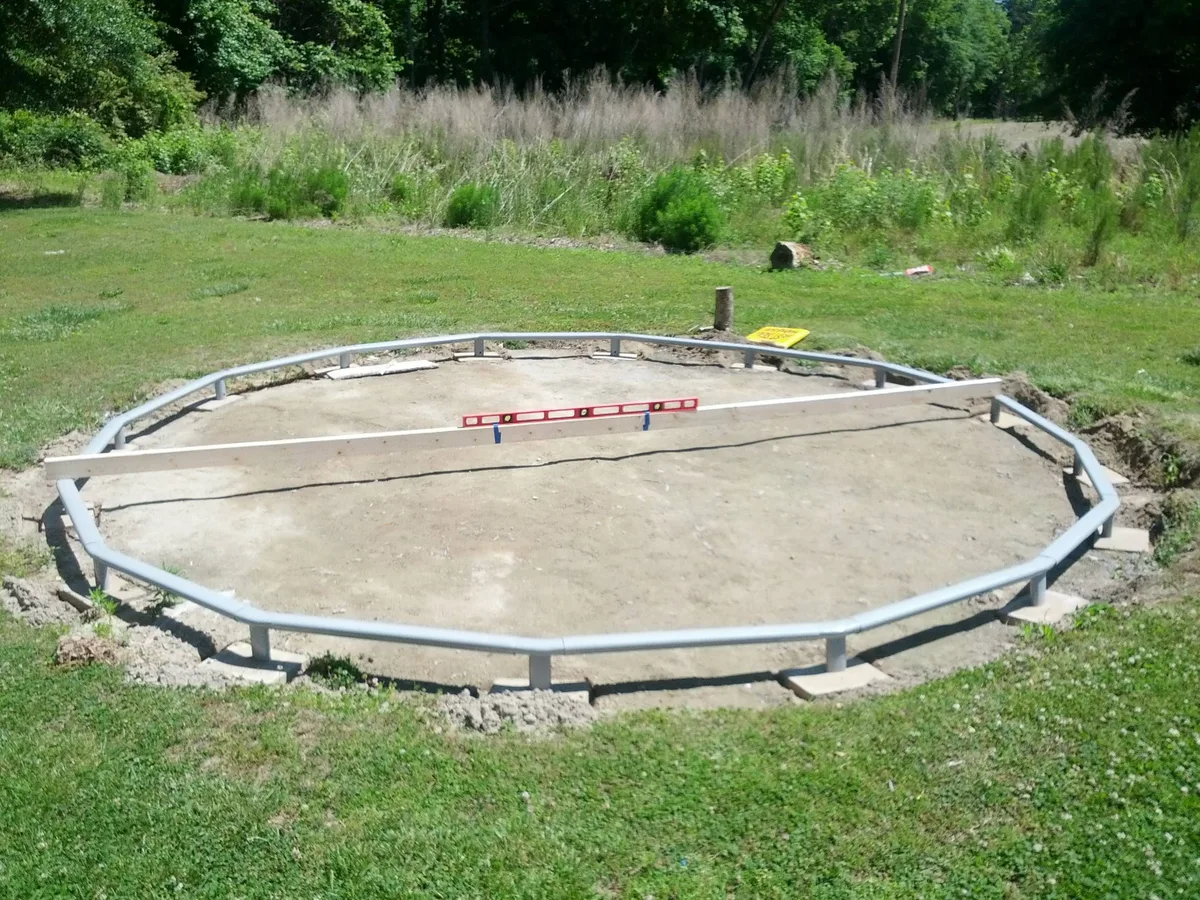
Image source: Bing (Web (fair-use with source credit))
Time Investment for Different Site Conditions
- Perfectly Level & Clear Yard: If you're incredibly lucky and have a naturally flat, firm area free of rocks and roots, this might take just 1-2 hours for final checks and minor adjustments.
- Slightly Uneven Yard: You might need to dig out high spots or add a bit of sand or gravel to low spots. Expect 4-8 hours of active digging, raking, and leveling. Using a large carpenter's level or a string level across the area is key here.
- Sloped or Unstable Yard: This is where significant time is spent. You might need to bring in fill dirt, compact it thoroughly, or even consider a retaining wall in extreme cases. This can easily take 1-3 full days of hard work. Many homeowners in this situation opt for professional leveling services to save time and ensure it's done correctly.
Assembly: Building Your Backyard Oasis
Once your site is prepped and ready, the actual physical assembly of the pool structure begins. This is where having the right tools and enough people really shines. Manufacturer instructions typically provide a step-by-step guide, but understanding the variables that influence speed is key.
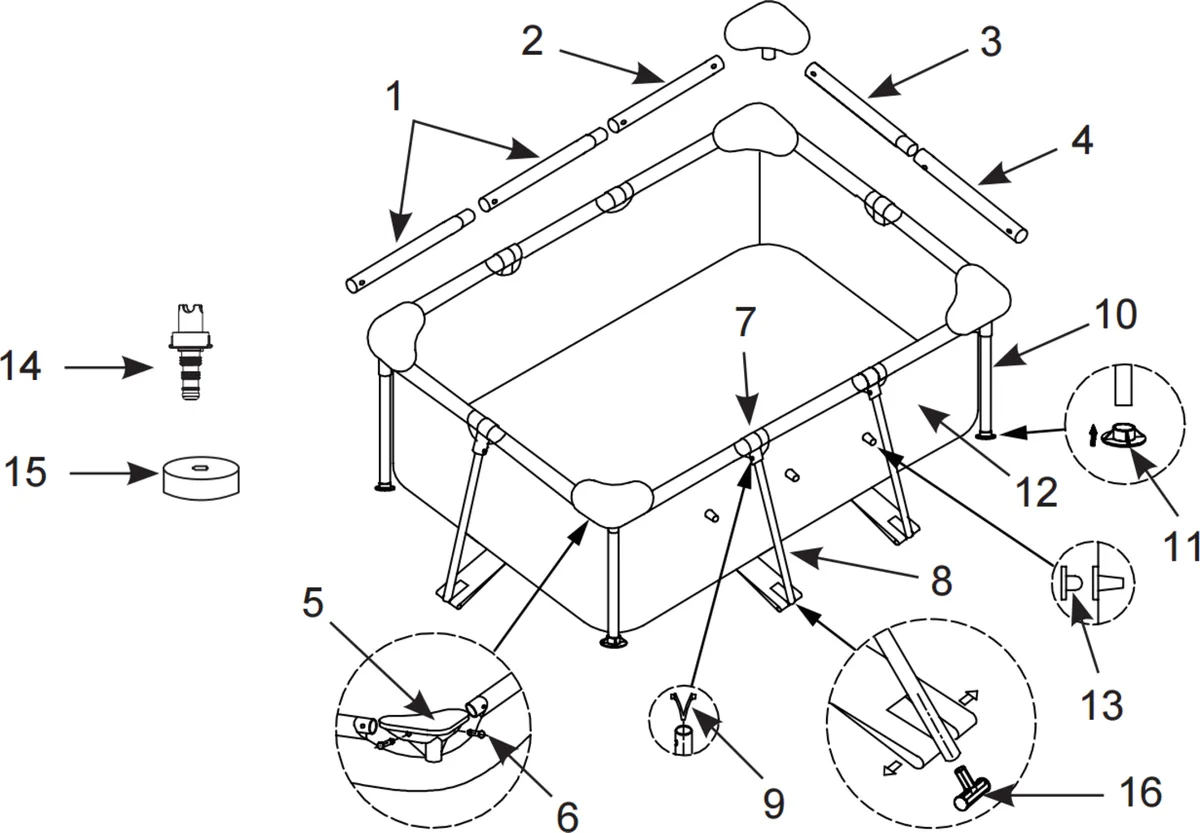
Image source: Bing (Web (fair-use with source credit))
How Pool Size and Type Affect Setup Speed
- Smaller Round Pools (12-18 ft): These often feature simpler frame designs with fewer uprights and top rails. Assembly might take 2-4 hours.
- Larger Round Pools (21-27 ft): More uprights and more pieces mean more connections. This can push assembly time to 3-6 hours.
- Oval Pools (15×24 ft up to 30×50 ft): Ovals are inherently more complex due to the support structure needed for the longer sides. The added length means more pieces and longer runs of wall panels and top rails. Expect 4-8 hours of assembly time, sometimes more for the largest models.
The Impact of Having Enough Hands on Deck
This is crucial. Many parts of the assembly process, like holding up wall panels or aligning top rails, are physically demanding and much safer with multiple people.
- One Person: While technically possible for very small pools, it's highly discouraged. It takes much longer and increases the risk of injury or damaging parts. Expect triple the normal time.
- Two People: This is the minimum recommended for most pools. You can manage most steps, but some might still be awkward. Expect the standard or slightly longer timeframe.
- Three or More People: This is ideal for larger pools. You can divide tasks, lift heavy sections together, and speed up the entire process significantly. This is where you're most likely to hit the "one-day installation" target if the site is ready.
Filling and Finishing: The Final Steps
After the pool structure is standing and the liner is carefully installed, the next major phase is filling it with water. This is a passive process but can take a substantial amount of time, and it needs to be done correctly to avoid issues with the liner. Following the fill, connecting the filtration system is the last major hurdle before you can even think about swimming.
How Long Does it Take to Fill a Pool?
The time required to fill an above-ground pool depends almost entirely on your home's water pressure and the diameter and depth of the pool. A common garden hose delivers about 5-10 gallons per minute (GPM).
- Small Pool (15 ft round, 4 ft deep): Holds roughly 5,000 gallons. At 7 GPM, this would take about 12 hours.
- Medium Pool (21 ft round, 4 ft deep): Holds around 10,000 gallons. At 7 GPM, this is roughly 24 hours.
- Large Pool (30×15 ft oval, 4 ft deep): Holds about 14,000 gallons. At 7 GPM, this could take 30+ hours.
To speed this up, many people use multiple hoses, or even rent a water truck if available and cost-effective in their area. It's important to monitor the fill process and ensure the liner is settling evenly as the water level rises. As of 2026, water delivery services are becoming more common for pool owners seeking faster fill times.
Connecting the Pump and Filter System
Once the pool is filled to the appropriate level (usually about two-thirds to three-quarters of the way up the wall), the pump and filter system needs to be connected. This usually involves attaching hoses from the skimmer and the return jet on the pool wall to the corresponding ports on the pump and filter housing.
- Time Estimate: For a standard setup, this typically takes 1-3 hours. This includes reading the filter's manual, ensuring all gaskets and connections are secure to prevent leaks, and priming the pump according to its instructions.
- Complexity: If you're adding features like a chlorinator, a heater, or a more complex plumbing setup, this time can increase. It’s crucial to follow the specific instructions for your pump and filter model to ensure they operate efficiently and safely.
Avoiding Installation Headaches: Common Pitfalls
Even with the best intentions, installation can hit snags. Many of these issues add significant time and frustration, and some can even compromise the pool's integrity. Learning from the mistakes others have made can save you days of work and potential disappointment.
Mistakes That Can Add Days (or Ruin Your Setup)
- Insufficient Site Preparation: As we've stressed, an uneven or unstable base is the number one culprit for extended timelines and future problems. Trying to rush this step or skip it entirely will almost certainly lead to delays and costly repairs later.
- Damaging the Liner: The vinyl liner is the watertight heart of your pool. Using sharp tools, dragging it over rough surfaces, or not smoothing out wrinkles during filling can lead to punctures or improper seating, requiring extra time to fix or replace.
- Misinterpreting Instructions: Pool kits can have many parts. Not carefully reading and following the manufacturer's assembly manual can lead to installing parts incorrectly, requiring disassembly and reassembly. This is a common time-waster.
- Ignoring Weather: Trying to assemble or fill a pool in high winds or heavy rain is a bad idea. High winds can make handling large panels dangerous and can blow debris into the pool. Rain can make the ground muddy and harder to work with, and can prevent proper curing of any leveling materials.
When to Call in the Pros
While many above-ground pools are marketed as DIY projects, there are situations where professional installation is a wise investment. If your site requires significant grading, if you're installing a very large or complex pool, or if you simply lack the time or confidence, hiring a professional can save you stress and ensure the job is done right the first time. Professionals often have specialized equipment for leveling and can complete the setup much faster, usually within 1-2 days for standard pools.
Expert Tips for a Smoother, Faster Pool Installation
To help you get to that first swim sooner and with fewer headaches, we've gathered some key advice from experienced installers and DIYers. These tips are designed to streamline the process and prevent common issues that add unexpected hours or even days to your project.
- Thorough Site Assessment: Before you even buy the pool, walk your yard with a long level. Measure precisely where the pool will go. Identify any significant slopes or obstacles that will require effort to remove or correct. This initial assessment prevents surprises later.
- Organize Your Parts: Open the pool kit boxes and lay out all the parts. Match them against the parts list in the manual. Group similar items together. This makes finding what you need during assembly much faster.
- Pre-Connect Hoses: For the pump and filter, consider attaching the hoses to the skimmer and return fittings before you finalize the liner installation and start filling. This can make it easier to get a good seal when the water is rising.
- Use a String Level for Big Jobs: For ensuring the ground is perfectly level over the entire pool area, a long string level stretched across the site can be more accurate than a short carpenter's level. Keep it consistently level in all directions.
- Consider a Second Water Source: If your water pressure is low, don't be afraid to use multiple garden hoses to fill the pool faster. This can shave hours off the total filling time.
- Have Tools Ready: Make sure you have all necessary tools, shovels, rakes, a heavy-duty tamper (for compacting soil), wrenches, screwdrivers, and a good measuring tape, before you begin. Missing a tool can halt progress.
- Read Ahead in the Manual: As you complete one step, read the instructions for the next step. This helps you anticipate what's coming and be better prepared, reducing pauses and confusion.
- Don't Rush the Liner: Take your time to smooth out wrinkles as the water level rises. A well-seated liner is crucial for both appearance and longevity. Gently pull and smooth from the center outwards.
Real Scenarios: Case Examples
To give you a clearer picture, let's look at a couple of realistic scenarios based on common homeowner experiences and reported timelines. These aren't just theoretical; they reflect actual projects and the time they took from start to finish.
Scenario 1: The Weekend Warrior's Success
A family with a 24-foot round pool had a mostly level backyard, requiring only minor adjustments to a few high spots. They gathered four adults, including one who had installed a pool before. They started Saturday morning at 8 AM.
Site leveling and final checks took about 3 hours. The frame assembly took 5 hours. They spent 3 hours installing the liner and then started filling the pool with two garden hoses.
By Saturday evening, the pool was about halfway full. They finished filling overnight. Sunday morning, they spent 2 hours connecting the pump and filter.
By noon on Sunday, the pool was ready for its first swim. Total active work time: approximately 13 hours, spread over 1.5 days, plus 16 hours of passive filling time.
Scenario 2: The First-Timer's Challenge
Another homeowner decided to install a 27-foot oval pool on a site that sloped slightly. They had one helper, and neither had prior pool installation experience. They spent all of Saturday and most of Sunday (about 14 hours total) just trying to level the ground, finally succeeding by bringing in extra sand and compacting it thoroughly.
Frame assembly on Monday took 7 hours, followed by a difficult 4-hour liner installation. Filling the large pool with one hose began Monday evening and continued for 28 hours. They connected the pump and filter on Tuesday afternoon, taking another 3 hours. Total active work time: approximately 28 hours, spread over 3.5 days, plus 28 hours of passive filling time. This clearly illustrates how site prep and experience level drastically alter the timeline.
Comparison: Above Ground vs. In-Ground Pool Timelines
When considering how long an above-ground pool takes to install, it's often helpful to compare it to its more permanent cousin: the in-ground pool. The differences in time, cost, and complexity are substantial.
Above-Ground Pool Installation
- Timeline: As we've discussed, 1-3 days of active work, plus water filling.
- Complexity: Relatively straightforward, often a DIY-friendly project with clear instructions.
- Site Impact: Minimal excavation, typically just leveling required.
- Cost: Significantly lower initial purchase and installation costs.
- Permanence: Can be disassembled or moved.
In-Ground Pool Installation
- Timeline: This is a major construction project. Excavation, plumbing, concrete pouring, and finishing can take 4-8 weeks or even longer, depending on complexity, weather, and contractor availability.
- Complexity: Requires professional contractors, extensive planning, and permits.
- Site Impact: Major excavation, significant disruption to the yard.
- Cost: Much higher initial investment, including permits, materials, and labor.
- Permanence: A permanent backyard feature.
For those looking for a quicker path to swimming, the above-ground pool's much shorter installation timeline is a primary advantage.
Costs and Metrics for Installation
While the exact cost varies wildly based on pool size, brand, and whether you DIY or hire professionals, understanding the metrics involved can help you budget. The time spent on installation is directly tied to these costs.
Installation Labor Costs (if hiring)
- DIY: Primarily the cost of your time and any tools you need to purchase or rent.
- Professional Installers: Rates can range from $500 to $2,500+ for the installation labor alone, depending on pool size, location, and complexity. This cost often includes site prep.
Water Costs
- Municipal Water: This is usually the most common method. The cost depends on your local water rates. For a large pool (15,000 gallons), this could range from $50 to $150 or more, depending on local pricing.
- Water Delivery: This is faster but more expensive, typically costing $300 to $800+ for a large pool, depending on location and provider.
Other Potential Costs
- Site Preparation Materials: Sand, gravel, leveling compound ($50, $300).
- Tools: If you don't own them, renting or buying leveling equipment, tampers, etc. ($50, $200).
- Electrical Work: If your pump requires a dedicated circuit, this can add $200, $600.
The longer installation takes, the more these associated costs can add up, especially if you're paying for professional labor by the hour or day.

