

When your above-ground pool transforms from a sparkling oasis to a murky green soup, it’s a clear sign algae has taken over. Understanding how to remove algae from an above ground pool is crucial for a healthy, safe, and enjoyable swimming experience. Ignoring it can quickly lead to a bigger problem that’s harder and more expensive to fix.
Our research indicates that a properly balanced pool, maintained according to guidelines like those from the Pool & Hot Tub Alliance (PHTA), can prevent most algae blooms. However, even with diligent care, certain conditions can encourage algae growth. This guide walks you through the most effective methods to tackle and prevent algae in your above-ground pool, ensuring you can get back to swimming as quickly as possible.
Image source: Bing (Web (fair-use with source credit))
Quick Answer
To remove algae from an above ground pool, first test your water chemistry. Brush all pool surfaces thoroughly. Then, shock the pool with a high dose of chlorine or a non-chlorine shock.
Run the filter continuously, vacuum debris, and clean the filter. Finally, re-test and balance your water chemistry.
Is Your Above Ground Pool Turning Green? Let's Fix It.
That unwelcome green hue isn't just an eyesore; it's a sign of an imbalance in your pool's ecosystem. Algae are microscopic plant-like organisms that thrive in warm, nutrient-rich water, and they can multiply rapidly. Different types of algae present different challenges:
- Green Algae: The most common type, making water cloudy or completely green.
- Yellow/Mustard Algae: Appears as a powdery, yellow or brown film on surfaces. It’s tougher to kill than green algae.
- Black Algae: Difficult to remove, these dark spots can embed deep into pool surfaces, often requiring more aggressive treatment.
Regardless of the type, addressing an algae bloom promptly is key. Left unchecked, algae can make your pool unsafe for swimming and even damage your pool's surfaces and equipment.
Decoding Your Algae Problem: What Color is Your Pool?
Before you grab the pool chemicals, take a moment to assess the situation. The color of your pool water can tell you a lot about the type of algae you're dealing with and help you choose the most effective treatment.
- Light Green / Cloudy: This is likely a mild case of green algae. Your water might just be a bit murky, or it could be turning a noticeable shade of green. This is the easiest type to treat.
- Deep Green / Opaque: This indicates a more significant bloom of green algae. You might not be able to see the bottom of your pool. It requires a robust chemical treatment and thorough cleaning.
- Yellow / Powdery Substance: This points to yellow or mustard algae. It often clings to surfaces and can be tricky to scrub off. It might not make the water completely green but will leave a visible film.
- Black Spots: These are usually black algae. They appear as small, dark dots that can be tough to remove even with brushing. Black algae can spread easily if not eradicated completely.
Understanding which algae you're fighting helps determine the strength of your treatment. As of 2026, most pool professionals agree that identifying the algae type is the first crucial step in an effective removal process.
Step-by-Step: Your Above Ground Pool Algae Removal Plan
Tackling algae in an above-ground pool is a multi-step process. It requires patience and consistency, but following these steps will get your pool back in shape.
1. Testing Your Water is Step One
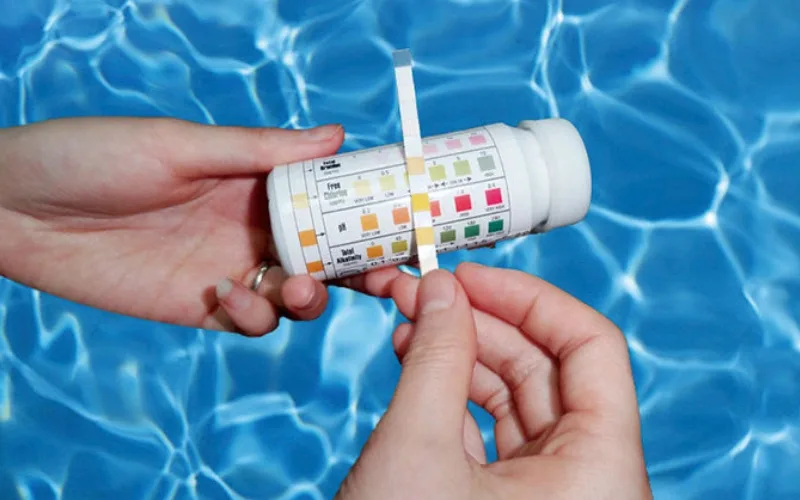
Image source: Bing (Web (fair-use with source credit))
Before adding any chemicals, you absolutely must test your water. This tells you the current state of your pool's chemistry, which directly impacts how well your treatments will work.
What to Test: Use a reliable test kit or test strips to check:
- pH: Ideal range is 7.2-7.6. High pH makes chlorine less effective.
- Total Alkalinity: Aim for 80-120 ppm (parts per million). This helps buffer pH.
- Sanitizer Level: Check your free chlorine or bromine levels.
Why It Matters: If your pH is too high, your shock treatment won't work effectively. If your sanitizer is already depleted, you'll just be adding chemicals to water that can't hold a residual. Adjusting pH and alkalinity first is often necessary. For instance, if your pH is above 7.8, you’ll need to lower it before shocking. You can use a pH reducer (like muriatic acid or sodium bisulfate) to bring it down.
2. Brush, Brush, Brush Those Walls!
Once your water is tested, it’s time to get physical. Algae cling to pool surfaces, and chemicals alone can’t always penetrate every nook and cranny.
- Tools: You’ll need a stiff pool brush specifically designed for above-ground pools. For vinyl liners, avoid brushes with overly abrasive bristles that could cause damage.
- Technique:
- Brush all walls, steps, ladders, and the pool floor vigorously.
- Focus on areas where algae seem to be concentrated.
- Brush towards the main drain or skimmer so debris gets pulled into the filtration system.
- This step loosens the algae, making it easier for the chemicals to kill it and for your filter to remove the dead particles.
3. Shock It Right: Killing the Algae
Shocking your pool is essentially super-chlorinating it to kill off contaminants, including algae. This is a critical step in the removal process.
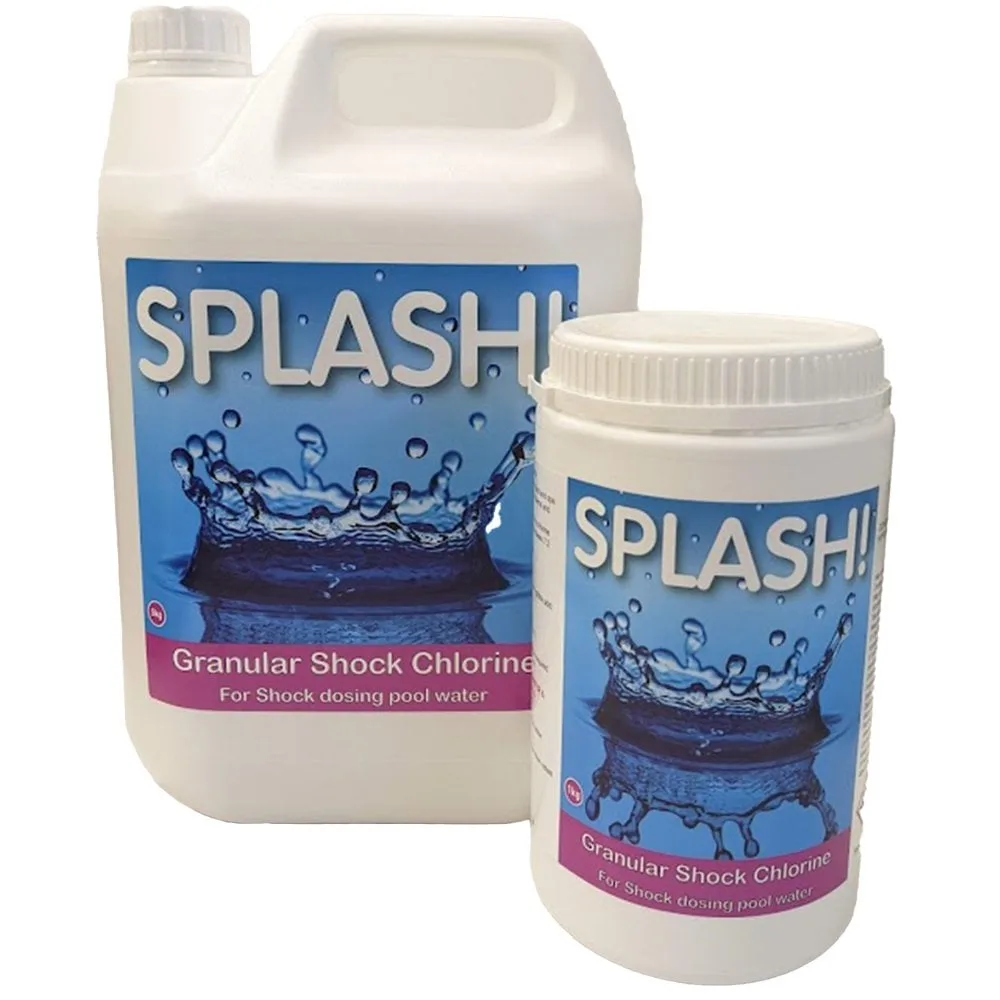
Image source: Bing (Web (fair-use with source credit))
Choosing Your Shock:
- Chlorine Shock: This is the most common and effective. Use granular chlorine shock (calcium hypochlorite). For a moderately green pool, you'll need to use a higher dosage than for routine sanitation. Check the product label for "shock" or "super-chlorination" rates; you may need to double or even triple the standard dose for algae removal.
- Non-Chlorine Shock: If you're sensitive to chlorine or have certain types of pool finishes, a non-chlorine shock (potassium monopersulfate) is an option. It’s less aggressive but can still help oxidize contaminants. However, for significant algae blooms, chlorine shock is generally more potent.
How to Do It:
- Always shock your pool at dusk or at night. Sunlight can dissipate chlorine, making your shock treatment less effective.
- Ensure your pool pump and filter are running.
- Pre-dissolve granular shock in a bucket of pool water according to the product instructions before adding it to the pool. This prevents the chemicals from settling on the pool floor and potentially bleaching surfaces.
- Broadcast the dissolved shock evenly around the pool, especially in areas with visible algae.
Dosage: The amount of shock needed depends on the size of your pool and the severity of the algae bloom. For a typical 15-foot round, 4-foot deep above-ground pool (around 6,000 gallons), you might need 2-3 pounds of granular chlorine shock for a mild bloom, and potentially 4-6 pounds or more for a severe one. Always refer to the specific product's instructions for treating algae.
4. Filtering and Vacuuming: The Clean-Up Crew
After shocking, the hard work of your chemicals begins, but the physical clean-up is just as vital. Your filter and vacuum are your best friends in removing the dead algae.
- Run the Filter: Keep your pool pump and filter running 24 hours a day until the water is clear. This is non-negotiable. The filter traps the dead algae particles.
- Filter Maintenance: You'll likely need to clean your filter much more frequently than usual.
- Cartridge filters: Rinse the cartridge thoroughly with a hose. You may need to do this daily. If the cartridge is heavily fouled or won't come clean, it might be time to replace it.
- Sand filters: Backwash the filter when the pressure gauge reads 8-10 psi above its clean starting pressure. You might need to backwash multiple times a day.
- Vacuuming: Once the water clarity improves enough to see the pool floor, vacuum.
- Manual Vacuum: Connect your vacuum head to your skimmer or pump intake. Slowly vacuum the pool floor, moving debris towards the main drain if possible. If the water is still cloudy, vacuum to waste (if your filter system allows) to remove fine particles without clogging the filter. This might require a separate setup or using a specific valve on your filter.
- Automatic Cleaners: If you have an automatic cleaner, ensure it's functioning correctly. It will help collect debris as the filter runs.
5. Balancing Your Water: Preventing Round Two
Once the water is clear and the dead algae is removed, your job isn't quite done. You need to re-balance your pool's chemistry to prevent algae from returning.
- Re-Test: After shocking and filtering, test your water again. Your chlorine levels will likely be very high. You need to let them drop to a safe swimming level (1-3 ppm free chlorine) before people can swim.
- Adjust Chemicals:
- pH and Alkalinity: If your shock treatment or the initial imbalance threw off your pH or alkalinity, adjust them now to their ideal ranges (pH 7.2-7.6, Alkalinity 80-120 ppm).
- Sanitizer: Ensure your free chlorine level is between 1-3 ppm. If it's too low, you might need to add a small amount of regular chlorine. If it's still too high, you can use a pool shock neutralizer or simply wait it out.
- Add Algaecide (Optional but Recommended): For an extra layer of protection after the initial cleanup, consider adding a quality algaecide. This acts as a preventative measure. Follow the product’s instructions for dosage based on your pool's volume. Some algaecides are specifically designed to kill existing algae, while others are purely preventative.
- Maintain Regular Testing: Continue to test your water chemistry at least twice a week and maintain proper sanitizer levels to keep algae at bay. Consistent maintenance is your best defense against future blooms.
Choosing the Right Algaecide for Stubborn Stains
While shocking and proper water balance are your primary weapons against algae, an algaecide can be a powerful secondary tool, especially for preventing recurrences or dealing with difficult algae types. Not all algaecides are created equal, and selecting the right one can make a difference.
Types of Algaecides:
- Quaternary Ammonium Compounds (Quats): These are common and effective against green algae. They work by disrupting the algae's cell membranes. They are generally safe for most pool surfaces.
- Polymeric Algaecides: These are often copper-based or use other metal ions. They are very effective against a broad spectrum of algae, including black and yellow strains. However, copper-based algaecides can potentially stain pool surfaces if not used correctly or if the water chemistry is out of balance. Always follow dosage instructions precisely.
- Silver Ion Algaecides: These use silver ions to inhibit algae growth. They can be a good long-term preventative but might be less effective for rapidly clearing a severe bloom compared to chlorine shock or strong copper-based treatments.
When to Use:
- Preventative: Adding a maintenance dose of algaecide after clearing an algae bloom, and continuing with regular doses, is highly recommended. This keeps algae from taking root.
- Treatment: For yellow or black algae, a stronger, often copper-based, algaecide is usually needed in conjunction with shocking and brushing. Be prepared for multiple treatments and diligent filtering if dealing with these types.
Important Considerations:
- Always Follow Instructions: Read and adhere strictly to the dosage instructions on the algaecide's label, based on your pool's exact volume. Overdosing can lead to foamy water or staining.
- Water Chemistry: Ensure your pH and alkalinity are balanced before adding algaecide. Incorrect water chemistry can render the algaecide ineffective or even cause staining.
- Circulation: Always run your pump and filter when adding algaecide to ensure it distributes evenly throughout the pool.
Choosing an algaecide is part of a comprehensive approach. It's not a magic bullet that replaces proper sanitation and filtration, but it's an excellent partner in keeping your above-ground pool water clear and inviting.
Common Algae Mistakes That Keep Your Pool Green
Even with the best intentions, it's easy to make mistakes when fighting algae. These missteps can prolong the problem, cost you more money in chemicals, and lead to frustration.
- Not Testing Water First: Many people rush to add shock or algaecide without first testing their water's pH and alkalinity. If your pH is too high, your shock treatment will be largely ineffective, and you'll just be wasting chemicals. Always test and adjust pH and alkalinity before shocking or adding other treatments.
- Under-Shocking: Not using enough shock is a common error. Algae blooms, especially severe ones, require a significantly higher dose of shock than routine sanitation. Check the product label for algae treatment rates and be prepared to use more than you think you might need.
- Not Brushing Enough (or at all): Chemicals kill algae, but brushing physically dislodges it. If you skip brushing, the algae will remain stuck to surfaces, allowing it to regrow or preventing the chemicals from fully penetrating. Brush thoroughly before and after shocking.
- Skipping Filter Cleaning: Your filter is crucial for removing dead algae. If it's clogged, it can't do its job. You might need to backwash or clean your filter cartridge daily, or even multiple times a day, when dealing with a heavy algae bloom. Don't assume a quick rinse is enough; a very dirty filter can clog quickly and push more algae back into the pool.
- Not Running the Pump Long Enough: After shocking, you need to circulate the water continuously (24/7) until it’s clear. Shutting off the pump too early means dead algae particles settle back to the bottom and can re-bloom.
- Adding Algaecide Too Soon: While algaecides are useful, they are often less effective against live, dense algae blooms compared to a strong shock treatment. Use algaecide primarily as a preventative measure or for stubborn strains after the initial shock and clean-up.
- Ignoring Water Balance Post-Treatment: Once the water is clear, it’s tempting to stop all maintenance. However, algae will return if your water chemistry isn't balanced. Regularly test and maintain your pH, alkalinity, and sanitizer levels.
Avoiding these common pitfalls will dramatically increase your success rate in clearing algae and keeping your above-ground pool pristine.
When to Call a Pool Pro
Most algae problems in above-ground pools can be handled by a diligent homeowner. However, there are times when calling in a professional pool service is the smartest move.
- Persistent Black Algae: If you've tried multiple treatments (shocking, specific black algae treatments, diligent brushing) over several weeks and the black spots keep returning, it might be time to call a pro. Black algae can be incredibly stubborn and may require specialized equipment or chemicals that aren't readily available to consumers.
- Extreme Algae Blooms: If your pool is so green you can barely see your hand in front of your face, and you've already attempted a strong shock treatment with little improvement, a professional can assess the situation. They have access to stronger treatment options and can often clear a severely neglected pool more quickly and efficiently.
- Equipment Concerns: If you suspect your pool pump or filter isn't working correctly, or if you're unsure how to properly operate or maintain your specific filtration system, a professional can diagnose the issue. A malfunctioning pump or filter can severely hinder any algae removal efforts.
- Frequent Algae Issues: If you find yourself battling algae constantly, even with regular maintenance, a pool service technician can perform a thorough analysis of your water chemistry, filtration, and circulation to identify underlying causes. They might uncover issues like a failing filter, excessive phosphates in the water, or improper equipment sizing.
- Time Constraints: Sometimes, life just gets too busy. If you don't have the time or energy to dedicate to the multi-day process of clearing a severe algae bloom, hiring a professional is a practical solution to get your pool swim-ready quickly.
For most homeowners, a robust approach combining testing, brushing, shocking, and consistent filtering will resolve algae issues. But knowing when to delegate is also part of smart pool ownership.
Frequently Asked Questions About Pool Algae
Why is my above ground pool water green even after I shocked it?
This can happen for a few reasons. You might not have used enough shock for the severity of the algae bloom, or your water chemistry (especially pH) wasn't properly balanced beforehand, making the shock less effective. It's also possible that the dead algae hasn't been fully filtered out yet, or that new algae spores were introduced.
Ensure you’re filtering continuously and consider adding an algaecide as a preventative measure.
How long does it take to clear algae from an above ground pool?
The timeline varies depending on the type and severity of the algae. Mild green algae might clear up in 24-48 hours with proper shocking and filtration. More severe blooms, or dealing with yellow or black algae, can take anywhere from 3 days to over a week, often requiring repeat treatments and constant filter cleaning.
Patience is key.
Can I swim in a pool with algae?
It's generally not recommended to swim in a pool with a visible algae bloom. Algae can make pool surfaces slippery and increase the risk of slips and falls. More importantly, the water chemistry needed to kill algae (high chlorine levels) is not safe for swimmers.
Wait until the water is clear, and your free chlorine levels have returned to the safe swimming range (1-3 ppm).
What are phosphates and how do they contribute to algae growth?
Phosphates are essentially food for algae. They can enter your pool from various sources, including decaying organic matter (leaves, dirt), some fertilizers, and even certain pool chemicals. High phosphate levels (above 500 parts per billion, ppb) can make it very difficult to control algae, even with proper chlorine levels.
If you have persistent algae problems, testing for and reducing phosphates might be necessary.
Should I use a pool vacuum or just let the filter handle it?
While the filter is essential for removing dead algae, vacuuming is crucial for two main reasons. First, it physically removes larger clumps of dead algae and debris from the pool floor that the filter might not capture efficiently. Second, if your filter is overwhelmed, vacuuming to waste (if your system allows) can remove large amounts of particulate matter without clogging the filter.
Once the water starts clearing, vacuuming is a critical step in the cleanup process.
Keeping Your Above Ground Pool Crystal Clear: Long-Term Tips
Preventing algae is always easier than removing it. A few consistent habits can keep your above-ground pool looking its best throughout the swimming season.
- Maintain Water Chemistry: Regularly test your water (at least twice a week) and keep your pH, alkalinity, and sanitizer levels in their ideal ranges. This is your number one defense.
- Run Your Filter Daily: Ensure your pump runs long enough each day to circulate and filter all the water in your pool. For most above-ground pools, this means 8-12 hours a day, depending on the pump's efficiency.
- Skim and Brush Weekly: Remove leaves, bugs, and other debris from the surface with a skimmer net. Brush the walls and floor at least once a week to prevent any early algae growth from taking hold.
- Clean Your Filter Regularly: Don't wait until the pressure gauge is high. Follow the manufacturer's recommendations for cleaning your cartridge, sand, or DE filter. A clean filter works more effectively.
- Use a Preventative Algaecide: Once your pool is clear after an algae outbreak, or at the start of the season, add a maintenance dose of a quality algaecide. This provides an extra layer of protection.
- Control Phosphates: If you have a lot of surrounding trees or use fertilizers, phosphates can enter your pool. Consider testing for phosphates and using a phosphate remover if levels are high.
- Keep the Area Around the Pool Clean: Sweep away leaves, grass clippings, and dirt from the pool deck to prevent them from washing into the water.
- Don't Overload the Pool: Too many swimmers can introduce organic contaminants that feed algae. Ensure your sanitizer levels are adequate, especially after heavy use.
By incorporating these simple practices into your routine, you can enjoy consistently clear and inviting water in your above-ground pool without the constant battle against algae.

