

Mold in your bathroom can be stubborn and frustrating. You might wonder, does your bathroom cleaner actually kill mold or just hide it?
If you’ve been scrubbing without seeing real results, it’s time to get the facts. Understanding how bathroom cleaners work against mold can save you time, money, and keep your home healthier. Keep reading to discover what really works and how you can finally get rid of that pesky mold for good.
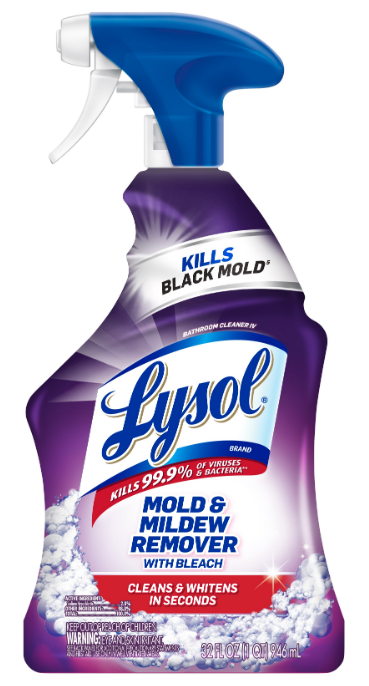
How Mold Grows In Bathrooms
Mold often appears in bathrooms due to moisture and warmth. Bathrooms provide a perfect home for mold spores to grow. Understanding how mold grows helps in controlling and preventing it effectively.
Common Mold Types
Several mold types grow in bathrooms. Black mold is the most known and can cause health issues. White mold often looks fuzzy and grows on damp surfaces. Green mold appears on grout and shower curtains. Each type thrives in wet, dark places.
Conditions Favoring Mold Growth
Mold needs moisture to grow. Bathrooms have high humidity from showers and baths. Poor ventilation traps moisture inside. Warm temperatures speed up mold growth. Mold grows on porous surfaces like tile grout and wood. Standing water and leaks also help mold spread quickly.
Effectiveness Of Bathroom Cleaners Against Mold
Mold grows easily in bathrooms. It likes damp and warm places. Many people use bathroom cleaners to stop mold. These cleaners can kill mold spores on surfaces. But not all cleaners work the same way or have the same power.
Choosing the right cleaner helps keep your bathroom safe and clean. Understanding what makes a cleaner effective is important. This section explains which ingredients kill mold and the limits of common cleaners.
Ingredients That Kill Mold
Some bathroom cleaners contain strong ingredients that kill mold well. Common ingredients include bleach, hydrogen peroxide, and ammonia. These chemicals break down mold cells quickly. They stop mold from growing back soon.
Other cleaners use natural ingredients like vinegar or tea tree oil. These can work but usually take longer to remove mold. They are safer for people and pets but may need repeated use.
Limitations Of Standard Cleaners
Not all bathroom cleaners kill mold completely. Many only clean dirt and soap scum. Mold can hide in cracks and porous surfaces. Standard cleaners may not reach these areas well.
Some cleaners remove mold on the surface but do not kill deep roots. Mold can return after a short time. Also, improper use of cleaners reduces their power. Always follow instructions for best results.
Choosing The Right Mold-killing Products
Choosing the right mold-killing products is key to a clean bathroom. Not all cleaners kill mold effectively. Some products work better on certain surfaces and mold types. Knowing your options helps you pick the best solution for your home.
Commercial Mold Removers
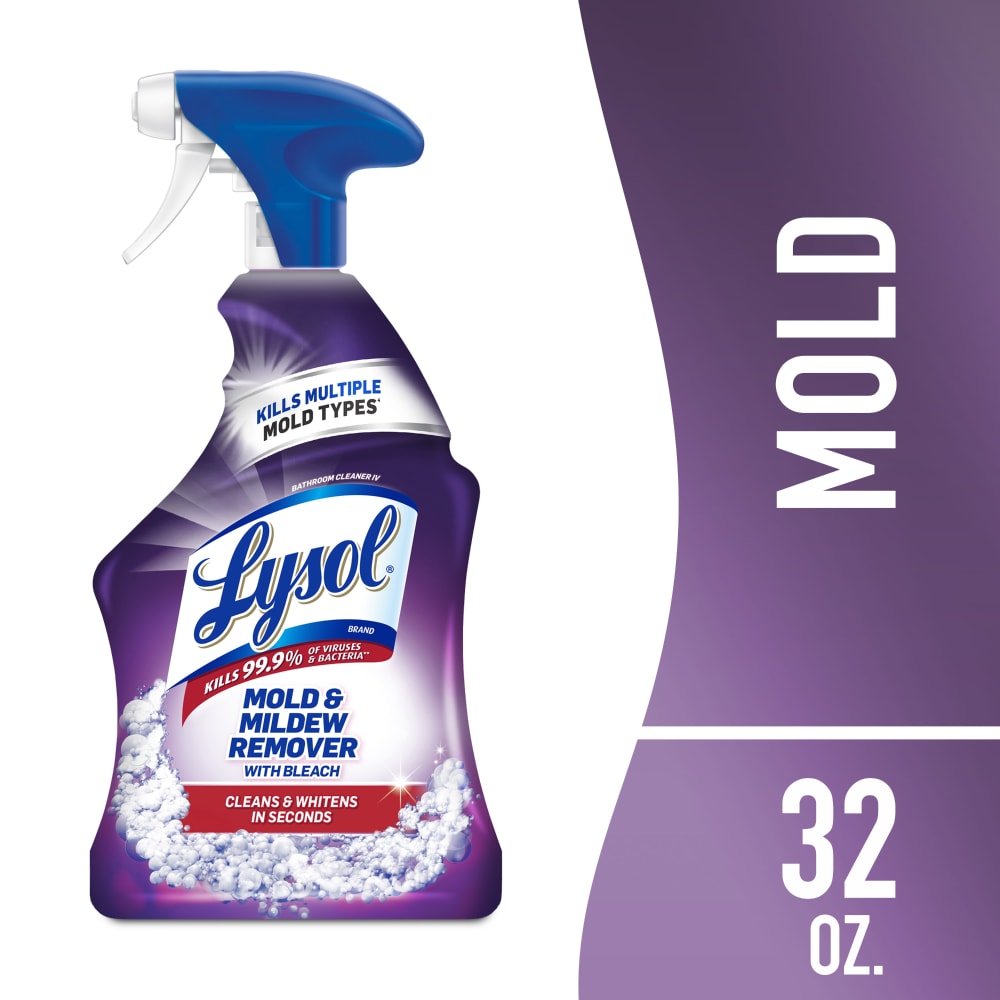
Commercial mold removers are made to kill mold fast. They contain strong chemicals that destroy mold spores. These products often work well on tiles, grout, and shower walls. Many come with instructions for safe use. Always follow the label to avoid damage or health risks.
These removers usually clear visible mold and stop it from coming back. They save time and effort. Some formulas also remove stains left by mold. Choose a product rated for bathroom use for the best results.
Natural Alternatives
Natural alternatives offer a safer way to fight mold. Common ingredients include vinegar, baking soda, and tea tree oil. These substances kill mold without harsh chemicals. They suit those with sensitive skin or allergies.
Vinegar kills many mold types and deodorizes the area. Baking soda helps scrub mold and absorb moisture. Tea tree oil acts as a natural fungicide and leaves a fresh scent. These options require more time and effort but reduce chemical exposure.
Step-by-step Mold Removal Process
Mold in the bathroom can cause health issues and damage walls and tiles. Removing mold properly stops it from coming back. Follow a clear step-by-step process for safe and effective mold removal.
Preparation And Safety Measures
Wear gloves, a mask, and goggles to protect your skin and lungs. Open windows for fresh air and better ventilation. Remove items near the mold to avoid contamination. Use plastic sheets to cover areas not affected by mold. Keep children and pets away during cleaning.
Cleaning Techniques
Spray bathroom cleaner directly on the moldy surface. Let it sit for 10 minutes to break mold down. Scrub with a brush or sponge to remove mold stains. Rinse the area with clean water and dry it well. Repeat if mold spots remain after the first cleaning.
Post-cleaning Care
Keep the bathroom dry to prevent mold return. Use a fan or dehumidifier to reduce moisture. Fix leaks and improve ventilation with an exhaust fan. Clean surfaces regularly with bathroom cleaner. Check mold-prone areas often for early signs.
Preventing Mold From Returning
Stopping mold from coming back needs more than just cleaning. Mold grows well in damp, warm places. Keeping your bathroom dry is key. Small habits make a big difference in mold control.
Moisture Control Tips
Ventilate your bathroom after every shower. Open windows or use an exhaust fan. Wipe down wet surfaces like walls and sinks. Fix leaks quickly to stop water buildup. Use a dehumidifier if your bathroom feels very damp.
Regular Cleaning Habits
Clean your bathroom at least once a week. Use bathroom cleaner that kills mold spores. Focus on tiles, grout, and corners. Dry surfaces after cleaning to remove moisture. Avoid letting soap scum build up. Soap scum helps mold grow faster.
When To Call A Professional
Bathroom cleaners can kill small patches of mold, but some situations need more help. Mold can hide deep inside walls or spread quickly. A professional can find and remove mold safely and fully. Knowing when to call an expert protects your home and health.
Signs Of Severe Mold Infestation
Large mold patches that grow fast need expert help. Mold with a strong, musty smell shows serious growth. Walls or ceilings with water stains or damage hint at hidden mold. If mold returns after cleaning, professionals can find the root cause.
Health Risks Associated With Mold
Mold causes allergies, coughing, and skin rashes. People with asthma or weak immune systems get sicker. Long exposure to mold can cause breathing problems. Professionals use safe methods to remove mold and protect your health.
Frequently Asked Questions
Does Bathroom Cleaner Effectively Kill Mold?
Most bathroom cleaners kill surface mold but may not eliminate deep mold. Use cleaners with mold-fighting ingredients for better results. For severe mold, specialized mold removers work best.
Can Bathroom Cleaner Prevent Mold Regrowth?
Bathroom cleaners can reduce mold spores but may not fully prevent regrowth. Regular cleaning and moisture control are key to stopping mold from returning.
Is Bleach-based Bathroom Cleaner Good For Mold?
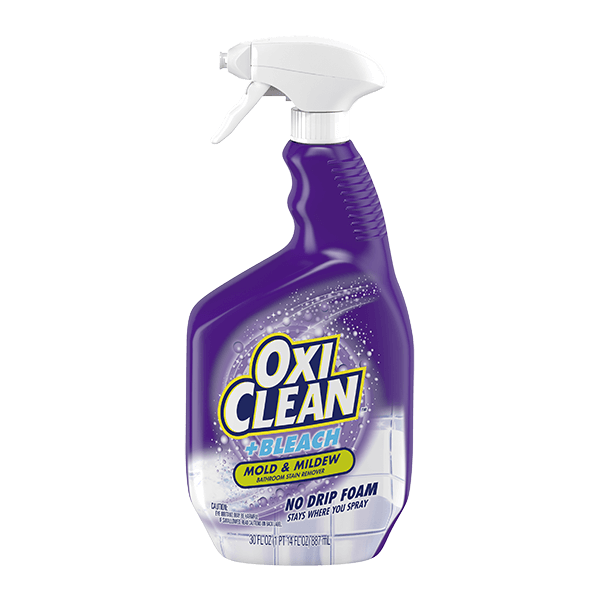
Bleach-based cleaners kill mold on non-porous surfaces effectively. However, they may not penetrate porous materials and can cause discoloration or damage.
How Often Should I Use Bathroom Cleaner To Remove Mold?
Use bathroom cleaner weekly in damp areas to control mold. Frequent cleaning helps stop mold buildup and maintains a healthy bathroom environment.
Conclusion
Bathroom cleaners can kill mold on many surfaces. Use them carefully and follow instructions. Some mold may need stronger products or help from experts. Clean regularly to stop mold from growing back. Keep your bathroom dry and ventilated to prevent mold.
Stay safe by wearing gloves and masks during cleaning. Mold control takes time and effort. Choose the right cleaner for your mold problem. Small steps make a big difference in keeping your bathroom fresh.

