

When sand gets into your car’s upholstery and carpets, it’s a persistent problem. Regular vacuums can struggle to pick up fine sand particles, often leaving them embedded deep within the fabric. Finding the best vacuum for sand in cars means looking for powerful suction, specialized attachments, and durable construction. This guide will help you choose a vacuum that can tackle this gritty challenge effectively.
Why Sand Is Tough To Vacuum
Sand is different from typical dust and dirt. Its small, hard grains can cling to fibers and get pushed deeper into carpets rather than being lifted. This makes it crucial to have a vacuum with strong suction power and the right tools to dislodge and capture these particles.
Key Features To Look For
When shopping for a car vacuum to combat sand, several features stand out as essential. Prioritizing these will lead you to a more effective cleaning tool.
Powerful Suction
This is the most critical factor. Look for vacuums with high Air Watts (AW) or Pascal (Pa) ratings, which indicate suction strength. A higher number generally means better performance, especially for stubborn debris like sand.
Specialized Attachments
Several attachments are particularly useful for car interiors and sand removal:
- Crevice Tools: These long, narrow attachments reach into tight spots like between seats, seat rails, and door pockets where sand loves to hide.
- Brush Attachments: A stiff-bristled brush attachment can agitate carpet fibers, loosening sand so the vacuum can suck it up. Some vacuums have motorized brush heads specifically for this.
- Upholstery Tools: These are designed to lift dirt and debris from fabric surfaces without causing damage.
Filtration System
A good HEPA filter or a multi-stage filtration system is important. It traps fine sand particles and allergens, preventing them from being exhausted back into the air. This is especially beneficial for people with allergies.
Corded Vs. Cordless
- Corded Vacuums: These typically offer consistent, strong suction power as they don’t rely on battery life. They are great for deep cleaning sessions. However, you need access to a power outlet, which might be inconvenient for car cleaning.
- Cordless Vacuums: These offer maximum portability and convenience. Look for models with long battery life and fast charging capabilities. Battery performance can degrade over time, and suction might be slightly less powerful than corded counterparts.
Durability And Ease Of Use
Car cleaning can be rough. Choose a vacuum made from sturdy materials that can withstand frequent use. Lightweight designs and ergonomic handles make the cleaning process less tiring. Easy-to-empty dustbins are also a big plus.
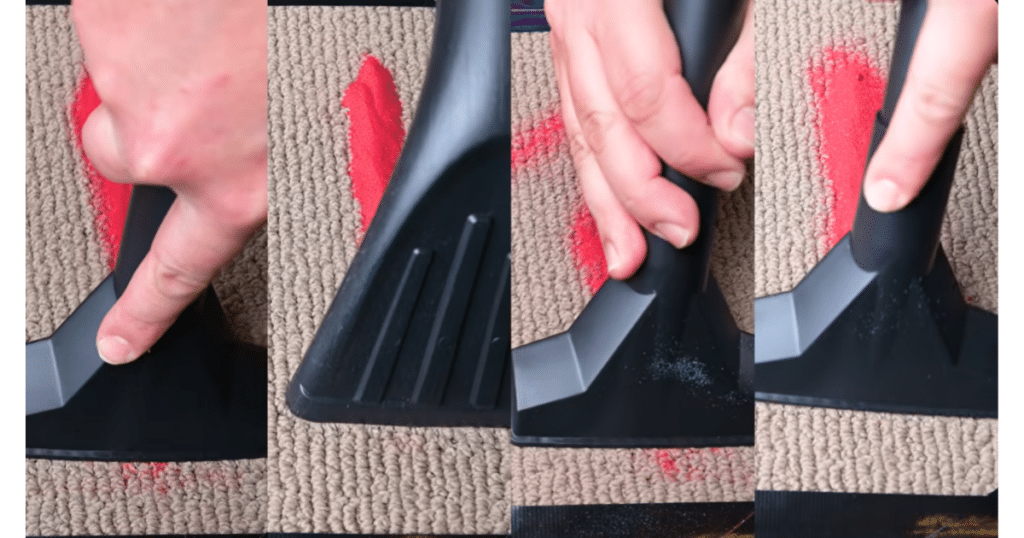
Top Vacuum Types For Sand In Cars
Different types of vacuums excel in specific areas. Understanding these can help you narrow down your choices.
Handheld Vacuums
These are popular for car cleaning due to their compact size and portability. Many modern handhelds offer surprisingly strong suction.
Pros:
- Extremely portable and easy to maneuver.
- Great for quick cleanups and tight spaces.
- Often come with useful car-specific attachments.
Cons:
- Limited battery life (for cordless models).
- Smaller dustbins require frequent emptying.
- May not have the deep-cleaning power of larger vacuums.
Example: The Black+Decker 20V MAX Cordless Handheld Vacuum is a popular choice for its good suction and range of accessories. It’s ideal for tackling sand on seats and floor mats.
Stick Vacuums
Stick vacuums are lightweight and slim, making them easy to store and use. Many can convert into handheld vacuums for added versatility.
Pros:
- Lightweight and easy to handle.
- Can often convert to handheld for more focused cleaning.
- Good for larger floor areas and quick passes.
Cons:
- May struggle with very deep-pile carpets compared to canister vacuums.
- Battery life can be a concern for cordless models.
Example: A cordless stick vacuum like the Dyson V11 offers excellent suction and advanced filtration, making it effective for pulling sand from car carpets. Its ability to convert to a handheld is also a major advantage.
Canister Vacuums (with Car Attachments)
While larger, canister vacuums often provide the strongest suction and the most robust filtration systems. Many come with specific car detailing kits.
Pros:
- Superior suction power for deep cleaning.
- Larger dust capacity.
- Often more durable for heavy-duty tasks.
Cons:
- Less portable and harder to maneuver in tight car spaces.
- Requires a power outlet.
Example: For serious detailing, a corded canister vacuum like the Shop-Vac 6-Gallon 4.5 Peak HP Wet/Dry Vac can be a powerhouse. Its wet/dry capability means it can handle spills as well as dry debris like sand.
Wet/dry Vacuums
These are designed to handle both liquid and dry messes, making them versatile for car interiors. They are often very powerful.
Pros:
- Can handle spills and dry debris like sand.
- Typically have strong suction.
- Durable construction.
Cons:
- Can be bulky and heavy.
- May require more effort to clean thoroughly.
Example: Many Craftsman Wet/Dry Vacs are excellent for car cleaning. Their strong suction and large capacity tanks are perfect for removing sand and other debris.
Comparison Of Key Features
Here’s a look at how different vacuum types stack up for sand removal.
| Feature | Handheld Vacuums | Stick Vacuums | Canister Vacuums (Car Kits) | Wet/Dry Vacuums |
|---|---|---|---|---|
| **Suction Power** | Moderate to High | Moderate to High | Very High | High to Very High |
| **Portability** | Excellent | Very Good | Poor | Moderate |
| **Attachments** | Often good car-specific | Good, convertible | Excellent car detailing kits | Good, versatile |
| **Best For** | Quick cleanups, tight spaces | General car cleaning, versatility | Deep cleaning, heavy debris | Tough messes, spills, sand |
| **Power Source** | Cordless (mostly) | Cordless (mostly) | Corded | Corded (mostly) |
:max_bytes(150000):strip_icc():focal(2578x0:2580x2)/peo-car-vacuums-test-blackdecker-bdh2020fl-gen-2-flex-amazon-dburreson-002-26-5245b8520bbb4f7f95ddc7ccb2115c4f.jpg)
Tips For Vacuuming Sand From Your Car
Even with the right vacuum, technique matters. Here are some tips to maximize your sand removal efforts.
Prepare The Area
Before you start vacuuming, remove loose items like floor mats, trash, and personal belongings. Shake out floor mats outdoors to remove as much sand as possible before vacuuming them.
Work In Sections
Divide your car into small sections (e. g. , driver’s side floor, passenger seat). This helps ensure you don’t miss any spots and allows you to focus on thoroughly cleaning each area.
Use The Right Attachments
Start with a brush attachment to agitate the carpet fibers and loosen embedded sand. Then, switch to a crevice tool to get into seams and edges where sand collects.
Multiple Passes Are Key
Don’t expect to get all the sand in one pass. You’ll likely need to go over areas multiple times, changing attachments and directions, to lift all the stubborn grains.
Don’t Forget Hidden Areas
Pay attention to the trunk, under the seats, seat rails, and door pockets. Sand tends to accumulate in these often-overlooked spots.
Pro Tip: For extremely stubborn sand, especially in tightly woven carpets, try using a stiff brush to “scrub” the sand towards your vacuum nozzle. This manual agitation can make a big difference.
Maintenance For Your Vacuum
To keep your vacuum performing at its best, regular maintenance is essential.
- Empty the Dustbin: Always empty the dustbin or bag after each use, especially when dealing with

