

Understanding the right voltage for a car vacuum is key to effective cleaning without damaging your vehicle or the device. Most car vacuums operate on 12-volt DC power, drawing directly from your car’s cigarette lighter or 12V accessory port. This standard voltage is chosen for safety and compatibility with your vehicle’s electrical system.
Why 12-volt Is Standard
The 12-volt system is a universal standard in automobiles. It’s powerful enough to run small appliances like vacuums but low enough to be safe. Using a higher voltage could risk electrical damage to your car’s wiring or the vacuum itself.
Understanding Car Vacuum Power
Car vacuums are designed to be portable and convenient. Their power source is a major factor in their performance and usability.
Amperage And Wattage Explained
While voltage is important, amperage (A) and wattage (W) also determine a vacuum’s cleaning power. Wattage is calculated by multiplying voltage by amperage (W = V x A). A higher wattage generally means a stronger suction.
For a 12V car vacuum, you’ll often see ratings like 100W or 120W. This is achieved with a higher amperage draw. For example, a 120W vacuum running on 12V would draw 10 amps (120W / 12V = 10A). It’s crucial to ensure your car’s accessory port can handle the amperage draw.
Most standard ports are designed for 10A or higher.
Corded Vs. Cordless Car Vacuums
Car vacuums come in two main types: corded and cordless.
Corded vacuums plug directly into your car’s 12V outlet. They typically offer consistent power and stronger suction because they are not limited by battery life. The length of the cord is also a factor, allowing you to reach different areas of your car.
Cordless vacuums run on rechargeable batteries. They offer maximum portability and freedom of movement. However, their suction power can be less consistent, and they are limited by battery charge. You’ll need to ensure the battery is charged before use. The voltage of these internal batteries varies, but they are designed to be charged via a standard wall outlet or sometimes a car’s 12V port.

Factors Affecting Car Vacuum Performance
Several elements influence how well a car vacuum cleans. Voltage is a primary one, but others play significant roles.
Suction Power
The suction power, often measured in air watts (AW) or Pascals (Pa), is the most critical performance metric. Higher suction means the vacuum can pick up dirt and debris more effectively. While 12V is the standard voltage, the motor’s efficiency and design greatly impact the actual suction.
A vacuum with a higher wattage rating will generally have better suction. For instance, a 150W vacuum will likely perform better than a 100W model. Always check the specifications for suction power if available.
Filtration System
A good filtration system is essential for trapping fine dust and allergens. Many car vacuums use HEPA filters or multi-stage filtration to prevent dust from being recirculated into the air. A vacuum with poor filtration might not clean your car effectively and could even worsen air quality.
Attachments And Accessories
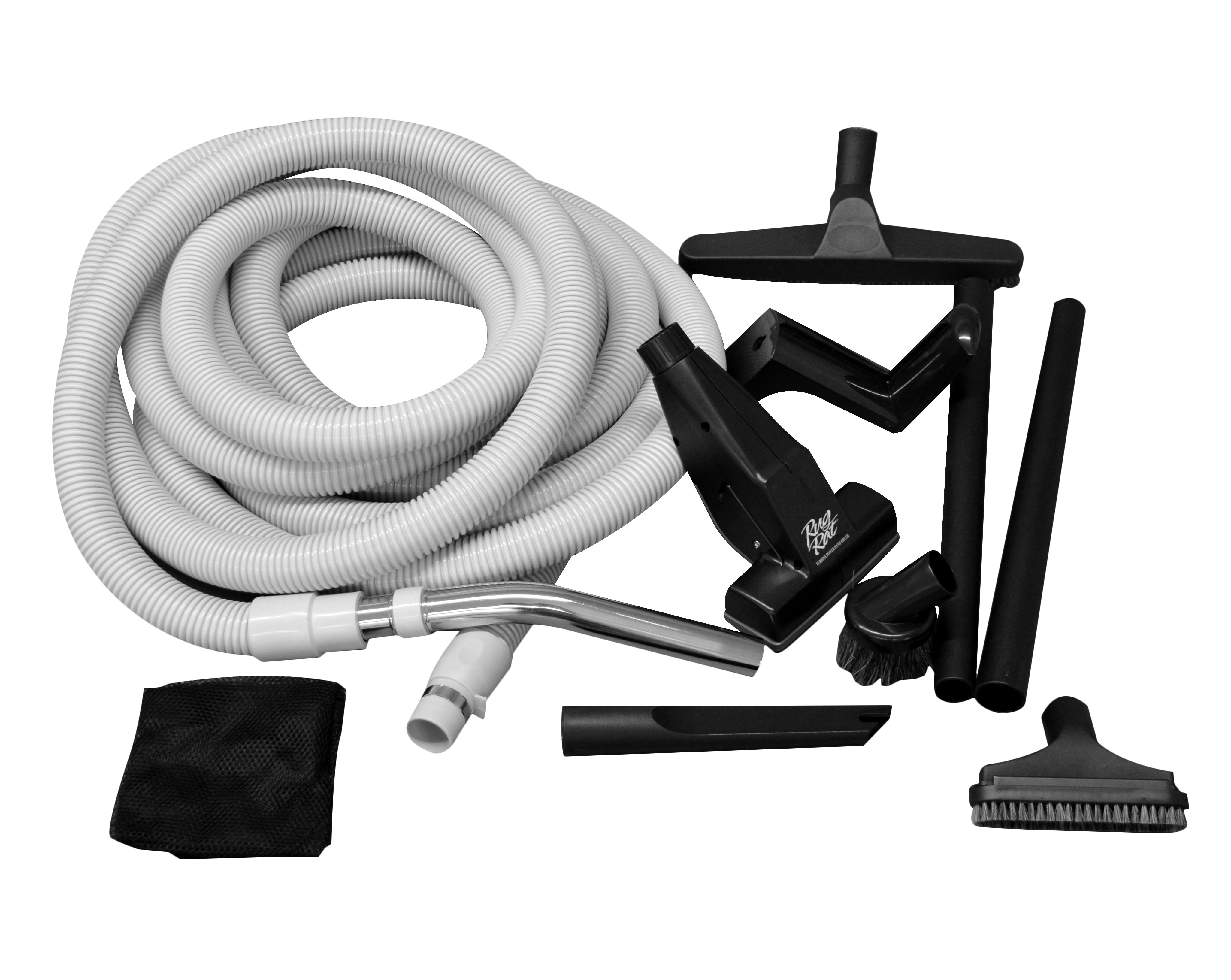
The included attachments can significantly enhance a car vacuum’s versatility. Crevice tools are great for tight spots, brush attachments help lift stubborn dirt from carpets, and extension hoses provide extra reach. The best vacuum will come with tools suited for the specific cleaning challenges in a car, like seat crevices and floor mats.
Here’s a look at common attachments and their uses:
- Crevice Tool: Perfect for reaching into narrow gaps between seats, door panels, and the center console.
- Brush Tool: Ideal for agitating and lifting dirt from fabric upholstery, carpets, and floor mats.
- Extension Hose: Provides extra reach to get to hard-to-access areas without moving the vacuum itself.
- Upholstery Tool: Often has a fabric strip to help lift dust and hair from car seats.
Durability And Build Quality
Car interiors can be tough environments. A vacuum made with durable materials will withstand regular use better. Consider the casing, the cord (if corded), and the quality of the attachments.
Choosing The Right Car Vacuum
When selecting a car vacuum, consider your specific needs and the type of cleaning you’ll be doing.
Power Source Preference
Decide whether a corded or cordless model better suits your lifestyle. If you have a large vehicle or frequently need to clean for extended periods, a corded model might be more practical. For quick cleanups and maximum convenience, a cordless option is often preferred.
Suction Power Needs
Think about the typical messes you encounter. If you deal with a lot of pet hair, sand, or larger debris, prioritize vacuums with higher suction power. Look for models with at least 100W or a strong Pa rating.
Budget Considerations
Car vacuums vary widely in price. While more expensive models often offer better performance and features, there are excellent budget-friendly options available. Set a budget and look for the best value within that range.
Here is a comparison of typical car vacuum specifications:
| Feature | Basic Models | Mid-Range Models | Premium Models |
|---|---|---|---|
| Voltage | 12V DC | 12V DC | 12V DC |
| Wattage | 60W – 100W | 100W – 150W | 150W+ |
| Suction (approx.) | Low to Moderate | Moderate to High | Very High |
| Cord Length | 10-15 ft | 15-20 ft | 15-25 ft or Cordless |
| Filter Type | Standard washable | Washable or HEPA-like | True HEPA |
| Attachments | Basic crevice tool | Crevice tool, brush tool | Multiple specialized tools |
Pro Tip: Always check the amperage draw of a 12V vacuum. A vacuum drawing more than 10 amps might overload older or less robust car accessory ports.
Maintenance For Longevity
Proper maintenance ensures your car vacuum works efficiently for years.
Cleaning The Filter
Regularly clean or replace the vacuum’s filter. A clogged filter significantly reduces suction power. Most washable filters can be rinsed under water and air-dried. Check your vacuum’s manual for specific instructions.
Emptying The Dustbin
Empty the dustbin after each use. This prevents debris from being blown back into the car and maintains optimal suction.
Storing The Vacuum
Store your car vacuum in a dry place, away from extreme temperatures. If it’s a corded model, carefully wrap the cord to prevent damage. For cordless models, ensure the battery is stored at an appropriate charge level if it will be unused for a long time.
Frequently Asked Questions
What Is The Typical Voltage For A Car Vacuum?
The vast majority of car vacuums are designed to run on 12-volt DC power. This voltage is standard for vehicle electrical systems and ensures safe operation.
Can I Use A Car Vacuum With A Higher Voltage?
No, you should never use a car vacuum with a voltage higher than 12V. Doing so can permanently damage the vacuum cleaner and potentially harm your car’s electrical system.
:strip_icc()/bhg-dyson-car-boat-handheld-vacuum-emily-williams-13-0eb70a71873941e2af832abae87d3974.jpeg)
How Does Wattage Affect Car Vacuum Performance?
Wattage (W) is a measure of power

