

Can a pet vacuum clean a litter area? This is a common question for cat owners looking for easier ways to manage their pet’s mess. While the idea is appealing, the reality involves understanding the limitations and specific needs of cleaning a litter box area.
The primary function of a pet vacuum is to pick up pet hair and dander from floors and furniture. Cleaning a litter area, however, involves more than just fur. It means dealing with litter particles, dust, and potentially odors. Therefore, a standard pet vacuum might not be the best tool for the job.
Understanding Litter Box Messes
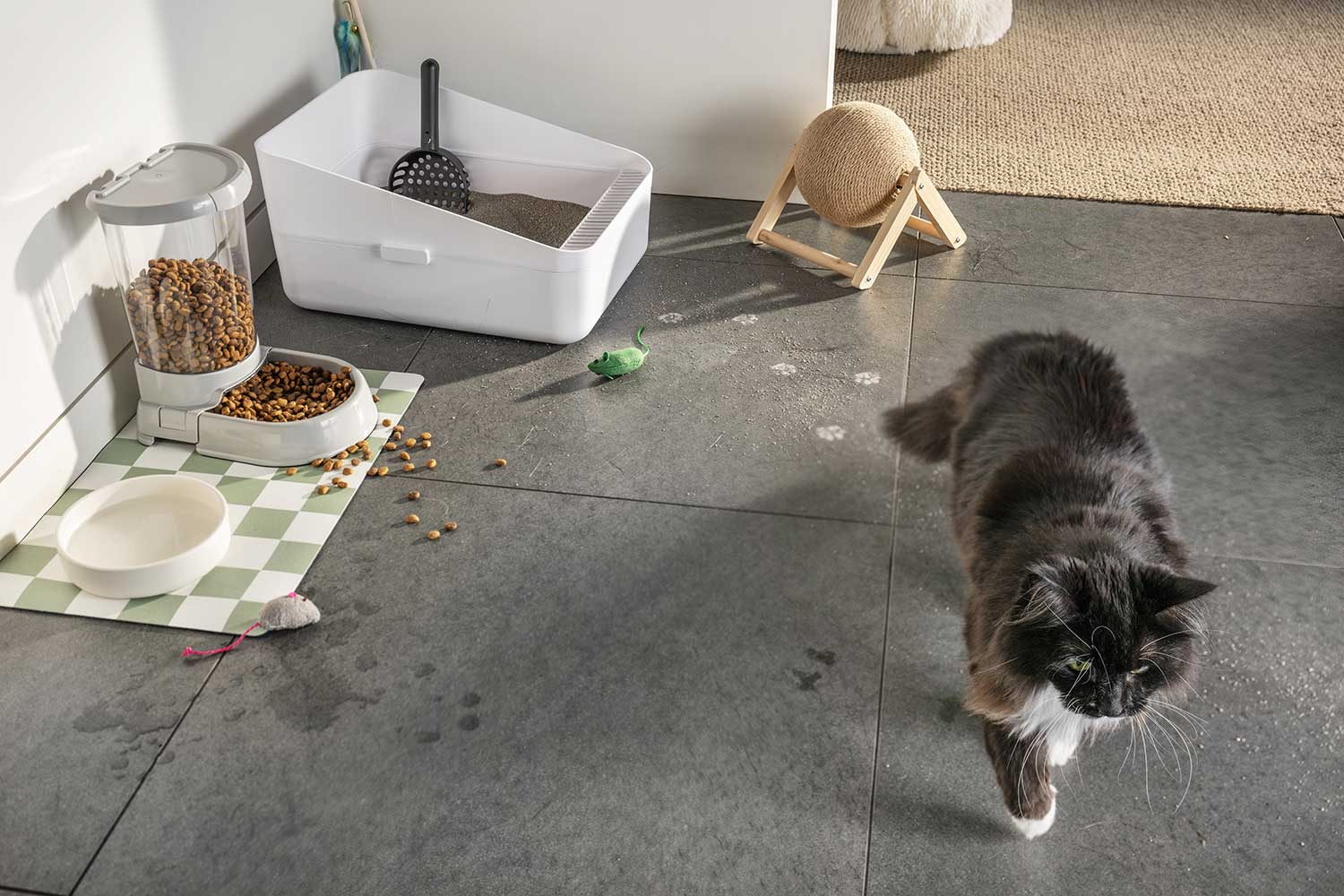
A litter box area is unique. It’s a magnet for cat litter dust, which can be very fine and clingy. This dust can get everywhere, coating surfaces and becoming airborne. Beyond dust, there are also tracked litter granules that scatter outside the box.
Litter boxes can also harbor unpleasant odors. While some vacuums have HEPA filters to capture fine particles, they are not designed to neutralize or remove smells. In fact, vacuuming dusty, odor-infused litter could potentially spread those smells further.
What A Pet Vacuum Can (and Cannot) Do
Pet vacuums excel at picking up pet hair from carpets and hard floors. They often come with specialized attachments for upholstery and crevices, making them great for general pet messes. They can certainly pick up stray litter granules that have fallen on the floor *around* the litter box.
However, a typical pet vacuum is not equipped to handle the fine, dusty particles of cat litter. The suction might not be strong enough to lift all the dust, and the dust can quickly clog the vacuum’s filters, reducing its efficiency.
Furthermore, most pet vacuums are not designed for wet messes, which can sometimes occur in or around a litter box.
Specialized Tools For Litter Areas
For effective cleaning of a litter area, specialized tools are often more practical and efficient. These tools are designed to tackle the specific challenges of litter dust and granules.
Litter Scoops
The most basic tool is a good litter scoop. Daily scooping is essential to remove waste and keep the litter box cleaner. Some scoops have wider openings to sift out more litter at once, while others have finer openings for different types of litter.
Litter Mats
Placing a litter mat outside the litter box is a smart move. These mats have textured surfaces or deep grooves that trap litter particles as your cat steps out. This significantly reduces the amount of litter tracked around the house.
Handheld Vacuums
A handheld vacuum can be more effective than a full-sized pet vacuum for small, localized messes around the litter box. Many handheld vacuums offer strong suction for their size and can be easily maneuvered. Some even come with smaller brush attachments that can help lift stubborn litter dust from corners or edges.
Dedicated Litter Box Vacuums
There are even vacuums specifically designed for cleaning litter boxes, though these are less common. These devices often feature specialized filters to capture fine dust and sometimes even odor-neutralizing technology. They are typically small, portable, and built to handle the unique composition of litter.
The Best Approach: A Combination Method
In my experience, the most effective way to keep a litter area clean is to use a combination of tools. This means regularly scooping the litter box, using a litter mat, and then employing a vacuum for the surrounding floor.
- Daily Scooping: Remove waste at least once a day. This is the most crucial step for hygiene and odor control.
- Litter Mat Use: Ensure a good quality litter mat is placed in front of the box to catch stray litter.
- Floor Cleaning: Use a handheld vacuum or a stick vacuum with good suction to clean up any litter granules and dust that escape the mat. For deeper cleaning, a standard pet vacuum can be used on the surrounding floor, but avoid using it directly inside or too close to the litter box itself.
- Wiping Surfaces: Use damp cloths or pet-safe cleaning wipes to clean the outside of the litter box and any nearby surfaces where dust may have settled.
Here’s a quick look at how different vacuum types stack up for litter area cleaning:
| Vacuum Type | Best For | Limitations for Litter Area |
|---|---|---|
| Standard Pet Vacuum | Picking up scattered litter granules from the floor, general pet hair. | Can clog easily with fine litter dust, not effective for dust-heavy areas, may spread odors. |
| Handheld Vacuum | Quick cleanups of scattered litter, dust in corners, tight spaces. | Smaller capacity, may require frequent emptying, not ideal for large areas. |
| Dedicated Litter Box Vacuum | Capturing fine dust, controlling odors, specialized for litter. | Less common, can be more expensive, might not have the suction for larger floor messes. |
Tips For Managing Litter Box Dust
Litter dust is a common problem. It’s not just unsightly; it can also be a respiratory irritant for both cats and humans. Here are some tips to manage it:
- Choose Low-Dust Litter: Opt for cat litters that are specifically labeled as low-dust. These litters use larger granules or special processing to minimize dust production.
- Pour Litter Carefully: When refilling the litter box, pour the new litter in gently. Avoid dumping it from a height, which can create a cloud of dust.
- Use a Litter Box Enclosure: Some cats prefer covered litter boxes, and these can also help contain dust. An enclosure can trap some of the dust inside, making it easier to clean up later.
- Regular Litter Changes: Completely changing the litter and cleaning the box regularly (usually once a week or every two weeks, depending on the litter type) helps reduce the buildup of dust and odor.
Cleaning The Vacuum Itself
If you do use a vacuum near the litter area, regular cleaning of the vacuum is essential. Litter dust can clog filters and reduce suction power. Many vacuums have washable filters and dustbins that can be rinsed. Always follow the manufacturer’s instructions for cleaning and maintenance.
A critical point to remember is that cross-contamination is a concern. If you use your regular pet vacuum near the litter box, ensure you clean it thoroughly afterward, especially if you use it on furniture or other living areas.
Here is a comparison of litter types and their dust levels, based on general product information:
| Litter Type | Typical Dust Level | Notes |
|---|---|---|
| Clay (Clumping) | High | Traditional, affordable, but often dusty. |
| Clay (Non-Clumping) | High | Similar dust issues to clumping clay. |
| Silica Gel (Crystal) | Low | Excellent odor control, very low dust. |
| Natural (e.g., Corn, Wheat, Wood) | Medium to Low | Varies by brand; some are very low-dust. |
When To Call A Professional
For extreme cases, such as a very large or heavily soiled litter area, or if you’re struggling with persistent odors and dust, you might consider professional cleaning services. However, for most pet owners, a consistent routine with the right tools is sufficient.
Ultimately, while a pet vacuum can help with stray litter granules on the floor, it is not designed to be a primary tool for cleaning the litter box itself or the immediate dusty area around it. Specialized tools and a consistent cleaning routine are key to maintaining a fresh and clean environment for both you and your cat.

