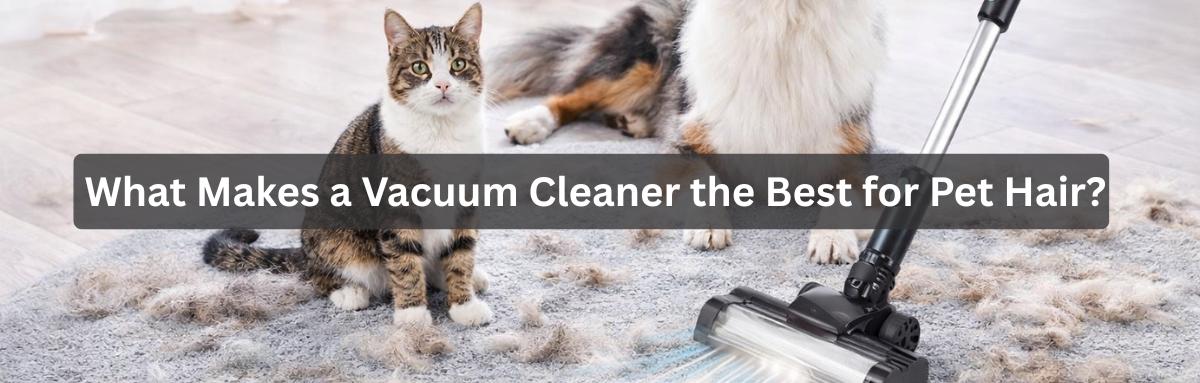
Pet owners know the struggle: fur everywhere. It clings to carpets, furniture, and clothes. While a good vacuum cleaner is essential, the right brush roll makes a huge difference. This is especially true for tackling stubborn pet hair.
A vacuum’s brush roll, also called a brush head or beater bar, is the part that spins and agitates your floors. It lifts dirt, debris, and yes, pet hair, allowing the vacuum’s suction to pull it all away. Not all brush rolls are created equal, though. Some are designed to be tough on hair, while others might get tangled or simply push it around.
Choosing the best vacuum brush for pet hair involves understanding different brush types, materials, and features. We’ll explore what makes a brush roll effective against pet fur and what to look for when you’re shopping.
Understanding Different Vacuum Brush Types
The design of a brush roll plays a key role in how well it handles pet hair. Different types are suited for different floor surfaces and types of pet messes.
Bristle Brushes
These are the most common type of brush roll. They feature stiff bristles that spin to dislodge dirt and hair from carpets and upholstery. For pet hair, stiffer, denser bristles are generally better. They can get deeper into carpet fibers to grab embedded fur.
However, bristle brushes can sometimes struggle with long, fine pet hairs that tend to wrap around the bristles. This can lead to tangles and reduced cleaning performance over time. Some models have anti-tangle technology to combat this.
Rubber Or Silicone Fins
Some vacuums use rubber or silicone fins instead of, or in addition to, bristles. These flexible fins are excellent at sweeping up surface debris and hair from hard floors like tile, laminate, or hardwood. They are also often easier to clean as hair is less likely to get deeply embedded.
For pet hair, these fins can be very effective because they create a strong sweeping action. They often work by pushing the hair towards the suction opening. However, they might not agitate carpets as effectively as stiff bristles.
Combination Brush Rolls
Many modern vacuums feature a combination brush roll. This might include a mix of bristles and rubber fins, or different bristle patterns and lengths. The goal is to offer versatility across various floor types and tackle different kinds of debris, including pet hair.
These are often a good compromise for homes with both carpets and hard floors. The bristles help with carpet agitation, while the rubber or silicone elements can pick up surface hair and debris effectively.
Key Features To Look For In A Pet Hair Brush
Beyond the basic type, several specific features can make a vacuum brush roll a winner for pet owners.
Anti-tangle Technology
This is a crucial feature for pet owners. Tangled hair on a brush roll reduces suction power and can even damage the vacuum. Many newer vacuums have self-cleaning brush rolls or designs that prevent hair from wrapping around the core.
These systems often involve special bristle shapes, grooves, or even a cutting mechanism that severs hair as it enters the brush. If you have pets that shed a lot, especially long-haired ones, this feature is a must-have.
Adjustable Height Settings
For vacuums with brush rolls, especially uprights and canisters with powerheads, adjustable height is important. This allows you to set the brush roll at the optimal distance from the floor.
On low-pile carpets, you want the brush roll closer to agitate effectively. For high-pile carpets or thicker rugs, you need to raise it to prevent the vacuum from getting stuck or damaging the carpet. Correct height ensures maximum pickup.
Durability And Material
The materials used in the brush roll matter. High-quality bristles that are dense and durable will last longer and perform better. For rubber or silicone components, look for robust, tear-resistant materials. A well-built brush roll can withstand the demands of frequent pet hair cleaning.
Swivel Steering
While not directly part of the brush roll itself, swivel steering on the vacuum head makes maneuvering around furniture and obstacles much easier. This is particularly helpful when cleaning areas where pets often lie down, like under beds or around sofas.
:max_bytes(150000):strip_icc()/spr-shark-dyson-mar-25-test-ball-animal-3-extra-upright-vacuum-jkim-0411-2c4fac9db9214f61b44a9b56d8484762.jpeg)
Best Brush Types For Different Floor Surfaces
The best brush roll isn’t always the same for every home. Consider your flooring when making a choice.
For Carpets And Rugs
Stiff, dense bristles are usually best for carpets. They can penetrate the fibers to lift embedded pet hair. Many vacuums designed for pet hair come with specialized carpet brush rolls that have a more aggressive agitation pattern.
Some vacuums offer dual brush rolls, with one designed for carpets and another for hard floors. This provides the best of both worlds. For homes with mostly carpets, a powerful bristle brush roll is essential.
For Hard Floors (hardwood, Tile, Laminate)
On hard floors, you want a brush that sweeps and picks up hair without scattering it. Soft bristles or rubber/silicone fins are ideal here. They can grab surface hair effectively without scratching delicate floor finishes.
Many vacuums have a bare floor setting that either retracts the brush roll or uses softer brushes. Some advanced models have brush rolls specifically designed for hard floors, often with a squeegee-like edge to help seal against the floor.
Top Vacuum Brush Features For Pet Hair: A Quick Guide
Here’s a summary of what to prioritize when looking for a vacuum brush roll for pet hair.
| Feature | Benefit for Pet Hair | Best For |
|---|---|---|
| **Dense Bristles** | Lifts embedded fur from carpet fibers. | Carpets, Upholstery |
| **Rubber/Silicone** | Sweeps surface hair effectively, easy to clean. | Hard Floors, Low-Pile Carpets |
| **Anti-Tangle** | Prevents hair wrap, maintains suction power. | All floor types, especially long hair |
| **Adjustable Height** | Optimizes agitation for different carpet depths. | Variable carpet types |
| **Swivel Steering** | Improves maneuverability for cleaning pet zones. | All floor types, around furniture |
:max_bytes(150000):strip_icc()/spr-shark-dyson-mar-25-test-ball-animal-3-extra-upright-vacuum-jkim-0411-2c4fac9db9214f61b44a9b56d8484762.jpeg)
Maintenance Tips For Your Vacuum Brush Roll
Even the best brush roll needs care to keep working efficiently. Regular maintenance is key to handling pet hair effectively.
1. Clean Regularly: Pet hair can quickly clog a brush roll. Use scissors or a seam ripper to carefully cut away tangled hair. Some vacuums have special tools for this.
2. Check for Debris: Small objects like coins, hair ties, or small toys can get caught in the brush roll and cause damage. Periodically inspect and remove any foreign objects.
3. Ensure Free Rotation: After cleaning, spin the brush roll by hand. It should rotate freely. If it feels stiff or stuck, there might be something still caught or a motor issue.
4. Replace When Worn: Over time, bristles can wear down, and rubber fins can degrade. If you notice a significant drop in cleaning performance, it might be time to replace the brush roll. Many manufacturers sell replacement parts.
Special Considerations For Pet Owners
Beyond the brush roll itself, consider other vacuum features that complement its performance against pet hair.
Suction Power
A great brush roll is only as good as the suction power behind it. Ensure the vacuum you choose has strong, consistent suction to pull the debris lifted by the brush roll into the dustbin. Look for vacuums that maintain suction even as the bin fills.
Filtration System
Pets can trigger allergies. A vacuum with a good HEPA filtration system can trap fine dander and allergens, improving air quality. This works in tandem with the brush roll to create a cleaner home environment.
Attachments
Specialized pet grooming attachments or upholstery tools can be invaluable. These often have smaller, targeted brush rolls or rubber nubs designed to pull hair directly from furniture and pet beds.