

Can A Pet Vacuum Clean A Pet Carrier?
Yes, a pet vacuum can effectively clean a pet carrier, especially when equipped with the right attachments and used correctly. Pet carriers, often made of fabric, plastic, or wire, can trap fur, dander, dirt, and unpleasant odors that are difficult to remove with just a brush or damp cloth. A vacuum designed for pet hair excels at lifting these stubborn particles from various carrier materials.
The key to successful carrier cleaning with a vacuum lies in understanding the different types of pet vacuums and their features. Vacuums with strong suction power, specialized pet hair attachments, and good filtration systems are best suited for this task.
They can reach into nooks and crannies, remove embedded hair, and help maintain a hygienic environment for your pet.
Why Cleaning A Pet Carrier Is Important
Regularly cleaning your pet’s carrier is crucial for their health and well-being. Carriers can become breeding grounds for bacteria and allergens if not cleaned properly. Pets shed hair and dander, and can also track in dirt, mud, and even fleas from outdoor environments. These elements, combined with potential accidents, can lead to a carrier that smells bad and harbors germs.
A clean carrier reduces the risk of skin irritations, allergies, and infections for your pet. It also makes travel a more pleasant experience for both you and your animal companion. For pets who experience anxiety during travel, a familiar and clean-smelling carrier can provide a sense of security.
Types Of Pet Vacuums And Their Suitability
Not all vacuums are created equal when it comes to cleaning pet carriers. Here’s a breakdown of common types and how they perform:
Upright Vacuums
These are powerful, general-purpose vacuums. They are effective for larger areas but can be bulky to maneuver inside a small carrier. Their strong suction is beneficial, but their size can be a limitation.
Canister Vacuums
Canister vacuums offer more flexibility with their separate hose and wand. This makes them easier to direct into tight spaces within a carrier. Many come with a variety of specialized attachments, including crevice tools and upholstery brushes, which are excellent for detailed cleaning.
Stick Vacuums
Stick vacuums are lightweight and often cordless, making them very convenient. While they may not have the same deep-cleaning power as some upright or canister models, they are excellent for quick clean-ups and can effectively remove surface-level fur and debris from a carrier.
Handheld Vacuums
Handheld vacuums, especially those designed for pet hair, are often the most practical choice for cleaning pet carriers. Their compact size allows for easy access to all parts of the carrier, and they typically come with attachments perfect for upholstery and tight corners. Many are cordless, adding to their convenience.
Essential Vacuum Attachments For Carrier Cleaning
The effectiveness of your pet vacuum heavily relies on the attachments you use. For cleaning pet carriers, several are particularly useful:
- Crevice Tool: This long, narrow attachment is designed to reach into tight spaces, corners, and seams where fur and dirt tend to accumulate. It’s invaluable for getting into the edges of plastic carriers or along the seams of fabric ones.
- Upholstery Tool: Often featuring a fabric strip or brush, this tool is ideal for lifting pet hair from fabric surfaces. It works well on soft-sided carriers or fabric-lined compartments.
- Mini Motorized Brush Tool: If your vacuum has this attachment, it’s a powerhouse for removing embedded pet hair from any fabric surface. The rotating brush agitates the fibers, loosening hair for the vacuum to suck up.
- Dusting Brush: A softer brush attachment can be useful for gently removing loose dust and debris from delicate parts of the carrier without scratching.
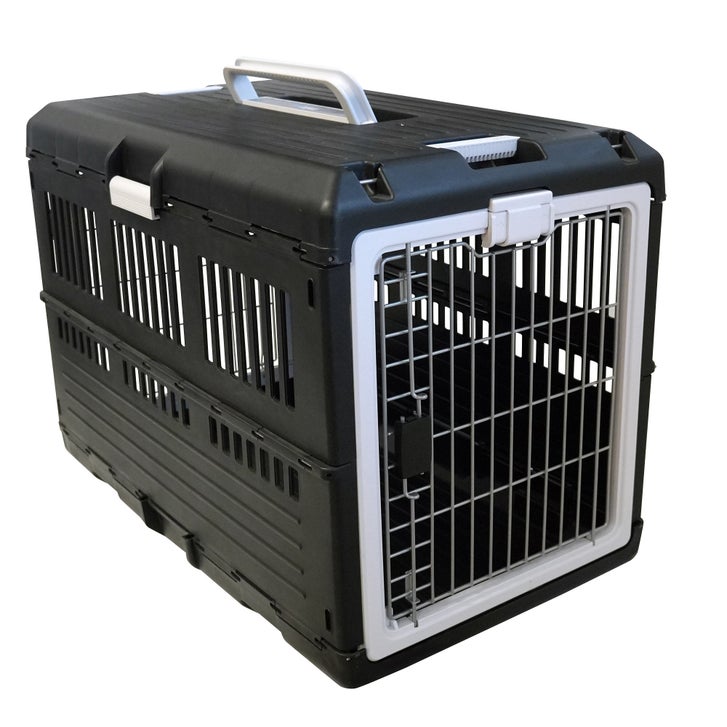
Step-by-step Guide To Vacuuming Your Pet Carrier
Cleaning your pet carrier with a vacuum is a straightforward process. Follow these steps for the best results:
Step 1: Prepare the Carrier
Start by removing any bedding, toys, or accessories from the carrier. Shake them out outdoors to remove loose hair and dirt before cleaning or washing them separately. This prevents spreading debris back into the carrier.
Step 2: Pre-Clean Loose Debris
For very dusty or dirty carriers, it can be helpful to quickly wipe down the interior with a slightly damp cloth or use a lint roller to pick up the most obvious loose hairs. This makes the vacuuming process more efficient.
Step 3: Vacuum the Interior
Using your chosen pet vacuum and the appropriate attachments, thoroughly vacuum the inside of the carrier. Pay close attention to corners, seams, and any textured surfaces where hair and dirt can cling. Work methodically, ensuring you cover every inch.
Step 4: Tackle Stubborn Hairs
For deeply embedded hairs, use a mini motorized brush tool or the upholstery tool with firm pressure. You might need to go over areas multiple times. In my experience, a rubber brush used before vacuuming can help loosen stubborn hairs on fabric carriers.
Step 5: Clean the Exterior
Don’t forget the outside of the carrier. Use a suitable attachment to vacuum away dust, hair, and dirt from the exterior surfaces, including handles and straps.
Step 6: Address Odors (Optional)
If odors persist after vacuuming, you can sprinkle a small amount of baking soda inside the dry carrier, let it sit for an hour, and then vacuum it up thoroughly. Alternatively, use a pet-safe odor eliminator spray, ensuring the carrier is completely dry before reintroducing your pet.
Special Considerations For Different Carrier Types
The material and construction of your pet carrier will influence how you vacuum it.
Fabric Carriers
These are often the most challenging due to their porous nature. Pet hair tends to cling to fabric and can become embedded in the fibers. A vacuum with strong suction and a good upholstery attachment or a mini motorized brush is essential. You may need to use a pet hair removal tool or a stiff brush before vacuuming to loosen hairs.
Plastic Carriers
Plastic carriers are generally easier to clean. Most debris can be vacuumed out efficiently. Use a crevice tool to get into all the molded sections and seams. After vacuuming, a damp cloth can easily wipe away any remaining dust or residue.
Wire Carriers
Wire carriers offer easy airflow but can be tricky to vacuum thoroughly. You’ll need to use a crevice tool or a thin nozzle attachment to get between the wires and clean the base tray effectively. The open design means dirt can accumulate in many places.
Maintaining A Clean Carrier Between Deep Cleans
Regular maintenance can significantly reduce the effort needed for deep cleaning. Here are some tips:
- Daily Wipes: Keep a pet-safe wipe or a damp cloth handy to quickly clean up small messes or spills as they happen.
- Regular Brushing: Brush your pet regularly, especially before they enter their carrier, to minimize shedding.
- Carrier Liners: Use washable liners or blankets inside the carrier. These can be easily removed and laundered, trapping much of the hair and dirt.
- Outdoor Shake-Out: If possible, take the carrier outside periodically and give it a good shake to dislodge loose debris.
When To Consider A Professional Cleaning Or Replacement
While a good pet vacuum can do wonders, there are times when a carrier might need more. If your carrier has been exposed to hazardous materials or a severe illness, professional cleaning or replacement might be necessary. Persistent, strong odors that vacuuming and deodorizing cannot remove, or significant damage to the carrier, are also indicators that it’s time for a new one. For a damaged carrier, check the manufacturer’s recommendations on repair or replacement.

Frequently Asked Questions
Can I Use A Regular Household Vacuum Cleaner On My Pet Carrier?
Yes, you can use a regular household vacuum, but a pet-specific vacuum is generally more effective. Pet vacuums often have stronger suction, better filtration to trap dander, and specialized attachments designed to lift stubborn pet hair from fabric surfaces. However, if you have a good quality household vacuum with a strong motor and useful attachments like a crevice tool, it can certainly do

