

Pet hair can be a constant battle for pet owners, clinging to furniture, carpets, and clothing. While regular vacuuming helps, specialized tools are often needed to tackle stubborn pet fur. One such tool is the pet hair attachment for vacuums. But how exactly does this seemingly simple accessory work its magic?
A pet hair attachment is designed to be more effective than a standard vacuum nozzle at picking up animal fur. It uses a combination of airflow manipulation, bristle design, and sometimes mechanical agitation to lift and capture embedded hairs. These attachments often come in different forms, from small, handheld units to larger brush heads that replace your vacuum’s main floor nozzle. Understanding their mechanics can help you choose the right one and use it more effectively.
The Science Behind Pet Hair Attachments
The primary challenge with pet hair is its ability to weave itself into fabric fibers. Standard vacuum attachments might suck up loose hairs, but they often struggle with those that are deeply embedded. Pet hair attachments are engineered to overcome this. They focus on creating stronger suction directly at the point of contact and using physical means to dislodge the hair.
Airflow And Suction Power
The core of any vacuum’s cleaning ability is its suction power. Pet hair attachments are often designed to concentrate this suction. They might have a narrower opening or a specific shape that creates a more focused airflow. This focused stream of air helps to pull the hair from deep within carpets and upholstery.
Some attachments also incorporate features that disrupt the airflow pattern. This can create a vortex effect within the attachment, which helps to lift and carry lighter debris, including fine pet hairs, more efficiently. The design ensures that even hairs that are not directly in the path of the suction are drawn towards it.
Bristle And Brush Design
Many pet hair attachments feature specially designed bristles or brushes. These are not just for show; they play a crucial role in loosening embedded hair.
- Stiff Bristles: Often made of rubber or firm plastic, these bristles are designed to grip and pull hair away from fabric surfaces. They act like tiny combs, snagging the hair.
- Rotating Brushes: Some attachments have small, motorized rotating brushes. These brushes agitate the fabric, much like a carpet cleaner, effectively “teasing” the hair out of the fibers so the suction can grab it. The speed and stiffness of these brushes are calibrated to remove hair without damaging most fabrics.
- Rubberized Surfaces: Some non-bristle attachments use rubberized surfaces. These create friction and a sticky effect that helps to pull hair off smooth surfaces like upholstery or hard floors.
A key innovation is the use of anti-tangle brush rolls. Pet hair can easily wrap around traditional brush rolls, reducing their effectiveness and requiring frequent cleaning. Newer designs often feature grooves or specific bristle arrangements that help to guide hair towards the suction port, minimizing tangling.
Specialized Designs For Different Surfaces
Pet hair attachments are not one-size-fits-all. Manufacturers create different designs optimized for various surfaces.
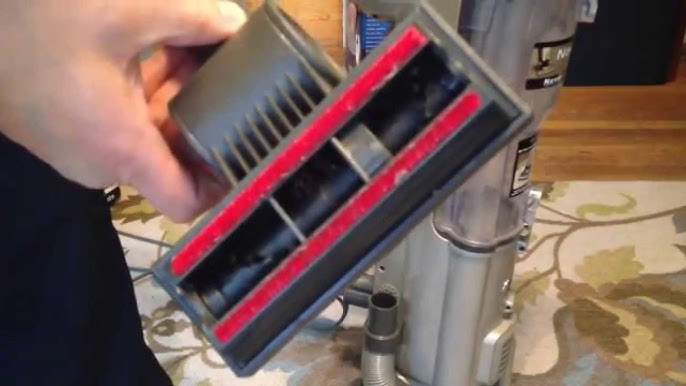
- Upholstery Tools: These are typically smaller, often with rubber nubs or a mini brush roll, designed for sofas, chairs, and car interiors. They offer a good balance of suction and agitation for fabric.
- Carpet Attachments: Larger, more robust attachments with aggressive brush rolls are made for deep-pile carpets, where pet hair can get deeply embedded.
- Hard Floor Tools: Some specialized tools are designed for hard surfaces like wood or tile. These might use static electricity or gentle rubber fins to attract and collect hair without scratching the floor.
Consider the type of flooring and upholstery in your home when choosing an attachment. A tool that works wonders on a plush carpet might be less effective on a leather couch.
Common Types Of Pet Hair Attachments
Vacuum cleaner manufacturers offer a range of attachments specifically for pet owners. These can be included with a vacuum or purchased separately.
Mini Motorized Brush Heads
These are perhaps the most effective type for tackling embedded hair. A mini motorized brush roll spins rapidly, agitating the fabric and lifting hair.
- How they work: The motor powers the brush, which spins and helps to dislodge hair from carpets and upholstery. The vacuum’s suction then pulls the loosened hair into the dustbin.
- Best for: Deep cleaning carpets, rugs, and fabric furniture. They are particularly good for removing hair that has become woven into the fibers.
Rubberized Tools And Nozzles
These attachments often feature rubber fins, edges, or even a squeegee-like design. They rely on friction and static electricity to attract and collect hair.
- How they work: As you move the tool across a surface, the rubber creates friction, which helps to lift hair. For upholstery, it can act like a lint roller, gathering hair into clumps that are then easily vacuumed.
- Best for: Smooth surfaces like leather, vinyl, and some hard floors, as well as for quick cleanups on fabric furniture. They are also useful for removing hair from pet beds.
Crevice Tools With Bristles
Standard crevice tools are narrow and long, perfect for tight spaces. When enhanced with bristles, they become more effective for pet hair in corners and along edges.
- How they work: The narrow design allows access to tight spots, while the added bristles help to sweep hair towards the suction opening. This combination ensures that hair hiding in crevices doesn’t get missed.
- Best for: Edges of furniture, between sofa cushions, and along baseboards where hair tends to accumulate.
Static-generating Attachments
Some attachments are made of materials that generate static electricity when rubbed against surfaces. This static charge helps to attract hair, much like a balloon rubbed on hair.
- How they work: The friction between the attachment and the surface creates static. This static then pulls loose hairs towards the attachment, making them easier to vacuum up.
- Best for: Quick touch-ups on clothing, furniture, and even car interiors where static can be a significant factor in hair adhesion.
Tips For Using Pet Hair Attachments Effectively
Simply owning a pet hair attachment isn’t enough; using it correctly maximizes its potential.
- Slow Down: Rushing through vacuuming is a common mistake. Move the attachment slowly and deliberately over the area. This gives the bristles and suction time to work and lift the embedded hairs.
- Multiple Directions: Pet hair weaves into fabrics from all angles. Go over the same area in multiple directions (e.g., forwards, backwards, side-to-side) to ensure you catch all the hairs.
- Empty the Canister Regularly: A full dustbin or canister significantly reduces suction power. For best results, empty it after each use or when it’s about half full.
- Clean the Attachment: Pet hair attachments, especially those with brush rolls, can get clogged. Regularly remove hair and debris from the bristles and any accessible parts of the attachment. This ensures optimal performance.
- Pre-Treat Stubborn Areas: For heavily soiled areas, consider using a pet hair removal brush or a damp cloth to loosen the hair before vacuuming. This can make the vacuum attachment’s job much easier.
Maintenance Is Key
Just like your vacuum cleaner, the pet hair attachment needs regular maintenance to perform at its best.
- Brush Roll Cleaning: If your attachment has a brush roll, check it for tangled hair, threads, or debris. Most modern brush rolls can be easily removed for cleaning. Use scissors or a seam ripper to carefully cut away any tangled material.
- Hose and Port Cleaning: Ensure the path from the attachment to the dustbin is clear. Blockages in the hose or the attachment’s intake port will drastically reduce suction.
- Filter Check: While not part of the attachment itself, a dirty vacuum filter can also impede airflow and suction. Check and clean or replace your vacuum’s filters according to the manufacturer’s instructions.
Choosing The Right Pet Hair Attachment
When selecting a pet hair attachment, consider a few key factors.
Compatibility
Ensure the attachment is compatible with your vacuum cleaner model. Some are universal, while others are specific

