

Are bagless vacuums the best choice for tackling pet hair? This is a common question for pet owners who battle constantly shedding fur. The answer isn’t a simple yes or no. Bagless vacuums offer convenience and cost savings, but they also have drawbacks when it comes to managing the fine, often stubborn hair left behind by our furry friends. Understanding how they work, their pros and cons, and what specific features to look for will help you make the right decision for your home.
How Bagless Vacuums Work
Bagless vacuums use a cyclonic separation system to collect dirt and debris. Instead of a disposable bag, they have a dustbin or canister. When you vacuum, air and dirt are pulled into the vacuum and spun at high speeds within the dustbin. This spinning action forces heavier particles, like dust, dirt, and pet hair, to the sides and bottom of the bin, while the cleaner air is pushed out through a filter and back into the room.
The dustbin is designed to be emptied directly into the trash. This means you don’t need to buy replacement bags, which can save money over time. However, emptying the bin can sometimes release dust and allergens back into the air, which is a concern for some users, especially those with allergies or asthma.
Advantages Of Bagless Vacuums For Pet Hair
Bagless vacuums offer several benefits that make them appealing for pet owners. The convenience of not having to buy and replace bags is a major plus. For homes with multiple pets or very hairy breeds, the cost of traditional vacuum bags can add up quickly. With a bagless model, you simply empty the dustbin.
Another advantage is visibility. You can easily see how much dirt and hair the vacuum has collected. This can be motivating and helps you know when the dustbin needs emptying. Many bagless vacuums also have powerful suction, which is crucial for lifting embedded pet hair from carpets and upholstery.
Cost Savings
The primary cost-saving benefit of bagless vacuums is the elimination of replacement bags. While the initial purchase price of a bagless vacuum might be similar to or even higher than a bagged model, the long-term savings can be significant. Pet owners often find themselves vacuuming more frequently, which means more bag usage and therefore more expense with a bagged system.
Easy Monitoring Of Dirt Levels
Being able to see the collected debris provides a clear indication of when the dustbin is full. This prevents the vacuum from losing suction due to an overfilled container. For pet owners, seeing the sheer volume of hair collected can be a stark reminder of the daily battle against shedding.
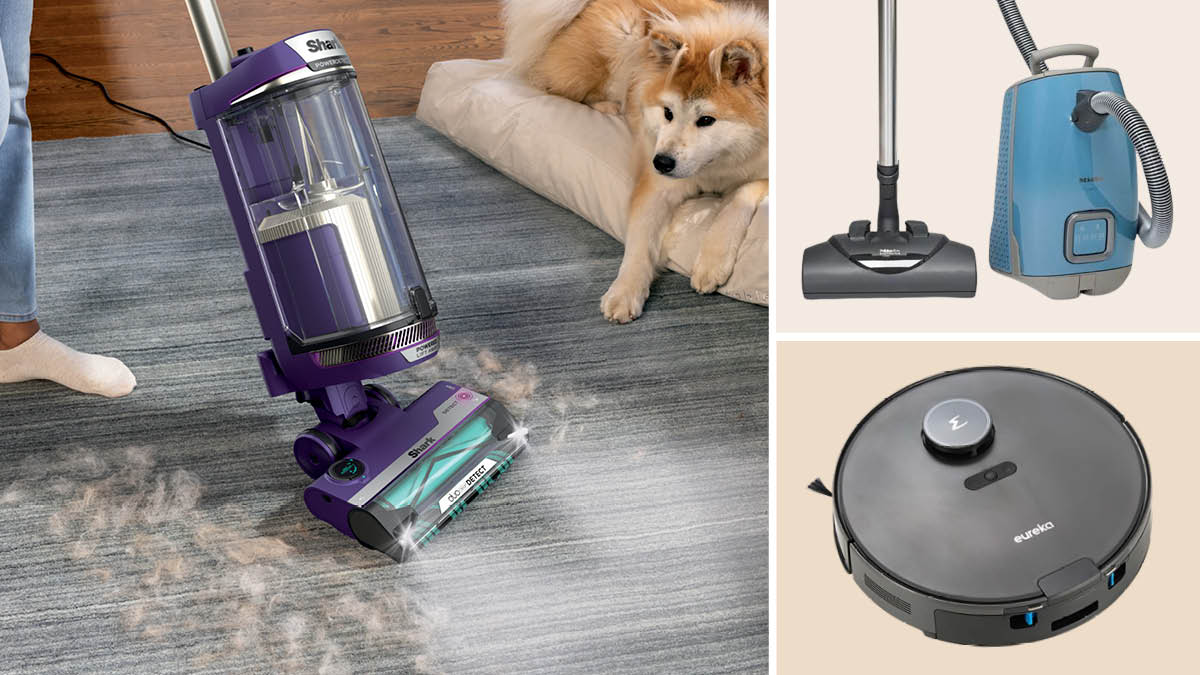
Disadvantages Of Bagless Vacuums For Pet Hair
Despite their advantages, bagless vacuums have some significant downsides when it comes to pet hair. The most common issue is clogging. Pet hair, especially long hair, can easily wrap around internal components or clog the airways within the dustbin and hose. This reduces suction power and requires frequent manual cleaning.
Another concern is hygiene. Emptying a dustbin filled with pet hair, dander, and other allergens can release these particles back into the air. This can be problematic for individuals with allergies or respiratory issues. While some models have improved dust-containment systems, it’s still a potential drawback.
Clogging And Maintenance
Pet hair is notorious for its ability to wrap around brush rolls and clog narrow passages. Bagless vacuums, with their intricate internal pathways and cyclones, can become particularly susceptible to this. When a bagless vacuum clogs, it often requires more hands-on maintenance, like manually untangling hair from the brush roll or clearing blockages in the hose and dustbin.
Allergen Release
When you empty the dustbin of a bagless vacuum, especially one used for pet hair, fine particles of dander, dust mites, and hair can become airborne. This can trigger allergies and asthma symptoms. While HEPA filters can trap many of these particles, the act of emptying the bin itself is a point where exposure can occur.
Key Features To Look For In A Bagless Vacuum For Pet Hair
If you decide a bagless vacuum is right for you, certain features can make it much more effective for dealing with pet hair. Strong suction power is non-negotiable. Look for vacuums with high wattage or impressive air wattage ratings, as this indicates their ability to lift embedded hair.
A good brush roll is also essential. Ideally, it should be designed to resist hair tangles, perhaps with self-cleaning features or a design that makes hair easy to remove. Filtration is another critical factor. A HEPA filter is highly recommended to trap allergens and fine dust, which is particularly important in homes with pets.
Suction Power
The suction power of a vacuum is measured in Air Watts (AW). Higher AW generally means better performance, especially for deep cleaning carpets and lifting stubborn pet hair. Look for models specifically advertised for their ability to handle pet hair, as they often prioritize strong, consistent suction.
Brush Roll Design
The brush roll is the part of the vacuum that agitates carpet fibers to loosen dirt and hair. For pet hair, a brush roll that is easy to clean is a lifesaver. Some newer models feature designs that prevent hair from wrapping around the bristles, or they have tools specifically designed to cut and remove tangled hair.
Filtration System
A HEPA (High-Efficiency Particulate Air) filter is crucial for pet owners. These filters are designed to capture at least 99.97% of airborne particles as small as 0.3 microns. This includes pet dander, pollen, and dust mites, which are common allergens. Ensure the bagless vacuum you choose has a sealed system with a HEPA filter to prevent allergens from escaping.

Bagged Vs. Bagless: A Quick Comparison For Pet Owners
To help you decide, let’s look at how bagged and bagless vacuums stack up specifically for pet hair.
| Feature | Bagless Vacuum | Bagged Vacuum |
|---|---|---|
| **Cost** | Lower long-term cost (no bag purchases) | Higher long-term cost (ongoing bag purchases) |
| **Maintenance** | Frequent dustbin emptying, potential clogging | Less frequent emptying, but bags need replacing |
| **Allergen Release** | Higher risk during dustbin emptying | Lower risk, as dirt is sealed in the bag |
| **Suction Power** | Can be very strong, but may decrease if clogged | Tends to maintain consistent suction until full |
| **Convenience** | Always ready to go, no bags to stock | Requires stocking replacement bags |
Top Features To Consider When Buying
When you’re in the market for a vacuum cleaner specifically for pet hair, consider these features:
- Powerful Suction: Look for vacuums with high air wattage or strong motor power. This is essential for lifting embedded pet hair from carpets and upholstery.
- Tangle-Free Brush Roll: Many modern vacuums have brush rolls designed to prevent hair from wrapping around them. Some even have self-cleaning mechanisms.
- HEPA Filtration: A sealed system with a HEPA filter is vital for trapping allergens like pet dander and dust mites, improving air quality.
- Specialized Pet Tools: Look for attachments like mini motorized brushes, crevice tools, and upholstery tools that are designed to effectively remove pet hair from furniture and tight spaces.
- Easy-to-Empty Dustbin: While emptying can release allergens, a well-designed dustbin that empties with the push of a button can minimize mess and contact.
- Durable Construction: Pet hair can be tough on vacuums. Choose a model made with robust materials that can withstand frequent use.
The Importance Of Specialized Pet Tools
Beyond the main vacuum head, the included attachments can make a huge difference. Tools like a mini motorized brush are invaluable for cleaning upholstery, stairs, and car interiors where pet hair tends to accumulate. A crevice tool

