

When you bring a new puppy home, you want to create a safe and comfortable environment for them. This often includes thinking about how to keep your home clean, especially with a furry friend around. Many pet owners wonder if specialized pet vacuums are a good idea for households with puppies. These vacuums are designed to handle pet hair and dander, but how do they interact with young dogs?
The short answer is yes, pet vacuums can be good for puppies, but with important considerations. They can help manage shedding and keep allergens down, which is beneficial for both the puppy and the household. However, the noise and movement of a vacuum can be frightening for a young dog. Introducing a vacuum correctly and choosing the right type are key to making it a positive experience for your puppy.
Understanding Pet Vacuums
Pet vacuums are not just regular vacuums with a different color. They come with features specifically designed to tackle the challenges pets bring to your home. These features aim to make cleaning more effective and sometimes more comfortable for pets.
Key Features Of Pet Vacuums
Many pet vacuums boast special tools and stronger suction power. These are made to pick up stubborn pet hair from carpets, upholstery, and hard floors. They often include anti-tangle brush rolls that prevent hair from wrapping around the brush, making maintenance easier.
Another important aspect is filtration. Pet vacuums frequently use HEPA filters or multi-stage filtration systems. These systems are designed to trap fine particles like pet dander, allergens, and dust mites. This is crucial for maintaining good air quality, especially for people with allergies and for the puppy’s own respiratory health.
Types Of Pet Vacuums
There are several types of vacuums that can be good for pet owners, and thus for puppies:
- Upright Vacuums: These are powerful and good for large carpeted areas. Many models come with specialized pet hair attachments.
- Canister Vacuums: Often more versatile, canister vacuums have a separate body and hose, making them good for reaching different areas and for stairs. They usually have excellent suction.
- Stick Vacuums: Lightweight and convenient for quick cleanups. Some newer models offer strong suction and good pet hair tools.
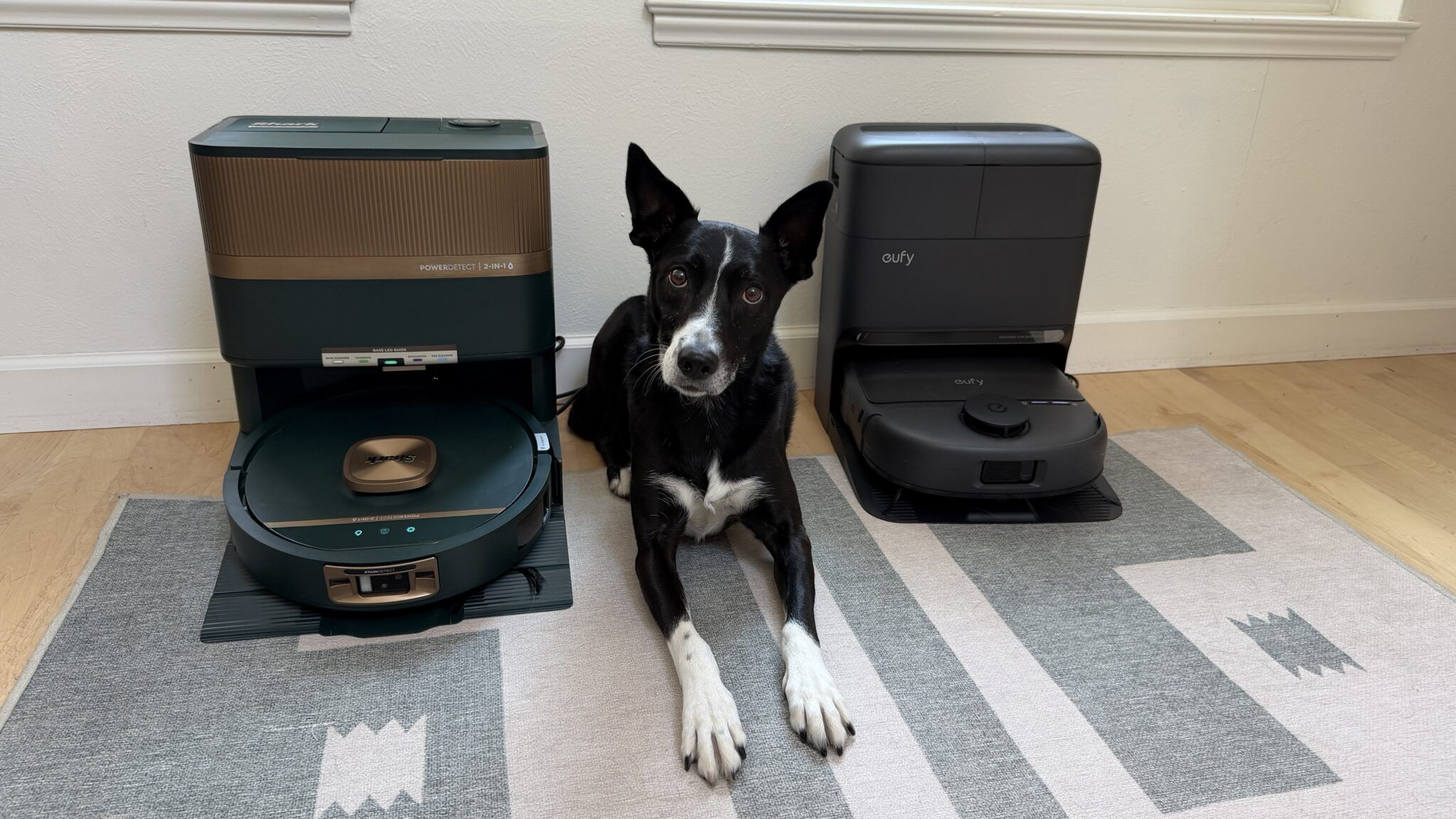
- Robotic Vacuums: These can run automatically and are great for daily maintenance. They can keep up with shedding without constant human effort.
When choosing, consider the size of your home, the types of flooring you have, and how much shedding your puppy experiences.
Introducing A Vacuum To Your Puppy
The biggest hurdle with using a vacuum around puppies is their natural fear of loud noises and moving objects. A vacuum cleaner can seem like a monster to a young dog. Therefore, a gradual introduction is essential.
Step-by-step Introduction Process
Start by simply having the vacuum visible in the room, but turned off. Let your puppy investigate it at their own pace. Reward them with treats and praise for calm behavior around the stationary vacuum.
Next, you can turn the vacuum on for very short periods, from a distance. Do this while your puppy is in another room or at the far end of the house. Gradually decrease the distance and increase the duration over several days or weeks. Always pair the sound with positive reinforcement, like high-value treats or favorite toys.
Making It A Positive Experience
The goal is to associate the vacuum with good things. If your puppy shows signs of stress, like panting, yawning, or tail tucking, you are moving too fast. Back off and try again later with less intensity. Never force your puppy to be near the vacuum if they are scared.
Pro Tip: You can even try feeding your puppy their meals or giving them special chew toys in a room where the vacuum is present but off. This helps build a positive association with the object itself.

Benefits Of Using A Pet Vacuum With Puppies
Beyond just cleaning, using a pet vacuum can offer specific advantages when you have a puppy. These benefits contribute to a healthier and more pleasant living environment.
Managing Shedding And Dander
Puppies, like all dogs, shed. Some breeds shed more than others, and puppies may shed more as they transition to adult coats. Pet vacuums are designed to effectively pick up this hair. This reduces the amount of hair on your floors and furniture, making your home tidier.
Furthermore, pet vacuums with good filtration systems trap pet dander, which is a common allergen. Reducing dander in the air can help prevent allergic reactions in humans and create a cleaner environment for your puppy to grow in.
Maintaining A Hygienic Environment
Puppies are prone to accidents and can bring dirt and debris into the house. Regular vacuuming helps keep floors clean and hygienic. This is important for preventing the spread of germs and bacteria, which can be especially crucial for a young puppy’s developing immune system.
A clean environment also helps prevent pests like fleas and ticks from finding a comfortable home in your carpets and upholstery.
Potential Downsides And How To Mitigate Them
While pet vacuums offer many benefits, there are potential drawbacks to consider, especially with puppies. Awareness and proper management can help overcome these issues.
Fear And Anxiety
As mentioned, the noise and motion of a vacuum can be a significant source of fear for puppies. If not introduced correctly, vacuuming can create anxiety that affects your puppy’s behavior around the house. A scared puppy might hide, bark excessively, or even become aggressive.
To mitigate this, always follow the gradual introduction process. Consider using a quieter vacuum model if possible, or opt for a robotic vacuum that can clean while you and your puppy are in another part of the house or even out for a walk.
Safety Concerns
Puppies are curious and may try to chew on vacuum parts or get too close to the moving brush roll. This poses a safety risk. Always supervise your puppy when the vacuum is in use, and ensure they are in a safe, separate space during cleaning if they are still fearful or overly curious.
Keep vacuum cleaner bags and cords out of reach when the vacuum is not in use. Some powerful vacuums can also be heavy, posing a tipping hazard if a curious puppy bumps into them.
Choosing The Right Pet Vacuum For Your Puppy’s Home
When selecting a vacuum, think about features that will make cleaning easier and less stressful for both you and your puppy.
Important Features To Look For
- Strong Suction: Essential for picking up pet hair embedded in carpets.
- Good Filtration (HEPA): Crucial for trapping allergens and dander.
- Specialized Pet Tools: Crevice tools, upholstery brushes, and anti-tangle brush rolls are very helpful.
- Maneuverability: Easy to push and steer around furniture.
- Noise Level: Quieter models can be less intimidating for puppies.
- Durability: A sturdy build will withstand potential puppy interactions.
Here is a comparison of common vacuum types for pet owners:
| Vacuum Type | Pros for Pet Owners | Cons for Pet Owners | Best For |
|---|---|---|---|
| Upright | Powerful, good for carpets, often includes pet tools. | Can be heavy, less maneuverable in tight spaces. | Larger homes with significant carpeted areas. |
| Canister | Versatile, excellent suction, good for hard floors and upholstery. | Requires pulling a separate unit, can be bulky. | Homes with mixed flooring, detailed cleaning. |
| Stick | Lightweight, convenient for quick cleanups, easy to store. | Smaller dustbins, may lack power for deep cleaning. | Apartments, quick daily tidying. |
| Robotic | Automated cleaning, low noise, good for maintenance. |
Author


Today's Exclusive Deals
Today only — huge savings on best-selling products. Don’t miss out.
See Today’s Deals As an Amazon Associate I earn from qualifying purchases.