

A pet vacuum cleaner is a vacuum designed with specific features to tackle the unique challenges pet owners face, such as shedding fur, dander, and odors. These vacuums go beyond standard cleaning by offering enhanced suction power, specialized brush rolls, and advanced filtration systems to create a cleaner and healthier home environment for both humans and their animal companions.
The struggle for pet owners is real: endless shedding, tracked-in dirt, and lingering smells can make maintaining a clean home feel like a constant battle. Regular vacuum cleaners might pick up some debris, but they often fall short when it comes to deep-cleaning pet hair embedded in carpets or neutralizing strong odors. This is where pet vacuums shine. They are built with the understanding that a pet-friendly home requires more than just surface-level cleaning.
Why Standard Vacuums Aren’t Enough For Pet Homes
Standard vacuum cleaners are generally designed for everyday dust and dirt. They may not have the necessary power or specialized tools to effectively deal with pet hair, which has a tendency to cling to upholstery and carpets.
The Stubborn Nature Of Pet Hair
Pet hair is notoriously difficult to remove. Its texture and static cling can make it weave itself into carpet fibers and upholstery. A vacuum with weak suction will simply push the hair around or only pick up the surface layer, leaving the deeper, embedded hairs untouched.
This is a common frustration for many pet owners who find themselves vacuuming repeatedly without seeing significant improvement.
Dander And Allergens
Beyond visible hair, pets shed microscopic dander, tiny flakes of skin that can trigger allergies. These allergens can become airborne and settle on surfaces throughout the home. Standard vacuums often lack the filtration needed to trap these fine particles, potentially recirculating them back into the air you breathe.
For households with allergy sufferers, this is a major concern.
Odor Absorption
Pets can bring in smells from outside, and their presence in the home can also contribute to lingering odors. Some vacuum cleaners are not equipped to handle these smells, and in some cases, they might even trap and redistribute them.
This leaves your home smelling less than fresh, despite your cleaning efforts.
Key Features Of Pet Vacuum Cleaners
Pet vacuums are engineered with specific features to address these common pet-related cleaning issues. Understanding these features can help you choose the best model for your needs.
Enhanced Suction Power
One of the most crucial features is powerful suction. Pet vacuums are designed to generate stronger airflow and deeper cleaning capabilities. This allows them to pull stubborn pet hair from deep within carpets and upholstery, as well as larger debris like litter or kibble. High CFM (Cubic Feet per Minute) ratings often indicate better suction performance.
Specialized Brush Rolls
The brush roll, or brush bar, is the part of the vacuum that agitates your floors. Pet vacuums often have brush rolls with tangle-free designs or stiffer bristles. These are more effective at grabbing pet hair and preventing it from wrapping around the brush, which can reduce the vacuum’s efficiency and require frequent manual cleaning. Some models even come with interchangeable brush heads designed for different surfaces.
Advanced Filtration Systems
For allergy sufferers, HEPA (High-Efficiency Particulate Air) filters are a must. Pet vacuums with HEPA filtration can trap up to 99.97% of particles as small as 0.3 microns, including pet dander, pollen, and dust mites. This significantly improves indoor air quality. Look for vacuums where the entire system is sealed, ensuring that no dirty air escapes through cracks.
Specialized Attachments
Pet vacuums often include a variety of specialized tools for tackling pet messes. These can include:
- Upholstery tools: Designed to lift hair from furniture.
- Crevice tools: For tight spots where fur accumulates.
- Mini motorized tools: Small, powered brushes perfect for stairs, pet beds, and car interiors.
- Rubberized tools: Excellent for gathering hair from hard floors and furniture.
Odor Control Features
Some pet vacuums incorporate odor-neutralizing technologies. This might involve activated carbon filters, scented filters, or special bag materials that trap and absorb smells. These features work to eliminate, rather than just mask, unpleasant pet odors.
Types Of Pet Vacuum Cleaners
Pet vacuums come in various forms, each with its own pros and cons. The best type for you depends on your home’s layout, flooring, and your specific cleaning needs.
Upright Vacuums
Upright vacuums are a popular choice, especially for homes with large carpeted areas. They offer strong suction and effective brush agitation for deep cleaning carpets. Many models are designed with pet-specific features, making them a robust option for tackling shedding.
Canister Vacuums
Canister vacuums offer versatility and maneuverability. They typically have a separate hose and wand, making it easier to clean stairs, upholstery, and hard-to-reach areas. Their lighter wand and head can be less strenuous to use on furniture and in tight spaces.
Stick Vacuums
Stick vacuums are lightweight and convenient for quick cleanups. Many newer cordless models offer surprisingly strong suction and are excellent for hard floors and low-pile carpets. Some are specifically designed for pet hair, featuring tangle-free brush rolls and good filtration.
Robot Vacuums
Robot vacuums can be a lifesaver for daily maintenance. They can automatically clean floors on a schedule, picking up daily pet hair and debris. While they may not replace a deep clean with a more powerful vacuum, they significantly reduce the amount of hair and dirt that accumulates between deeper cleanings. Look for models with strong suction, good brush systems, and smart navigation to avoid obstacles.
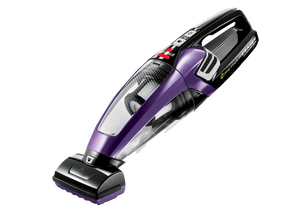
Handheld Vacuums
Handheld vacuums are perfect for spot cleaning and tackling small messes. They are ideal for cleaning furniture, car interiors, and quick spills of litter or food. Many are cordless and very portable.
Comparing Pet Vacuum Features
When choosing a pet vacuum, consider how different features stack up against each other.
| Feature | Standard Vacuum | Pet Vacuum | Why it Matters for Pet Owners |
|---|---|---|---|
| **Suction Power** | Moderate | High | Lifts embedded hair from carpets and upholstery. |
| **Brush Roll** | Standard bristles, prone to tangling | Tangle-free design, stiffer bristles, specialized | Prevents hair wrap, more effective at agitating carpet fibers. |
| **Filtration** | Basic filters, may recirculate allergens | HEPA filters, sealed system | Traps dander and allergens, improving air quality for allergy sufferers. |
| **Attachments** | Limited, basic tools | Specialized upholstery tools, mini motorized tools | Efficiently cleans furniture, stairs, and pet beds. |
| **Odor Control** | None | Carbon filters, scented filters | Neutralizes and absorbs pet odors for a fresher home. |
| **Durability** | General use | Built to handle pet hair and debris | Withstands the rigors of frequent cleaning in pet households. |
Maintenance Tips For Your Pet Vacuum
To ensure your pet vacuum works effectively for years, regular maintenance is key.
Empty The Dustbin Regularly
For bagless vacuums, empty the dustbin after every use. For bagged models, replace the bag when it’s about two-thirds full. This ensures optimal suction power.
Clean Or Replace Filters
Follow the manufacturer’s instructions for cleaning or replacing your vacuum’s filters. HEPA filters may need to be replaced annually, while washable filters should be rinsed regularly and allowed to dry completely before reinsertion. Clogged filters significantly reduce performance and can strain the motor.
Check And Clean The Brush Roll
Pet hair can wrap around the brush roll, hindering its ability to agitate and clean. Periodically check the brush roll and carefully cut away any tangled hair using scissors or a seam ripper. Some brush rolls are designed for easy removal and cleaning.

