

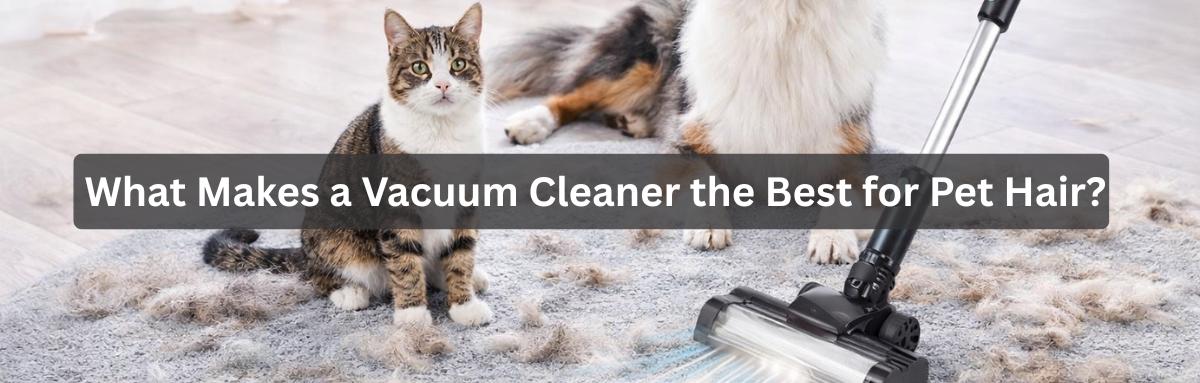
Pet hair can be a real nuisance, especially for pet owners. It sticks to everything, and if you’re not careful, it can quickly clog your vacuum cleaner. A clogged vacuum is less effective, makes more noise, and can even break down.
Fortunately, there are several simple yet effective ways to prevent pet hair from causing trouble in your vacuum cleaner. By following these tips, you can keep your home clean and your vacuum running smoothly.
Regular Grooming For Your Pet
The first and most effective step in preventing pet hair clogs is regular grooming of your pet. Brushing your pet frequently removes loose hair before it has a chance to fall off and end up in your vacuum. The amount of brushing needed depends on your pet’s breed and coat type.
Daily Brushing
For pets with long or shedding coats, daily brushing is ideal. This helps to collect the majority of loose hair directly from the source. Tools like deshedding brushes or slicker brushes are very effective for this.
Weekly Brushing
Pets with shorter coats may only need brushing a few times a week or even weekly. Even with short-haired pets, regular brushing makes a significant difference. It’s also a good bonding time with your pet.
Professional Grooming
Consider professional grooming sessions for pets with very thick or difficult coats. Groomers have specialized tools and techniques that can remove large amounts of undercoat, reducing shedding significantly. This can also be a good time to get their nails trimmed, which can sometimes get caught in vacuum brushes.
Smart Vacuuming Techniques
How you vacuum also plays a big role in preventing clogs. Using the right techniques can make your vacuum much more efficient at handling pet hair.
Vacuum Frequently
Don’t wait until your carpets are visibly covered in hair. Vacuuming high-traffic areas daily or every other day, especially where your pet spends most of its time, will prevent hair from building up and becoming deeply embedded. This also stops it from reaching your vacuum in large quantities.
Use The Right Attachments
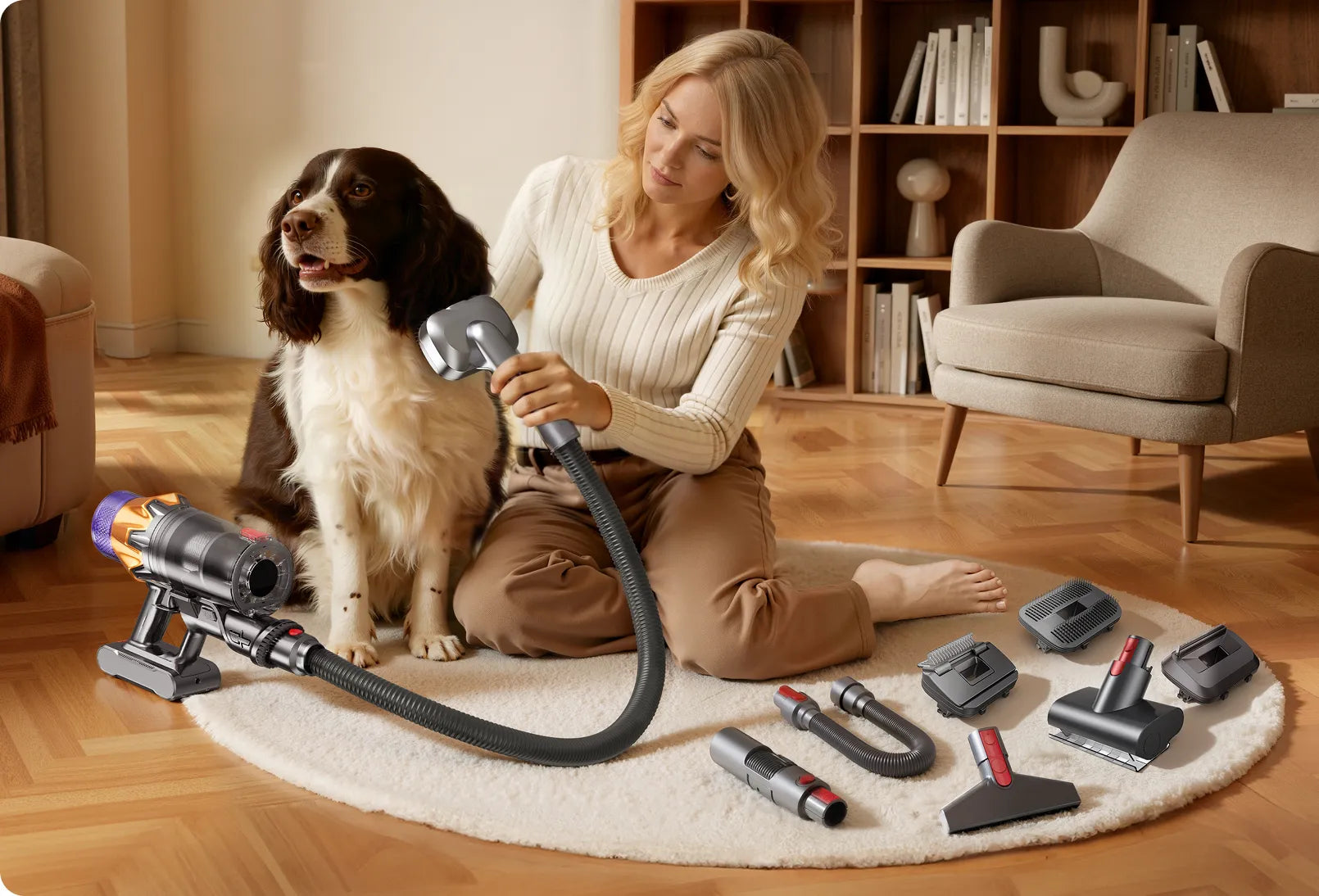
Many vacuums come with specialized attachments designed for pet hair. A turbo brush or pet hair attachment often has a rotating brush that can effectively lift hair from upholstery and carpeted stairs. Using these on furniture and tight spots prevents hair from accumulating there and then being vacuumed up in large clumps.
Vacuum In Multiple Directions
When vacuuming carpets, go over the same area in different directions. Vacuuming north-south and then east-west can help lift embedded pet hair that might otherwise be missed. This ensures more hair is picked up with each pass.
Vacuum Cleaner Maintenance
Regular maintenance of your vacuum cleaner is crucial for preventing clogs and ensuring optimal performance.
Empty The Dustbin Or Bag Regularly
This is perhaps the most critical step. A full dustbin or bag means there’s less space for new debris, including pet hair. Empty the bin after every use if possible, or at least when it reaches the halfway mark. This prevents hair from being compacted and blocking airflow.
Clean The Filters
Vacuum filters trap fine dust and allergens, but they can quickly become clogged with pet hair. Check your vacuum’s manual for filter cleaning instructions. Most washable filters can be rinsed under water and air-dried completely before reinsertion. If your filters are not washable, tap them clean over a trash can.
Here’s a look at common filter types and their maintenance:
| Filter Type | Maintenance | Frequency |
|---|---|---|
| Washable Foam/Fabric | Rinse under water, air dry completely | Monthly or as needed |
| HEPA Filter | Tap clean, replace when ineffective | Replace every 6-12 months |
| Bagged Vacuums | Replace bag when full | When bag is 2/3 full |
Check And Clean The Brush Roll
The brush roll is where pet hair most commonly gets tangled and causes clogs. Periodically check the brush roll for wrapped hair and debris. Use scissors or a seam ripper to carefully cut away tangled hair. Many vacuums have a brush roll that can be removed for easier cleaning.
A clogged brush roll can’t effectively pick up dirt and hair. In my experience, cleaning the brush roll makes an immediate difference in vacuum suction power.
Inspect Hoses And Internal Airways
Sometimes, clogs occur in the vacuum’s hose or internal airways, not just in the dustbin or brush roll. Disconnect the hose and visually inspect it for blockages. You can often push a broom handle or a long, flexible object through the hose to dislodge any obstructions.
Storage Solutions For Pet Hair
Where and how you store your vacuum can also impact its performance regarding pet hair.
Store In A Clean, Dry Place
Ensure your vacuum is stored in a clean area. If stored near pet beds or frequently used pet areas, it can attract more hair even when not in use. A closet or garage is often a good option.
Keep Accessories Organized
Pet hair can easily get into vacuum attachments. Storing them in a designated container or bag can help keep them clean and ready for use. This also prevents them from becoming clogged before you even use them.
Choosing The Right Vacuum Cleaner
When buying a new vacuum, consider models specifically designed for pet owners. These vacuums often have stronger suction, better filtration systems, and brush rolls that are less prone to tangling.
Suction Power
Look for vacuums with strong, consistent suction. This is essential for pulling pet hair out of carpets and upholstery effectively.
Filtration Systems
A good HEPA filter is important for trapping fine pet dander and allergens, but it can also help prevent hair from recirculating. However, remember that HEPA filters can also become clogged with hair, so regular cleaning is still key.
Brush Roll Design
Some vacuums feature brush rolls with anti-tangle technology, which is a significant advantage for pet owners. These designs are engineered to minimize hair wrap and make cleaning easier.
Dealing With Stubborn Clogs
Despite your best efforts, clogs can still happen. Knowing how to deal with them quickly is important.
Identify The Location Of The Clog
Listen to your vacuum. If the sound changes or the suction drops dramatically, a clog is likely. Check the most common areas first: the brush roll, the hose, and the dustbin entry point.
Use A Tool To Clear The Clog
A coat hanger, broom handle, or a specialized vacuum cleaning tool can be helpful for reaching into hoses or airways to dislodge stubborn clogs. Be gentle to avoid damaging internal parts.
Consult Your Manual
If you’re unsure about how to disassemble or clean a particular part of your vacuum, always refer to the owner’s manual. It provides specific instructions for your model.

Pro Tip: Pre-treating Areas
Before vacuuming heavily soiled areas, consider using a rubber broom or squeegee on carpets and upholstery. These tools create static electricity that helps lift embedded pet hair, making it easier for your vacuum to pick up. This reduces the amount of hair your vacuum has to work against, lessening the chance of clogs.
Frequently Asked Questions
What Is The Best Way To Clean A Vacuum Cleaner Brush Roll?
The best way to clean a vacuum cleaner brush roll is to first remove it if possible. Then, use scissors or a seam ripper to carefully cut away any hair and debris wrapped around the bristles. You can also use a damp cloth to wipe down the brush roll after removing loose hair.
Ensure it is completely dry before reattaching it.
How Often Should I Clean My Vacuum Filters?
You should clean your vacuum filters at least once a month, or more often if you have multiple pets or notice a decrease in suction power. Washable filters should be rinsed and air-dried thoroughly. Disposable filters should be replaced according to the manufacturer’s recommendations, typically every 6-12 months.

