

The brush roll in your pet vacuum is a true hero, battling stubborn fur, dander, and dirt on your carpets and floors. But like any hard-working part, it doesn’t last forever. Knowing when to replace it is key to keeping your vacuum working efficiently and your home truly clean.
Ignoring a worn-out brush roll can lead to several problems. Your vacuum might start to lose suction, leave dirt behind, or even overheat. This not only makes cleaning less effective but can also shorten the lifespan of your appliance. Understanding the signs and recommended replacement intervals will save you time, effort, and potentially money on repairs.
Why Your Pet Vacuum Brush Roll Needs Regular Replacement
Pet hair is notoriously tough. It weaves itself into carpet fibers and clings to brush bristles, making it difficult for the vacuum to pick up. Over time, this constant battle wears down the brush roll. The bristles can become bent, matted, or even break off.
When bristles are damaged, they can no longer agitate the carpet effectively. This means dirt and pet hair get pushed around rather than lifted and vacuumed up. A study by Consumer Reports found that brush roll performance significantly impacts a vacuum’s ability to clean carpets, especially those with pet hair.
A worn brush roll can reduce cleaning effectiveness by up to 30%.
Signs Your Pet Vacuum Brush Roll Needs Replacing
There are several clear indicators that your brush roll is past its prime. Keep an eye out for these common issues.
Reduced Cleaning Performance
The most obvious sign is that your vacuum simply isn’t cleaning as well as it used to. You might notice more pet hair left on the carpet after vacuuming, or that you have to go over the same spot multiple times.
This is a direct result of dull or missing bristles that can’t grab onto dirt and hair effectively.
Visible Bristle Damage
Take a close look at your brush roll. Are the bristles bent, frayed, or falling out? If you see a significant amount of damage, it’s time for a replacement. Some vacuums have indicator lights or sounds that signal a brush roll issue, but a visual inspection is always the best first step.
Strange Noises Or Smells
A damaged brush roll can cause your vacuum to make unusual noises. You might hear a grinding sound, especially if the bristles are hitting the floor directly, or a high-pitched squeal. In some cases, a clogged or worn brush roll can even cause the motor to overheat, leading to a burning smell.
The Brush Roll Doesn’t Spin
If your vacuum has a brush roll indicator light that’s off, or if you manually check and see the brush isn’t spinning, there’s likely a problem. This could be due to a tangled mess of hair, a broken belt, or a completely worn-out brush roll that can no longer engage properly.
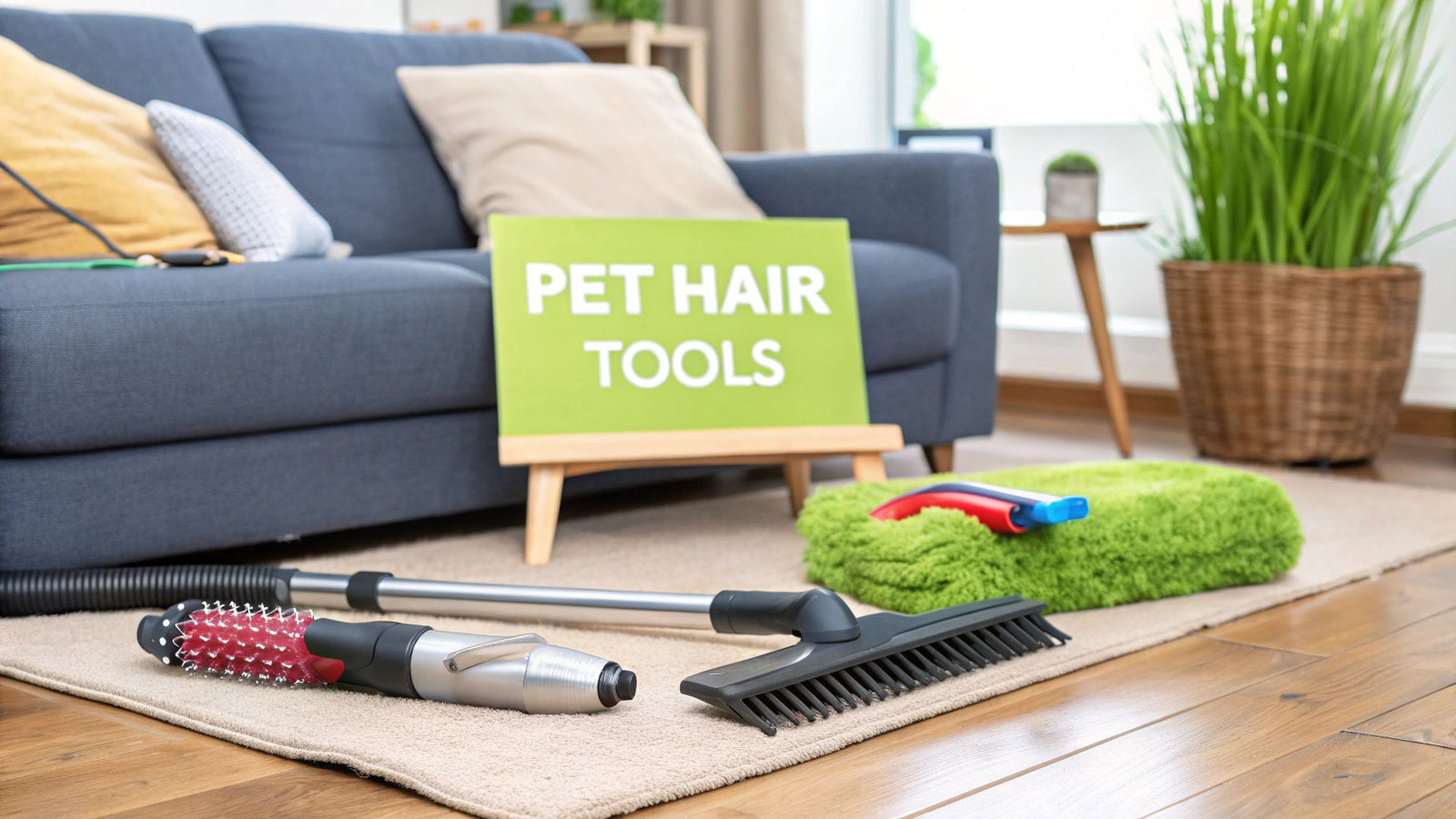
How Often Should You Replace A Pet Vacuum Brush?
The frequency of replacement depends on several factors, including the type of vacuum, the amount of pet hair, and the surfaces you vacuum. However, there are general guidelines to follow.
General Recommendations
For most pet owners, replacing the brush roll every 6 to 12 months is a good starting point. This range accounts for moderate to heavy use. If you have multiple pets or long-haired breeds, you might lean towards the shorter end of this spectrum.
Factors Influencing Replacement Frequency
- Pet Type and Amount: Homes with multiple pets, especially those with long, shedding coats, will wear down a brush roll faster. A single short-haired cat will have a different impact than two large, shedding dogs.
- Flooring Type: If you primarily vacuum carpets, especially high-pile ones, the brush roll will experience more wear than if you mainly vacuum hard floors. Carpet fibers create more friction and entanglement.
- Vacuum Usage: Daily vacuuming naturally leads to faster wear than weekly cleaning. The more your vacuum runs, the more the brush roll is used.
- Vacuum Quality: Higher-quality vacuums often use more durable materials for their brush rolls, potentially extending their lifespan.
Manufacturer Guidelines
Always check your vacuum cleaner’s manual. Manufacturers often provide specific recommendations for brush roll maintenance and replacement. Following these guidelines can help ensure your vacuum operates at its best.
Maintenance Tips To Extend Brush Roll Life
While replacement is inevitable, you can extend the life of your current brush roll with proper care. Regular maintenance can make a significant difference.
Regular Cleaning
The most crucial maintenance step is to clean the brush roll regularly. After each use, or at least once a week, remove any visible hair, threads, or debris wrapped around the bristles. Most vacuums have a way to easily access the brush roll for cleaning.
Pro Tip: Use scissors or a seam ripper to carefully cut away tangled hair. Be cautious not to cut the bristles themselves. Many modern vacuums have self-cleaning brush rolls, but even these benefit from occasional manual checks.
Check For Tangles
Hair and string can wrap tightly around the brush roll, impeding its ability to spin freely. This puts extra strain on the motor and can lead to premature wear. Make it a habit to check for and remove these tangles.
Inspect The Belt
The belt that drives the brush roll can also wear out or break. If your brush roll isn’t spinning, check the belt for signs of damage, stretching, or breakage. Replacing a belt is usually much cheaper than replacing the entire brush roll assembly.

When To Consider A New Vacuum Cleaner
Sometimes, the issue might not just be the brush roll. If you’re consistently replacing brush rolls more often than expected, or if your vacuum is showing multiple signs of age and wear, it might be time to consider a new machine.
Newer models, especially those designed for pet owners, often come with improved brush roll technology and better filtration systems.
Comparing Brush Roll Types
Different vacuums use different brush roll designs. Some are made with stiffer bristles for deep cleaning carpets, while others have softer materials for delicate floors. Some high-end models feature specialized anti-tangle technology.
Here’s a look at common brush roll materials and their typical lifespan:
| Material | Durability | Best For | Typical Lifespan (Months) |
|---|---|---|---|
| Nylon | Moderate | Carpets, general use | 6-12 |
| Rubber/Silicone | High | Hard floors, pet hair | 12-18 |
| Mixed Bristles | Moderate to High | Versatile, carpets and hard floors | 8-15 |
| Specialized | Very High | Advanced anti-tangle, specific needs | 12-24 |
*Note: Lifespans are estimates and vary greatly based on usage and maintenance.*
The Impact Of A Clean Brush Roll On Air Quality
Beyond just cleaning floors, a well-functioning vacuum with a clean brush roll contributes to better indoor air quality. When the brush roll effectively picks up pet dander and allergens, the vacuum’s filtration system can trap them, preventing them from recirculating into the air.
A worn brush roll that leaves dander behind means less is captured by the filter, potentially worsening allergies for sensitive individuals.

Where To Buy Replacement Brush Rolls
Replacement brush rolls can typically be purchased directly from the vacuum manufacturer’s website, authorized dealers, or large online retailers. Always ensure you are buying a part compatible with your specific vacuum model. Using a non-compatible part can damage your vacuum.
Frequently Asked Questions
How Do I Know If My Pet Vacuum Brush Roll Is Damaged Beyond Repair?
If the bristles are significantly bent, melted, or missing in large sections, it’s likely beyond repair. Also, if the brush roll no longer spins even after removing all tangles and checking the belt, it may be time for a replacement.
Can I Use A Generic Replacement Brush Roll, Or Do I Need A Brand-specific One?
It’s always best to use a brand-specific replacement brush roll designed for your vacuum model. Generic parts may not fit correctly, leading to poor performance or damage to your vacuum cleaner. Always verify compatibility before purchasing

