

You want your kitchen to be as clean and safe as your bathroom, right? But have you ever wondered if the Lysol Bathroom Cleaner you trust for scrubbing your tub can also be used on your kitchen surfaces?
Using the wrong cleaner in the kitchen could affect your food and your family’s health. You’ll discover whether Lysol Bathroom Cleaner is safe and effective for your kitchen, so you can keep your entire home spotless without worry. Keep reading to find out the truth and make the best choice for your cleaning routine.
Lysol Bathroom Cleaner Basics
Lysol Bathroom Cleaner is a popular choice for cleaning bathroom surfaces. It kills germs and removes tough stains. Many wonder if this cleaner works well in the kitchen too.
Understanding the basic ingredients and intended uses helps answer this question. Let’s explore what makes Lysol Bathroom Cleaner effective and safe.
Key Ingredients
Lysol Bathroom Cleaner contains powerful disinfectants. These include hydrogen peroxide and surfactants. They break down grime and kill bacteria quickly. Some formulas also have bleach for extra strength.
The cleaner is designed to remove soap scum, hard water stains, and mold. Its ingredients work fast on bathroom surfaces like tile and porcelain.
Intended Uses
This cleaner targets bathroom messes. It works well on sinks, tubs, toilets, and shower walls. Its formula fights germs common in damp areas.
Manufacturers do not recommend using it on food contact surfaces. This includes kitchen counters and cutting boards. The chemicals may leave residues that are unsafe to ingest.
Always read the label for proper use instructions and warnings. Using the cleaner as directed keeps your home safe and clean.

Kitchen Surface Types
The kitchen has many different surfaces. Each surface needs a special kind of cleaning. Some surfaces can handle strong cleaners. Others need gentle care. Understanding these surfaces helps decide if Lysol Bathroom Cleaner is safe to use.
Countertops
Countertops come in many materials like granite, laminate, and wood. Granite and stone can handle stronger cleaners. But wood and laminate need mild products to avoid damage. Lysol Bathroom Cleaner may harm some countertop finishes. Test a small area first to be safe.
Appliances
Kitchen appliances have metal, plastic, and glass parts. Lysol Bathroom Cleaner can clean metal and glass surfaces well. Avoid using it on plastic parts that may discolor or weaken. Use a soft cloth to apply and rinse well.
Sink Areas
Sinks are often stainless steel or porcelain. Lysol Bathroom Cleaner works well on these materials. It can remove stains and kill germs quickly. Be sure to rinse the sink thoroughly after cleaning to remove any cleaner residue.
Safety Considerations
Cleaning the kitchen requires careful choices. Safety is key when using any cleaner. Lysol Bathroom Cleaner is strong and meant for bathroom use. Using it in the kitchen needs caution. Understanding safety helps avoid problems and keeps your space healthy.
Chemical Residue Risks
Lysol Bathroom Cleaner contains chemicals that kill germs fast. These chemicals may leave residue on surfaces. In the kitchen, residue can mix with food or utensils. This can cause health risks if ingested. Always rinse surfaces well after using strong cleaners. Avoid using bathroom cleaners on areas where you prepare food.
Food Contact Safety
Kitchen surfaces touch food directly. Cleaners must be safe for food contact areas. Lysol Bathroom Cleaner is not designed for food contact surfaces. Using it in the kitchen may expose food to harmful chemicals. Choose cleaners labeled safe for kitchen use. This protects your family from chemical exposure.
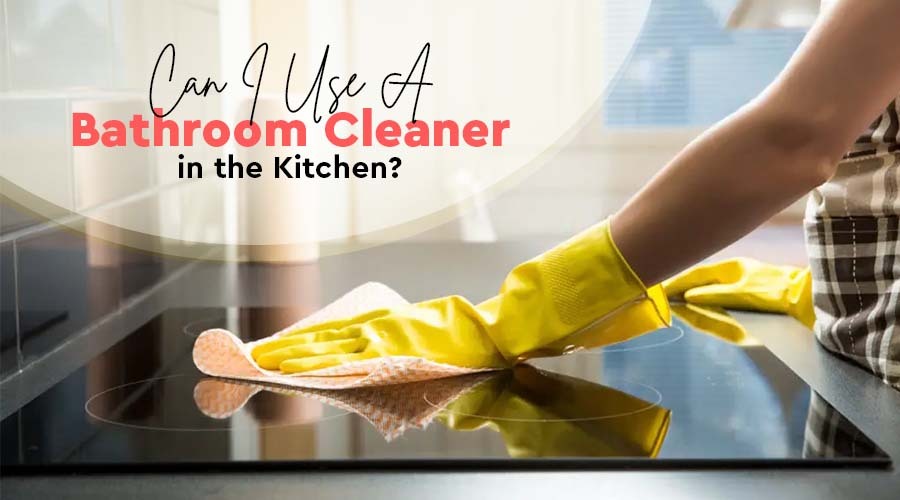
Effectiveness In Kitchen Cleaning
Lysol Bathroom Cleaner is designed to fight tough grime and germs. Many wonder if it works well in the kitchen too. Its strength in removing bacteria and cleaning stains is key to its use outside bathrooms.
Understanding how effective it is in kitchen cleaning helps decide if it fits your needs.
Germ And Bacteria Removal
Lysol Bathroom Cleaner kills many types of germs and bacteria quickly. It uses strong disinfectants that target harmful microbes common in kitchens. This can reduce the risk of food contamination.
Surfaces like countertops, sinks, and cutting boards benefit from this cleaner’s germ-fighting power. It leaves fewer bacteria behind, making the kitchen safer for food prep.
Stain And Grease Cleaning
The cleaner handles tough stains found in kitchens, such as food spills and grease. Its formula breaks down oily residue easily. This helps keep surfaces shiny and clean.
It works well on stovetops, backsplashes, and cabinet doors. Regular use can prevent buildup that attracts dirt and germs.
Expert Recommendations
Experts give clear advice on using Lysol Bathroom Cleaner outside the bathroom. It is important to know when it is safe and effective to use this product in the kitchen. Following these guidelines helps keep your home clean and safe.
When To Use Lysol Bathroom Cleaner
Lysol Bathroom Cleaner works well on tough bathroom stains. It kills germs on hard surfaces like sinks and tubs. Experts say it should only be used on non-food surfaces in the kitchen. For example, it can clean kitchen sinks or garbage bins. Avoid using it on food preparation areas or dishes. This prevents harmful chemical exposure.
Alternatives For Kitchen Cleaning
Use kitchen-specific cleaners for counters and appliances. These products are designed to remove grease and food residue safely. Vinegar and baking soda are natural options for disinfecting. They are safe around food and easy to use. Wipes labeled for kitchen use also kill germs without harsh chemicals. Choose products made for kitchens to protect your family’s health.
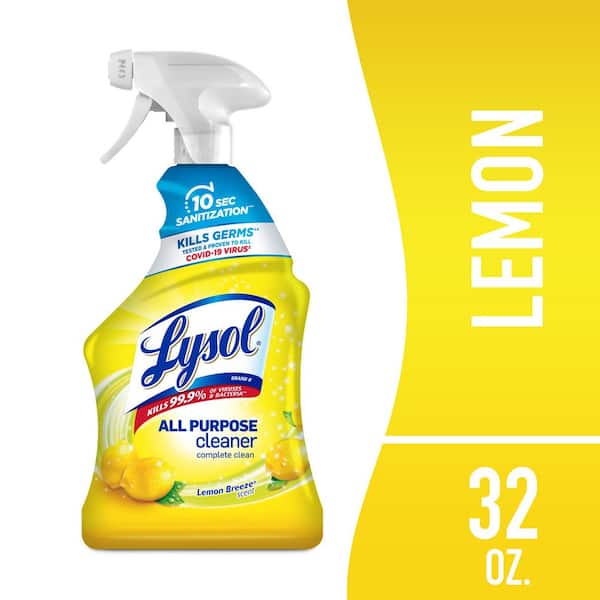
Proper Usage Tips
Using Lysol Bathroom Cleaner in the kitchen requires care. Proper usage ensures safety and effectiveness. Follow these tips to clean well and protect your health.
Application Methods
Spray the cleaner directly on the surface. Use a cloth or sponge to spread it evenly. Let it sit for a few minutes to kill germs. Wipe the area with a clean, damp cloth. Avoid soaking surfaces to prevent damage. Always read the label for specific instructions.
Ventilation And Safety Gear
Open windows or turn on fans for fresh air. Proper ventilation stops fumes from building up. Wear gloves to protect your skin from irritation. Avoid touching your face during cleaning. Keep the cleaner away from children and pets. Wash your hands well after use.
Frequently Asked Questions
Can Lysol Bathroom Cleaner Safely Clean Kitchen Surfaces?
Lysol Bathroom Cleaner is designed for bathroom use and may contain chemicals unsuitable for kitchen food areas. It’s best to use kitchen-specific cleaners to ensure safety around food preparation surfaces.
Is Lysol Bathroom Cleaner Effective Against Kitchen Germs?
While Lysol Bathroom Cleaner kills many bacteria and viruses, it’s formulated for bathroom grime. For kitchens, choose disinfectants labeled safe for food contact surfaces to ensure proper hygiene.
Can Lysol Bathroom Cleaner Leave Harmful Residues In Kitchens?
Bathroom cleaners might leave residues that are unsafe if ingested. Always rinse kitchen surfaces thoroughly or use cleaners approved for kitchen use to avoid health risks.
What’s The Recommended Cleaner For Kitchen Countertops?
Use cleaners specifically designed for kitchen countertops, such as food-safe disinfectants or mild detergents. These ensure effective cleaning without harmful chemicals or residues.
Conclusion
Lysol Bathroom Cleaner is strong and made for bathrooms. It can clean dirt and germs well. But kitchen surfaces need gentler cleaners for food safety. Using bathroom cleaner in the kitchen might leave harmful residues. Always check product labels for safe use areas.
Choose cleaners made specifically for kitchens instead. Keeping your kitchen safe helps protect your family’s health. Clean smart and use the right products every time. This way, your home stays fresh and safe. Simple steps matter a lot in home cleaning.

