

Is your wood furniture looking dull, scratched, or worn out? You don’t need expensive products or professional help to bring it back to life.
With a simple household item—vinegar—you can restore your wood furniture’s natural shine and beauty. Imagine turning back the clock and making your favorite pieces look almost new again. You’ll discover easy steps to clean, brighten, and refresh your wood furniture using vinegar.
Keep reading, and you’ll be surprised at how simple and effective this method is for your home.
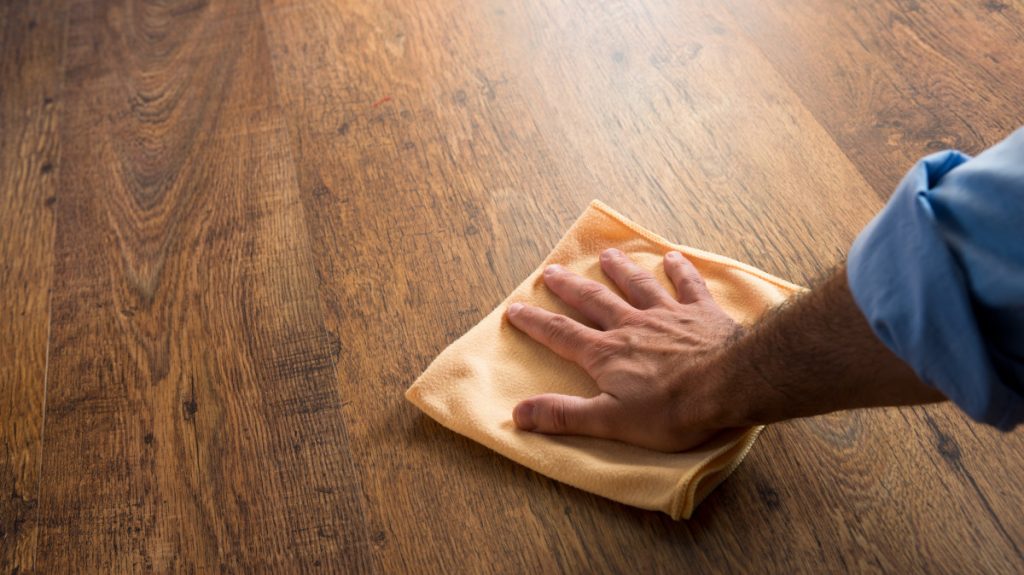
Benefits Of Using Vinegar For Wood
Vinegar is a natural and safe solution for wood care. It cleans and restores wood without harsh chemicals.
This simple ingredient helps remove dirt, stains, and grime. It also brightens the wood’s natural color.
Using vinegar is affordable and easy to find. It works well on many types of wood furniture.
Natural Cleaning Power
Vinegar breaks down dirt and grease on wood surfaces. It cleans without damaging the wood’s finish.
Its mild acidity removes sticky residues gently. This keeps the wood smooth and fresh.
Safe For The Environment
Vinegar is biodegradable and non-toxic. It does not pollute the air or water.
This makes it a safe choice for homes with children or pets.
Cost-effective Solution
Vinegar costs very little compared to commercial cleaners. A small bottle lasts a long time.
It saves money while providing good cleaning results.
Restores Wood Shine
Vinegar helps bring back the wood’s natural glow. It removes dullness and light stains.
Regular use keeps wood looking clean and polished without wax or polish.
Choosing The Right Vinegar
Choosing the right vinegar is important for restoring wood furniture. Vinegar cleans and brightens wood surfaces safely. Different types of vinegar work differently on wood. Picking the best one helps avoid damage. It also improves the cleaning results. Understanding vinegar types and how to dilute them is key.
White Vinegar Vs Apple Cider Vinegar
White vinegar is clear and has a strong smell. It is very acidic, making it good for tough stains. It cleans deeply but may dull some finishes if used too much. Apple cider vinegar is brownish and milder. It has a softer acid that works well on light stains. It also leaves a faint scent that many find pleasant. For delicate or antique wood, apple cider vinegar is safer. White vinegar works better for heavy dirt and grime.
Dilution Ratios
Vinegar should always be diluted before use on wood. Pure vinegar is too strong and can damage the surface. A common ratio is one part vinegar to one part water. For delicate wood, use one part vinegar to two parts water. Mix the solution in a spray bottle or bowl. Test the mix on a hidden spot before cleaning. Adjust the ratio based on how the wood reacts. Proper dilution protects the wood and improves cleaning.
Preparing Wood Furniture For Restoration
Preparing wood furniture for restoration is an important first step. It helps ensure the vinegar treatment works well. The wood must be clean and free from old finishes. This process makes the surface ready to absorb vinegar and bring back its natural beauty.
Cleaning Surface Dirt
Start by removing dust and loose dirt. Use a soft cloth or a brush. Gently wipe the entire surface. Avoid using too much water, which can damage the wood. A damp cloth with mild soap works well for sticky spots. Let the wood dry completely before the next step.
Removing Old Finish
Old finishes block vinegar from reaching the wood. Use a chemical stripper or sandpaper to remove them. Apply the stripper carefully, following safety instructions. After it softens the finish, wipe it away with a clean cloth. Sand the wood lightly to smooth rough areas. This process prepares the wood to absorb vinegar evenly.

Step-by-step Vinegar Application
Restoring wood furniture with vinegar is simple and effective. Follow these steps carefully for the best results. Vinegar cleans and brightens the wood without harsh chemicals. This natural method brings old furniture back to life.
Mixing Vinegar Solution
Start by mixing equal parts of white vinegar and water. Use a clean bowl or spray bottle. Stir or shake well to combine. This solution is gentle yet powerful for wood surfaces.
Applying To Wood
Dip a soft cloth or sponge into the vinegar solution. Wring out excess liquid to avoid soaking the wood. Rub the cloth gently over the furniture in circular motions. Cover all areas evenly for consistent cleaning.
Allowing Time To Soak
Let the vinegar sit on the wood for about 10 to 15 minutes. This allows the solution to break down dirt and stains. Avoid letting it dry completely. After soaking, wipe the surface with a clean, damp cloth to remove residue.
Enhancing Wood Grain With Vinegar
Vinegar is a simple and natural way to enhance the beauty of wood grain. It brings out the natural patterns and makes the wood look richer. This method works well on older furniture, giving it a fresh, warm look without harsh chemicals. The process is easy and uses items you may already have at home.
Combining Vinegar With Steel Wool
Steel wool reacts with vinegar to create a natural wood stain. Soak a piece of steel wool in vinegar for a day. The mixture will turn dark. Apply this liquid to the wood using a cloth. The wood will start to darken and the grain will stand out more. This mix is safe and enhances the wood’s natural beauty.
Creating A Wood Stain Effect
After applying the vinegar and steel wool solution, watch the wood change color. The stain highlights the grain and adds depth. Let the wood dry completely. You can apply more coats for a stronger color. This process brings out a natural, aged look on your furniture. It is a gentle way to restore and beautify wood.
Finishing Touches After Vinegar Treatment
After treating wood furniture with vinegar, the next steps are crucial. These finishing touches bring out the best in your piece. They ensure the wood looks smooth and feels protected. Proper care now helps your furniture last longer and shine brighter.
Sanding Techniques
Start by sanding the wood gently. Use fine-grit sandpaper for a smooth finish. Move the sandpaper in the direction of the wood grain. This avoids scratches and keeps the surface even. Sanding removes any rough spots left by the vinegar. It also opens the wood pores to absorb oil or wax better.
Applying Oil Or Wax
After sanding, apply a thin layer of oil or wax. This seals the wood and adds a soft shine. Use a clean cloth to spread the product evenly. Rub it into the wood with small, circular motions. Let the oil or wax soak in for about 15 minutes. Then, buff the surface gently for a smooth finish. This step protects the wood from damage and enhances its natural beauty.
Common Mistakes To Avoid
Restoring wood furniture with vinegar is simple, but mistakes can ruin the process. Avoiding common errors saves time and effort. It keeps the wood safe and looking great. Here are key mistakes to watch out for.
Using Undiluted Vinegar
Never use pure vinegar directly on wood. It can damage the finish and dry out the wood. Always mix vinegar with water to protect the surface. A 50/50 ratio works well for most furniture.
Skipping The Test Spot
Always test your vinegar solution on a small hidden area first. Some wood types react differently. This step prevents unwanted discoloration or damage.
Not Cleaning The Surface First
Remove dust and dirt before applying vinegar. Dirt can scratch the wood or block the vinegar from working properly. Use a soft cloth to clean the surface gently.
Leaving Vinegar On Too Long
Do not let vinegar sit on the wood for too long. It can weaken the finish and cause stains. Wipe it off after a few minutes and dry the wood thoroughly.
Ignoring Protective Finish After Cleaning
Vinegar can strip off some finishes. Apply a wood conditioner or polish after cleaning. This keeps the wood healthy and shiny.

Maintaining Restored Wood Furniture
Restoring wood furniture with vinegar brings back its natural beauty. Proper care after restoration keeps the wood looking great. Regular maintenance helps prevent damage and extends the furniture’s life. Follow easy steps to keep your restored wood in top shape.
Regular Cleaning Tips
Dust your wood furniture often using a soft cloth. Avoid harsh chemicals that can damage the finish. Use a damp cloth with mild soap for deeper cleaning. Dry the surface quickly to prevent water spots. Clean spills immediately to stop stains from setting. Keep the wood free from dirt and grime for a fresh look.
Protecting From Future Damage
Use coasters and placemats to protect the wood from heat and moisture. Avoid placing furniture in direct sunlight to prevent fading. Keep wood away from heating vents or radiators to stop drying out. Apply a light coat of furniture wax or oil every few months. This adds a protective layer and enhances shine. Handle furniture gently to avoid scratches and dents.
Frequently Asked Questions
What Type Of Vinegar Is Best For Wood Restoration?
White distilled vinegar is best for wood restoration. It effectively cleans and brightens without damaging the wood. Avoid using colored or flavored vinegars, as they may stain the surface.
Can Vinegar Remove Stains From Wood Furniture?
Yes, vinegar can remove light stains from wood. Mix vinegar with olive oil for best results. Always test on a small area first to avoid damage.
How Often Should I Restore Wood Furniture With Vinegar?
Restoring wood furniture with vinegar every 3-6 months is ideal. Frequent use maintains shine and removes dirt without harming the wood finish.
Is Vinegar Safe For Antique Wood Furniture?
Vinegar is generally safe for antiques if diluted properly. Use a 1:1 mixture of vinegar and water. Test on a hidden spot before full application.
Conclusion
Restoring wood furniture with vinegar is simple and effective. Vinegar cleans and brightens the wood without harsh chemicals. Just mix, apply, and wipe to see results. This method saves money and keeps your furniture looking fresh. Try it for old tables, chairs, or cabinets.
A little effort can bring back the wood’s natural beauty. Give your furniture a new life with this easy, natural trick.

