

Can a wet/dry vacuum pick up dirt? Yes, it can. In fact, it does it better than most household vacuums because it has far more suction and doesn't mind getting dirty.
The catch is that the dirt's condition changes how you should set up the machine. Dry dust, wet mud, and heavy gravel all need different filters and nozzles to work properly.
Manufacturer specifications for consumer wet/dry vacuums show water lift ratings between 50 and 100 inches. That's roughly double what a typical upright vacuum produces. That power is why this tool is a standard fixture in garages, workshops, and job sites.
As of 2026, nearly every model still relies on the same two-filter system: a cartridge filter for dry pickup and a foam sleeve for wet pickup. So the real answer to the question is "yes" if you match the setup to the mess.
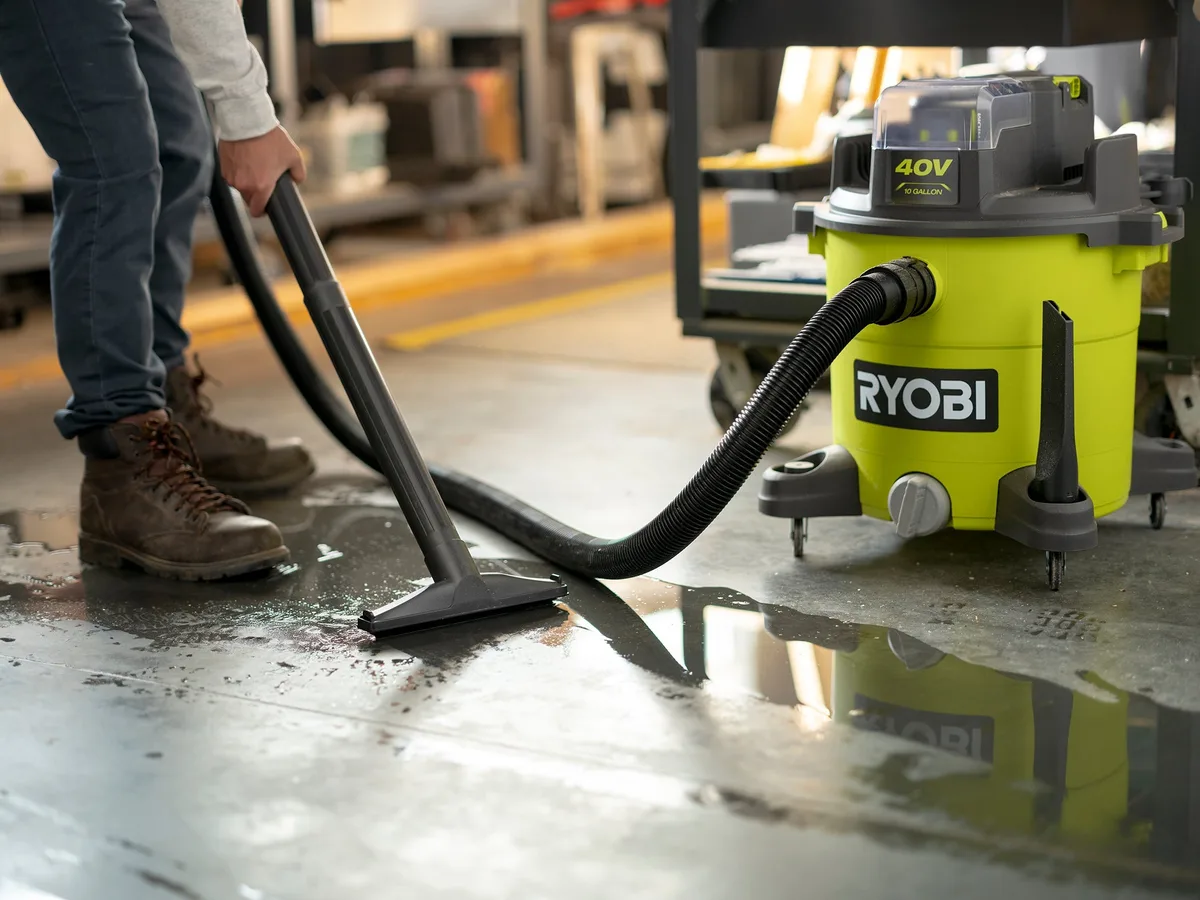
Image source: Bing (Web (fair-use with source credit))
Quick Answer: Yes, But It Depends on the Dirt
Absolutely, but only with the right setup. A wet/dry vacuum picks up loose dirt, wet mud, and damp soil. Dry dirt needs a cartridge filter, preferably with a filter bag.
Wet mud needs a foam sleeve instead. The float valve stops liquid from reaching the motor. Match the filter to the dirt, and the tank fills without trouble.
How a Wet/Dry Vacuum Actually Picks Up Dirt
A wet/dry vacuum uses airflow, not a spinning brush, to move dirt. The motor spins an impeller that pulls air through the hose and into the tank. That moving air carries debris with it.
Inside the tank, the air expands and slows down. Heavy particles fall to the bottom, while fine dust keeps moving toward the filter.
Here's the airflow path you see in most shop vac designs.
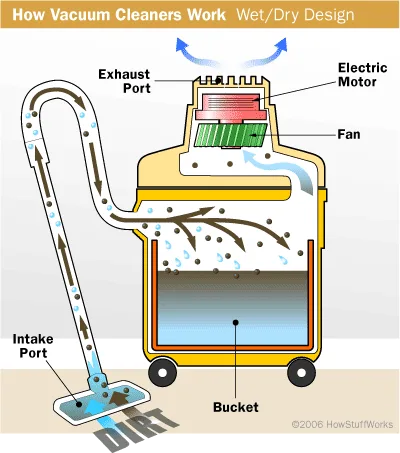
Image source: Bing (Web (fair-use with source credit))
Dry Dirt: What Happens Inside the Tank
Dry dirt behaves how you'd expect. It drops into the tank, and the cartridge filter traps the fine dust before it reaches the motor. That's why filter condition matters more than raw motor power.
A torn filter lets dust fly through the motor and out the exhaust, which turns a quick cleanup into a dusty mess.
Fine dry dirt, like drywall dust or concrete dust, can also sneak through a standard cartridge filter. Adding a disposable filter bag fixes that. The bag catches the bulk of the dust first, and the cartridge filter handles whatever slips past.
Aggregate reviews from homeowner forums and workshop users consistently show better dust retention with this two-layer setup.
If you've ever dealt with a clogged filter on another machine, you know the pattern. The same thing happens with robotic pool vacuums. A clogged filter is usually the first thing to check.
Wet Dirt: Why the Float Valve Changes Everything
Wet dirt needs a different path. If moisture hits a cartridge filter, the paper and fabric soak up water, and airflow dies almost instantly. So you swap the cartridge filter for a foam sleeve.
The foam sleeve blocks debris but lets air and liquid move through, which keeps the motor dry.
The float valve is the real safety net. It's a small ball or disc that rises as liquid fills the tank. Once it reaches the top, it seals the motor inlet and kills the suction.
That sudden stop is your signal to empty the tank. It also prevents water from reaching the motor, which is what protects your vacuum from costly damage.
This kind of airflow interruption happens on other vacuums too. Collapsed hoses are a common cause of sudden suction loss.
Deciding What You're Dealing With: Dry, Wet, or Mixed?
Before you choose a filter, look at the dirt itself. The right setup for dry dust is wrong for mud, and mixed piles need a specific call. Use this table to sort it out.
| Dirt type | Filter to use | Main risk | Best nozzle |
|---|---|---|---|
| Dry loose dirt | Cartridge filter, plus bag for fine dust | Fine dust blowing through | Floor nozzle |
| Wet mud / damp soil | Foam sleeve only | Clogged cartridge filter | Utility nozzle or squeegee |
| Mixed wet and dry | Treat as wet | Moisture ruining the filter | Utility nozzle |
| Gravel / wood chips | Cartridge filter or bag | Hose clogging | Wide floor nozzle |
If the pile is damp or sticky at all, wet wins. A cartridge filter will soak up moisture and collapse airflow within seconds. When in doubt, use a foam sleeve.
Dry Loose Dirt (Dust, Sand, Soil)
If the dirt is dry, powdery, or granular, a cartridge filter is correct. Sand, potting soil, and garage dust all behave the same way. They fall out of the airflow and settle in the tank.
For very fine dust, add a bag. Avoid the squeegee nozzle, because it needs liquid to seal properly.
Wet Mud and Damp Dirt
Wet mud covers the filter, the hose wall, and the floor with a sticky layer that normal suction can't lift. That's why the foam sleeve is mandatory. The foam sleeve lets moisture pass into the tank while protecting the motor.
Use a utility nozzle for thick mud, or a squeegee nozzle if there's standing water mixed in.
Heavy Debris (Gravel, Wood Chips, Rocks)
Big pieces need a hose that matches their size. A 1.25-inch hose clogs on gravel and wood chips. A 2.5-inch hose handles them without breaking a sweat.
If you're stuck with a smaller hose, hold the nozzle slightly above the pile so the suction picks up one piece at a time instead of jamming them together.
If the pile is big enough, people look for workhorses built for heavy debris. That applies whether it's in a workshop or a backyard pool.
The Right Setup for Dry Dirt
Dry dirt is the easiest job for a wet/dry vacuum, but only if the filter is right. Here's the process that works.
- Confirm the cartridge filter is installed and seated properly.
- For fine dust, add a disposable filter bag over the intake port inside the tank.
- Attach the widest nozzle you have, usually a floor nozzle or utility head.
- Connect the hose to the suction port, not the blower port.
- Check that the float valve moves freely before you power on.
If you skip the bag, empty the tank before it looks full. Fine dust packs down, so the tank can hold a surprising amount without the level actually rising. That dense layer is also what makes emptying messy.
For construction-grade dust like concrete or drywall compound, OSHA treats the hazard seriously. The agency's silica standard is aimed at workplace exposure, but the dust is equally bad for your lungs at home. Wear a dust mask and work outdoors if you can.
The rest is routine. Wipe down the cartridge filter after each use, and replace it when the fabric starts to fray. That kind of routine upkeep is what keeps any vacuum running at full strength.
The Right Setup for Wet Mud and Damp Dirt
Wet dirt needs a filter change before anything else. Leave the cartridge filter on and you'll soak it in the first ten seconds. Removing it is step one.
Here's the wet setup process:
- Remove the cartridge filter and store it somewhere dry.
- Slide the foam sleeve over the filter cage.
- Check that the float valve isn't stuck or blocked.
- Attach a utility nozzle or squeegee attachment.
- Connect the hose to the suction port.
Here's the foam sleeve that replaces the cartridge filter for wet work.
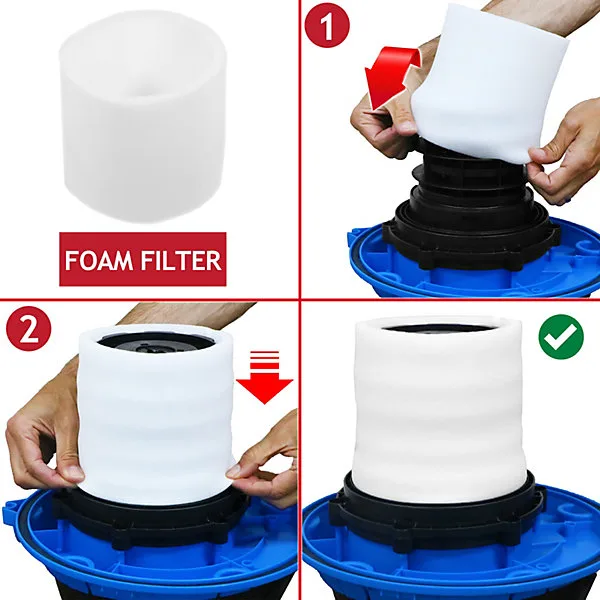
Image source: Web (Bing) / amazon.com (Web image (fair-use with source credit))
Once the tank starts filling with liquid, watch your suction. When the float valve seals, the motor sound changes and the suction drops to nearly zero. That's your cue to stop and drain the tank.
If you keep running the vacuum in that state, you'll overheat the motor.
One warning: skip soapy water. Foam can trigger the float valve early and make a mess inside the motor housing. Use plain water for rinsing.
After wet jobs, empty the tank right away. Use the drain port to dump liquid without lifting the whole unit. Rinse the tank with clean water, and dry the foam sleeve before storing it.
Wet dirt left in a warm tank smells like a swamp by morning.
If you see suction drop and the tank isn't full, check the hose for clogs first. It's the same first step you'd use on any vacuum that suddenly loses power.
Step-by-Step: How to Vacuum Dirt Without Breaking Your Vac
The setup takes about two minutes. Get the filter right, and the rest is straightforward.
Quick Pre-Check Checklist
- Confirm the filter matches the dirt: cartridge for dry, foam sleeve for wet.
- Check that the float valve moves freely before you start.
- Make sure the hose is locked into the suction port, not the blower port.
That's it. Most failures come from skipping one of those checks.
Picking the Right Nozzle
| Nozzle | Best for |
|---|---|
| Floor nozzle | Open dry surfaces, garages, workshops |
| Utility nozzle | Thick piles, mud, construction debris |
| Squeegee | Standing water, damp slush |
| Crevice tool | Edges, corners, car interiors |
If your unit came with a combo nozzle, it covers most household jobs.
Working Through Large Amounts of Dirt
Work in overlapping passes. Let the vacuum pull the dirt toward you instead of pressing the nozzle hard into the floor. Heavy pressure flattens the nozzle seal and kills airflow.
For gravel and wood chips, hold the nozzle slightly above the pile. The suction grabs pieces one at a time instead of jamming the hose. That trick matters even more on narrow 1.25-inch hoses.
Common Mistakes That Kill Suction or Create a Mess
Nearly every "it stopped sucking" complaint traces back to a few predictable mistakes:
- Leaving the cartridge filter on for wet pickup. The foam sleeve exists for a reason.
- Overfilling the tank past the float valve. The motor can't breathe.
- Vacuuming fine drywall dust without a filter bag. The cartridge filter plugs almost instantly.
- Storing the unit with a damp tank. That's how mold gets started.
- Using a 1.25-inch hose for heavy gravel. Clogs are basically guaranteed.
If the suction drops suddenly, check the hose for blockages first. That's the same first move you'd make when any vacuum starts losing suction. It solves the problem more often than not.
Fine dust is a health risk. The silica from concrete and masonry can damage lungs. That's why OSHA's silica standard exists.
Use a bagged setup and a dust mask when sanding or cutting.
Wet/Dry Vac vs. Regular Household Vacuum for Dirt: Which Should You Grab?
| Factor | Wet/dry vacuum | Household vacuum |
|---|---|---|
| Suction power | Higher, usually 80-100 in. water lift | Lower, usually 50-80 in. |
| Tank capacity | 4-16+ gallons | 1-2 gallons |
| Wet dirt | Yes, with foam sleeve | Never |
| Large debris | Handles gravel, wood chips | Clogs easily |
| Maneuverability | Heavy, bulky | Lightweight, compact |
For dirt, the wet/dry vacuum wins almost every time. It has more suction, a bigger tank, and won't clog on outdoor debris. The household vacuum is only better for fine dust on carpet where the shop vac can't fit under furniture.
The same logic applies to pool cleaners. Suction-side models are great for small debris but struggle with heavy leaves. Match the tool to the mess, and you'll spend less time fighting it.
What About Cordless Shop Vacs? Key Trade-Offs
Cordless wet/dry vacuums trade power for portability. A typical 18V or 20V model moves 40 to 60 CFM, while a corded unit pulls 100+ CFM. That's fine for small spills, not for a full garage cleanup.
They also hold less. Most cordless tanks range from 1 to 4 gallons. Corded models hold 12 to 16 gallons.
Battery life is the real limit. Our research suggests most cordless units run 10 to 15 minutes at full suction. Before you buy, it's worth checking how long batteries typically last so you match the tool to the job.
If the pile is bigger than a square foot, grab the corded one. If you need a fast dust-up in a tight area, cordless is easier to carry and store.
Maintenance: Keeping Your Vac Ready for the Next Pile of Dirt
Ten minutes of maintenance prevents most vacuum problems:
- Empty the tank after every job. Don't wait until it looks full.
- Rinse the tank with clean water after wet use.
- Dry the foam sleeve before putting it back on.
- Wipe the cartridge filter clean, but don't soak it.
- Check the hose for blockages before you coil it up.
Dirt left in the tank dries and hardens. Then it gets sucked into the filter on the next run. Moisture turns into mildew if it sits in a dark garage.
Consistent maintenance habits keep any vacuum running for years. The same applies to robotic pool cleaners and shop vacs alike.
A clogged filter is the most common cause of weak suction in any machine. Cleaning it after each job takes seconds compared to the cost of a new motor.
Safety and Compliance: What NOT to Vacuum
A wet/dry vacuum is powerful, but it's not a universal tool. Certain materials can damage the machine, harm your lungs, or even start a fire.
Hazardous Dust (Lead, Asbestos, Silica) — When a Shop Vac Is Not Enough
Standard shop vacs are not certified for hazardous dust. Lead paint dust, asbestos fibers, and silica from concrete require a HEPA-rated vacuum with a sealed filtration system. As we mentioned earlier, OSHA's silica standard is strict for a reason.
This dust scars lung tissue. If you're renovating an old home or cutting concrete indoors, rent or borrow a proper HEPA extraction unit instead.
Combustible Dust and Static Risks
Metal dust, fine sawdust, and coal dust can ignite under the right conditions. The airflow through a plastic hose creates static electricity. A single spark near a hot motor can ignite a fire.
Use an anti-static hose and ground the drum properly if you're vacuuming anything flammable.
Pro Tips for Common Real-World Dirt Scenarios
Different messes need slightly different moves. Here's how to handle the ones you'll actually face.
Garage and Workshop Floors
Sweep or shovel the big stuff first. Rocks and bolts will rattle around the hose, but they'll slow you down. Then use a floor nozzle with a wide mouth for quick passes.
For tool dust, a filter bag is worth the cost.
Car Interiors
Pick the crevice tool and a soft brush attachment. Sand and grit hide in the seat tracks. If the floor mats are muddy, hit them with the foam sleeve setup first.
Then dry vacuum the carpet. That's the same logic you'd use for cleaning out a car where debris hides in tight corners.
Post-Renovation Dust
Drywall dust is the hardest thing you'll vacuum. It's fine, light, and gets everywhere. Use a bagged setup and work slowly to avoid clogging the filter.
That's the same principle behind keeping the filter clean in any machine.
Garden and Yard Cleanup
Let the dirt dry out before vacuuming. Wet soil is heavy and pasty, but dry soil lifts easily with a utility nozzle. The same goes for leaf piles.
They clog narrow hoses just like heavy leaf debris does in a pool cleaner.
Frequently Asked Questions
Will a wet/dry vacuum clog on dirt?
No, not if you match the filter to the moisture level. Dry dirt settles in the tank, while a foam sleeve carries wet mud through smoothly. Clogs happen when you vacuum heavy gravel through a narrow hose or let dust pack down into a block.
Can I vacuum water and dirt at the same time?
Yes, with the foam sleeve installed. The sleeve protects the motor while letting water and mud flow through. Skip the cartridge filter, because it soaks up moisture and cuts off airflow almost instantly.
Do I need a HEPA filter for regular household dirt?
Not really. Standard dirt and dust won't harm your motor, and a cartridge filter is fine. You only need HEPA-rated filtration for hazardous materials like lead dust, asbestos, and silica.
How do I know when the tank is full?
The float valve tells you. When liquid or packed debris blocks the airflow path, the valve seals the motor inlet and suction drops to nothing. For dry dirt, you'll hear the sound change or feel the suction weaken.
Final Recommendation: Grab the Right Tool
A wet/dry vacuum is the right tool for dirt, full stop. It has the power, the tank size, and the filter options to handle everything from a dusting of dry soil to a pile of mud. The key is matching the filter to what you're cleaning.
| Situation | Best pick |
|---|---|
| Loose dry dirt | Cartridge filter, bag for fine dust |
| Wet mud | Foam sleeve, drain the tank after |
| Mixed debris | Foam sleeve, treat as wet |
| Hazardous dust | Leave it to a HEPA-rated vac |
Follow that simple decision flow, and your shop vac will keep working without problems for years.

