

You just spotted a wet patch spreading across the bedroom carpet, and the only serious tool within reach is the shop vac in the garage. Can a wet/dry vacuum clean carpets? Yes, but only in the sense that it removes water and loose surface grime from carpet fibers.
It will not make a dull, matted carpet look new again. That job belongs to a dedicated carpet extractor.
Manufacturer specifications confirm the gap. Most wet/dry vacuums deliver 100 to 200 CFM of airflow with 40 to 80 inches of water-lift. That's excellent for pulling water out of soaked padding.
It's too weak to flush out embedded dirt. As of 2026, deep carpet cleaning still relies on hot water extraction at much higher pressure. So before you grab that hose, let's weigh the right tool for the job.
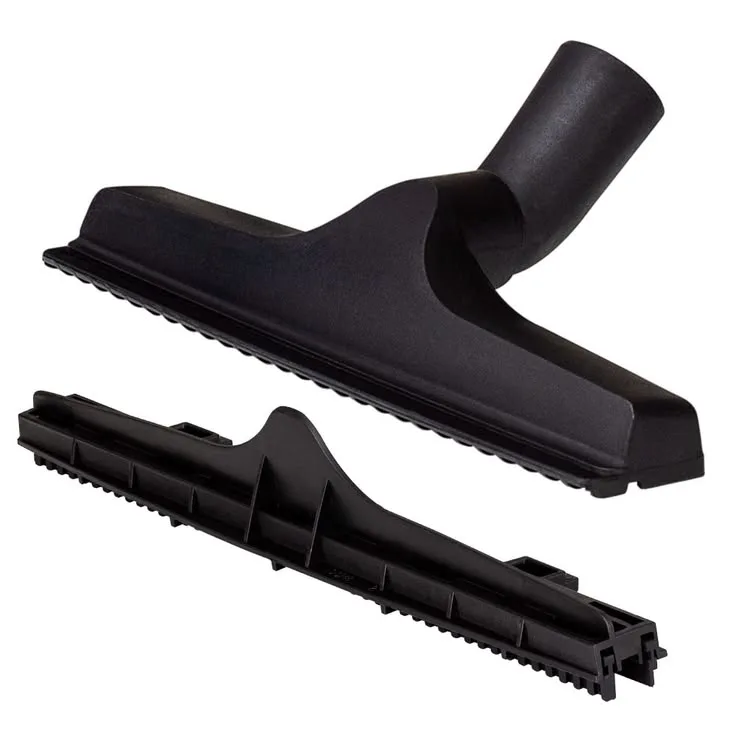
Image source: Bing (Web (fair-use with source credit))
Quick Answer: Yes, But It Depends on What "Clean" Means
A wet/dry vacuum can clean carpets, but only surface water and fresh spills. It pulls liquid out of carpet fibers fast. It does not remove embedded dirt or ground-in stains.
For that, you need a carpet extractor. Use a wet/dry vac for floods and emergency messes. Rent an extractor for dull, high-traffic carpet.
What a Wet/Dry Vac Actually Does to Carpet (and What It Can't Do)
A wet/dry vacuum is essentially a giant straw with a tank. It creates strong suction and moves whatever is on top of the carpet into the collection drum. That's where people get confused.
Moving water off the carpet is not the same as cleaning the carpet.
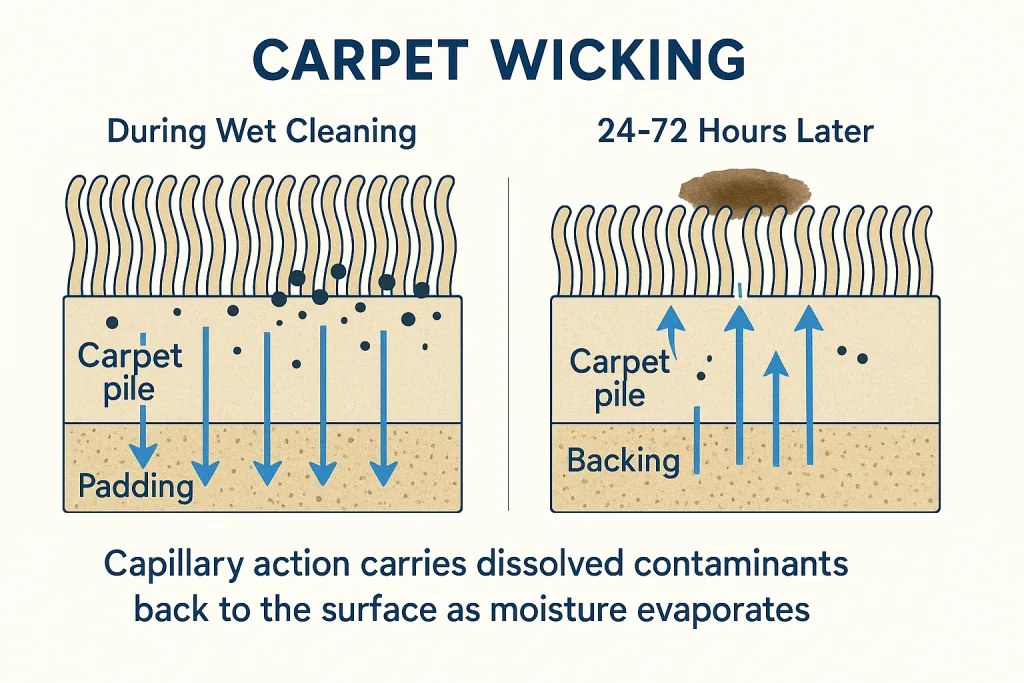
Image source: Web (Bing) / sanicarpetcleaner.com (Web image (fair-use with source credit))
Why Suction Alone Won't Deep-Clean Fibers
Carpet is a layered textile. Suction only reaches the top of the pile. Dirt that gets ground into the middle of the fibers stays exactly where it is.
To deep-clean carpet, you need four things: cleaning solution, water to carry the dirt, agitation to break it loose, and suction to pull the dirty liquid out. A wet/dry vac supplies only the last one. It's the same limitation you see with suction-only pool cleaners.
They handle light debris well but can't scrub away stuck-on grime.
Wet Extraction vs. Dry Vacuuming: Two Completely Different Jobs
Dry vacuuming is for dust, crumbs, and pet hair. Wet extraction is for liquid and the mess that comes with it. Those are two different jobs.
A carpet extractor injects hot cleaning solution, brushes the fibers, then sucks the dirty water into a separate tank. A wet/dry vac skips the injection and brushing entirely. You can fill that gap with a spray bottle and a brush, but the machine itself does no active cleaning.
The Right-Use Decision Tree: Are You Cleaning a Spill or a Flood?
Run through these three conditions before you set up the machine. Your answer tells you whether to use the wet/dry vac or rent something better.
Condition 1: Surface Water From a Leak or Flood: Wet/Dry Vac Is the Best Tool
Standing water from a burst pipe, a leaking water heater, or heavy rain is exactly what a wet/dry vac was built for. Soaked padding needs fast water removal. The EPA's mold guidance is clear: dry wet materials within 24 to 48 hours to prevent mold from taking hold.
Condition 2: Pet Mess, Spill, or Spot Stain: Yes, But Only With the Right Setup
Fresh stains and pet accidents respond well to wet/dry vac treatment, but only if you install the foam wet filter and do the full process. That means treating the spot, agitating it, adding clean water, and extracting until the water runs clear. Skip any step, and you're just moving the mess closer to the surface.
Condition 3: Overall Dirty, Dull, High-Traffic Carpet: Wrong Tool, Rent an Extractor
If the carpet looks dingy, matted in the walkways, or smells stale after a normal vacuum, a wet/dry vac won't solve it. The dirt is buried deep in the pile. Use an extractor instead.
As of 2026, hardware store rentals typically cost $25 to $40 per day, which beats replacing a carpet.
When to Stop and Rent a Carpet Extractor Instead
The difference isn't brand or price. It's what each machine physically does to the carpet.
What an Extractor Does That a Wet/Dry Vac Can't
A carpet extractor sprays hot solution, brushes the pile, and vacuums the waste in one pass. It also uses clean water continuously, so dirty water leaves the carpet while fresh solution keeps flowing. A wet/dry vac can't spray, heat, or agitate.
You can improvise those functions manually, but the results are inconsistent room to room.
| Feature | Wet/dry vac | Carpet extractor |
|---|---|---|
| Removes standing water | Excellent | Good |
| Sprays cleaning solution | No | Yes |
| Agitates carpet fibers | No | Yes |
| Rinses with clean water | No | Yes |
| Deep-cleans embedded dirt | No | Yes |
The "Good Enough" Trap: When Wet/Dry Vac Results Disappoint
This is the classic failure loop. The carpet looks better after extraction, so the homeowner stops. Days later, the spot reappears and smells sour.
The residue left behind attracts dirt like a magnet.
Renting an extractor costs money. Replacing a carpet costs more. It's the same cost-benefit math people run when deciding whether a robotic cleaner is worth the investment.
For major floods, hire a pro instead. Restoration companies follow IICRC standards for water damage, which prioritize fast extraction to prevent secondary damage.
How to Use a Wet/Dry Vac on Carpet: Step-by-Step Workflow
If your situation fits condition one or two, here's the workflow. Stick to the order. It matters.
Step 1: Empty the Tank and Swap Filters
Empty any dry debris from the tank first. Then remove the dry cartridge filter and fit the foam wet sleeve over the cage. The foam lets water pass while protecting the motor.
A paper filter will clog in seconds and can let moisture into the motor housing.
Keep the foam sleeve clean and dry between jobs. Rinse it with plain water, squeeze out the excess, and let it air dry completely. It's the same washing a reusable filter routine you'd use on any washable vacuum part.
Step 2: Choose the Right Nozzle (Squeegee vs. Floor Nozzle)
Use the squeegee nozzle for spots and stains. It concentrates suction into a narrow opening, which pulls more liquid out of the pile. Use a wide floor nozzle for large flooded areas where speed matters more than brute suction.
Step 3: Pre-Treat and Agitate the Stain
Apply a carpet-safe cleaner to the affected area. Let it sit for the time listed on the label, then work it into the fibers with a soft brush or cloth. Don't scrub hard.
Aggressive scrubbing can fuzz or distort carpet fibers.
Step 4: Extract With Slow, Overlapping Passes
Lay the nozzle flat and pull it toward you slowly. Slow passes lift more water than fast ones. Overlap each pass by half the nozzle width.
If the hose starts to flatten, stop and check for a clog. It's the same symptom pool owners see when a vacuum hose collapses under suction. Clear the blockage and try again.
Step 5: Rinse With Clean Water (Yes, You Need to)
If you used a cleaning solution, you must rinse it out. Detergent trapped in the fibers will attract dirt and make the carpet look worse within days. Spray clean water over the spot and work it in lightly.
Step 6: Extract Again Until Water Runs Clear
Run the squeegee over the spot again and inspect what lands in the tank. If the water is cloudy or sudsy, add more rinse water and repeat. If suction fades before the water runs clear, check the tank level, the foam sleeve, and the hose for clogs.
You'll see the same gradual power drop that pool owners troubleshoot when their cleaner keeps losing suction. Fix the airflow, and the extraction gets back on track.
Step 7: Dry Faster With Fans and Reduce Humidity
Point a fan at the carpet and run a dehumidifier if you have one. The faster the moisture leaves the padding, the lower the mold risk. Most spill cleanup jobs dry in one to four hours with good airflow.
Heavy saturation may take a full day.
The Over-Wetting Problem: Why Soggy Carpet Is Your Biggest Risk
Most people soak the carpet more than they clean it. A wet/dry vac can pull out what you put in, but the padding beneath the fibers holds moisture like a sponge. Drench the pile, and you soak the padding too.
That's where the real trouble begins.
How Over-Wetting Leads to Delamination, Seam Buckling, and Rot
Water breaks down the glue that binds carpet layers. The backing then separates from the pile. That's delamination.
Seams release and buckle, and wood subflooring starts to rot if moisture sits long enough. Mold can settle into the padding within 48 hours.
The "Less Is More" Rule for Cleaning Solution
Keep the carpet damp, not dripping. Use a spray bottle set to a fine mist. Work in small sections so the liquid never pools at the base of the fibers.
Add more solution only after the previous pass has been extracted.
Why Soap Residue Is Worse Than the Original Stain
Leftover detergent attracts dirt aggressively. That cleaned spot will turn dingy within a week. Always follow the cleaning spray with a plain water rinse, then extract until the pickup water runs clear.
Filters, Foam Sleeves, and Float Valves: Getting the Setup Right
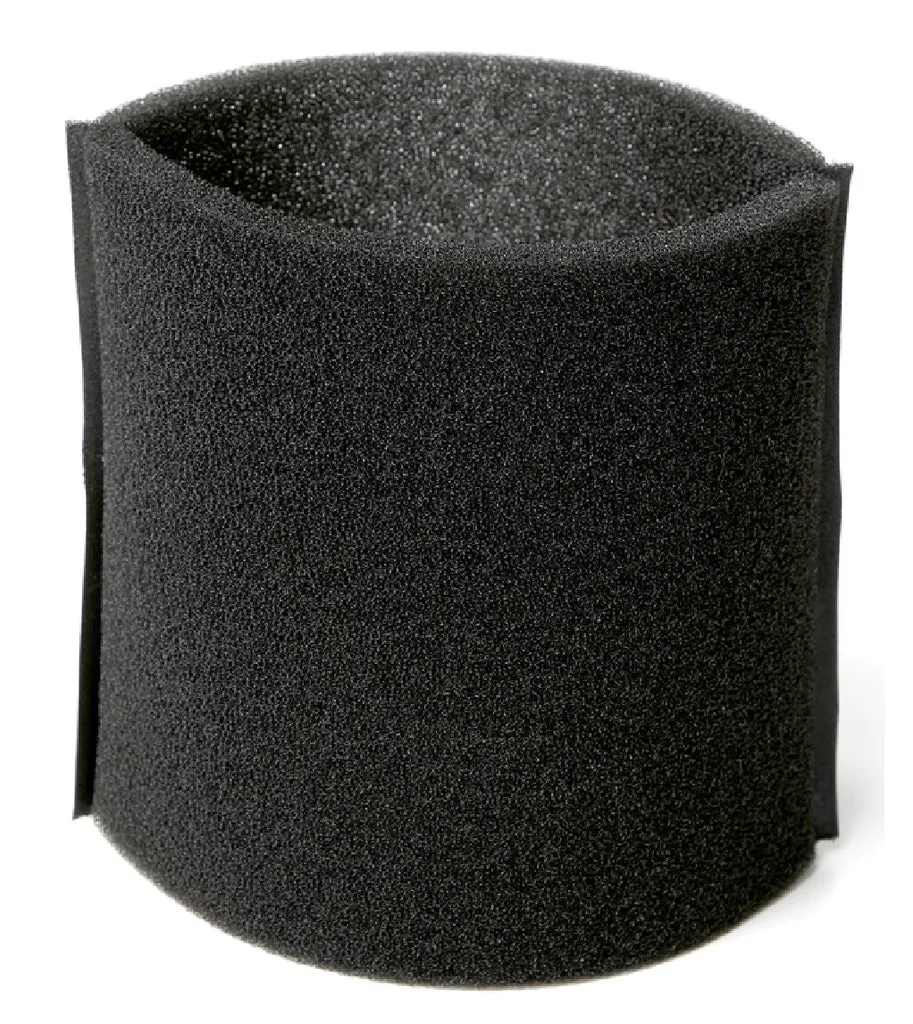
Image source: Web (Bing) / lifeandhome.com (Web image (fair-use with source credit))
Why Dry-Only Filters Will Destroy Your Motor
A paper or cartridge dry filter is not waterproof. Water saturates the fibers instantly, blocks airflow, and sends moisture straight into the motor housing. That's a quick way to kill a shop vac.
Wet Pickup Filter: Foam Sleeve vs. Cartridge
The foam sleeve is the wet-pickup filter. Slide it over the filter cage, and it lets water pass while catching debris. Rinse it with clean water and air-dry it after each job, just like routine upkeep you'd do on any washable filter.
Float Valve Basics: Know Where It Is Before You Need It
The float valve sits in the tank lid. When the water level climbs too high, the float rises, seals off airflow, and stops suction. If suction dies mid-wipe, the tank is full or the float is stuck.
Empty the tank before the water reaches the valve.
Carpet Drying Time and Mold Risk: What to Watch For
24-Hour Rule: When to Check for Moisture
Check the carpet again 24 hours after extraction. Press a paper towel into the pile. If it picks up moisture, you still have wet padding underneath.
Keep fans running and check again in 12 to 24 hours.
Signs Your Carpet Is Still Wet Below the Surface
Watch for three signs: dark discolorations, a musty smell, or a squishy feel when you press down on the carpet. Any one of those means moisture is still trapped below the pile.
Dehumidifiers and Fans: How to Speed Up the Process
A box fan pushes air across the surface, but that only dries the top fibers. A dehumidifier pulls moisture from the air at room level. Run both together to dry the padding faster.
One Machine, Two Jobs: Pros and Cons of Using a Wet/Dry Vac on Carpet
What You Gain: Speed, Reach, Cost Savings
A wet/dry vac is ready to work at a moment's notice. No rental trip, no extra cost, and the hose reaches where big machines can't fit. For emergencies, speed beats polish.
What You Give Up: Deep Cleaning, Smooth Finish, Fiber Care
You trade away hot water pressure, mechanical agitation, and continuous rinse water. Surface results look fine, but they fall short of what an extractor delivers. That trade-off makes sense for a flood.
It's a poor choice for routine deep cleaning.
Specs That Actually Matter for Carpet Work
Tank Size: How Much Water You Can Pick Up Before Emptying
A 5-gallon tank fills fast during extraction. A 10- or 12-gallon tank gives you more floor time before emptying. Track how much dirty water you're pulling out.
Stopping mid-job to drain the tank gets old fast.
CFM vs. Water-Lift: Why Both Matter
CFM moves volume. Water-lift provides pull. You want a balance of both for wet carpet.
Manufacturer spec sheets list both ratings, but only sealed pressure tells you how much pull you get at the carpet surface.
Motor Power: Real vs. Peak Ratings
Peak horsepower numbers are marketing math, not real output. Look for sealed pressure and airflow ratings instead. A 6.5 peak HP motor can still perform poorly if the tank and hose design restrict airflow.
Trust the specs you can measure.
Nozzle Width: Why It Affects Drying Time
A narrow nozzle concentrates suction but covers less ground. A wide nozzle covers ground faster but pulls less water per pass. Use a squeegee nozzle for spots and stains.
Use a wide floor nozzle for whole-room flooding.
Real Scenarios: Put Your Situation to the Test
Scenario A: Burst Water Heater in a Bedroom. If standing water is pooling on the carpet, grab the wet/dry vac immediately. Use the squeegee nozzle and work in slow, overlapping passes. Pull the padding up if it's saturated by the next day.
The vac can't dry soaked padding once the water sits for hours.
Scenario B: Dog Throws Up on the Living Room Rug. This is a spot-cleaning job, and a wet/dry vac handles it well if you move fast. Treat the spot, agitate gently, extract, then rinse with clean water. Done right, you'll get most of the stain and odor out.
Done slowly, the spot dries and sets permanently.
Scenario C: Two Years of Foot Traffic Without a Deep Clean. The carpet looks dull, matted, and covered in hidden dust. A wet/dry vac only pulls the surface layer of dirt. The grinding dust deep in the pile needs hot water extraction.
Rent an extractor or call a professional service.
Scenario D: Basement Seepage From Heavy Rain. Pull the water out with the wet/dry vac, that's the right move. But understand this is temporary. If seepage keeps returning, fix the drainage or waterproof the walls, the same way you'd fix a recurring pool leak rather than ignore it.
Extraction addresses the symptom, not the source.
Mistakes People Make With Wet/Dry Vacs on Carpet
- Using a dry filter for wet pickup. Paper filters turn to mush and let moisture straight into the motor.
- Skipping the rinse step. Detergent residue left in the pile attracts dirt, making the carpet dingier than before.
- Over-wetting the carpet. Spraying heavily doesn't deep-clean; it soaks the padding underneath.
- Leaving the tank full overnight. Stagnant water breeds mildew and leaves a sour smell.
- Using the wrong nozzle for the job. A wide floor nozzle scatters suction. A squeegee nozzle concentrates pull exactly where you need it.
FAQs About Wet/Dry Vacs and Carpet Cleaning
Can I Use Bleach in a Wet/Dry Vac?
No. Bleach corrodes tank seals, degrades the foam filter, and creates fumes inside a closed garage or basement. Use a carpet-safe cleaner diluted according to the label.
Never mix chemicals in the tank.
Will the Suction Damage My Carpet Fibers?
No, standard shop vac suction won't pull the pile loose. Low-pile and berber carpets handle it easily. High-pile carpets need gentle passes with a soft brush attachment.
Can I Clean My Car with a Wet/Dry Vac and Carpet Cleaner?
Yes, absolutely. Use a foam wet sleeve, pre-treat the stains, and work in small sections. Rinse with clean water and extract until the pickup water runs clear.
The same rules for household carpets apply.
How Quickly Should I Rent an Extractor After a Pipe Leak?
Immediately. Remove the water with the wet/dry vac first, then rent an extractor or hire a pro. Saturated padding left damp for 48 hours starts growing mold.
The clock starts the moment you spot the leak.
Final Decision Guide: Choose Your Move
| Your Situation | Recommended Tool |
|---|---|
| Standing water from a leak | Wet/dry vac, then pull wet padding |
| Fresh pet accident or drink spill | Wet/dry vac with full rinse process |
| Dull, matted, high-traffic carpet | Rent a carpet extractor |
| Lingering smell or sticky residue | Rent a carpet extractor, rinse thoroughly |
| Floodwater from sewage or black water | Professional IICRC restoration only |
One last tip: match the tool to the job, not the other way around. A wet/dry vac is your fastest emergency weapon, but it's not a carpet-cleaning machine. Respect that limit, and your carpets will last far longer.

