

Can a Wet/Dry Vacuum Be Used as a Blower?
Can a wet/dry vacuum be used as a blower? Yes, it can, but only if your model has a blower port. That simple answer hides a few practical details.
Most people discover the blower function when they feel air rushing out of the exhaust. Knowing which port to use, and when, saves you time and frustration.
Manufacturer specifications show that typical wet/dry vacuums move between 100 and 200 CFM. A dedicated leaf blower often pushes 300 to 600 CFM. That gap matters for heavy leaves and big driveway cleanups.
As of 2026, most mid-range shop vacs still fall into that lower airflow range, so you need to match the tool to the task.
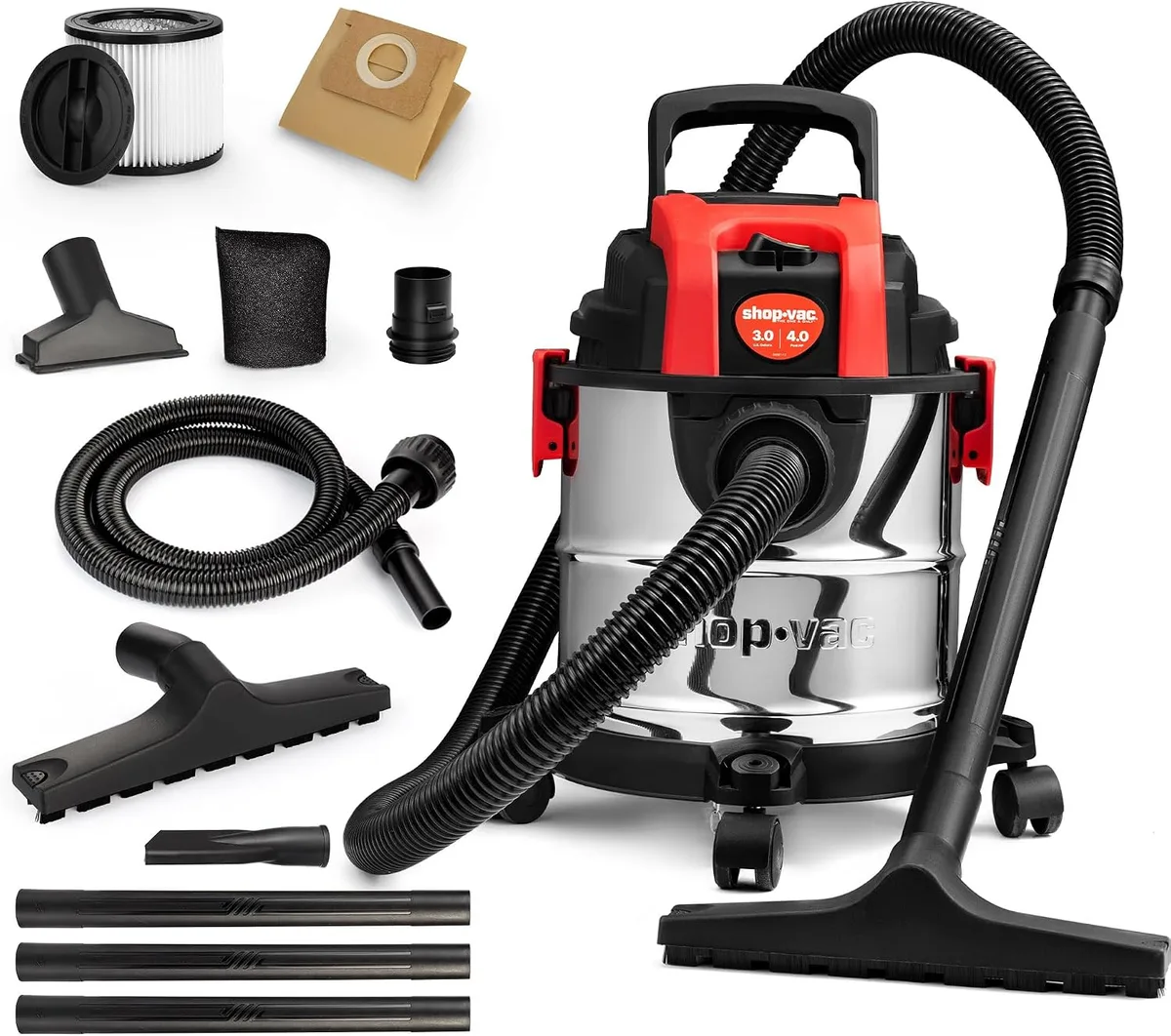
Image source: Bing (Web (fair-use with source credit))
Quick Answer: Yes, But It Depends on Your Model
Can a wet/dry vacuum be used as a blower? Yes, but only if it has a blower port. That port is the exhaust outlet on the motor housing.
Attach the hose to it and the motor pushes air instead of pulling it. Use it for light jobs like sawdust, leaves on a small patio, and gutters. Skip it for heavy piles of wet leaves.
A dedicated leaf blower moves a lot more air.
Where the Air Actually Comes From: Vacuum vs. Blower Mode
Most wet/dry vacuums have one motor. That motor spins an impeller inside the housing. When air enters the intake port, you get suction.
When air exits the exhaust port, you get blowing. Blower mode simply changes which port you use.
The confusion usually starts because the hose connects to the intake for normal vacuuming. In blower mode, you move that hose to the exhaust side. That second port is often labelled "blow" or "exhaust." Some models hide it under a cap.
If you don't see one, your unit probably isn't designed for blowing.
Here's the catch. The same motor that creates strong suction at the nozzle can feel weaker at the exhaust. That's because the hose and nozzle are built for suction.
You're using the same components in reverse. It works, but it's not an optimised blower.
First Decision: Does Your Wet/Dry Vac Have a Blower Port?
Not every wet/dry vac includes a blower port. This is the first thing to check. Look at the motor housing near the top.
Find a second large opening. It's usually round and may have a plug or cap. Some brands print "blower" or "exhaust" right beside it.
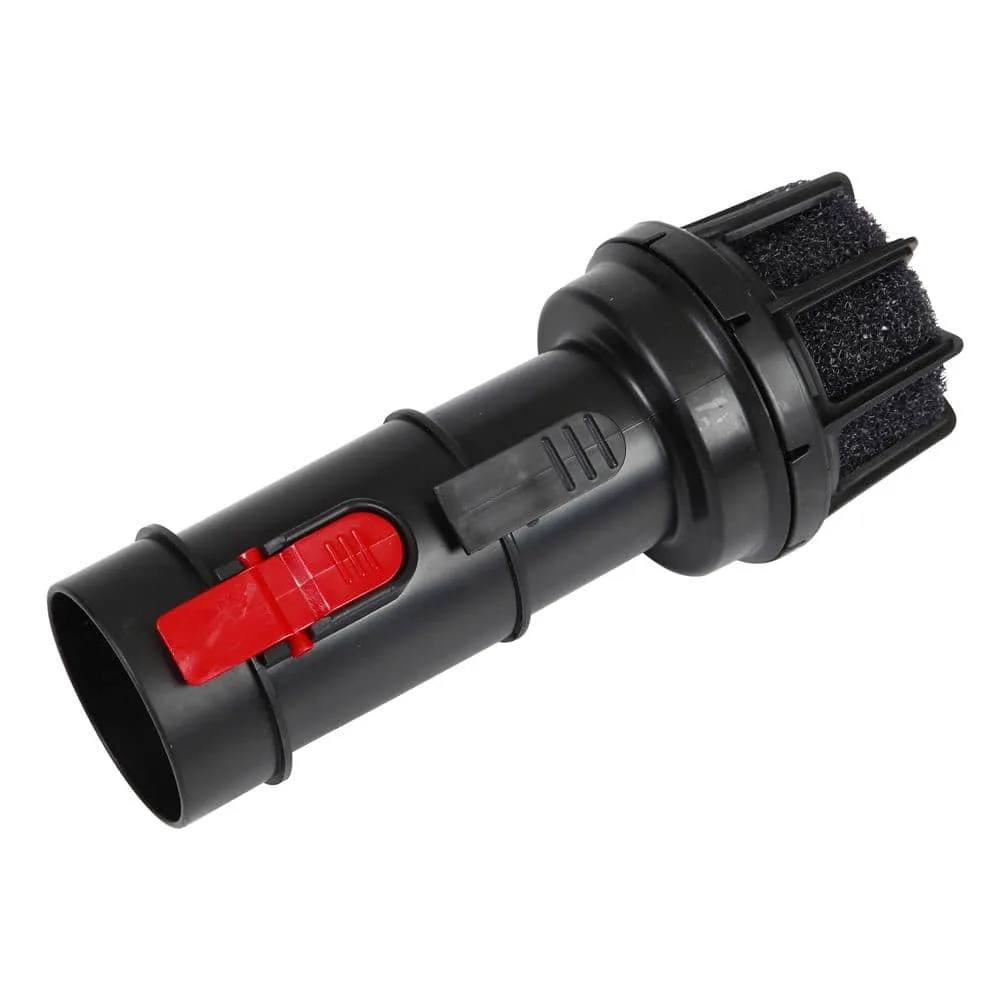
Image source: Web (Bing) / storage.googleapis.com (Web image (fair-use with source credit))
You can also check your owner's manual. Manufacturer spec sheets list "blower capability" when it's a selling point. If your model doesn't have that port, you can't attach a hose to that side of the motor.
You're stuck with suction-only.
If you're shopping for a new machine, look for a dual-port design. These models explicitly include a dedicated blower outlet. That's the green light you need.
Second Decision: Is the Airflow Enough for Your Job?
Even with a blower port, airflow matters. The key numbers are CFM and water lift. CFM measures how much air moves.
Water lift measures pressure. For blowing, CFM is the number that counts most.
Most wet/dry vacuums fall between 100 and 200 CFM. As of 2026, that hasn't changed much across popular brands. A corded leaf blower often hits 300 to 600 CFM.
That's double or triple the shop vac's output.
| Blowing Task | Airflow Needed | Shop Vac Blower? |
|---|---|---|
| Sawdust on a workbench | 100 CFM | Yes |
| Leaves on a small patio | 200 CFM | Maybe, with a focused nozzle |
| Large leaf piles | 300+ CFM | Not really |
| Wet gravel or mud | 400+ CFM | No |
Aggregate reviews confirm that most users find shop vac blowers best for small jobs. If your task sits above 250 CFM, you're better off with a dedicated leaf blower.
How to Use Your Wet/Dry Vac as a Blower (Step-by-Step)
Before you start, read the manual. Different brands route airflow differently. When in doubt, follow the manufacturer's diagram.
- Unplug the vacuum. Always connect everything with power off.
- Find the blower port. It's the exhaust outlet, not the intake.
- Remove any cap or plug from that port.
- Detach the hose from the intake port. Keep any extension wands you need.
- Attach the hose to the blower port. It should fit the same way as the intake.
- Check the filter situation. Some manuals say to remove the filter and bag for blower use. Others say leave them in place. Follow your manual.
- Choose the right nozzle. A narrow nozzle concentrates air. A wide nozzle covers more area.
- Plug in and switch on. Hold the hose firmly before you flip the switch.
- Keep the end pointed away from your face.
On many models, the hose clicks into both ports. On others, you need to twist it to lock. If your hose feels loose, it can vibrate and pop off mid-job.
Give it a firm tug before you power up.
Mistakes to Avoid When Using a Shop Vac in Blower Mode
A few common mistakes turn a useful feature into a frustrating mess. Avoid these:
- Leaving the hose on the intake port. You'll just vacuum air, not blow anything.
- Using a clogged filter in blower mode. This kills airflow fast.
- Pointing the exhaust at dry dust. You'll create a dust cloud and breathe it in.
- Expecting leaf-blower power. It won't move wet leaves, dirt, or heavy gravel.
- Holding the hose near your body. The vibration can make you lose grip.
A collapsed hose kills airflow in both directions. That's likely happening if your line gets pinched, the same problem pool owners face with their vacuum hoses. Check for bends and blockages before you start.
That goes for vacuuming and blowing.
Safety First: What You Should Never Blow
Fine dust is the biggest concern. Drywall dust, ash, and silica are dangerous to breathe. Per OSHA's respirable crystalline silica standard, that dust is regulated on job sites.
A shop vac blower is not the right tool for pushing that material around.
Keep people, pets, and windows out of the blast path. Debris can break glass or hit someone in the eye. Wear safety glasses.
Hearing protection is a good idea too. Many wet/dry vacs run between 80 and 90 decibels, and blower mode isn't quieter.
Never blow gasoline, paint thinner, or other flammable liquids. The motor's brushes can spark. A spark plus a flammable vapour is a serious fire risk.
Team Blower or Team Vacuum? Comparing Your Options
A wet/dry vacuum in blower mode doesn't compete with a dedicated blower on raw power. It competes on convenience. You already own the vac.
The hose and wands are already in your garage.
| Tool | Best For | Weakness | Verdict |
|---|---|---|---|
| Wet/dry vac blower mode | Workshops, gutters, light leaves | Low CFM, noisy | Great in a pinch |
| Cordless leaf blower | Quick outdoor tasks | Battery range | Convenient, costs extra |
| Corded leaf blower | Big yards, long sessions | Cord management | Most power per dollar |
| Air compressor with blow gun | Small, precise garage work | Air tank runs out | Not for lawns |
If you're dealing with a pool, the trade-off is even clearer. A dedicated pool vacuum is a better long-term investment for someone with an inground pool than trying to adapt a shop vac.
Best Uses for a Wet/Dry Vac in Blower Mode (And What to Skip)
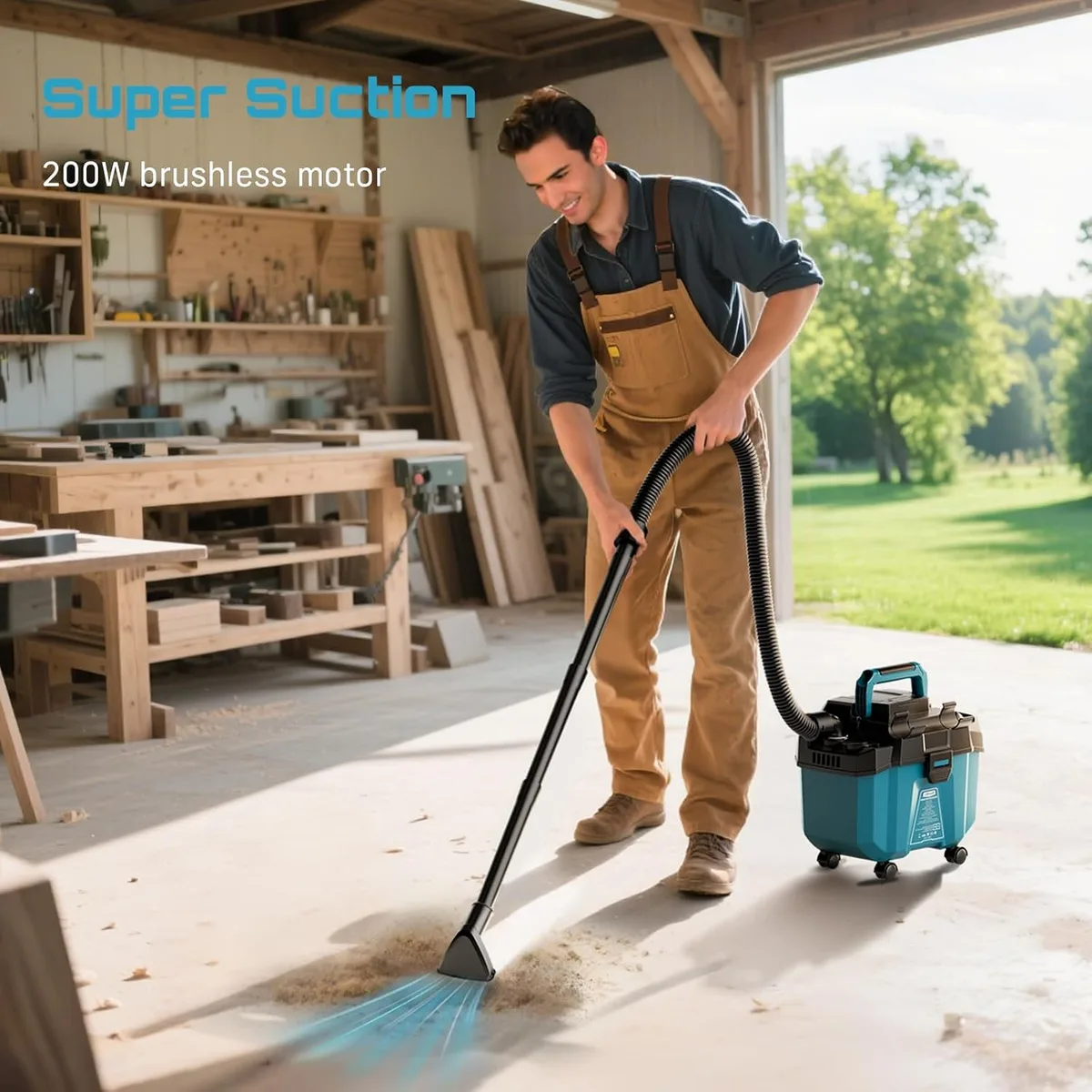
Image source: Web (Bing) / manuals.plus (Web image (fair-use with source credit))
Blower mode shines in the workshop. Clearing sawdust from a bench, blowing dust off a table saw, and drying a damp garage floor all work well. It's also handy for blowing out gutters from the ground if you have the right attachment.
It works for light outdoor tasks too. Dry leaves on a small patio, grass clippings on a walkway, or loose debris in a corner of the driveway are fine. Just keep expectations realistic.
Skip it for wet leaves, heavy snow, mulch, sand, and gravel. Those need the high volume of a dedicated blower. If water handling is the goal, a pool vacuum handles murky water better than any shop vac.
Maintenance Before and After Using the Blower Function
After blower duty, switch the hose back to the intake port before storing the vac. Open the tank and clear out any debris. If you left the filter in place, check it for dust and clogs.
Wash it if needed, and let it dry completely.
Moisture is the enemy. A damp filter can clog fast, and standing water in the tank can get pulled into the motor on the next use. That's the same principle as regular maintenance on a robotic pool vacuum.
Clean filters and dry storage make equipment last longer.
Final Verdict: When to Use It, When to Buy Something Else
Use your wet/dry vacuum as a blower when you're clearing a small shop, blowing dust off a workbench, drying a damp spot, or reaching gutters from the ground.
Buy a dedicated blower when you have a big yard, leaves cover the lawn, you need sustained high airflow, or you want to finish in under fifteen minutes.
As of 2026, a basic corded leaf blower costs around $40 to $80. A wet/dry vacuum with a blower port often runs $60 to $150. If you only need blowing occasionally, your shop vac is enough.
If you'll blow leaves every weekend, buy the blower.
And if you're looking at pool duty, consider their expected lifespan before spending extra on a machine that will live in the garage.
Frequently Asked Questions
Can any wet/dry vacuum be used as a blower?
No. Only models with a dedicated blower or exhaust port can blow air. If your unit lacks that port, you can't reverse the airflow without risking motor damage.
Check your owner's manual or the manufacturer's spec sheet first.
Is a shop vac blower strong enough to blow leaves?
For small piles on a patio, yes. For a full lawn of wet or heavy leaves, not really. Most shop vacs move 100 to 200 CFM.
A leaf blower moves 300 to 600 CFM. If the job takes more than a few minutes, use a leaf blower.
Do I need to remove the filter to use a wet/dry vacuum as a blower?
It depends on the model. Some manuals tell you to remove the filter and bag to keep airflow high. Others want the filter left in place to protect the motor.
Check the owner's manual before you switch modes.
Can a wet/dry vacuum blow snow?
Light, fluffy snow, yes. Packed or wet snow, no. The airflow is too low to move heavy snow, and moisture can get into the motor if you're not careful.
Use a snow shovel or a dedicated snow blower for real snowfall.
Why is my shop vac blowing out dust?
Dust is likely inside the tank, hose, or filter. When you switch to blower mode, that dust can get stirred up and blown out the exhaust. Clean the tank, rinse the filter, and let everything dry before using the blower function.

