

So can a wet/dry vacuum clean garages? Yes, but only if you set it up the right way for the mess sitting on your floor. A wet/dry vacuum is the closest thing to a one-size-fits-all tool for garage cleanup.
It handles sawdust, standing water, gravel, and muddy car mats without flinching.
Our research shows the real challenge is not whether the machine can do the job. The challenge is using the correct filter, nozzle, and pickup mode for each type of debris. Manufacturer specifications indicate that most household wet/dry vacuums pull between 80 and 200 CFM of airflow, which is plenty for typical garage messes.
As of 2026, the technology has not changed much. The basic formula still works: strong suction, a big tank, and the right attachment.
Quick Answer
Can a wet/dry vacuum clean garages? Yes. A wet/dry vacuum is built for garage messes.
It handles dry dust, wet spills, and bulky debris. The key is using the right filter, nozzle, and pickup mode for your specific mess. Regular house vacuums cannot handle this work safely or effectively.
How a Wet/Dry Vac Actually Works in a Garage
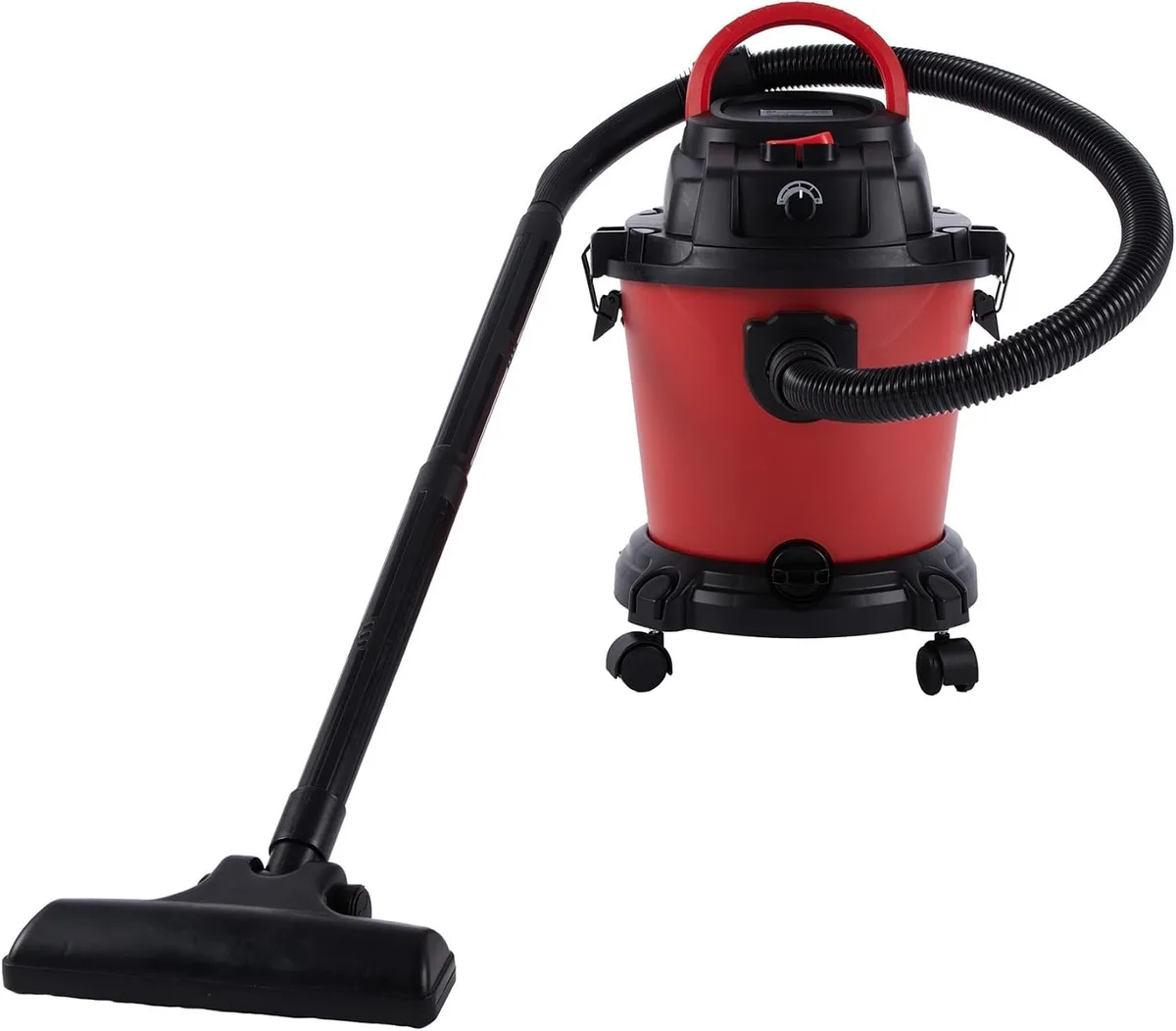
A wet/dry vacuum is basically a drum with a motor on top and a hose attached to the side. Air pulls in through the hose, debris collects in the tank or filter, and clean air blows out the exhaust. That simple design lets it handle things a regular vacuum cannot.
Why a Regular Vacuum Fails Here
Garage messes are too heavy, too sharp, and too wet for a household vacuum. A standard upright or canister vacuum is designed for carpet dust and pet hair, not nails, screws, and puddles. Water can destroy the motor and filter.
Drywall dust clogs the tiny bag almost instantly.
The Two Modes: Wet Pick-Up vs. Dry Pick-Up
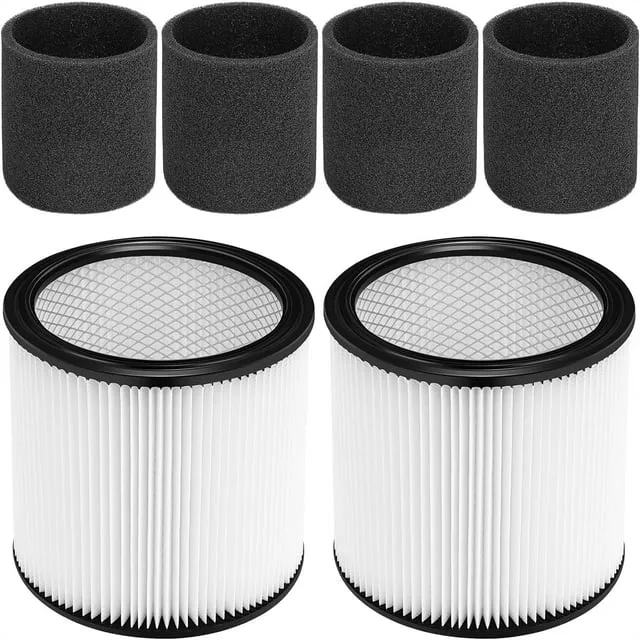
Wet/dry vacuums have two pickup modes, and they are not interchangeable. For dry pickup, use a pleated cartridge filter or a paper bag to catch fine dust. For wet pickup, remove the dry filter and swap in a foam sleeve.
If you suck up water with a paper filter still in place, the filter will soak through and fall apart. Then wet dust goes straight into the motor. This is one of the most common causes of broken shop vacuums.
Check what is on the floor, check the filter, and adjust before you start. That thirty-second habit prevents almost every failure.
First Decision: What Exactly Is on Your Garage Floor?
Look down before pulling the trigger. The right setup depends on what you are vacuuming.
Dry Dust, Sawdust, and Concrete Debris
For drywall dust, concrete dust, sawdust, or dirt blown in under the door, use a cartridge filter or a paper bag. A foam sleeve lets fine dust pass straight through the exhaust. That blows a fresh coat of dust around your garage.
That dust also often contains silica. OSHA sets strict silica dust exposure limits for good reason. Breathing it in over time damages lungs.
A HEPA filter or disposable bag adds a safer layer of protection.
Standing Water, Slush, and Snow Melt
For water from a leaking water heater, melted snow, or rain that blew in, switch to the foam sleeve. It lets liquid pass into the tank without ruining a cloth or paper filter. Pull the hose across the puddle slowly so you pick up the water instead of splashing it.
A squeegee attachment helps push water toward the nozzle. For thick standing water, slow passes work much better than fast ones.
Automotive Fluids: Oil, Coolant, and Washer Fluid
A wet/dry vacuum can pick up a small oil spill, but the oil will leave a stain and a smell inside the tank. Use the foam sleeve for liquid pickup, then clean the tank thoroughly with hot soapy water afterward. Never pour collected oil down a storm drain.
Store it in a sealed container and check local rules for oil disposal.
Bulky Junk: Nails, Gravel, and Scrap Metal
For heavy items like nails and gravel, the filter matters less than the hose size. A wide 1.5-inch or 2.5-inch hose lets bulky debris move through without clogging. If you only have a narrow 1.25-inch hose, you will spend plenty of time unclogging it.
Empty the tank before it reaches the fill line.
Matching Your Nozzle and Filter to the Mess
No single attachment handles every garage mess. Match the tool to the job.
Foam Sleeve vs. Cartridge Filter vs. Paper Bag
Filter choice is the most important decision in garage cleanup.
| Filter type | Best for | Watch out for |
|---|---|---|
| Foam sleeve | Wet spills, standing water, slush | Lets fine dry dust pass through |
| Pleated cartridge filter | Dry dust, sawdust, general debris | Must be removed before wet pickup |
| Paper filter bag | Fine concrete dust, drywall dust, lead-contaminated debris | Clogs fast; costs extra |
Use the foam sleeve for anything wet. Use the pleated cartridge for everyday dry messes. Use a paper bag for fine, hazardous, or ultra-dusty material that you want to trap and toss without touching.
Utility Nozzle, Squeegee, and Crevice Tool: When to Use What
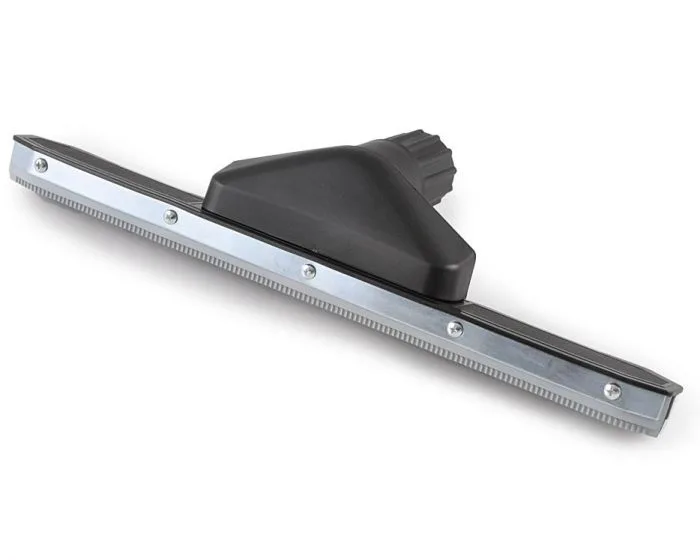
A wide utility nozzle is perfect for large, flat areas because it covers more ground in fewer passes. A squeegee attachment works when you are pulling water off smooth concrete. It funnels liquid into the hose instead of splashing it around.
A crevice tool reaches corners, gaps between shelves, and the edges of garage doors.
Many wet/dry vacuums also include a blower function. It reverses the airflow and pushes leaves and loose dust out of the garage door. If you are cleaning a robotic pool vacuum, the same filter-cleaning logic applies: check for clogs and rinse everything that touches debris.
Step-by-Step: The Right Way to Vacuum a Garage
Prep the Space and Check Power Safety
Move large items aside so you can work in passes. Clear the biggest chunks with a broom first. The vacuum can handle them, but a broom speeds up big debris.
Before plugging in, confirm your garage outlet is GFCI-protected. The National Electrical Code requires GFCI protection for garage receptacles because water and electricity can mix on a garage floor. Look for the "Test" and "Reset" buttons on the outlet if you are unsure.
Clear the Tank and Set the Filter
Open the lid and empty any debris left from the last job. Then check the filter. For dry messes, use a pleated cartridge filter or a paper bag.
For wet messes, swap in a foam sleeve.
Make sure the filter sits snugly around the center cage and that the lid seals tight. A loose filter lets dust bypass and reach the motor.
Run the Passes and Watch the Fill Line
Work from the edges toward the center. Use wide, slow passes instead of quick back-and-forth flicks. This gives the airflow time to lift debris off the concrete.
Watch the fill line inside the tank. When debris reaches that line, stop and empty the tank. For wet pickup, a full tank can slosh back into the motor if you tilt the vacuum.
Empty, Rinse, and Dry Everything
Empty the tank after every session. If you vacuumed water, rinse the tank with a hose and tip it over to drain. Rinse the foam sleeve under running water, squeeze it out, and let it air-dry completely before putting it back.
A damp foam sleeve will grow mold and make the whole garage smell musty. Dry filters can be tapped out over a trash can. Paper bags are disposable by design.
When a Wet/Dry Vac Is the Wrong Tool
Flammable liquids are a hard no. Gasoline, paint thinner, and solvents can ignite when they pass through the motor, since the motor can spark and ignite the vapor. Also avoid hot ashes and smoldering debris.
Very fine toxic dust like lead paint should only be vacuumed with a HEPA-rated machine and proper dust bags. A standard shop vac just spreads the danger around.
Mistakes That Ruin Filters, Suction, and Safety
The biggest suction killer is a clogged filter. Fine drywall dust coats the pleats and blocks airflow. Tap the filter clean outside or replace the bag.
A torn cartridge filter will keep letting dust through, so replace it if damaged.
The same logic applies to pool vacuum suction loss: check the filter and hose before you panic about the motor. Forgetting to switch filters between wet and dry pickup ranks second. Vacuum water with a paper bag in place and you will destroy it in seconds.
Vacuum dry dust with a foam sleeve and you will blow dust right into the motor. Match the filter to the floor.
Cleaning Up Oil and Hazardous Fluids Safely
Oil spills need a different plan. Soak up the oil first with kitty litter, baking soda, or an absorbent pad. Then vacuum the dry material.
That keeps oil from coating your tank and leaving a permanent smell.
If you do vacuum liquid oil, use the foam sleeve and empty the tank immediately. Wash the tank with hot soapy water. Never pour collected oil down the drain.
Ask your local municipality where to drop it off. Think about it the same way you diagnose a pool vacuum hose collapse issue: the root cause is simpler than you expect.
Comparison: Shop Vac vs. Broom vs. Pressure Washer
Each tool has a place in garage cleanup. A broom works for a quick sweep of loose dirt. A pressure washer handles stubborn stains but needs drying time and makes a mess.
| Option | Best for | Weakness |
|---|---|---|
| Wet/dry vacuum | Dust, water, bulky debris, tight corners | Noisy; needs the right filter |
| Broom and dustpan | Quick sweep of loose dirt | Leaves fine dust; no wet pickup |
| Pressure washer | Oily stains, deep concrete cleaning | Long drying time; messy setup |
For everyday garage maintenance, a wet/dry vacuum wins. It traps dust instead of just moving it into the air, and it handles wet messes the broom cannot touch.
Maintenance: Keeping Your Shop Vac Ready for Next Time
Empty the tank after every use. Rinse it out if you picked up anything wet or smelly, then let it dry completely. A damp tank turns into a mold factory.
Clean or replace the filter according to the manufacturer's schedule. Check the hose for cracks and store it coiled so it doesn't kink. The same logic behind preventing a pool vacuum hose from tangling applies here: proper storage prevents problems.
If the vacuum starts losing power, walk through the same checklist you would for a stuck pool vacuum: filter, hose, and tank seal.
Quick Decision Guide: How to Choose the Right Garage Vacuum Based on Your Situation
If your garage is mostly dusty with sawdust, pick a model with a pleated cartridge filter and a 2.5-inch hose. If you deal with seasonal snow, slush, and wet car tracks, look for a tank with a wide drain port and a good foam sleeve.
If you do a lot of fine drywall work, buy a HEPA-rated model with paper bags. If you have no convenient outlet, consider a cordless model with a 20-volt or higher battery, but know that runtime drops quickly under heavy load. The best garage vacuum is the one that matches your most common mess, not the mess you have once a year.
Frequently Asked Questions
Can a wet/dry vacuum handle oil spills?
Yes, but only in moderation. Use a foam sleeve and clean the tank immediately afterward. Better yet, soak up the oil first with absorbent material, then vacuum the dry residue.
Never vacuum gasoline or other flammable liquids.
Do I need a special filter for drywall dust?
Yes. Drywall dust is very fine and will pass through a foam sleeve. Use a pleated cartridge filter or a paper bag.
Empty the tank outside and wear a mask while doing so.
Why does my shop vac lose suction so fast?
A clogged filter is the most common reason. Fine dust coats the cartridge and blocks airflow. Tap the filter clean, replace the bag, or check the hose and nozzle for a blockage.
Suction returns as soon as air can flow again.
Can I use a wet/dry vac to clean a flooded garage?
Yes, with the right setup. Remove the dry filter and install the foam sleeve. Work slowly and empty the tank often.
Use a GFCI-protected outlet to avoid electric shock, and unplug the vacuum before touching the tank.
What is the best nozzle for garage floors?
A wide utility nozzle is the best all-around choice for concrete floors. It covers more surface area and picks up both dry debris and puddle water. Use a squeegee attachment for thick water and a crevice tool for corners.
Are cordless wet/dry vacuums powerful enough for garage messes?
They are fine for light cleanup. Most cordless models cannot match the sustained airflow of a corded unit. If you are vacuuming large amounts of dust or water, a corded machine will save you time and frustration.

