

If you've ever asked how often you should empty a wet/dry vacuum, the honest answer is that it depends on what you vacuumed. Dry dust can wait. Wet messes cannot.
That's the core of the whole guideline.
In our research, we compared manufacturer specifications from major wet/dry vacuum brands. Most consumer tanks hold between 5 and 16 gallons. The float shut-off design stops suction before overflow, but it does nothing to stop bacteria and mold.
As of 2026, most models use a washable cartridge filter instead of a disposable bag. That makes maintenance easier, but it still puts the responsibility on you to empty the tank at the right time.
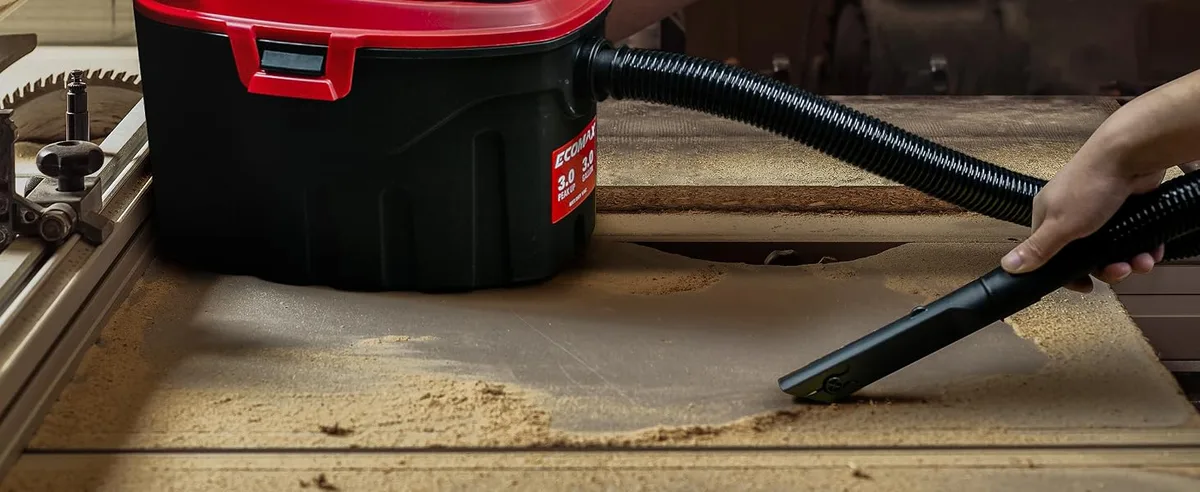
Image source: Bing (Web (fair-use with source credit))
Why This Isn't a One-Answer Question
The "empty after every use" advice is the safest habit. It prevents odors, mold, and clogged filters. But it's not realistic for everyone.
A weekend DIYer who only sucks up sawdust doesn't need to dump the tank after every session.
The real deciding factors are what's inside the tank, how long it sits, and where the vacuum is stored. Aggregate reviews report that the most common shop-vac complaint is odor, not mechanical failure. The smell almost always comes from wet debris left sitting too long.
Think about it in conditions:
- If you only picked up dry debris, the tank can wait until it's full or suction drops.
- If you picked up any liquid, set a timer for 12 hours.
- If you picked up pet waste or biological material, empty and rinse immediately.
The right time to empty is a decision, not a calendar date. Once you understand that, the rest is simple.
Quick Answer: The 30-Second Decision Guide
Empty any wet mess within 12 hours. Dry debris can wait until the tank is full. Check the tank level before every use.
That's the simple version. For the details, keep reading.
How a Wet/Dry Vac Tank Actually Works
Most wet/dry vacuums share the same basic layout. Debris enters the hose, drops into the tank, and air passes through a filter before leaving the motor. The filter is usually a pleated cartridge or a foam sleeve.
The tank is simply the storage area between the hose and the float.
The float shut-off protects the motor. When liquid rises to the top, the float blocks the airflow port. Suction drops suddenly.
That's your signal, not a loud alarm. Many owners mistake the loss of suction for a clogged hose when the tank is actually full.
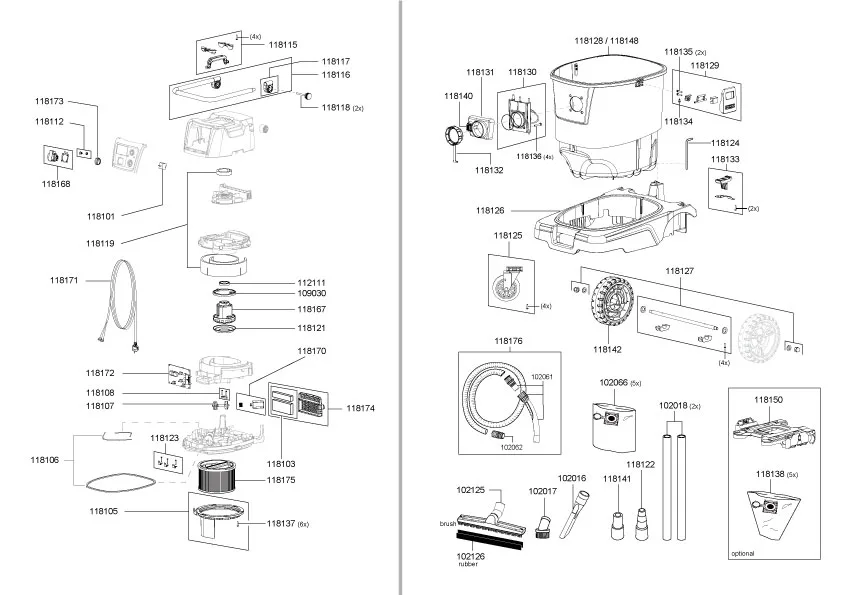
Image source: Bing (Web (fair-use with source credit))
Manufacturer specifications indicate that the float engages near the top of the tank, usually within an inch or two of the lid. For dry debris, airflow continues until the filter loads up. For wet waste, the float is often the first warning you get.
The tank also has a lid gasket that seals the chamber. If that gasket is dirty or pinched, you lose suction. That's why cleaning the rim matters as much as emptying the tank.
There are two common filter types worth knowing:
- Foam sleeve filters are best for wet pickup and light dry use.
- Pleated cartridge filters are better for fine dust and general workshop use.
- Disposable filter bags are ideal for drywall dust and toxic particles, because they trap debris you don't want to touch.
If you want the exact specs for your model, check the manual. Shop-Vac's official product pages list the filter type, tank volume, and flow rating for each unit.
The Big Variables That Change Your Timeline
Four variables control how long you can safely leave a loaded tank: debris type, tank size, humidity, and how often you use the machine.
Small tanks fill fast. If you own a 5-gallon vac and you're cleaning up a flooded garage, the tank reaches capacity in minutes, not hours. Larger 16-gallon models can hold more, but that also means more wet waste sitting and breeding bacteria.
Tank size doesn't change the golden rule. It just changes how quickly you reach the decision point.
Climate matters too. In humid areas, mold can start visible growth on a damp tank wall in 24 to 48 hours. In dry, cool storage, you can stretch that window.
But you're still fighting time.
| Debris Type | Safe Wait Time | Main Risk | | Dry dust or sawdust | Until tank is full or suction fades | Clogged filter | | Wet spill or flood water | Same day, ideally within 12 hours | Mold and odor | | Pet waste or biological debris | Empty immediately after use | Bacteria and smell |
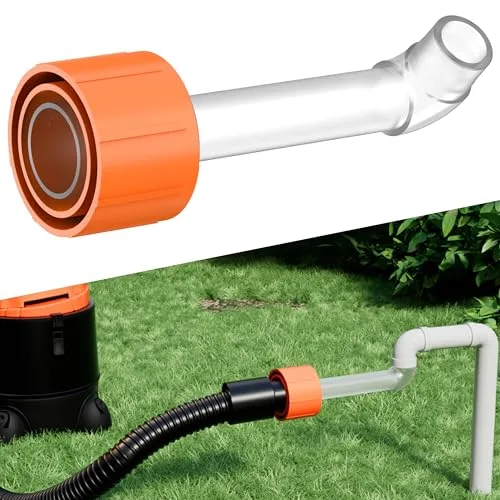
Image source: Web (Bing) / genuinehomecleaner.com (Web image (fair-use with source credit))
If your tank has a drain port near the bottom, use it for wet pickup. That port lets you empty most of the liquid without lifting a heavy tank. It's one of the most useful features on a wet/dry vacuum, and it makes prompt emptying much easier.
Use frequency also matters. A jobsite vacuum gets used all day, so it needs a quick dump at the end of every shift. A home garage vac might go weeks between uses.
For that scenario, you have more flexibility with dry debris, but zero flexibility with wet.
Decision Branch 1: You Just Did Dry Pickup
Let's assume you only vacuumed dry material. That includes sawdust, dirt, nails, screws, or drywall dust. The good news is that dry debris doesn't rot.
Unless the tank gets wet from humidity, you can wait until the next job or until the tank looks full.
Use this if/then logic:
- If the tank is less than half full, leave it.
- If the tank is half to three-quarters full, empty it before you store the vac.
- If you just finished a drywall sanding job, empty it right away.
Why drywall dust? It's extremely fine and settles into the filter. That's why OSHA's construction silica guidance requires a vacuum with a proper filtration bag for drywall and concrete work.
A bare cartridge filter can let ultra-fine dust pass through or clog it quickly. Check OSHA's guidance on silica dust before you do that work.
To empty dry debris the right way:
- Unplug the vacuum.
- Remove the lid and lift the filter cage.
- Tap the filter gently to knock loose dust.
- Dump the tank into a trash bag.
- Wipe the rim and lid gasket before reattaching.
This takes about two minutes. It prevents the filter from caking and keeps the tank dry. If you let dry dust sit for weeks, it can absorb moisture and form a muddy crust.
Then you're dealing with a smell problem that could have been avoided.
For a small household shop vac, that schedule means emptying every few weeks. For a jobsite vac used daily, it means a quick dump at the end of the day. Either way, the cost is low and the benefit is consistent suction, much like checking fluid levels on a pool cleaner before a long session.
Decision Branch 2: You Just Did Wet Pickup
The rule for wet pickup is simple: empty the tank within 12 hours. That's not a suggestion. It's the cutoff before bacteria start multiplying and the smell turns your shop vac into a biohazard.
Aggregate reviews report that odor from wet waste is the number one reason people replace perfectly good wet/dry vacuums. Mold can begin visible growth on a damp tank wall in 24 to 48 hours. The smell usually comes first, long before you see anything.
If you just vacuumed up water, use this approach:
- If the tank is more than half full, drain it immediately.
- If you picked up flood water or dirty liquid, rinse the tank afterward with clean water.
- If you picked up pet waste or anything biological, treat it like hazardous material. Empty, rinse, and disinfect.
The float shut-off prevents overflow, but it doesn't protect you from bacteria. Trust the float as a signal, not as a solution.
To drain, use the port if your model has one. Tipping the tank works, but it's heavy and risks splashing. After draining, tilt the tank toward the port to get the last few cups out.
Then wipe the interior with a dry rag.
Image source: Web (Bing) / genuinehomecleaner.com (Web image (fair-use with source credit))
Decision Branch 3: You Stored the Vac Wet or Damp
If you missed the 12-hour window, the problem gets worse fast. A damp tank with wet debris develops a sour smell overnight. By 48 hours, mold may already be growing on the walls and the underside of the lid.
Here's the rescue plan.
First, unplug the vacuum and take it outside. Dump all standing liquid into a drain or bucket. If the debris is stuck to the bottom, let it soak briefly with warm water before you dump it again.
Next, rinse the tank thoroughly. Use warm water and a few squirts of dish soap. For stubborn odors, white vinegar works well.
Let it sit for ten minutes, then scrub lightly.
The filter needs attention too. If it's a foam sleeve, wash it in soapy water and squeeze it dry. Pleated cartridge filters can be rinsed, but check the manual first.
Some manufacturers recommend replacing rather than cleaning.
| Symptom | Likely Fix | Time Needed | | Sour smell | Vinegar rinse and dry | 30 minutes | | Visible mold | Bleach or hydrogen peroxide solution | 1 hour | | Mildew on filter | Replace filter or wash with soap | 20 minutes |
Finally, let everything air dry completely with the lid cracked open. Storing a damp vac closed is the fastest way to repeat this problem. The EPA's mold guidance confirms that controlling moisture is the key to preventing mold growth in any setting.
You can check their mold prevention resources for more details.
How to Empty It the Right Way, Every Time
A consistent emptying routine keeps the job quick and the vac fresh. The method differs slightly between dry and wet loads, but the core steps are the same.
For dry debris:
- Unplug the vacuum.
- Remove the lid assembly with the filter attached.
- Tap the filter gently to knock off loose dust.
- Dump the tank over a trash can.
- Wipe the rim and lid gasket with a dry cloth.
For wet waste:
- Unplug and open the drain port if you have one.
- Let the tank drain completely.
- Rinse the interior with clean water.
- Wipe down the float and float cage.
- Dry the lid and tank before reassembly.
The part people skip is the gasket. A dirty lid seal causes suction leaks. That makes the motor work harder and pulls debris into the filter faster.
Two seconds of wiping saves you a full filter cleaning later.
Mistakes That Ruin Filters, Motors, and Your Nose
Three common mistakes cause most wet/dry vacuum failures.
Leaving wet waste overnight tops the list. The smell is the first symptom. The eventual mold and corrosion of the tank interior are the real cost.
Once the tank starts smelling, it's hard to fully eliminate.
The second mistake is forgetting to swap filters between wet and dry use. A foam sleeve filters water fine, but it lets fine dry dust blow straight through. A pleated cartridge filter handles dust well, but it clogs instantly when wet.
Use the right filter for the job, and swap it out as soon as the mode changes.
The third issue is using the float shut-off as a regular stopping point. When the float engages, water has already surged toward the motor intake. That's a warning, not a feature.
Stopping before the tank hits 75 percent full protects the motor and keeps suction stable.
If you're troubleshooting a sudden drop in performance, check the tank level first. It's an easy fix that many people miss, and it applies across vacuum types, including a hose that collapses under suction.
User Scenarios: What the Right Rhythm Looks Like
Weekend DIYer in a Garage
You use the vac every few weekends for sawdust and shop cleanup. Dry debris only. You can empty it once a month or when the tank looks half full.
Just don't store it with a full tank for months.
Professional on a Jobsite
Drywall dust, nails, and wood shavings all day. You need a quick dump at the end of every shift. Leaving dusty debris overnight is okay, but a full tank in a hot truck bed breeds condensation and clogged filters.
Flood Cleanup After a Storm
You're moving water by the gallon. The tank fills fast, and every minute counts. Keep the drain port open as much as practical, or use a short hose on the port to route water directly into a floor drain.
Empty after every pass, no exceptions.
Each scenario shares the same principle. Match the emptying schedule to the risk of the debris, not to a number on the calendar.
Pro Maintenance That Makes Emptying Easier
A few upgrades make the whole routine faster and cleaner. Disposable filter bags are the biggest one. For dry debris, you pull the bag out, tie it shut, and toss it.
The tank stays spotless, and the filter stays clean for months.
Foam sleeves are worth it for wet pickup. They rinse in seconds and dry quickly. If you switch modes often, buy both a pleated cartridge filter and a foam sleeve.
Swap them in less than a minute instead of cleaning one filter repeatedly.
If your tank lacks a drain port, consider a quick-drain retrofit. Some brands sell replacement drain plugs that fit standard 1-1/2 inch outlets. They cost little and save your back on big wet jobs.
Seasonal deep cleaning helps too. After a heavy use period, rinse the tank, clean the float, and wipe the lid gasket. That kind of routine upkeep extends the service life of the unit, just like proper care keeps any pool vacuum running longer.
Safety and Common-Sense Rules
Wet pickup and electricity mix badly. Always unplug the vac before you reach inside the tank or drain the water. Never let the power cord sit in standing water.
If you're cleaning a flooded basement, use a GFCI outlet or a heavy-duty extension cord with a built-in breaker.
Don't vacuum up hazardous liquids. Gasoline, solvents, paint thinner, and chemicals can damage the seals and release dangerous fumes. Standard wet/dry vacuums are not rated for flammable materials.
You'd need an explosion-proof unit for that.
Fine dust needs extra caution. Drywall and concrete dust contain silica, which is dangerous to breathe. OSHA requires a vacuum with a high-efficiency filter bag for those jobs.
A bare pleated cartridge filter won't cut it. Check your setup before tackling a messy renovation.
Also inspect the power cord and hoses regularly. A cracked hose reduces suction and lets debris escape into the motor housing. Catching that early prevents expensive repairs.
FAQs People Actually Ask
Can I leave dry dust in a shop vac for weeks?
Yes, as long as the tank stays dry. Sawdust and dirt don't rot or grow bacteria. The main risk is a clogged filter if you keep using it without emptying.
Check the tank before each session and dump it once it's half full.
Does leaving a wet/dry vac full ruin the motor?
The motor can be damaged indirectly. A full tank can get sucked into the motor if the float fails or sticks. Wet debris left inside creates mold that eats tank gaskets and corrodes metal parts.
Emptying promptly reduces strain on the motor and prevents those failures.
How do I stop the inside from smelling?
Combine a rinse, a disinfectant, and a dry storage cycle. After wet pickup, drain the tank, wash it with soap and water, then wipe it with a vinegar solution. Leave the lid cracked open until everything is bone dry.
That breaks the odor cycle for good.
The Final Verdict: Your Emptying Schedule, Simplified
Here's your repeatable checklist for every situation you'll run into.
| Situation | Action | Time Limit | | Dry dust or sawdust | Empty when tank is half full | No rush | | Wet spill or flood water | Drain and rinse tank | Within 12 hours | | Pet waste or biological mess | Empty, rinse, and disinfect | Immediately | | Vac stored damp | Dry with lid open | Before next use |
The same reasoning applies across vacuum types. A clean filter and empty collection area keeps any machine running at full power. For wet/dry vacuums specifically, the tank is the part that matters most.
Make it a habit to peek inside the tank before every use. That one glance tells you everything. Then match your action to what you see, and you'll never deal with a smelly shop vac again.

