

The Sour Truth: Why Your Wet/Dry Vacuum Stinks
Why does my wet/dry vacuum smell? If you've lifted the lid and caught a faceful of sour, stale air, you're not alone. It's not a broken machine.
It's a routine problem caused by moisture and bacteria.
The EPA confirms that mold can start growing on damp surfaces within 24 to 48 hours. That gives you a short window to act. As of 2026, most wet/dry vacuums share the same basic layout, so the fix works across almost every brand.
Let's walk through the clues and get your vacuum smelling fresh again.
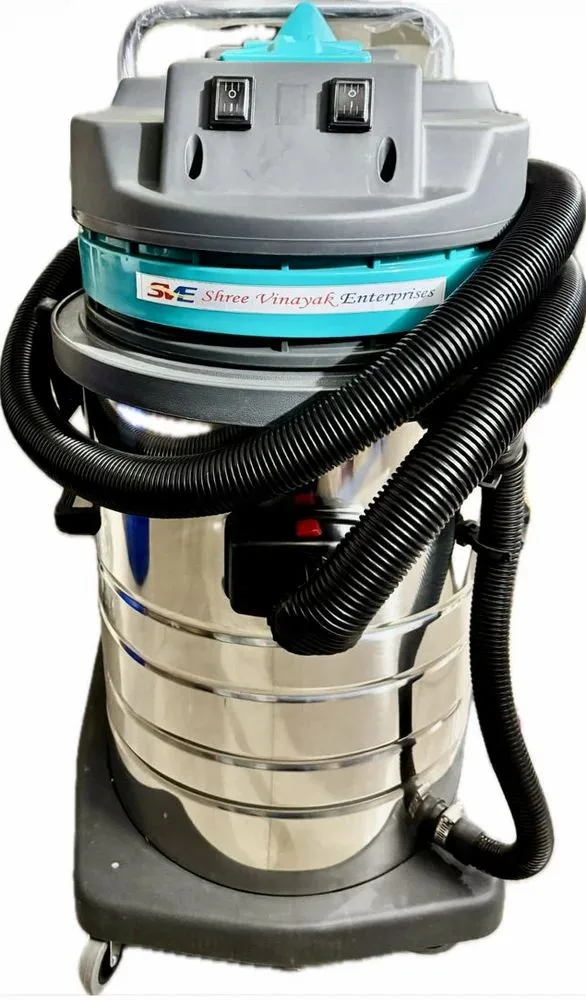
Image source: Web (Bing) / indiamart.com (Web image (fair-use with source credit))
Quick Answer
Your wet/dry vacuum smells because moisture sits in the tank too long. Mold and bacteria grow on wet surfaces fast. Dry dust can bake onto the motor and stink.
Empty the tank, clean every part, and dry everything fully. That stops the odor.
What's the Smell Telling You? Start Here
Don't guess. Sniff around in order. Open the tank and smell the air inside.
Then smell the filter and the hose. Finally, run the motor for a second and check the exhaust airflow. Each spot points to a different culprit.
The 30-Second Diagnosis Guide
Use the smell and location to narrow the cause. Aggregate user reviews show that a sour tank is the most common complaint in wet/dry vacuum maintenance.
| Where you smell it | What it usually means | First move |
|---|---|---|
| Inside the tank | Sour, musty, sewage-like | Empty, rinse, and fully dry the tank |
| Filter | Damp, earthy, mildewy | Remove and wash or replace the filter |
| Hose | Stagnant water or dirty gym sock | Flush the hose and hang it to dry |
| Exhaust airflow | Burnt dust or plastic | Stop using it and check the motor |
Here's the if/then logic. If the smell is sour and only comes from the tank, focus there. If it's smoky and comes from the exhaust, check the filters and motor.
If the hose stinks more than the tank, flush the hose first.
When It's Safe to Fix vs. When to Call It Quits
Most odors are safe to clean at home. Use warm water, dish soap, and a little patience. But if the smell is smoky, sharp, or like burnt wiring, that points to motor damage.
Unplug the vacuum and don't turn it on again until a professional has looked at it. No amount of vinegar will fix electrical burning.
The Wet Pickup Problem: Mold and Bacteria in the Tank
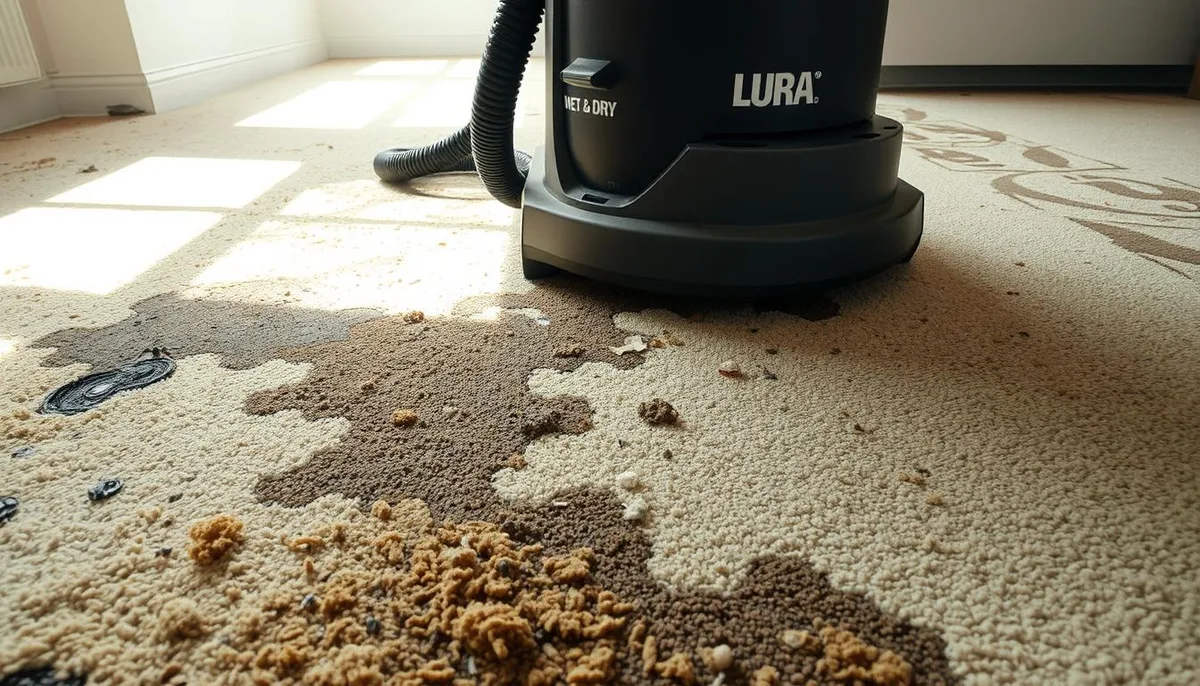
Image source: Web (Bing) / lura.sg (Web image (fair-use with source credit))
Wet pickup leaves a thin film of dust, pollen, and organic debris behind. That film is a food source for bacteria. A dark, sealed tank with even a little moisture becomes a breeding ground.
Why Water Left Sitting Turns Sour Fast
The tank looks empty, but a thin layer stays under the float and along the drain port. In a week of warm, dark, damp conditions, bacteria multiply quickly. That's why the smell returns even after you think you've emptied it.
The Float Valve: A Hidden Odor Trap
The float valve is the plastic or foam piece that shuts off suction when the tank gets full. It catches sludge, hair, and other gunk. If you rinse the tank but ignore the float, the smell comes back within a day.
Wipe it with warm soapy water every time you clean the tank. Make sure it slides up and down freely. If the foam is crumbling or cracked, replace it.
How to Deep-Clean the Tank and Drain Port
Here's the full routine that handles even the worst sour smells.
- Remove the filter and set it somewhere dry.
- Dump or drain all standing water.
- Rinse the tank with a garden hose or strong shower stream.
- Scrub the interior with warm water and a drop of dish soap.
- Clean the drain plug and the threads around it.
- Wipe the float valve and check the gasket for cracks.
- Leave the tank upside down with the lid off overnight.
For stubborn odors, use a 1:1 white vinegar and water mix. Wipe it over the interior, let it sit for 10 minutes, then rinse. Skip the bleach and vinegar combo.
Mixing them makes harmful chlorine gas.
The Dry Pickup Problem: Dust and Debris Baking in the Motor
Dry pickup creates a different smell. Instead of sour, it's more like burnt toast or overheated plastic. That's usually fine dust slipping past the filter or baking onto the motor housing.
Why Sawdust and Drywall Dust Smell Like Burnt Toast
Fine dust from drywall, plaster, or sanded wood coats the motor and cooling fan. When the motor heats up, the dust bakes. What you smell is a layer of debris slowly cooking.
A clean filter prevents most of this.
The Filter's Role in Trapping (and Releasing) Odors
Cartridge filters trap dust. Foam sleeves do some of the work. Over time, both collect moisture from humid air and turn musty.
A damp filter full of fine dust is a double problem. It smells, and it blocks airflow.
How to Clean or Replace a Clogged Cartridge Filter
- Take the filter outside and tap it against a hard surface.
- If the manufacturer says it's washable, rinse it with water only.
- Let it air-dry completely, usually 24 hours. Never put a wet filter back on.
- If the pleats are stiff with drywall dust or frayed, replace it.
- Never run the vacuum without a filter. The motor will ingest debris and overheat.
Manufacturer specifications vary, but many suggest replacing a pleated cartridge every three to six months for heavy workshop use. If the vacuum has been running hot, replace the filter even sooner.
The Hose and Accessories: The Places You Forget
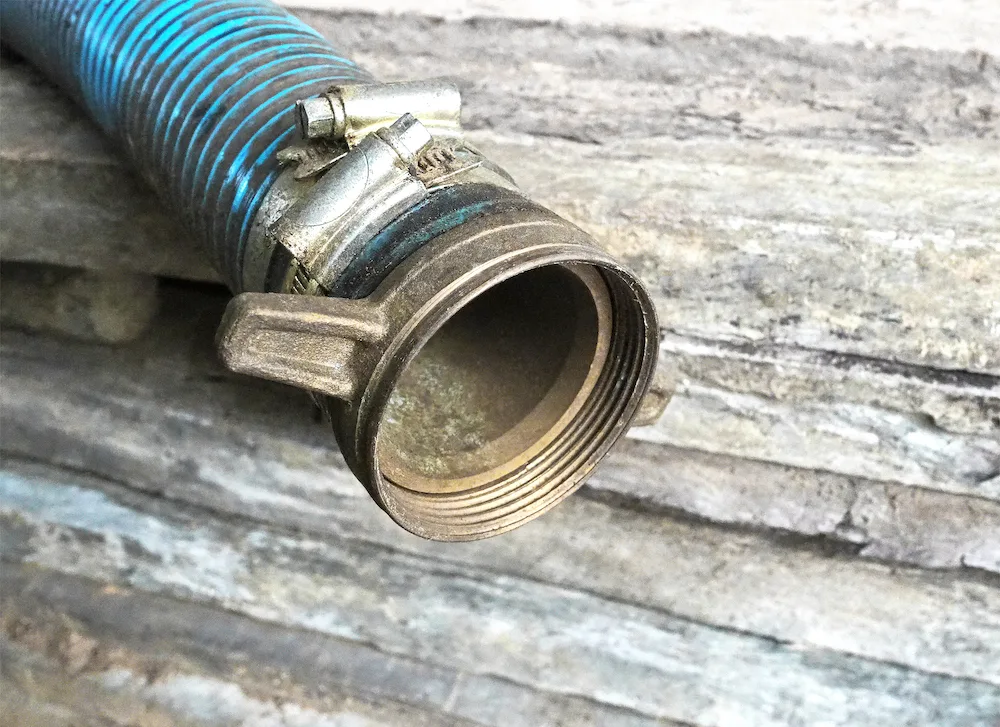
Image source: Bing (Web (fair-use with source credit))
The tank gets cleaned. The filter gets tapped. The hose sits in the corner with a puddle inside.
If that sounds familiar, the hose might be the real source of the smell.
Why the Hose Interior Is a Bacteria Highway
Hoses are dark, ribbed, and hard to see through. Water collects in the low spots, especially if you store the hose coiled. A small amount of standing water turns into a biofilm over time.
That's the dirty, tangy smell you catch every time you switch on the vacuum.
Cleaning the Hose, Nozzles, and Extension Wands
Detach the hose from the vacuum. Hold it up and check if water drips out. Rinse it through with a running garden hose or shower head, then flush it with warm soapy water.
Hang it over a railing so both ends stay open and the interior can dry.
Cleaning accessories is easier. Soak nozzles in warm water, scrub away grime, and dry them before storing. Some people pull a rag through the hose with a piece of string.
If you go that route, make sure the rag isn't too big.
Checking the Gaskets and Seals for Leaks
The seals where the hose connects to the tank can also hold moisture. A cracked gasket lets water soak into the motor housing. That's when smells turn electrical and warranties get complicated.
Check the rubber seals and replace any that feel brittle.
The Vacuum Exhaust: When the Smell Comes Out the Blower Port
Not every bad smell comes from the tank or hose. Sometimes you only notice it when the vacuum is running, and the air blowing out of the exhaust port smells awful.
Why Exhaust Can Smell Worse Than Suction
The exhaust port pushes air past the motor and out into the room. If the motor area has collected dust, that air acts like a toaster oven. Also, many wet/dry vacuums have a secondary foam filter near the exhaust.
That foam can sit wet and forgotten.
Cleaning the Blower Port and Reducing Airflow Restrictions
Check your user manual for an exhaust filter. If there is one, remove it and wash it with soap and water. Let it dry completely.
Check the blower port for debris. Blow it out with compressed air or wipe it with a cloth.
Make sure the main filter is clean too. Restricted airflow makes the motor work harder and run hotter. If the exhaust still smells like burnt plastic after cleaning, stop using the vacuum.
The motor may be on its way out. A motor repair often costs more than a replacement wet/dry vacuum.
What Cleaning Solution Should You Use?
Vinegar handles routine smells. Diluted bleach kills mold. Enzymatic cleaners break down organic residue.
Never mix cleaners, and always rinse thoroughly afterward.
What Not to Use (and Why Some Cleaners Make It Worse)
Skip fabric softeners. Some people add them for a fresh scent. The residue coats the tank and attracts more dirt.
Aerosol deodorizers are another miss. They just cover the odor, and the bacteria underneath keep thriving.
Never mix bleach and vinegar. The combination releases chlorine gas, which is toxic. Never mix ammonia with other cleaners either.
Keep it simple: one cleaner, warm water, and a thorough rinse.
How to Rinse and Neutralize After Cleaning
Rinse the tank thoroughly after using any cleaner. Leftover residue can irritate your lungs when the motor runs. Swirl clean water around the tank, dump it, then let it dry upside down.
That final rinse stops the cleaner from becoming tomorrow's smell.
Step-by-Step: The Full Smell Removal Workflow
Set aside about an hour for a deep clean. Most of that time is drying, not scrubbing.
The 15-Minute Maintenance Routine After Every Wet Pickup
Make this a habit after every wet job.
- Unplug the vacuum.
- Remove the lid and dump the tank through the drain port.
- Rinse the tank until the water runs clear.
- Wipe the float, drain port, and lid with a damp cloth.
- Squeeze excess moisture from the filter.
- Leave the lid off and tip the tank upside down.
- Hang the hose so both ends drip dry.
That routine takes less time than it sounds. It prevents almost all sour smells before they start. The last step matters most.
Storing a damp filter is how most odors begin.
The Deep-Clean Schedule for Monthly Maintenance
Once a month, go deeper. Wash every part in warm soapy water. Scrub the hose interior.
Soak the filter if it's washable. Check the gaskets and replace anything cracked or brittle.
If you use the vacuum for construction or flood cleanup, do this weekly. Heavy organic debris demands more frequent attention.
How to Dry Everything Properly Before Storage
Drying matters as much as cleaning. A clean part left wet becomes a moldy part. Leave the tank upside down with the lid off.
Set the filter somewhere with good airflow. Hang the hose in a U-shape so both ends point down. A few hours of air drying beats weeks of fighting a mystery smell.
Mistakes That Make the Smell Worse
Some habits seem harmless but cause the exact problem you're trying to fix. Here are the most common missteps.
Leaving the Filter On While the Tank Dries
It feels natural to put the filter back after rinsing the tank. That trap keeps moisture sealed against the filter material. The next time you use the vacuum, it smells like a damp basement.
Always remove the filter until the tank is fully dry.
Closing the Lid on a Wet Tank for Storage
A closed tank with any moisture inside becomes a petri dish. Mold loves dark, warm, damp spaces. Store the vacuum with the lid slightly open, or tip the tank upside down after emptying it.
Airflow is your cheapest deodorizer.
Mixing Cleaning Chemicals in the Tank
Combining cleaners creates dangerous fumes. In a sealed tank, those fumes concentrate. Open the lid and you breathe them straight in.
Use one cleaner at a time and rinse thoroughly between steps.
Vacuuming Up Bio-Matter (and Leaving It There)
Wet leaves, spilled milk, pet accidents, and food scraps leave organic residue. That residue feeds bacteria and produces strong odors. If you vacuum something organic, empty and rinse the tank immediately.
Even a few hours makes a big difference.
How to Keep It Smelling Clean for Good
The best fix is prevention. A small habit change keeps the vacuum ready between uses.
The 5-Minute Rule: Empty, Rinse, Dry
Apply this rule after every pickup, wet or dry. Five minutes of effort saves you from a weekend of scrubbing later. It also protects your warranty, since most manufacturers require basic maintenance.
When to Replace Filters, Gaskets, and Parts
Filters wear out. Foam degrades. Gaskets crack.
Check your manual for replacement intervals. Heavy use means faster wear. A torn filter lets debris reach the motor.
A cracked gasket lets moisture in. Replace worn parts before they cause bigger damage.
Choosing the Right Filter for Wet vs. Dry Use
Some filters handle both. Foam filters suit wet pickup and fine dust. Pleated cartridges suit dry debris and workshop work.
Using the wrong filter restricts airflow and creates odors. Buy a second filter if you switch between wet and dry often. Mark each one so you grab the right cartridge for the job.
Common Smell Scenarios and What They Mean
Different smells point to different problems. Here's how to read them.
Sour and Musty: The Mold Signature
Sour, musty odors mean moisture and mold. They show up after wet pickup or humid storage. Clean the tank, filter, and hose, then dry everything completely.
Rotten Eggs: Bacteria or a Deeper Problem
Rotten egg smell usually comes from bacteria breaking down organic matter. Clean the tank and flush the hose. If the smell persists, check the drain area for old water.
Burning Plastic: Motor or Electrical Odors
Sharp, smoky smells mean trouble. Dust could be baking on the motor, or wires could be overheating. Stop using the vacuum immediately.
Check the filter and clear any blocked airflow. If the smell returns, the motor needs professional attention.
Chemical Smell: Residue From a Prior Cleanup
If you vacuumed a spilled solvent or fuel, the residue lingers. It can even attack plastic parts over time. Rinse the tank several times with clean water.
Let it air out in a ventilated space.
FAQ: Quick Answers to Common Questions
Why Does My Vacuum Smell Like Sewage?
Sewage smells come from organic matter sitting in the tank too long. Bacteria break it down and produce sulfide gases. Empty, rinse, and sanitize the tank with vinegar or diluted bleach.
Dry everything completely before storing.
Can I Use Baking Soda to Deodorize the Tank?
Baking soda absorbs mild odors. Sprinkle some in a dry tank and let it sit. It won't fix a mold problem, though.
Clean the tank first, then use baking soda as a final step. Rinse before the next use.
How Often Should I Replace the Filter?
Most manufacturers suggest every three to six months for regular use. Replace it sooner if it's frayed, clogged, or still smells after cleaning. Heavy construction or flood work wears out filters faster.
Is It Safe to Use Bleach in a Wet/Dry Vacuum?
Diluted bleach is safe for plastic tanks when used correctly. Keep the ratio around one part bleach to nine parts water. Rinse thoroughly afterward and dry the tank fully.
Never mix bleach with vinegar or other cleaners.
The Final Checklist: Get Your Vacuum Smelling Fresh Today
Match the smell to the cause. Sour means moisture. Smoky means motor issues.
Rotten eggs mean organic residue.
The 3-Step Fix You Can Do Right Now
- Empty the tank and rinse it with warm water.
- Remove the filter and wash or replace it.
- Hang the hose to dry and leave the lid open.
Do that today, and your vacuum will be ready for the next messy job without the surprise smell.

