

Image source: Web (Bing) / homedepot.com (Web image (fair-use with source credit))
Your shop vac used to swallow sawdust, drywall dust, and nails without even grunting. Then one day, the suction feels like a weak breeze, and you're left asking how often should you replace a shop vacuum filter? It's one of the most common maintenance questions we hear, and the answer isn't a fixed date.
In our research, manufacturer manuals put the replacement window anywhere from one month for daily job-site work to six months for occasional weekend cleanup. As of 2026, NIOSH and OSHA also make it clear that safe dust control depends on a filter that seals properly and captures fine particles. The real question isn't just when to replace it.
It's when cleaning stops being enough.
Why Your Shop Vac Suddenly Lost Its Suck
Before you blame the motor, look at the filter. The motor is usually fine. What happens is that the filter media gets clogged and airflow through the drum drops off a cliff.
A shop vac pulls air through the hose, into the drum, then through the filter. The filter catches particles so the exhaust doesn't blow fine dust back into your shop. When it fills up, it acts like a closed door.
Suction dies, the motor runs hotter, and the hose can barely lift a rag.
Manufacturer specifications show most wet/dry vacs move between 70 and 150 CFM when clean. A blocked filter can cut that number in half. If the machine sounds like it's working hard but nothing is moving through the hose, check the filter before you buy a new motor.
The same troubleshooting habit applies to other vacuums. A pool vacuum losing suction is usually a dirty filter or a clogged screen. Start with the disposable part, not the expensive part.
The Short Answer: It Depends on Use, Not the Calendar
Replace your filter when cleaning it no longer restores airflow, or when you see obvious damage like tears, holes, or a worn gasket. For most homeowners, that works out to every three to six months. For tradespeople using a vac daily on concrete or drywall dust, it's more like one to two months.
Use this as a rough schedule:
- Light weekend use: inspect every 3 months, replace every 6 to 12 months.
- Regular weekly shop use: clean monthly, replace every 3 to 6 months.
- Heavy daily use on a job site: clean weekly, replace every 1 to 2 months.
Those numbers assume a standard pleated cartridge filter. Foam and HEPA filters behave differently, so check the table below.
How Shop Vac Filters Actually Work (and Why They Fail)
Every shop vac runs on the same principle. A motor spins a fan that pulls air through the hose and across a filter. The filter traps dust, and cleaner air gets pushed out the other side.
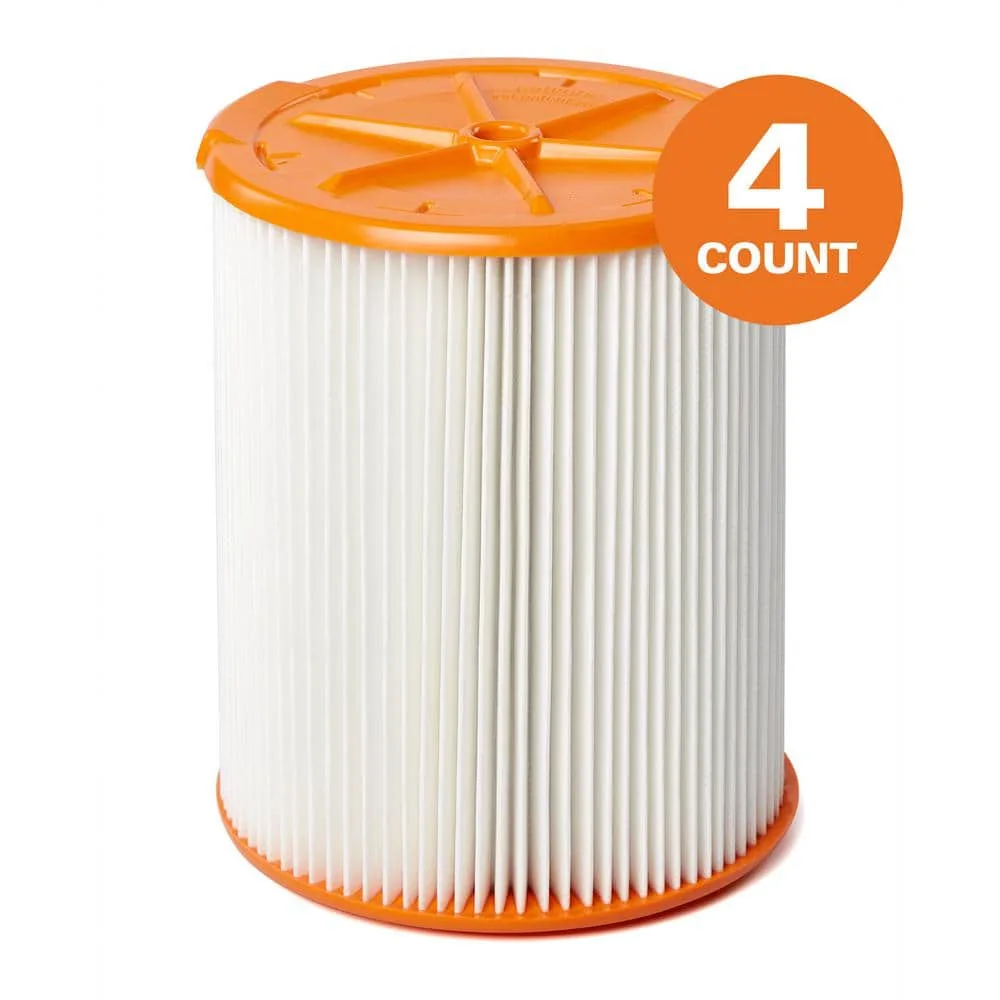
Standard pleated filters are made of paper, polyester, or a blend, with a micron rating around 1 to 5 microns. They catch most nuisance dust, but they are not HEPA. True HEPA filters capture particles at 0.3 microns, which matters when you're dealing with hazardous material.
OSHA has strict rules for silica dust on construction sites, and ordinary shop vacs don't always meet them. If you're cutting concrete or grinding masonry, you need a HEPA-rated vacuum and a filter that actually seals.
Filters fail for reasons beyond age. Fine dust packs into the pores and won't wash out. A tear or pinhole lets particles shoot straight through.
The gasket loses its seal, or a wet filter grows mold and starts to smell. The same logic applies to filter-based pool cleaners. Keeping their filter clean is the single most important maintenance step.
Filter Types and Their Expected Lifespans
Your replacement schedule depends on which filter your vac uses. Here's a quick look at the main types and how long they usually last.
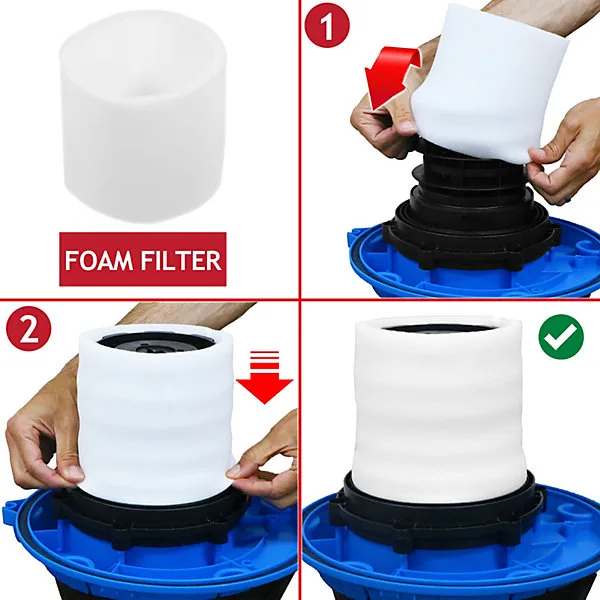
Image source: Web (Bing) / amazon.com (Web image (fair-use with source credit))
| Filter type | Typical lifespan | Common use | Clean or replace? |
|---|---|---|---|
| Pleated cartridge | 3 to 6 months | Dry dust, general shop mess | Clean until damaged; replace if torn or warped |
| Foam sleeve | 6 to 12 months | Wet spills, light dry pickup | Rinse and dry; replace if shredded or misshapen |
| Cloth/felt bag | 6 to 12 months | Fine dust on dry vacuums | Tap out debris; replace when pores clog |
| HEPA cartridge | 6 to 12 months | Hazardous dust like silica and mold | Don't clean it; replace on schedule |
| Disposable paper bag | 1 to 3 months | Heavy dry debris | Replace when full; never reuse |
Lifespans shift based on what you pick up. Drywall dust kills filters fast. Softwood shavings are easier on them.
Mud and wet slurry add moisture to the equation, which ruins paper media quickly.
Consistent maintenance pays off here. The filter is the only part of a shop vac that sees every piece of debris, so it wears out first. Regular care keeps the rest of the machine running longer.
It's the same reason a regularly maintained robotic pool cleaner lasts years longer than one that's ignored.
Clean It or Replace It? A Simple Decision Tree
Run through these three branches, and you'll almost always land on the right answer.
Branch 1: How Often Do You Use the Vac?
Use it only a couple times a month for garage spills? Clean it and put it back. At that level, a pleated filter can last a couple of years with proper drying and brushing.
Use it every week for workshop projects? Wash it monthly. Replace it every 3 to 6 months, especially if you're picking up fine sawdust.
Use it daily on a job site? Replace it fast. Heavy use destroys paper pleats, flattens foam sleeves, and stresses the gasket.
Keep at least one spare filter on hand so you're never running a clogged machine.
Branch 2: What Are You Mostly Picking Up?
Coarse debris is gentler on a filter. Nails, wood chips, leaves, and gravel move through the hose without clogging the media. A simple tap or brush keeps the filter usable.
Fine dust is different. Drywall compound, cement dust, ash, and plaster pack into the microscopic gaps in pleated paper. Water sometimes washes them out, but not reliably.
If you do a lot of drywall sanding, replace the filter more often.
Wet spills need a filter rated for wet pickup. Rinse a foam sleeve after use and let it dry completely. Paper filters collapse in water.
If the dust is hazardous, don't gamble. Silica and lead dust demand a HEPA setup, and the filter should be replaced according to the manufacturer's schedule.
Branch 3: What Does the Filter Look and Smell Like?
Run these quick visual checks before you decide.
- Tears, holes, or cracks? Replace.
- Pleats flattened or warped and won't snap back? Replace.
- A smell that survives washing? Replace.
- Dust blowing out of the exhaust? Replace.
- Gasket damaged or missing? Replace.
If the filter passes all those checks, cleaning is the right call. If it fails any of them, no amount of washing will bring back the performance. A $30 cartridge is cheaper than a $150 motor.
How to Clean a Shop Vac Filter (When You Should Keep It)
Cleaning is the right move if the media looks intact, the pleats hold their shape, and suction returns after a tap. For most weekend-use vacuums, a proper cleaning restores most of the original airflow. You just have to do it the right way.
Start by removing the filter from the drum. Take it outside and tap it gently against a trash can or workbench. That alone knocks loose a surprising amount of sawdust and coarse debris.
If the filter is still dirty, use an air compressor to blow from the inside out. Keep the nozzle a few inches away so you don't rip the paper.

Image source: Web (Bing) / homedepot.com (Web image (fair-use with source credit))
For pleated filters, a water rinse works when dry dust has packed into the folds. Hold the filter under room-temperature water at low pressure, and spray from the inside so debris pushes outward. Don't use soap, and don't scrub the pleats.
Let the filter dry completely for at least 24 hours before reinstalling it. A damp filter clogs almost instantly with fine dust.
Foam sleeves are easier. Rinse them under running water, then squeeze out the moisture. Let them air dry fully before you put them back.
The moment you see tears, frayed edges, or a collapsed shape, stop cleaning and order a replacement.
How to Replace a Shop Vac Filter (The Right Way)
Replacing a shop vacuum filter is a two-minute job once you know where the parts go. First, unplug the machine and remove the power head from the drum. Most shop vacs hold the filter in place with a simple nut, a retainer cap, or a plastic cage.
Twist it off, and the filter lifts straight out.
Before you install the new one, check the inside of the drum for debris sitting at the bottom. Wipe out any wet sludge left behind, especially if you've been picking up spills. A dirty housing can contaminate a fresh filter in one session.
Then slide the new filter over its standpipe, settle the gasket flat against the base, and tighten the retainer evenly.
Make sure the seal is snug. A loose filter means fine dust blows straight out of the exhaust. Turn the vac on for a second and run your hand around the seam.
Any leak is a sign to break the machine down and refit the filter.
Who Needs to Replace Filters More Often (and Who Can Stretch It)
Heavy users should budget for more frequent replacements. Contractors doing daily cleanup on drywall joints, concrete dust, or freshly sanded plaster are in the one-month club. That fine powder coats the media, packs into the folds, and rarely comes out with simple washing.
Keep a spare filter in the truck, because downtime on a jobsite costs more than a cartridge.
Homeowners with a single-car garage can stretch things much further. If you vacuum after the occasional woodworking project or final cleanup in the fall, a clean filter can last a full year. The same is true if you mostly pick up coarse chips and leaves.
Rough debris doesn't dig into the media the way dust does.
The middle group includes small workshop owners who use a vac once or twice a week. Aggregate owner reports put that schedule at three to six months before a filter needs replacing. That matches the manufacturer guidance printed on most pleated cartridge packaging.
Common Filter Mistakes That Cost You Money and Suction
One big mistake is treating the filter like it's washable forever. Pleated paper eventually breaks down in water. After six or seven rinses, the media loses stiffness, the pleats collapse, and airflow drops even with a clean filter.
If you've lost count, replace the filter.
Another mistake is running a wet filter for dry pickup. Damp media creates a mud paste with fine dust, and that's nearly impossible to clean out. It also breeds mold.
Always dry a filter completely after a wet job, or swap in a dry spare immediately.
People also forget to check the filter when suction weakens. They blame the hose, the drum lid, or the motor. Loss of suction in a shop vac usually points straight at the filter.
If you've dealt with the same symptom in a pool vacuum that's lost suction, you already know the habit: check the filter first.
Finally, don't run a damaged filter. A small tear lets fine dust bypass the media and go straight through the motor. Over time, it wears down the fan and bearings.
A $30 filter is far cheaper than replacing the whole power head.
Safety First: Dust Hazards, Mold, and Motor Damage
Safety matters more than suction when you're dealing with fine particles. Standard pleated filters capture most nuisance dust, but they are not designed for hazardous materials. OSHA and NIOSH both stress that silica dust from concrete, stone, or masonry work requires HEPA filtration rated for that exposure.
Running a regular shop vac on silica jobs can put dangerous dust into the air you breathe.
Mold is another concern, especially after wet spills. A filter that stays damp for days becomes a breeding ground. If you smell mildew, clean the drum and replace the filter.
That stale odor means spores have likely worked into the media, and no rinse will fix it.
There's also the motor to protect. A heavily clogged filter restricts airflow, causing the motor to run hotter. A modern shop vac's thermal overload switch usually shuts things down before you do real damage.
But repeated overheating shortens the motor's life. If the filter isn't letting air through, replace it.
Pro Tips: How to Make Every Filter Last Longer
A cyclone separator is the best upgrade you can make. It spins heavy debris out of the air before it reaches the filter. That single addition can extend filter life by three to five times.
Empty the drum before it fills completely. When debris sits at the intake and gets chewed up again, filters clog faster. Use the right filter for the job: foam for wet spills, pleated for dry dirt, and HEPA for hazardous dust.
A consistent cleaning routine works for any vacuum. The same discipline that keeps a robotic pool vacuum's filter clear also keeps a shop vac pulling at full strength. Set a reminder on your phone if you're the forgetful type.
Filter Life and Costs at a Glance
| Filter type | Typical replacement cost | Average lifespan |
|---|---|---|
| Pleated cartridge | $15 to $30 | 3 to 6 months |
| Foam sleeve | $8 to $15 | 6 to 12 months |
| Cloth/felt bag | $10 to $20 | 6 to 12 months |
| HEPA cartridge | $25 to $60 | 6 to 12 months |
| Disposable paper bag | $5 to $15 | 1 to 3 months |
Weekly users typically spend $60 to $120 per year on filters. That's still cheaper than replacing a power head. Buying a spare filter is insurance against losing a workday to a clogged machine.
Quick Answers to Common Filter Replacement Questions
Can I wash a shop vacuum filter?
Yes, but only if the media is washable. Pleated paper can survive a gentle water rinse, though not indefinitely. Once the pleats collapse or the gasket cracks, stop cleaning and replace it.
How do I know if my shop vac filter is bad?
Loss of suction, dust from the exhaust, or a musty smell are the main warning signs. Physical damage like tears, holes, or flattened pleats also means it's time to swap in a new filter. Never run a torn filter, because fine dust will go straight to the motor.
Do shop vac filters fit all brands?
No. Filters are brand- and model-specific. Ridgid, DeWalt, Milwaukee, and Festool all use different mounts and sizes.
Check the part number printed on the old filter before ordering a replacement.
What happens if I run a shop vac without a filter?
You risk wearing out the motor fast. Large debris can smack the fan blades, and fine dust acts like sandpaper on the bearings. Always run some type of filter, even for wet pickup.
The Simple Rule I Use for Every Shop Vac
If the filter looks dirty, clean it. If it still looks dirty after cleaning, replace it. That rule covers every schedule, every brand, and every type of debris.
Use the calendar as a reminder, not a law. Check the filter monthly if you use the vac weekly. Always keep a spare cartridge on the shelf.
The same logic applies when you're dealing with a pool vacuum that keeps losing suction. Start with the simplest part, clean it, and replace it only when it's genuinely worn out. A shop vac filter is the cheapest part in the system.
Replacing it on time protects the expensive motor behind it.

