

Image source: Web (Bing) / sansujyuku.com (Web image (fair-use with source credit))
If you've stood in a messy garage and asked "What is the best wet/dry vacuum for garage use?", you want a straight answer. A single best model doesn't exist. The right pick depends on your garage size, the mess you're cleaning, and whether you want cordless freedom or raw suction.
Specs matter more than brand names.
As of 2026, shop vacuums range from 5 to 16 gallons, with airflow between 60 and 250 CFM and water lift between 30 and 110 inches. Nail those numbers first and you'll avoid buying something that chokes on the first real job. Let's break down what separates a great garage vacuum from a frustrating one.
Quick Answer
The best wet/dry vacuum for garage use features a cartridge filter design. Cartridge filters handle sawdust and standing water. Bag models clog fast and cost more over time.
A 12- to 14-gallon tank fits most home garages. That's the sweet spot.
Why This Comparison Actually Matters for Your Garage
A garage isn't a living room. You park cars in it, drag in mud, spill oil, sand wood, and drop screws into dark corners. A household vacuum with a brush roll and fine-dust filter will clog within minutes.
Wet spills seal the deal. Liquid hitting an ordinary vacuum motor means either a dead machine or an electric shock risk.
A wet/dry vac uses a sealed motor and a filter that tolerates moisture. That's the whole difference. And just like you wouldn't use a household vac for a garage, you wouldn't use a standard vacuum for heavy pool debris.
The right tool matches the environment.
Buying too small is the most common mistake. A 5-gallon tank sounds fine until you vacuum up a bag of leaves or a gallon of spilled water. You'll empty it every ten minutes.
Buying too big has its own problems. A 16-gallon behemoth takes up floor space and looks ridiculous in a cramped one-car garage.
Tank Size, Peak HP, and Airflow: How Much Do You Really Need?
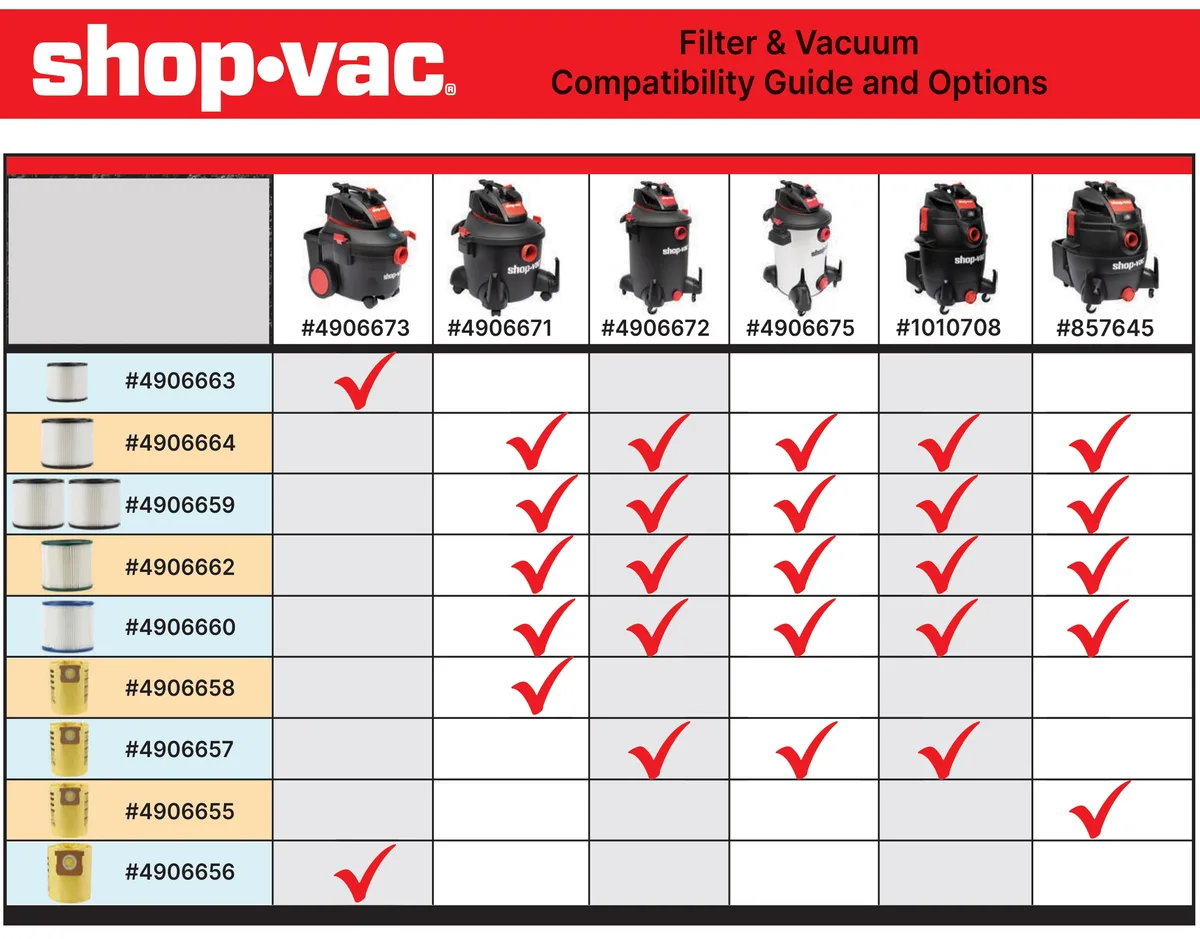
Image source: Bing (Web (fair-use with source credit))
Small garages and tight storage (5-8 gallon picks)
A 5- or 8-gallon shop vac tucks onto a shelf or hangs on a wall. Perfect for small garages, apartment parking bays, or anyone who values floor space. The tradeoff is obvious.
The tank fills fast. One serious sawdust project may need two or three empty cycles.
The everyday sweet spot (12-14 gallon picks)
The 12- to 14-gallon range is where most homeowners should land. You get enough capacity for a full garage cleanup without wrestling a drum. Most models in this size also come with a 1.5-inch or 2-inch hose, which handles bigger debris with fewer clogs.
This is also the price sweet spot.
Big workshops and heavy debris (16+ gallon picks)
A 16-gallon or larger vacuum is for serious workshops, auto shops, or post-renovation demolition. These units have bigger motors, larger hoses, and more filter surface area. They also weigh more, take up real floor space, and cost more.
What peak HP numbers actually mean (and how to spot marketing fluff)
Peak HP is measured at the motor with no airflow and no hose attached. It's a marketing number. Look at airflow in CFM and water lift in inches instead.
Both together give you the true suction story. If a manufacturer lists only peak HP, be suspicious.
The Contenders: Breaking Down the Best Wet/Dry Vacuums for Garages
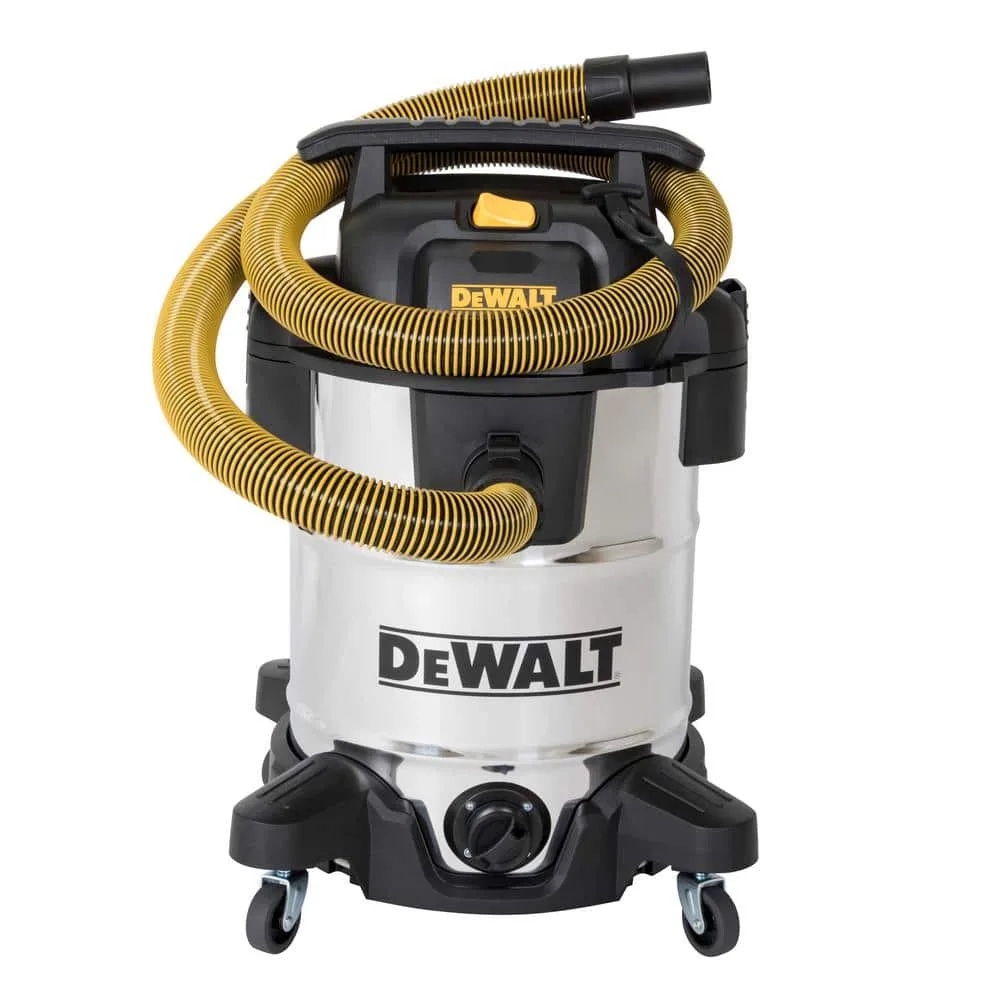
Image source: Web (Bing) / oceanproperty.co.th (Web image (fair-use with source credit))
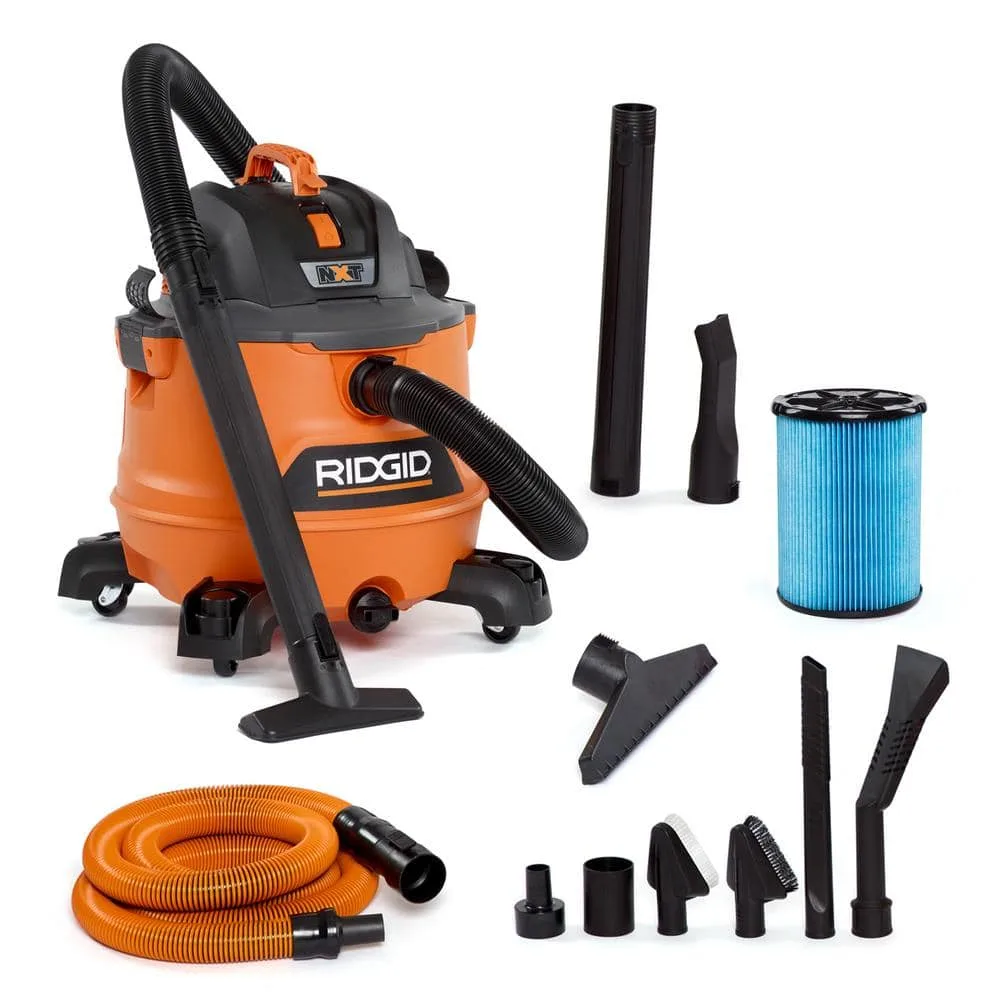
Ridgid Pro Industrial (best value and Lifetime Warranty)
Ridgid's 14-gallon Pro Industrial is the default recommendation. It packs a 6.0 peak HP motor, a cartridge filter, and a drain port for easy liquid disposal. The Lifetime Warranty on the tank seals the deal.
Owner reviews consistently call it the best value in the category.
DeWalt and Craftsman Stackable Series (best design and storage)
DeWalt and Craftsman both offer stackable shop vacs that connect to their tool boxes. If you already run one of those battery platforms, a stackable vac saves floor space and keeps your station tidy. DeWalt's 12-gallon version includes a blower port.
Craftsman's equivalent is usually a bit more affordable.
Milwaukee M18 (best cordless option)
Milwaukee's M18 cordless shop vac prioritizes convenience. You grab it, go, and clean a car interior without untangling a cord. Runtime is the tradeoff.
A single battery gets you 20 to 40 minutes depending on power mode.
Vacmaster (best budget-friendly entry)
Vacmaster makes solid entry-level wet/dry vacs starting around $40. The 5-gallon model is a great first machine for a small garage or rental house. Just know the plastic wands and clips feel cheap next to Ridgid or DeWalt.
Festool CT Series (best for fine dust, if price is no object)
Festool CT vacuums are dust extractors first, shop vacs second. They deliver HEPA-grade filtration and pair with sanders and saws for nearly dust-free work. OSHA treats crystalline silica exposure as a serious health hazard on construction sites, and the same logic applies to drywall or masonry dust at home.
Festool costs roughly four times what a Ridgid costs, but for dedicated workshop owners, it's worth it.
Side-by-Side Spec Comparison Table
| Model | Tank Size | Peak HP | Airflow | Water Lift | Hose Diameter | Approx. Price |
|---|---|---|---|---|---|---|
| Ridgid 14-Gallon Pro Industrial | 14 gal | 6.0 HP | ~200 CFM | ~82 in | 1.75 inch | $130 to $150 |
| DeWalt 12-Gallon Stackable | 12 gal | 5.5 HP | ~110 CFM | ~67 in | 2 inch | $130 to $160 |
| Craftsman 16-Gallon | 16 gal | 6.5 HP | ~150 CFM | ~85 in | 2 inch | $110 to $140 |
| Milwaukee M18 Cordless | 5 gal | 4.0 HP | ~40 CFM | ~30 in | 1.25 inch | $180 to $250 |
| Vacmaster 5-Gallon | 5 gal | 2.0 HP | ~90 CFM | ~60 in | 1.25 inch | $40 to $60 |
| Festool CT 36 AC HEPA | 9.5 gal | n/a | ~137 CFM | ~92 in | 1.38 inch | $700+ |
Prices shift with sales and bundles, so treat these as ballpark figures. The pattern is what matters: CFM and water lift tell you far more than peak HP ever will.
Corded vs. Cordless: When Battery-Powered Makes Sense for Garage Use
Corded vacuums deliver steady, maximum suction. A cordless model trades that power for convenience. For most garages, corded wins.
For quick jobs, cordless feels amazing.
Think about your actual routine. If you're cleaning a car interior or vacuuming a small spill, cordless saves you the hassle of dragging a long cord. If you're doing a whole-garage cleanup after a weekend project, you'll burn through batteries fast.
Most cordless shop vacs run 15 to 40 minutes per charge. That's enough for spot cleaning, not a full workshop reset. High-powered models like the Milwaukee M18 lack the sustained airflow of their corded siblings.
Battery platforms matter too. If you're already using M18 tools, a cordless shop vac means one shared battery system.
Choose corded unless you have a clear reason not to. For serious garage duty, corded gives the best performance for the price.
Best Wet/Dry Vacuum by Garage Use Case
Best for woodworkers and fine dust control
Woodworkers need airflow and filtration. A Festool dust extractor with HEPA-class filtration is the gold standard for connecting to sanders and saws. If price is a concern, a Ridgid 14-Gallon with an HEPA cartridge filter plus a cyclone separator is the smart budget move.
Best for mechanics and coolant or oil spills
Mechanics need a model with a drain port. When you're vacuuming coolant or oil-based mists, you can open the drain and pour liquid into a waste container instead of lifting the whole tank. A 14-gallon unit with a wide 2-inch hose handles the job without clogging.
Best for general cleanup, car detailing, and post-renovation messes
General cleanup returns to the 12- to 14-gallon cartridge filter sweet spot. The DeWalt 12-Gallon Stackable is great for saving space. The Craftsman 16-Gallon offers more capacity for larger messes.
If car interiors are a priority, get a smaller detail hose for tight spaces.
Mistakes Most People Make When Buying a Garage Shop Vac
Buying too much vacuum (or not enough tank)
More power wastes money. More tank means more wasted floor space. Size the machine to your actual garage.
Ignoring hose diameter and attachment compatibility
A 1.25-inch hose chokes on large debris. Keep a 1.5-inch or 2-inch hose for general garage duty. Check that common attachments like a crevice tool and floor nozzle are included before you buy.
Forgetting filter cleaning before wet use
This is the classic rookie move. You vacuum sawdust, let the filter cake up, then try to vacuum a spill. A quick filter tap-off before wet work keeps suction strong.
Many failures trace back to this simple oversight.
Overpaying for brand name alone
Brands like Festool charge a premium for certifications and dust-free performance. Sometimes that's worth it. Other times you're paying for the badge.
Compare specs like CFM and water lift rather than buying by loyalty.
Maintenance: How to Keep Your Wet/Dry Vac Sucking for Years
Cleaning the filter without wrecking it
Tap the cartridge filter loose after every heavy dry use. Rinse it with water when buildup won't come off. Let it dry completely before the next use.
Never beat a filter against a wall. That cracks the pleats.
Proper wet pickup order, tank drying, and mold prevention
Always remove the paper filter and use the foam sleeve for wet jobs. After liquid pickup, drain the tank and leave it open to dry. A damp, closed tank grows mold and odors quickly.
When to replace the hose, filters, and seals
A hose with cracks or a split seam kills suction. Replace it when you see tears. Swap cartridge filters every six to twelve months for weekly garage use.
Replace seals and gaskets if you notice air escaping around the filter cover.
Like any routine filter maintenance, a quick rinse every few months keeps the machine breathing. The same habit applies to robotic pool vacuums, where a clogged filter kills performance fast. Owners who skip routine upkeep end up with clogged pumps and debris stuck in the hose.
FAQs About Garage Wet/Dry Vacuums
Can one vacuum handle sawdust and flood water?
Yes, with the right setup. Use a cartridge filter for dry tasks and swap in a foam sleeve for wet pickup. A 12- to 14-gallon model handles both without needing a separate machine.
Is HEPA worth it for garage use?
Only if you're doing fine woodworking, drywall sanding, or other high-dust work. HEPA traps fine particles that a standard cartridge filter lets through. For general garage debris, a standard cartridge filter is fine.
How loud is too loud?
Shop vacs range from 60 to 85 decibels. Look for models with sound insulation if noise bothers you. Above 85 decibels, wear hearing protection.
Wet/dry vac vs. dust extractor: which do I need?
A dust extractor is for continuous use with power tools and captures fine dust at the source. A wet/dry vac is for general cleanup and occasional wet pickup. If you're a hobbyist, a wet/dry vac with HEPA filtration is usually enough.
Pros doing dust-generating work should invest in a dust extractor.
Final Verdict: The Best Wet/Dry Vacuum for Garage Use (By Scenario)
The Ridgid 14-Gallon Pro Industrial is the best overall pick for most garages. It balances capacity, suction, and price better than anything else on the market. The included Lifetime Warranty seals the deal.
The drain port handles wet messes cleanly.
- Best overall: Ridgid 14-Gallon Pro Industrial for balanced power and warranty
- Best value: Craftsman 16-Gallon for budget-conscious buyers
- Best compact: DeWalt 12-Gallon Stackable for small spaces and tool-system users
- Best cordless: Milwaukee M18 for quick jobs and portability
- Best for fine dust: Festool CT Series for serious woodworkers
Most home garages should land on a 12- to 14-gallon cartridge-filter model. Match the machine to your mess. Don't buy by the badge.

