

Are you tired of struggling with stubborn stains and grime around your home? What if the secret to a sparkling clean space was already sitting in your kitchen?
49% off Today's Exclusive Deals
Limited-time Exclusive Deals. Check current discount on Amazon.
Check Price on Amazon As an Amazon Associate I earn from qualifying purchases.Distilled white vinegar is a powerful, natural cleaner that can tackle dirt, grease, and odors without harsh chemicals. You’ll discover easy and effective ways to use distilled white vinegar for cleaning every corner of your home. Get ready to transform your cleaning routine and enjoy a fresher, healthier living space!
Why Choose Distilled White Vinegar
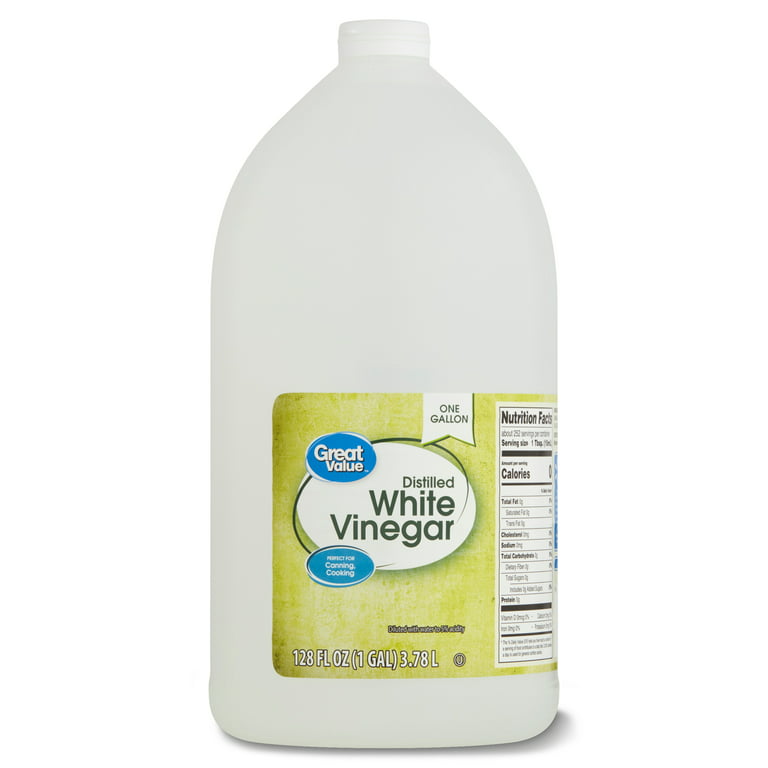
Distilled white vinegar is a popular choice for cleaning in many homes. It offers many benefits that make it stand out from other cleaners. Understanding why distilled white vinegar works well can help you decide to use it more often. Its natural properties and safety make it a smart pick.
Natural Cleaning Power
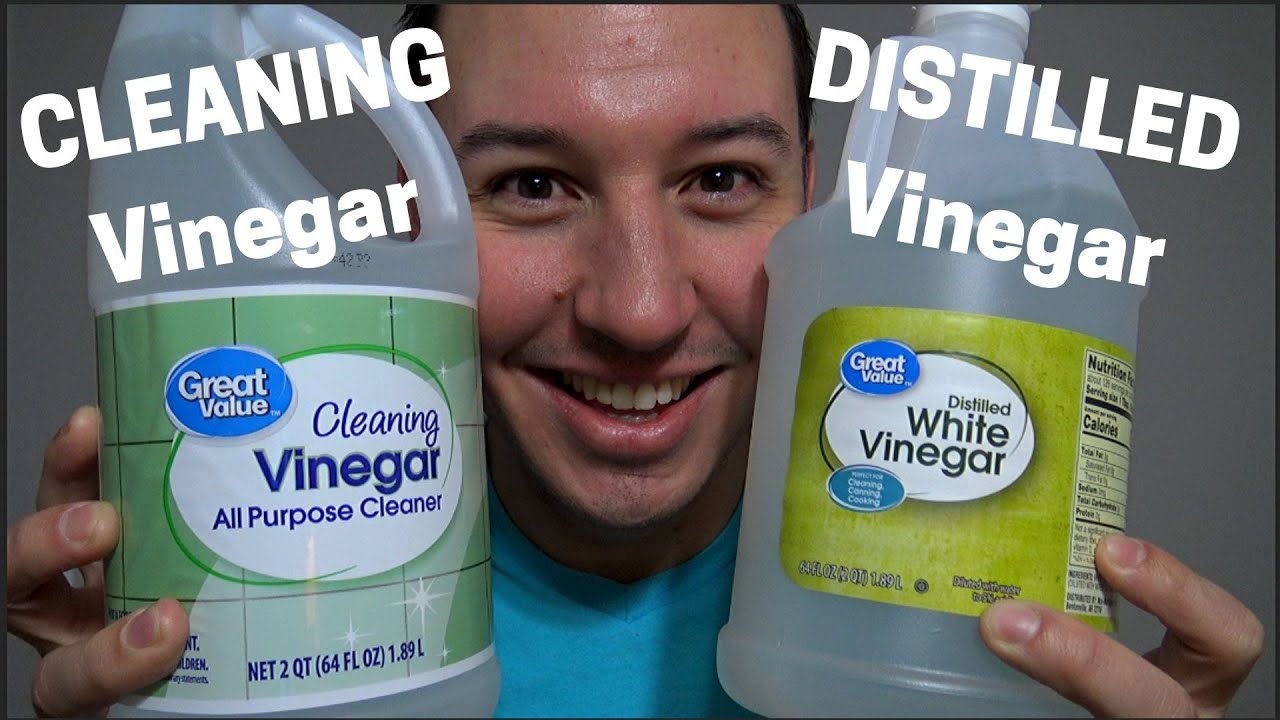
Distilled white vinegar contains acetic acid. This acid breaks down dirt, grease, and grime easily. It kills some bacteria and mold without harsh chemicals. Vinegar cleans without leaving toxic residue behind. It works on many surfaces like glass, tile, and metal. A simple vinegar solution often replaces multiple cleaners in your home.
49% off Today's Exclusive Deals
Limited-time Exclusive Deals. Check current discount on Amazon.
Check Price on Amazon As an Amazon Associate I earn from qualifying purchases.Cost-effective Solution
White vinegar is very affordable. A large bottle costs just a few dollars. It lasts a long time since you dilute it with water. Many commercial cleaners cost much more and run out fast. Using vinegar saves money and reduces waste. It is an economical choice for families on a budget.
Safe For The Environment
Distilled white vinegar breaks down naturally in the environment. It does not pollute water or soil like some chemicals do. Vinegar is biodegradable and non-toxic to plants and animals. Using it reduces your home’s chemical footprint. It is a safer option for your family and the planet.
Preparing Vinegar Cleaning Solutions
Preparing vinegar cleaning solutions is simple and effective. Distilled white vinegar works well for many cleaning tasks. The key is to mix it correctly for the best results. Using the right amounts helps clean surfaces without damage.
You can mix vinegar alone or with other natural ingredients. Proper storage keeps the solutions fresh and ready to use anytime. Below are useful tips for making and storing vinegar cleaning mixtures.
49% off Today's Exclusive Deals
Limited-time Exclusive Deals. Check current discount on Amazon.
Check Price on Amazon As an Amazon Associate I earn from qualifying purchases.Dilution Ratios For Different Tasks
Use one part vinegar to one part water for general cleaning. This mix works on glass, counters, and floors. For tougher grime, try two parts vinegar to one part water. Avoid using pure vinegar on delicate surfaces. Always test a small area first to prevent damage.
Combining Vinegar With Other Ingredients
Add baking soda to vinegar for scrubbing power. This mix helps remove stains and odors. Use lemon juice with vinegar to boost freshness. Essential oils can improve the scent but add only a few drops. Avoid mixing vinegar with bleach or ammonia to stay safe.
Storage Tips For Cleaning Mixtures
Store vinegar solutions in a spray bottle for easy use. Keep the bottle in a cool, dark place to preserve strength. Label the bottle with the date and ingredients. Use the solution within two weeks for best results. Shake well before each use to mix ingredients.
Cleaning Kitchen Surfaces
Keeping kitchen surfaces clean is important for health and safety. Distilled white vinegar is a natural cleaner that works well on many kitchen areas. It removes dirt, kills germs, and leaves surfaces fresh without harsh chemicals.
Removing Grease And Grime
Spray distilled white vinegar on greasy spots. Let it sit for a few minutes. Wipe with a damp cloth or sponge. The vinegar breaks down grease fast. It cleans without leaving sticky residue behind.
Disinfecting Cutting Boards
Pour vinegar directly on the cutting board. Spread it evenly with a cloth. Let it sit for 5 to 10 minutes. Rinse well with warm water. Vinegar kills bacteria and keeps boards safe for food prep.
Cleaning Appliances
Use vinegar to clean inside and outside of appliances. Wipe surfaces with a vinegar-soaked cloth. It removes stains and odors. For tough spots, let vinegar sit briefly before wiping. Appliances look cleaner and smell fresh after use.
Bathroom Cleaning Uses
Distilled white vinegar is a simple and natural way to clean your bathroom. It removes dirt, grime, and bad smells without harsh chemicals. Vinegar is safe to use on many bathroom surfaces and helps keep your space fresh and healthy.
Use vinegar to clean tiles, sinks, showers, and drains. It breaks down buildup and kills some types of mold. Keep a bottle handy for quick and easy bathroom cleaning tasks.
Tackling Soap Scum And Mold
Soap scum and mold build up on bathroom tiles and tubs. Spray white vinegar directly on these areas. Let it sit for 10 minutes. Then scrub with a sponge or brush. Rinse well with water. Vinegar helps dissolve soap scum and stops mold from growing.
Refreshing Showerheads And Faucets
Mineral deposits can clog showerheads and faucets. Soak a cloth or bag in vinegar. Wrap it around the showerhead or faucet. Leave it for an hour. Remove and run water to clear the deposits. This simple method improves water flow and shines metal surfaces.
Deodorizing Drains
Bathroom drains can smell bad from buildup. Pour half a cup of vinegar down the drain. Let it sit for 15 minutes. Flush with hot water. Vinegar cleans the drain and removes odors. Use this regularly to keep drains fresh and clear.
Laundry And Fabric Care
Distilled white vinegar is a simple, natural product that helps with laundry and fabric care. It cleans clothes well without harsh chemicals. Vinegar works gently on fabrics and keeps them fresh. It removes stains, softens fabrics, and gets rid of bad smells. Using vinegar saves money and is safe for most fabrics.
Removing Stains
Pour a small amount of distilled white vinegar on stains before washing. Let it sit for 10 to 15 minutes. Vinegar breaks down dirt and grime, making stains easier to remove. For tough stains, mix vinegar with baking soda. This mix lifts stains without damaging fabric. Always test on a small fabric area first.
Softening Fabrics
Add half a cup of distilled white vinegar to the rinse cycle. It works as a natural fabric softener. Vinegar removes soap residue that makes fabrics stiff. Clothes feel softer and fluffier after drying. This method helps towels stay absorbent and clothes last longer.
Eliminating Odors
Vinegar kills odor-causing bacteria in clothes and fabrics. Add a cup of distilled white vinegar to the wash cycle. It removes smells from sweat, smoke, and mildew. Vinegar leaves clothes smelling fresh, not like vinegar. Use it regularly to keep laundry smelling clean and fresh.
:max_bytes(150000):strip_icc()/distilled-white-vinegar-blog1018-5de01477893e4ccaab99cc06672599e3.png)
Floor And Surface Maintenance
Distilled white vinegar is a simple and natural cleaner for floors and surfaces. It removes dirt, grease, and grime without harsh chemicals. Using it correctly keeps your home fresh and safe. This section shows how to clean different types of floors and surfaces with white vinegar.
Cleaning Hardwood And Tile Floors
Mix one cup of distilled white vinegar with one gallon of warm water. Use a mop or cloth to clean hardwood or tile floors. This solution removes stains and kills germs. Avoid soaking the floor; use a damp mop. Dry the floor quickly to prevent water damage.
Polishing Glass And Mirrors
Combine equal parts of distilled white vinegar and water in a spray bottle. Spray the solution on glass or mirrors. Wipe with a clean, lint-free cloth. The vinegar cuts through fingerprints and smudges. It leaves glass shiny and streak-free.
Avoiding Damage On Sensitive Surfaces
Test vinegar on a small spot before full use. Avoid using vinegar on natural stone like marble or granite. It can dull the surface or cause etching. Use vinegar carefully on hardwood floors with a finish. Always dilute vinegar to protect sensitive surfaces.
Outdoor Cleaning Applications
Distilled white vinegar is a powerful and natural cleaner for outdoor spaces. It helps keep your yard and patio fresh without harsh chemicals. Easy to use and safe for many surfaces, vinegar is a great choice for outdoor cleaning tasks. Below are some practical ways to use vinegar outside.
Removing Weeds
Vinegar kills weeds quickly and naturally. Spray it directly on unwanted plants. Use a spray bottle for small areas or a garden sprayer for larger spots. Avoid spraying on plants you want to keep. Vinegar dries out the weeds, making them easy to pull out.
Cleaning Patio Furniture
Patio furniture can get dirty and stained. Mix vinegar with water to clean plastic, metal, and glass furniture. Wipe down surfaces with a cloth soaked in the solution. Rinse with water to remove vinegar smell. Your furniture will look fresh and clean in minutes.
Brightening Outdoor Surfaces
Vinegar brightens surfaces like stone, concrete, and brick. Mix equal parts vinegar and water in a bucket. Use a stiff brush to scrub patios, walkways, and driveways. Rinse well with water after scrubbing. This method removes dirt and mildew, restoring natural color.
Precautions And Safety Tips
Distilled white vinegar is a powerful cleaning tool. It is natural and safe for many uses. Still, taking some safety steps is important. These tips help prevent accidents and protect your home.
Avoiding Harmful Mixing
Never mix vinegar with bleach. This creates toxic chlorine gas. Avoid combining vinegar with hydrogen peroxide. It can form dangerous acids. Use vinegar alone or with water only. This keeps cleaning safe and effective.
Protecting Delicate Materials
Vinegar can damage some surfaces. Do not use it on natural stone like marble or granite. Avoid applying vinegar to hardwood floors. Test a small hidden area first. Stop use if you see discoloration or damage.
Handling And Storage Safety
Keep vinegar in a clearly labeled container. Store it away from children and pets. Use gloves if you have sensitive skin. Avoid getting vinegar in your eyes. Clean spills quickly with water to prevent damage.
Maximizing Vinegar’s Effectiveness
Distilled white vinegar is a strong cleaner, but you can make it even better. Small changes in how you use it can improve its power. Simple tricks help vinegar clean faster and deeper. Using the right method saves time and effort. Learn to get the most from this natural cleaner.
Using Heat And Vinegar Together
Warm vinegar cleans more effectively than cold vinegar. Heat helps break down dirt and grime faster. You can warm vinegar in the microwave for a few seconds. Always pour warm vinegar carefully to avoid burns. Use warm vinegar on surfaces like glass or tile. Avoid heat on plastic or delicate surfaces. Warm vinegar works well for removing soap scum and hard water stains.
Timing And Application Techniques
Let vinegar sit on stains for a few minutes. This wait time helps vinegar dissolve buildup. Spray or soak the area and wait five to ten minutes. For tough stains, use a cloth soaked in vinegar. Rub gently to lift dirt. Rinse surfaces with water after cleaning. Avoid letting vinegar sit too long on stone or hardwood. Repeat the process for very stubborn spots.
When To Use Vinegar Alternatives
Vinegar is not good for every surface. Avoid vinegar on marble, granite, or natural stone. It can dull or damage these materials. Use mild soap or special stone cleaners instead. Vinegar also does not work well on greasy ovens. Use baking soda or commercial degreasers for heavy grease. For strong odors, lemon juice can be a fresh alternative. Choose the right cleaner for the job to protect your home.
Frequently Asked Questions
What Surfaces Can I Clean With Distilled White Vinegar?
Distilled white vinegar is safe for glass, tiles, countertops, and stainless steel. Avoid using it on natural stone like marble or granite.
How Do I Dilute Vinegar For Cleaning Purposes?
Mix equal parts of distilled white vinegar and water for most cleaning tasks. Stronger solutions can damage surfaces.
Can Vinegar Remove Mold And Mildew Effectively?
Yes, distilled white vinegar kills mold and mildew on non-porous surfaces. Apply vinegar directly, let it sit, then scrub.
Is Distilled White Vinegar Safe To Use Around Pets?
Yes, vinegar is pet-safe when used in well-ventilated areas. Avoid direct contact with pets’ skin and eyes.
Conclusion
Distilled white vinegar cleans many surfaces safely and cheaply. It removes stains, kills germs, and leaves no harsh smell. Use it in the kitchen, bathroom, or on windows. Mix it with water for gentle cleaning or use pure for tough spots.
Always test on a small area first. This natural cleaner helps keep your home fresh and bright. Simple, effective, and eco-friendly—vinegar is a great choice for daily cleaning tasks. Try it today and see the difference yourself.

