

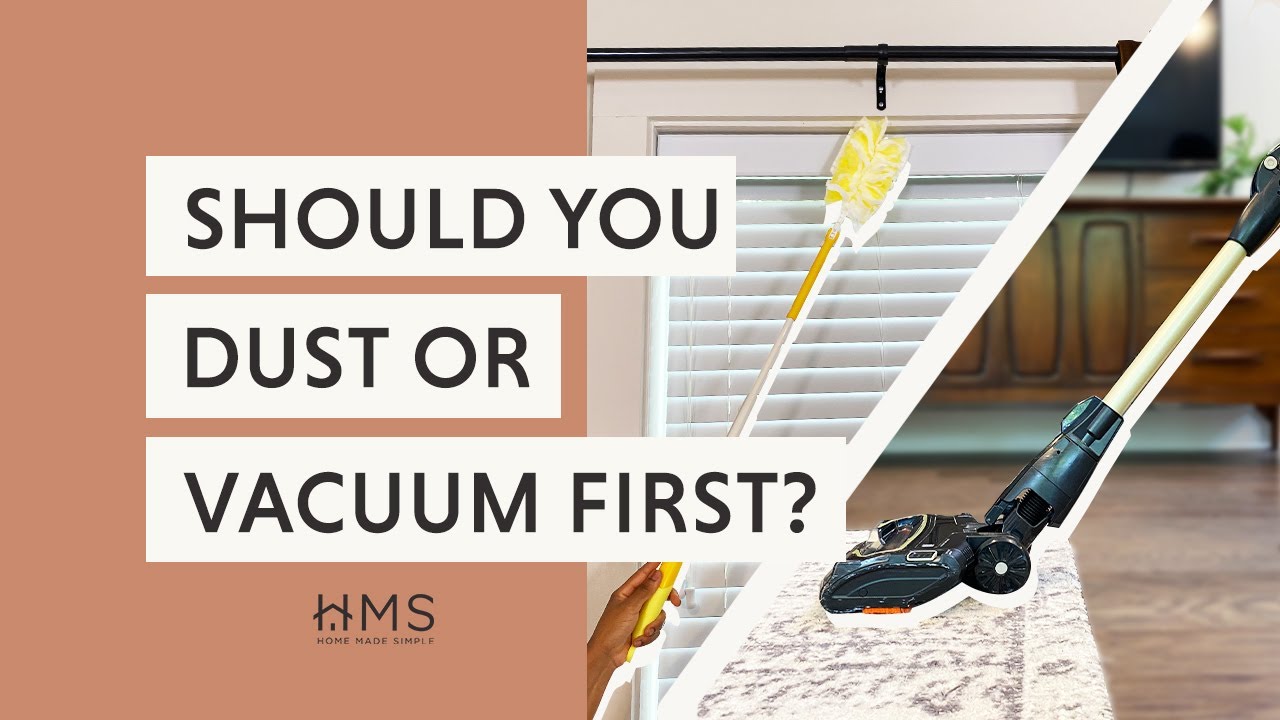
When cleaning your house, you might wonder: should you dust or vacuum first? It seems like a simple question, but the order you choose can make a big difference in how clean your home feels—and how much effort you have to put in.
Imagine spending time cleaning only to find dust settling back on your floors, or vacuuming twice because dust fell after you finished. You’ll discover the best way to tackle your cleaning routine so you save time, get better results, and enjoy a truly fresh home.
Keep reading to learn the simple trick that can change the way you clean forever.

Dust Before Vacuuming
Dusting before vacuuming is the best way to clean your house. Dusting moves dirt from surfaces into the air and onto the floor. Vacuuming after dusting picks up this dirt and makes your home cleaner. Following this order makes cleaning easier and more effective.
Why Dusting Comes First
Dust settles on furniture, shelves, and decorations. When you dust first, you remove dirt from these surfaces. Dusting stirs up dust particles that fall to the floor. If you vacuum first, dust on surfaces stays there. Dusting first clears the way for a better clean.
How Dusting Helps Vacuuming
Dusting pushes dirt down to the floor. Vacuuming then sucks up all the dust and debris. This process stops dust from floating back into the air. Vacuuming after dusting cleans hidden dust in corners and under furniture. Dusting and vacuuming together make your house fresher and healthier.
Common Mistakes When Dusting
Many people dust with dry cloths that spread dust around. Using a damp cloth or microfiber cloth catches dust better. Dusting only visible surfaces leaves hidden dust behind. Skipping vacuuming after dusting leaves dust on the floor. Cleaning in the wrong order wastes time and effort.
Vacuum After Dusting
Vacuuming after dusting is a smart cleaning step. Dusting moves dirt and dust particles into the air and onto the floor. Vacuuming last picks up these particles and clears your space thoroughly. This order keeps your home cleaner and fresher for longer.
Benefits Of Vacuuming Last
Vacuuming last removes dust and debris from floors and surfaces. It prevents dust from settling again after cleaning. This method reduces allergy triggers in your home. It also saves time by cleaning all loose dirt in one go. Your home looks neat and feels healthier.
Types Of Vacuums To Use
Choose a vacuum suitable for your floor types. Upright vacuums work well on carpets. Canister vacuums are good for hard floors and tight spaces. Stick vacuums offer light weight and easy handling. Handheld vacuums clean small areas and furniture quickly.
Vacuuming Tips For Different Surfaces
Use the right setting for each surface. For carpets, use a beater brush to lift dirt. For hard floors, switch off the brush to avoid scratches. Vacuum upholstery with a soft brush attachment. Move slowly to catch all dust and crumbs.
Tools For Effective Dusting
Dusting is a key step in house cleaning. Using the right tools makes it easier and more effective. Good dusting tools capture dust instead of spreading it around. They help keep your home cleaner for longer.
Choosing proper tools also saves time. You get better results with less effort. Let’s explore some tools that work best for dusting.
Best Dusting Tools
Feather dusters are popular but can just move dust around. Better options include microfiber dusters, electrostatic dusters, and dusting brushes. These tools trap dust well and clean various surfaces. Extendable dusters reach high places without a ladder. Soft bristles protect delicate items like lamps and books.
Using Microfiber Cloths
Microfiber cloths attract dust like a magnet. They hold dust instead of pushing it away. These cloths work dry or slightly dampened for sticky dirt. Wash them often to keep them effective. Microfiber cloths are gentle on surfaces and do not scratch. They are reusable and last a long time.
Avoiding Allergens
Dust can cause allergies and breathing problems. Use dusters that trap dust instead of spreading it in the air. Wear a mask if you are sensitive to dust. Vacuum the floor after dusting to remove fallen particles. Keep windows closed during dusting to avoid pollen coming in.
Vacuuming Techniques
Vacuuming is a key step in house cleaning. It removes dust, dirt, and allergens from floors and carpets. Using the right vacuuming techniques makes the job easier and more effective. This section covers how to vacuum properly, how to handle different floor types, and ways to keep your vacuum in good shape.
Proper Vacuuming Methods
Move the vacuum slowly to pick up more dust and dirt. Use overlapping strokes to cover every part of the floor. Vacuum in different directions to reach dirt in all angles. Empty the vacuum bag or canister when it is half full for better suction. Use attachments to clean corners, edges, and furniture.
Handling Carpets Vs Hard Floors
Carpets need a strong suction and a rotating brush to lift dirt. Use a vacuum with adjustable height to avoid damage. Hard floors require a vacuum without the brush or with a brush turned off. Use a soft brush attachment for delicate surfaces like wood or tile. Clean hard floors gently to avoid scratches.
Vacuum Maintenance Tips
Check filters and replace or clean them regularly. Clean the brush roll to remove hair and threads. Check the vacuum belt for wear and replace it if needed. Keep the vacuum hose clear of blockages. Regular maintenance keeps your vacuum working well and lasts longer.
Special Considerations
Special cleaning needs affect the order of dusting and vacuuming. Different homes have unique challenges. These require small changes in your routine. Understanding these helps keep your home cleaner and healthier.
Homes With Pets
Pets shed hair and dander everywhere. Dusting first lifts loose pet hair from surfaces. Vacuuming after removes hair from floors and carpets. Use a vacuum with strong suction and a pet hair filter. Clean pet beds and furniture regularly. This reduces allergens and keeps pet areas fresh.
Dealing With Allergies
Allergies need careful dust and dirt control. Dusting with a damp cloth traps dust instead of spreading it. Vacuum with a HEPA filter to catch tiny particles. Wear a mask to avoid breathing in dust. Clean often to keep allergens low and air fresh.
Cleaning Electronics And Delicate Items
Electronics and fragile items need gentle care. Dust with a soft microfiber cloth to avoid scratches. Avoid using liquids directly on screens or keyboards. Use compressed air to blow dust from tight spots. Finish with vacuuming floors to remove fallen dust.
Creating A Cleaning Routine
Creating a cleaning routine helps keep your home fresh and tidy. A good plan saves time and effort. It makes cleaning less stressful and more effective. Knowing when to dust and vacuum helps maintain a clean space. Let’s explore how to build a simple cleaning routine.
Scheduling Dusting And Vacuuming
Set specific days for dusting and vacuuming. Dusting first removes dirt from surfaces. Vacuuming after clears dust that falls on the floor. Choose times that fit your daily schedule. Regular cleaning prevents dust build-up and allergies.
Combining Tasks For Efficiency
Group cleaning tasks to save time. Dust shelves, tables, and furniture in one go. Follow with vacuuming carpets and floors. Use a vacuum with a brush to catch dust on furniture. Combining tasks reduces the number of cleaning sessions.
Maintaining A Dust-free Home
Keep windows closed on windy days to reduce dust. Use air purifiers to catch airborne particles. Wash bedding and curtains often to remove dust. Clean vents and fans regularly. A steady routine helps your home stay cleaner longer.
:max_bytes(150000):strip_icc()/should-you-dust-or-vacuum-first-5217140-hero-cf269d845993411da9cf5aa03ebbb4a7.jpg)
Frequently Asked Questions
Should I Dust Or Vacuum First When Cleaning?
Dust first to avoid settling dust on clean floors. Vacuuming after removes dust particles that fell during dusting.
Why Is Dusting Before Vacuuming Recommended?
Dusting before vacuuming captures airborne dust and debris. Vacuuming then cleans the floor and any dust that settled.
Can Vacuuming Before Dusting Cause More Mess?
Yes, vacuuming first can stir up dust into the air. This dust will settle back on surfaces, requiring more cleaning.
How Does Dusting Order Affect Indoor Air Quality?
Dusting first reduces airborne dust particles. This helps improve indoor air quality and reduces allergens after vacuuming.
Conclusion
Dusting first helps remove particles from surfaces effectively. Vacuuming afterward cleans up dust that falls on the floor. This order keeps your home cleaner and air fresher. Skipping dusting can leave allergens behind. Cleaning feels easier with this simple step.
Try dusting before vacuuming for better results. Your house will look neat and feel comfortable. Small changes make a big difference in cleaning routines. Keep this tip in mind for your next cleaning day.


2 Comments
Pingback: Upright Vs Canister Vacuum: Which Cleans Better? - Vacuum Cleaner Tips
Pingback: 10 Best Dusters: Top Picks For Easy Cleaning - Vacuum Cleaner Tips