

It’s a frustrating moment: you’re running your shop vac over a flooded floor, and the water just sits there. You hear the motor spinning, but the suction barely pulls a thing. Why is my shop vacuum not picking up water?
More often than not, the problem isn’t a broken machine. It’s a small, fixable issue in the airflow path, and it usually takes less than five minutes to solve.
In our research, the most common culprit by far is a blocked or saturated filter, followed closely by a float valve stuck in the closed position. Manufacturer specifications indicate that wet/dry vacuums rely on a single airflow path from the nozzle to the motor. Break that path, and suction drops to almost nothing.
As of 2026, most corded models also include an automatic float shut-off, which can trap air and halt water pickup if debris interferes. Let’s walk through the diagnosis in the order that catches the real issue fastest.
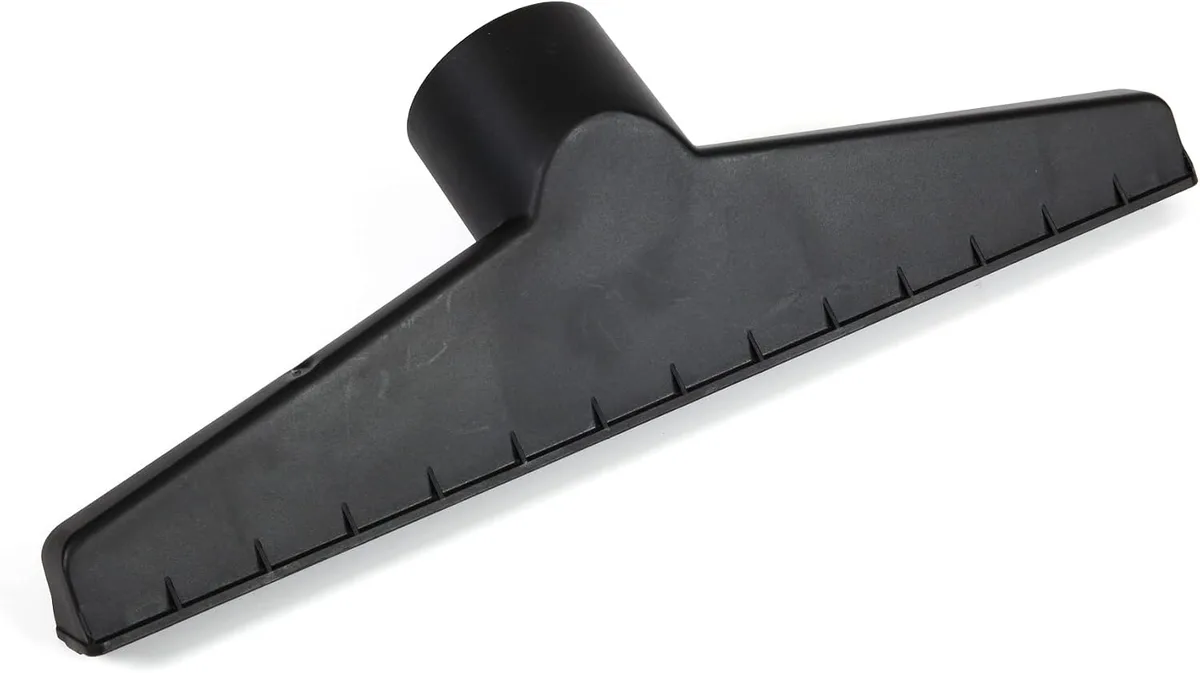
Image source: Bing (Web (fair-use with source credit))
First, What’s Actually Going On? (Quick Symptom Check)
Before you take anything apart, look at what the vacuum is doing. The symptom points straight to the cause. If the motor sounds normal but there’s zero suction, something is blocking the airflow between the hose and the motor.
If the motor sounds strained or high-pitched, a clog is forcing it to work harder. If the motor runs fine and pulls air but you see bubbling or frothing in the tank, water is moving but the float or tank level is the problem.
Run a quick mental checklist. Is the water line below the float? Is the filter wet, loaded with dust, or a dry-usage type?
Does the hose feel light and clear when you lift it? Is the drain cap sealed tight? Each answer narrows the field.
The smart workflow is to check the easy visual things first and work toward the deeper mechanical ones.
One note: a shop vac that was just used for dry dust and then switched to water pickup will almost always fail on wet, unless you change the filter. That’s not a defect. That’s a design choice.
Wet/dry vacuums handle both, but only when you swap out the internal filter between jobs. If you’ve done that and still lack suction, keep reading.
The Quick Answer: What Fixes 90% of Water-Pickup Problems
Here’s the practical order that resolves most scenarios:
| Priority | Probable Cause | One-Minute Fix |
|---|---|---|
| 1 | Tank is already near full | Empty the tank and reset the float. The float shut-off may already be closed. |
| 2 | Wrong filter installed for wet pickup | Replace the dry cartridge filter with a foam sleeve. |
| 3 | Float valve stuck closed | Reach into the tank and gently lift the float. It should move freely. |
| 4 | Clogged hose, nozzle, or intake port | Clear the obstruction with a broom handle or a strong tap. |
If the float is closed, the vacuum physically cannot pull water. It’s designed that way to protect the motor. The float rises with the water level and seals off the intake when the tank is full.
But it also seals off the intake when it’s stuck, even if the tank is empty. That’s the leading reason a shop vac picks up nothing on a wet job when the tank is clearly only a quarter full.
If none of those four fixes work, shift your attention to seals and gaskets. A tiny air leak makes the motor work hard while moving almost no water at the nozzle. We’ll get to that in Step 4, but the fast version is to check the lid gasket and the drain cap first.
How a Wet/Dry Vac Actually Picks Up Water (So You Can Diagnose Faster)
Think of the vacuum as a single pressurized tube. Air enters at the nozzle, travels through the hose, drops into the tank, passes through the filter, and exits past the motor. Water is carried along by that moving air.
It falls into the tank and stays there, while the air continues forward. Any point in that chain that blocks airflow breaks the whole system.
The float valve sits near the top of the tank. When water fills the tank, the float rises and pushes a seal against the intake. This stops water from climbing into the motor, which is the machine’s most expensive component.
That’s a good thing. But the same seal blocks all airflow when triggered, which means the motor spins, noise gets loud, and suction drops to zero.
The filter is the second major checkpoint. A dry cartridge filter is designed to stop fine dust particles. A foam filter sleeve is designed specifically for water pickup.
It allows water to pass through while trapping larger debris. If you try wet pickup with a dry filter, the filter becomes saturated, its pores close off, and airflow stops. That’s why the fix is usually “swap to the foam sleeve,” not “look for a clog.” The vacuum isn’t broken; it’s just wearing the wrong filter for the job.
You don’t need to understand the physics to solve this. You just need to know that airflow is everything. If you can hear air moving but feel little at the nozzle, the obstruction is between the tank and the motor.
If you feel plenty of air at the nozzle but water isn’t moving, the problem is at the nozzle or hose you’re holding.
Step 1: Check the Tank Level and Float Valve
Open the vacuum and look at the water level. If it’s within a couple of inches of the float assembly, empty the tank. Even if the float hasn’t fully engaged, a high water line reduces the air space that suction relies on.
The vacuum basically loses its ability to lift water when the tank is above 70% capacity in many models.
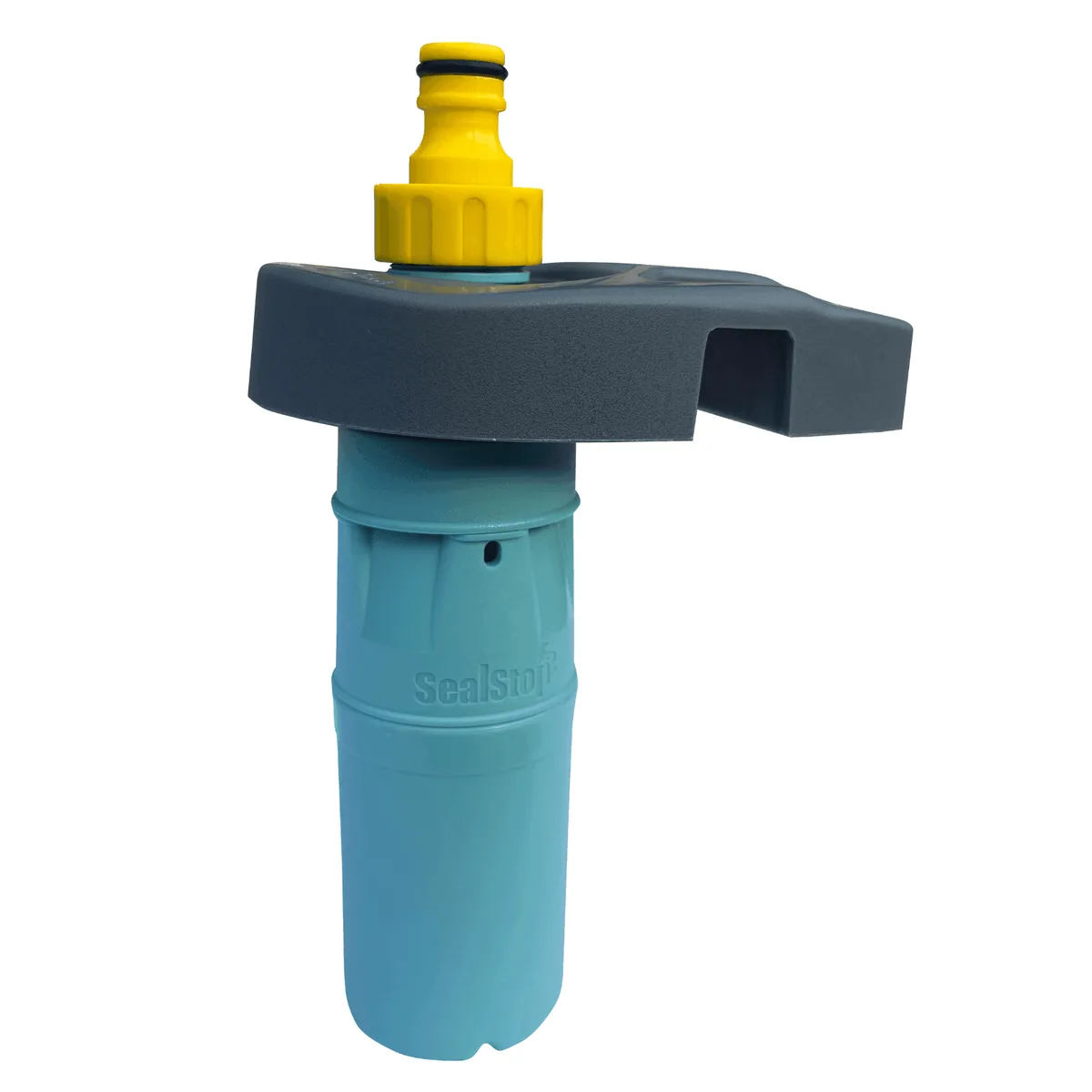
Image source: Web (Bing) / guttervacuumsystems.co.uk (Web image (fair-use with source credit))
If the tank is low and you still have no suction, check the float itself. In most models, the float is a round plastic piece that slides up and down on a central stem or inside a cage. It needs to move freely.
Debris like sawdust, grit, or a stray screw can wedge it in the up position. That shuts off the intake even though the tank is empty.
Reach into the tank and press the float down gently. It should drop back into place with a light click. If you’ve been using the vacuum for construction cleanup, a quick rinse of the inner tank and float area with water usually solves it.
Just be sure the vacuum is unplugged before you put your hand anywhere near the tank. For dry-only debris that’s caked on, wipe the stem or cage with a damp cloth. Then test the vacuum on a shallow pan of water.
If suction returns, you’ve found it.
Step 2: Check the Filter: Wet vs. Dry Setup
This is the most common stumbling block for new shop vac owners. A foam filter sleeve is designed for wet pickup, while a felt or cartridge filter is built for dry pickup. They’re not interchangeable, even though many models allow you to install either one.
If you’ve been vacuuming dust and then switch to a puddle without changing the filter, you’ll get almost no suction at the nozzle. The wet filter paper swells, the pores close up, and the motor can’t pull air through the saturated layer.
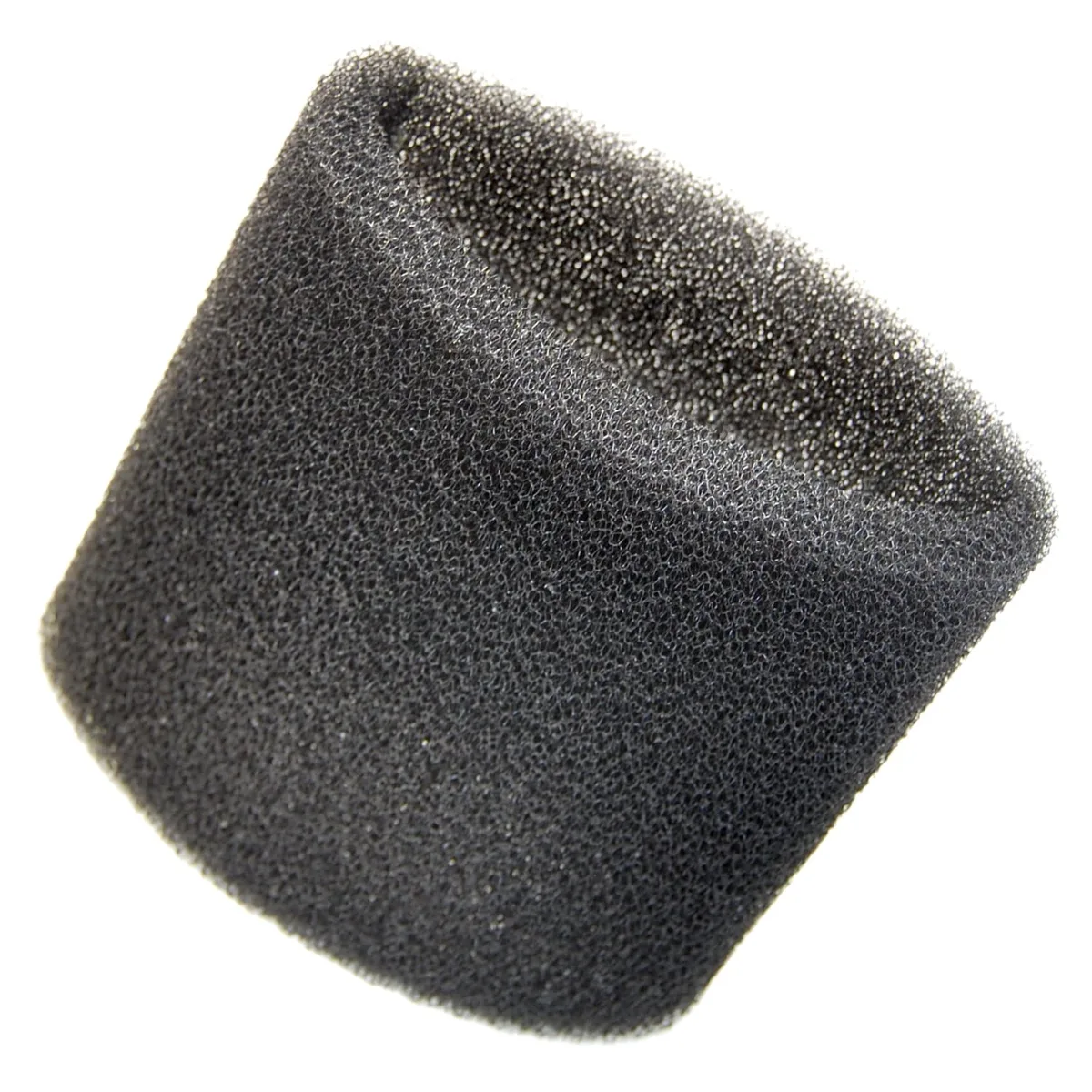
Image source: Web (Bing) / walmart.com (Web image (fair-use with source credit))
Remove the filter and inspect it. If it’s a cartridge filter and it’s wet, that’s your problem. Set it aside to dry completely, or replace it with the foam sleeve that came with your vacuum.
If you don’t have a foam sleeve, pick one up from the manufacturer or a hardware store for around $10 to $20. It’s a worthwhile spare to keep on hand before the next big leak or flood.
If you did install the foam sleeve and suction is still weak, check whether the foam is clogged with fine grit. Foam traps debris in its pores, and a heavy flood can bring in mud, hair, and small particles that pack the surface. Rinse the sleeve under running water, squeeze it out, and reinstall it.
A soaked foam sleeve that’s too dirty can still block airflow even when it’s technically the right filter for the job. That’s a simple maintenance step, not a mechanical failure.
Step 3: Check the Hose, Nozzle, and Intake Port
If tank level and filter check out, move to the hose and attachments. The fastest test is to disconnect the hose from the tank, put your hand over the end, and feel for suction at the intake port. If you feel strong pull there, the problem is in the hose, nozzle, or wand.
If you feel almost nothing, the blockage is somewhere between the intake and the motor.
Common clog points are the heel of the floor nozzle, the bend in the hose where it connects to the tank, and the narrow neck right where the hose meets the vacuum body. Small objects like screws, nails, or wet paper towels love to lodge there. Drywall debris is another classic culprit; it clumps together when it gets wet and forms a stiff plug.
To clear a clog in the hose, disconnect it from the vac and straighten it out. Use a broom handle or a long dowel to push the blockage out from the opposite end. Never force a metal rod through a creased hose, though.
You can tear the inner liner and create a permanent weak spot. If the hose is clear, check the nozzle and the intake port on the tank itself. A quick tap against the floor usually dislodges loose debris.
For stubborn blockages, a jet of water from a garden hose works great, just make sure everything is dry before you reassemble.
Step 4: Check Seals, Gaskets, and the Drain Cap
If airflow feels strong at the tank intake but weak at the nozzle, you likely have a leak somewhere. The motor will pull air from the path of least resistance. A cracked lid gasket, a loose drain cap, or a poor seal around the filter basket all provide an easier path than pulling water up a long hose.
Inspect the rubber gasket that sits between the tank and the motor head. It should be round, uniform, and free of tears. Over time, these gaskets dry out, crack, or get pinched when the lid is clamped down.
Even a tiny gap lets air in, which drops water pickup significantly.
Check the drain cap too. It’s easy to leave it slightly loose after emptying the tank, and that’s enough to break the seal. Tighten it by hand until it’s snug, but don’t crank it so hard that you strip the threads.
If the gasket on the drain cap looks flattened or cracked, replace it. Most hardware stores carry universal drain cap gaskets for a couple of dollars.
A simple leak test helps: with the hose attached and the vac running, place your hand over the nozzle opening to block the airflow completely. If you hear hissing around the lid, the tank rim, or the drain cap, that’s your leak. Seal it, and you’ll get water pickup back immediately.
Less Obvious Causes That Still Happen Often
Sometimes the usual four steps don’t fix it. Here are the less obvious scenarios that still show up regularly in aggregate user feedback and manufacturer support forums.
Cordless battery drain. If you’re using a battery-powered shop vac, suction strength drops as the battery depletes. What feels like a clog might just be a dying pack. Check the charge indicator first.
Many cordless models also have a thermal cutoff that kicks in during heavy water pickup, reducing power to protect the motor.
Froth from soaps and detergents. If you picked up soapy water, the foam can fool the float valve into thinking the tank is full. The fragile suds rise quickly, trigger the shut-off, and kill suction while the liquid level is still low. Vacuuming soapy water is tricky for this reason.
Rinse the tank thoroughly afterward to prevent residue from causing foaming on the next job.
Thermal motor cutoff. Running a shop vac for extended periods on wet pickup can overheat the motor. Most models have a built-in thermal switch that shuts the motor off or reduces power until it cools. If your vac runs, weakens, and then recovers after ten minutes off, that’s the cause, not a blockage.
Filter cage blockage. Some shop vacs have a plastic cage that holds the filter near the motor. Debris can clog the slots of that cage even when the filter itself looks clean. Remove the filter and check the cage for packed dust or wet grit.
Give it a rinse and a wipe before reassembling.
Mistakes to Avoid That Ruin a Shop Vac
A few mistakes come up over and over in troubleshooting threads, and they can cause real damage. Avoid them and your vacuum will last for years.
Using a dry filter on wet pickup. This is the number one motor killer. Once wet, a cartridge filter swells, blocks airflow, and forces the motor to run hot. The motor works harder, overheats, and can burn out completely.
Always switch to a foam sleeve or an approved wet filter before pulling water.
Storing the vac with water inside. Letting water sit in the tank promotes mold, mildew, and rust. It also corrodes the float mechanism, making it stick later. Empty the tank after every wet job, rinse it out, and leave the lid cracked open to dry.
Vacuuming flammable liquids. Gasoline, solvents, and alcohol create explosive vapors. Shop vacs are not explosion-proof. The motor can ignite those vapors and cause a fire.
Never do it. Use a dedicated pump or a vacuum rated for hazardous materials instead.
Ignoring a stuck float. If you force the vacuum to run while the float is closed, you’re running the motor with no airflow. That vents the motor’s cooling, which is driven by incoming air. It overheats quickly and can damage the windings.
Fix the float first; don’t just keep pressing forward.
For similar suction problems in a different setting, troubleshooting a pool vacuum that loses suction follows the same logic of airflow and blockage checks. A collapsed hose can kill suction on any machine. If you're dealing with that, the fix is straightforward once you spot the pinch.
How to Prevent This Next Time (Easy Maintenance Habits)
The best fix is the one that never happens. A little routine care goes a long way.
After every wet job, do three things. First, drain the tank completely and rinse it with clean water. Second, rinse the foam filter sleeve and let it air dry.
Third, wipe the float and its stem with a damp cloth so debris doesn’t harden on it. That’s a two-minute routine that prevents most of the problems above.
Keep a spare foam sleeve on hand. They’re cheap, they wear out, and you don’t want to be caught without one in the middle of a flooded garage. Buy two when you buy the vac, or order them when you get the machine.
Check the lid gasket every few months. Run your finger along it to feel for cracks or flattening. If it feels stiff or brittle, replace it.
These gaskets are inexpensive and widely available from the manufacturer or local hardware store. Also, per OSHA guidance on standing water cleanup, dried flood debris needs proper ventilation and protective gear, so it’s smart to pair that with regular equipment maintenance. The same caution applies to the “seasonal” service of any cleaning equipment; keeping the correct fluid level and airflow path clear matters across all vacuums.
Finally, store the vac with the lid slightly unlatched. This allows air to circulate in the tank, preventing moisture buildup and rust. It also stops the float from settling into a debris film that hardens over time.
Simple habits like this keep a shop vac ready for the next surprise leak.
Real Scenario: Walking Through a Water Pickup Failure Step by Step
Let’s put this into context. A homeowner in a cold-climate basement finds two inches of water after a heavy rain. They grab their shop vac, put in a fresh foam sleeve, and start pulling water.
After about two minutes, the noise changes pitch and suction fades to almost nothing. The water level in the tank is still below the halfway mark, so it’s not full.
The homeowner then follows the workflow. First, they check the float. It feels loose, so that’s fine.
Next, they pull the foam sleeve off and find it clogged with fine silt at the foam’s surface. The water being picked up was muddy, and the mud packed the outer pores of the sleeve. They rinse the sleeve thoroughly under a tap, squeeze out the dirty water, and reinstall it.
Then they look at the tank’s intake port, which has a small chunk of wet leaf stuck in it. They pull that out as well.
They run the vac again, and suction returns within seconds. Total downtime was less than three minutes. No parts were needed, just a rinse and a quick visual check.
That’s the typical pattern for most shop vac failures during wet pickup. It’s rarely the motor or a broken component.
Your Final Decision Guide: A 30-Second Diagnostic Flow
When water pickup fails, run this quick chain. It catches the vast majority of problems without needing a single tool.
| If you notice… | Then check… | And fix it by… |
|---|---|---|
| Low or no suction, motor sounds strained | Filter and float | Swap to foam sleeve, free the float with your hand |
| Motor sounds normal but pulls weak air | Hose, nozzle, intake | Clear blockage with a broom handle or tap out debris |
| Suction drops after a couple minutes | Tank level or froth | Empty tank, rinse float if suds triggered it |
| Suction returns after a rest | Thermal cutoff | Let motor cool down, reduce continuous run time |
| Hissing around the lid or cap | Gaskets and seals | Replace damaged rubber, tighten drain cap |
The key is to work in order. Don’t disassemble the motor first. Don’t buy a new vacuum.
Start at the tank, move to the filter, then the hose, then the seals. Nine times out of ten, the fix is simple and free.
If you’ve gone through every step and your shop vac still won’t pick up water, you may be dealing with a failing motor or a cracked tank. At that point, check the warranty. But that’s the exception, not the rule.
Most “why is my shop vacuum not picking up water” cases end with a clean filter and a stuck float.
Frequently Asked Questions
Why does my shop vac stop picking up water when the tank isn’t full?
A stuck float valve is the usual suspect. Debris like sawdust or grit can wedge the float in the closed position, sealing off airflow even when the tank is nearly empty. Press the float down by hand to free it, then test again with water.
Can I use my shop vac to pick up water with the same filter I use for dry dust?
No. A dry cartridge filter will saturate and block airflow. You need a foam filter sleeve designed for wet pickup.
Running a dry filter on water damages the filter and can overheat the motor. Always switch to the foam sleeve before wet jobs.
Why is my shop vac blowing water out of the exhaust?
This usually happens when the tank is overfilled or the float valve isn’t sealing properly. When water reaches the float, the shut-off should stop airflow before liquid reaches the motor. If the float is stuck or the filter is missing, water can get pulled through and blown out the exhaust.
Empty the tank and inspect the float immediately.
How do I clean a foam filter sleeve properly?
Rinse the sleeve under running water, squeezing gently until the water runs clear. Do not use soap or detergent, as it can leave residue that causes foaming on the next wet pickup. Squeeze out excess water and let it air dry completely before storing it.
Why does my shop vac have weak suction even on dry debris?
The same airflow principles apply. Check the filter, the hose for clogs, and the seals around the tank lid. A full dust bag or a clogged cartridge filter is the most common cause for dry suction loss.
Empty the tank and clean the filter to restore performance.

