

Is your kitchen drain giving off an unpleasant odor that just won’t go away? That foul smell can quickly turn your favorite cooking spot into a less inviting space.
But don’t worry—you don’t have to live with it. You can get rid of that smelly drain and keep your kitchen fresh and clean. You’ll discover simple, effective steps to eliminate those stubborn odors for good. Keep reading, and say goodbye to that nasty drain smell once and for all!
:max_bytes(150000):strip_icc()/__opt__aboutcom__coeus__resources__content_migration__mnn__images__2018__08__sink_drain-351af8e441034f319fe07f00c091d8b6.jpg)
Causes Of Kitchen Drain Odors
Kitchen drain odors often start from common problems inside the pipes. Understanding the causes helps to fix the smell faster. Smelly drains come from things that block or grow inside the pipes. Dirt, food, and grease all play a part.
Food Residue Buildup
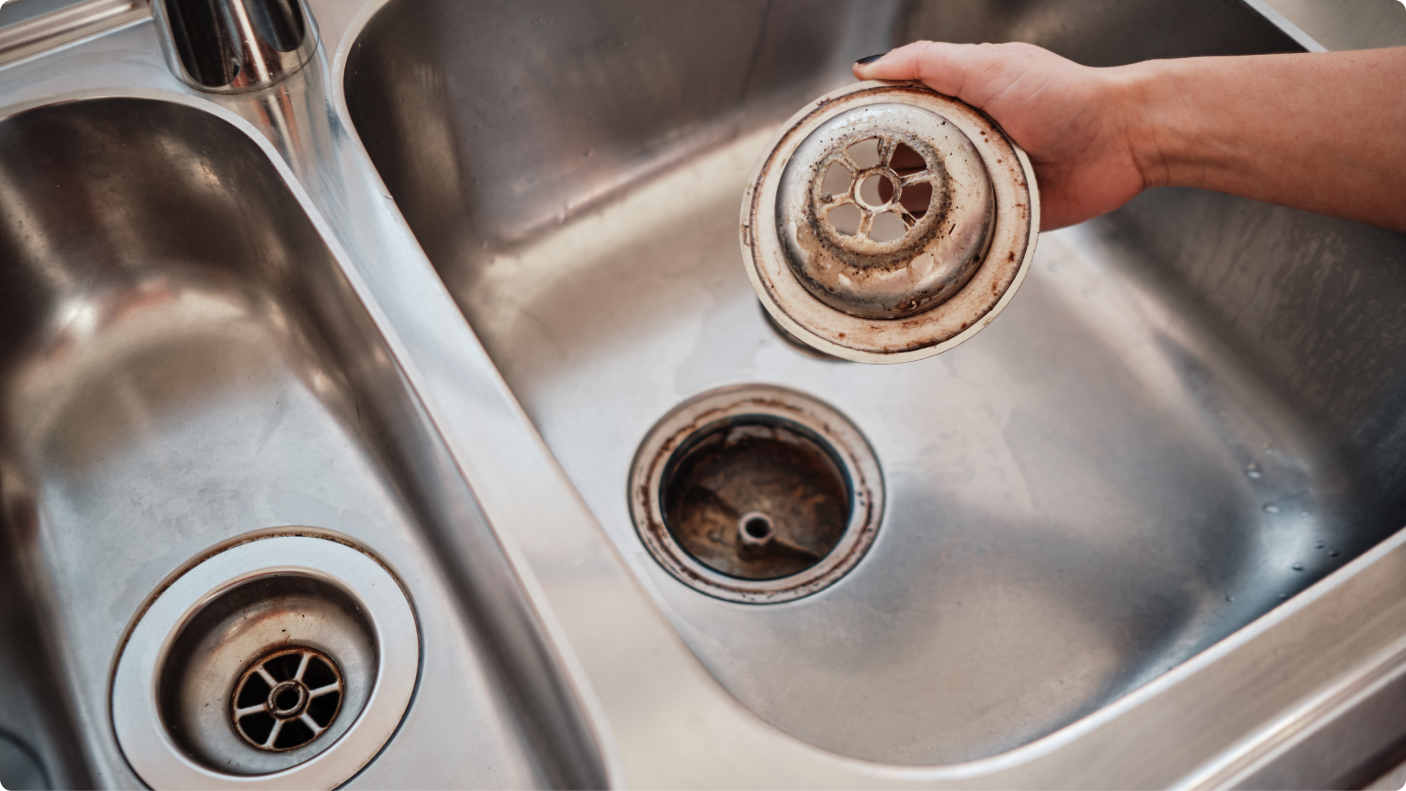
Small pieces of food can get stuck in the drain. Over time, these bits collect and rot. This decay causes bad odors to rise from the drain. Food scraps like vegetable peels and coffee grounds are common culprits. Regular cleaning can stop this buildup.
Grease And Oil Accumulation
Grease and oil pour down the sink during cooking. These substances stick to the pipe walls. They harden and trap dirt and food scraps. This creates a thick layer that smells bad. Grease buildup also slows water flow and can clog pipes.
Clogged Pipes
Clogs block water and waste from moving freely. Water pools behind the blockage and starts to smell. Clogs often happen from combined grease, food, and soap. Pipes that don’t drain well cause bad odors to spread.
Bacterial Growth
Bacteria grow in moist, dirty places like drains. They break down food and grease, releasing foul gases. These gases cause the strong, unpleasant smell from drains. Bacteria thrive especially when drains are not cleaned often.
Simple Daily Habits To Prevent Smells
Simple daily habits keep your kitchen drain fresh and odor-free. Small actions each day stop bad smells before they start. These habits are easy to do and save time on tough cleaning later. Follow these tips to enjoy a clean, smell-free kitchen drain every day.
Regular Drain Cleaning
Clean your drain often with natural cleaners like baking soda and vinegar. Pour a half cup of baking soda, then a half cup of vinegar. Wait 15 minutes, then flush with hot water. This removes buildup and prevents odor-causing bacteria. Repeat this process once or twice a week.
Proper Waste Disposal
Never pour grease or food scraps down the drain. Grease hardens and traps food, causing smells. Use a trash bin for scraps and wipe greasy pans with paper towels before washing. This simple step keeps your drain clear and fresh.
Running Hot Water
Run hot water through your drain for a few seconds after washing dishes. Hot water melts fats and oils, pushing them down the pipe. It also helps flush away food particles. Make this a habit every time you use the sink.
Using Drain Strainers
Place a drain strainer over your sink drain. It catches food bits and debris before they enter the pipe. Empty the strainer into the trash after each use. This stops clogs and reduces bad smells from trapped waste.
Diy Remedies For Smelly Drains
Smelly kitchen drains can make your whole space unpleasant. Many household products cause buildup and odors in drains. Simple DIY remedies clear these smells fast. They use items found in most kitchens. These methods are safe and effective. Try them before calling a plumber.
Baking Soda And Vinegar
Pour half a cup of baking soda down the drain. Follow with half a cup of white vinegar. The mixture fizzes and breaks down grime. Let it sit for 15 minutes. Flush with hot water to clear away loosened debris. This natural combo removes odors and cleans pipes well.
Lemon And Salt Scrub
Cut a lemon in half. Dip it in coarse salt. Use the lemon to scrub around the drain opening. The acid and salt scrub away buildup. Lemon leaves a fresh, clean scent. Rinse with warm water after scrubbing. Repeat weekly to keep odors away.
Boiling Water Flush
Boil a kettle of water. Slowly pour it down the drain. Hot water melts grease and soap scum blocking pipes. This method helps clear minor clogs and odors. Use it once or twice a week for best results. Simple and effective for regular maintenance.
Essential Oils
Add 10 drops of essential oil like tea tree or peppermint to the drain. Pour a cup of hot water after. Oils kill bacteria causing bad smells. They also leave a fresh, natural scent. Use oils regularly to keep your drain smelling nice.

When To Use Commercial Cleaners
Sometimes natural cleaning methods do not remove bad smells from kitchen drains. Commercial cleaners can help in such cases. These products are made to break down grease, food scraps, and other build-up inside pipes.
Use commercial cleaners when the smell is strong or lasts long. They work faster than home remedies. But, use them carefully to keep your pipes safe and your kitchen clean.
Choosing Safe Products
Pick cleaners that are safe for your pipes and the environment. Avoid harsh chemicals that can cause damage. Look for labels that say “safe for septic systems” or “biodegradable.”
Read the instructions carefully. Some cleaners work better on grease, while others target bacteria. Choose one that fits your drain problem.
How To Apply Cleaners
Pour the cleaner slowly into the drain. Use the amount recommended on the label. Let it sit for the time suggested to work well.
Flush the drain with hot water afterward. This helps clear out loosened debris. Avoid using too much cleaner at once to prevent build-up.
Avoiding Pipe Damage
Do not mix different types of cleaners. This can cause harmful reactions and damage pipes. Avoid using commercial cleaners too often.
Try to clean your drain regularly with milder methods. This reduces the need for strong chemicals. Protect your plumbing by using cleaners as directed only.
Preventive Maintenance Tips
Preventive maintenance helps keep your kitchen drain fresh and clean. It stops bad smells before they start. Regular care saves time and money on repairs. Follow these easy tips to keep your drain smelling good.
Regular Pipe Inspections
Check your pipes often for leaks or clogs. Use a flashlight to look inside if possible. Early problems cause smells and bigger damage. Fix small issues quickly to avoid tough cleaning later.
Avoiding Harsh Chemicals
Harsh chemicals can harm your pipes and the environment. Use natural cleaners like baking soda and vinegar instead. These keep pipes clean without damage. Avoid pouring grease or food scraps down the drain.
Scheduling Professional Cleanings
Call a plumber for deep cleaning once a year. Professionals remove buildup that home methods miss. Regular cleanings keep drains flowing well and smell-free. It’s a smart step for long-term drain health.
Signs You Need Professional Help
Knowing when to call a professional plumber can save time and prevent bigger problems. Some signs show that your kitchen drain needs expert attention. Recognizing these signs early helps avoid costly repairs and health risks.
Persistent Odors
Bad smells that do not go away point to serious drain issues. These odors can come from trapped food, grease buildup, or even sewer gas leaks. Regular cleaning may not remove these smells. Professionals can find the root cause and fix it safely.
Slow Drainage
Water that drains slowly is a clear warning sign. It means the pipes may be clogged or damaged. Slow drains often lead to backups and spills. A plumber can clear blockages and check the pipes for hidden problems.
Visible Pipe Damage
Cracks, rust, or leaks on pipes show a need for repair or replacement. Damaged pipes can cause leaks and water damage in your kitchen. Spotting these issues early helps prevent bigger plumbing failures. Experts can assess and fix pipe damage properly.
Frequently Asked Questions
How Can I Naturally Eliminate Kitchen Drain Odors?
Use baking soda and vinegar to clean your drain. Pour half a cup of baking soda followed by half a cup of vinegar. Let it sit for 15 minutes, then flush with hot water. This natural method helps break down grime and neutralize odors effectively.
Why Does My Kitchen Drain Smell Bad Frequently?
Bad odors often come from food debris trapped in the drain. Grease and organic matter build-up cause bacteria growth. Regular cleaning and avoiding pouring grease down the drain reduce smell recurrence and keep drains fresh longer.
What Household Products Remove Smelly Kitchen Drains?
Common products include baking soda, vinegar, lemon juice, and hot water. These items break down grease and eliminate bacteria causing odors. Avoid harsh chemicals to protect your pipes and maintain a healthy kitchen environment.
How Often Should I Clean My Kitchen Drain?
Cleaning your kitchen drain once a week prevents odor build-up. Regular maintenance removes food particles and grease before they cause smells. Consistent cleaning keeps your drain hygienic and odor-free.
Conclusion
Keeping your kitchen drain fresh is easier than you think. Clean it regularly to stop bad smells from coming back. Use simple home remedies like baking soda and vinegar. Avoid pouring grease or food scraps down the drain. These small steps help maintain a clean and odor-free kitchen.
Smelly drains won’t bother you anymore. A fresh kitchen makes cooking and cleaning more pleasant. Start today and enjoy a cleaner, fresher space every day.

