

Is your bathroom sink draining slowly or not at all? A clogged sink can be frustrating and messy, but you don’t have to call a plumber right away.
You can fix it yourself with a few simple steps. You’ll discover easy and effective ways to clear that stubborn blockage. Keep reading, and you’ll have your sink flowing smoothly again in no time. Your bathroom will thank you!
Identify The Clog
Before cleaning a clogged bathroom sink, identify the clog’s nature. Knowing what causes the blockage helps to choose the right cleaning method. It also prevents damage to your pipes and fixtures. This section explains how to spot a clog and its common causes.
Signs Of A Blocked Sink
Water drains very slowly or not at all. Strange noises come from the drain. Bad smells rise from the sink area. Water may back up into the basin. These signs show a clog is likely present. Act quickly to avoid bigger problems.
Common Causes
Hair often gets stuck in the drain. Soap scum builds up inside pipes. Toothpaste and dirt can block water flow. Small objects accidentally fall into the drain. Mineral deposits from hard water also cause clogs. Knowing these causes helps in clearing the blockage properly.
Gather Necessary Tools
Before you start cleaning a clogged bathroom sink, gather the right tools. Having everything ready makes the task easier and faster. It helps avoid interruptions and frustration. Below are the basic supplies and some extra tools for tough clogs.
Basic Cleaning Supplies
Start with simple tools found in most homes. A bucket helps catch water from the pipes. Rubber gloves protect your hands from dirt and germs. A plunger is essential to create suction and clear minor blockages. A drain snake or wire hanger can reach deep clogs. Keep some old towels nearby for spills. Finally, have some baking soda and vinegar for natural cleaning.
Optional Tools For Stubborn Clogs
Some clogs need stronger help. A plumber’s wrench can loosen pipe connections under the sink. A wet/dry vacuum can suck out debris if the clog is near the surface. Chemical drain cleaners are an option but use them carefully. They can damage pipes or harm skin. A flashlight helps see inside dark pipes. These tools make tough clogs easier to handle.
Prepare The Area
Preparing the area is an important first step before cleaning a clogged bathroom sink. It helps keep the space safe and clean. Taking simple actions now can save time and prevent mess later. Let’s get the area ready for the task.
Clear Surrounding Space
Remove items from around the sink. Take away soap dishes, toothbrush holders, and towels. Clear the countertop to have enough room to work. This stops things from falling or getting wet. A clean space helps you focus on the clog without distractions.
Protect Surfaces
Cover nearby surfaces with old towels or newspapers. This protects counters and floors from water spills and dirt. Use a plastic sheet if you want extra protection. Protecting surfaces makes cleanup easier after fixing the clog. It also prevents damage to your bathroom fixtures.
Remove Visible Debris
Removing visible debris is the first step to clear a clogged bathroom sink. Debris like hair, soap scum, and dirt often block the drain. Clearing these blockages can restore water flow quickly. Start by checking parts you can reach easily. This saves time before using stronger methods.
Check The Drain Stopper
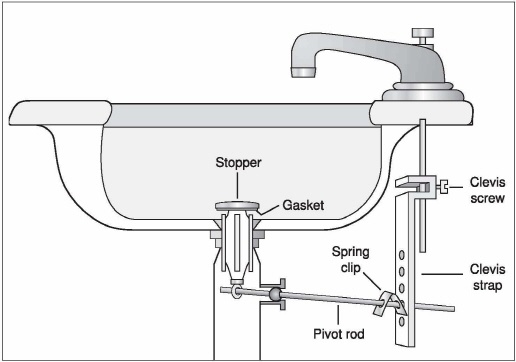
Most sinks have a drain stopper that catches debris. This stopper often holds hair and dirt. Remove the stopper carefully by twisting or pulling it out. Look inside and clean any visible buildup. Use a paper towel or cloth to wipe the stopper. Rinse it with warm water before placing it back. This simple step clears many minor clogs fast.
Manual Removal Techniques
Use your fingers or a small tool to grab debris inside the drain. Gloves protect your hands from dirt and germs. Try a bent wire hanger or a plastic hook for hard-to-reach spots. Pull out hair and gunk slowly to avoid pushing it deeper. Repeat this process until no more debris appears. This manual clearing often improves drain flow immediately.
Use Natural Cleaning Methods
Natural cleaning methods are safe and effective for clogged bathroom sinks. They use common household items and avoid harsh chemicals. These methods help clear blockages and keep pipes healthy. They also reduce bad odors and buildup over time.
Baking Soda And Vinegar
Start by pouring half a cup of baking soda into the drain. Let it sit for a few minutes. Then, slowly pour one cup of white vinegar. The mixture will bubble and fizz, breaking down grime and buildup. Wait 15 to 30 minutes for it to work. Finally, flush the drain with hot water to clear loosened debris.
Boiling Water Flush
Boiling water helps dissolve soap scum and grease in the pipes. Boil a large pot of water. Carefully pour the boiling water directly into the drain. Do this in stages, waiting a few seconds between each pour. This method flushes out blockages and refreshes the sink drain. Repeat as needed for stubborn clogs.

Try Chemical Cleaners Safely
Using chemical cleaners can help clear a clogged bathroom sink quickly. These products dissolve hair, soap scum, and other blockages. Chemicals work fast but need careful handling. Follow safety tips to protect yourself and your plumbing.
Choose The Right Product
Select a cleaner made for bathroom sinks. Check the label to ensure it targets soap and hair clogs. Avoid harsh chemicals that can damage pipes or fixtures. Pick a product that matches your sink material, such as plastic or metal. Use small amounts as directed to avoid overuse.
Safety Precautions
Wear gloves and eye protection before handling cleaners. Work in a well-ventilated space to avoid strong fumes. Never mix different chemical products; this can cause dangerous reactions. Keep cleaners out of reach of children and pets. Follow the instructions carefully and rinse the sink well after use.
Apply Mechanical Solutions
Applying mechanical solutions helps clear bathroom sink clogs fast. These methods use tools to remove blockages physically. They avoid harsh chemicals and protect your pipes.
Plunger Techniques
Start with a plunger for simple clogs. Use a cup plunger, not a flange one, for sinks. Cover the drain completely with the plunger cup. Push down and pull up quickly to create suction. Repeat several times to loosen the blockage. Keep water in the sink to cover the plunger’s cup. This helps form a tight seal for better pressure. If the clog moves, water drains slowly or fast.
Using A Drain Snake
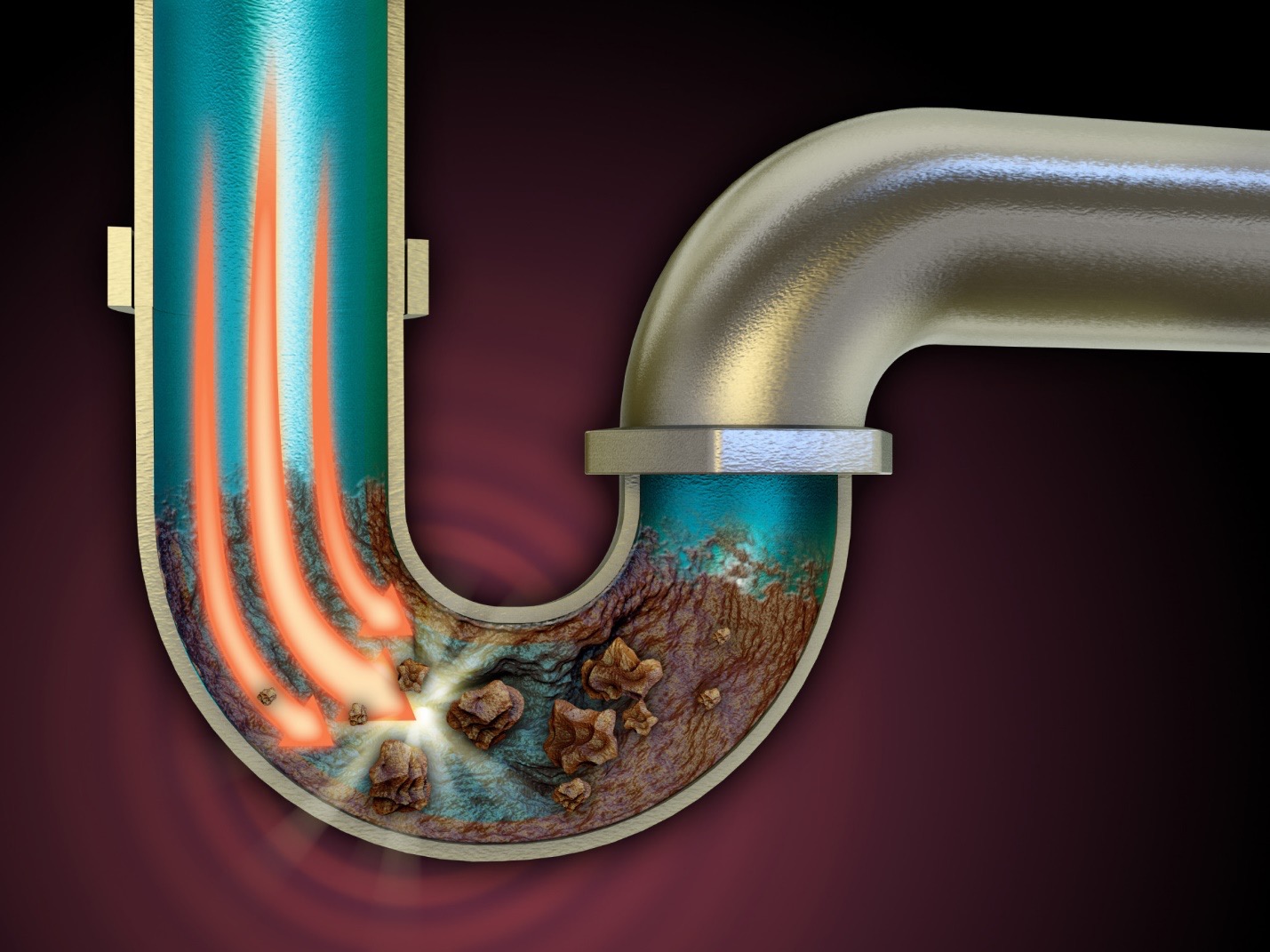
A drain snake reaches deep blockages that plungers cannot clear. Insert the snake’s end into the drain slowly. Turn the handle to push the snake further inside. You may feel resistance when the clog is reached. Twist and pull the snake to break or pull out the clog. Remove debris stuck on the snake carefully. Run water to check if the drain clears. Clean the snake after use to avoid rust and odors.
Prevent Future Clogs
Preventing future clogs in your bathroom sink saves time and stress. A clean sink keeps water flowing smoothly. Small habits make a big difference over time.
Regular Maintenance Tips
Clear hair and debris from the drain weekly. Use a drain strainer to catch particles. Pour boiling water down the drain once a week. This helps dissolve soap and grease buildup. Avoid harsh chemicals that can damage pipes. Natural cleaners like baking soda and vinegar work well.
Avoiding Common Mistakes
Do not pour grease or oil down the sink. Avoid flushing large items or thick substances. Use only small amounts of soap and toothpaste. Never ignore slow drainage signs. Acting early prevents bigger blockages later.
Frequently Asked Questions
How Do I Unclog A Bathroom Sink Quickly?
Use a plunger or baking soda and vinegar mix. Pour boiling water after 15 minutes. Repeat if needed for a clear drain.
What Causes Bathroom Sinks To Clog Often?
Hair, soap scum, toothpaste, and debris build up in pipes. These block water flow and cause slow drainage or clogs.
Can Chemical Drain Cleaners Damage My Sink?
Yes, harsh chemicals can corrode pipes and harm plumbing. Use natural methods or mechanical tools for safer clog removal.
How Often Should I Clean My Bathroom Sink Drain?
Clean the drain monthly to prevent buildup. Regular maintenance avoids tough clogs and keeps water flowing smoothly.
Conclusion
Cleaning a clogged bathroom sink does not have to be hard. Use simple tools and safe methods to clear the blockage. Regular care helps keep your sink working well. Avoid pouring grease or hair down the drain. Small actions prevent big problems later.
Stay patient and follow steps carefully. Your sink will drain smoothly again soon. Keep your bathroom fresh and clean every day. Simple habits make a big difference.

