

Are you struggling to keep your floors spotless and germ-free? Using bleaching powder for cleaning your floor can be a game-changer.
It’s a simple, effective way to remove stains, kill bacteria, and leave your space fresh and hygienic. You’ll learn exactly how to use bleaching powder safely and efficiently, so your floors shine like new without any hassle. Ready to discover the easy steps that will transform your cleaning routine?
Keep reading!
Choosing The Right Bleaching Powder
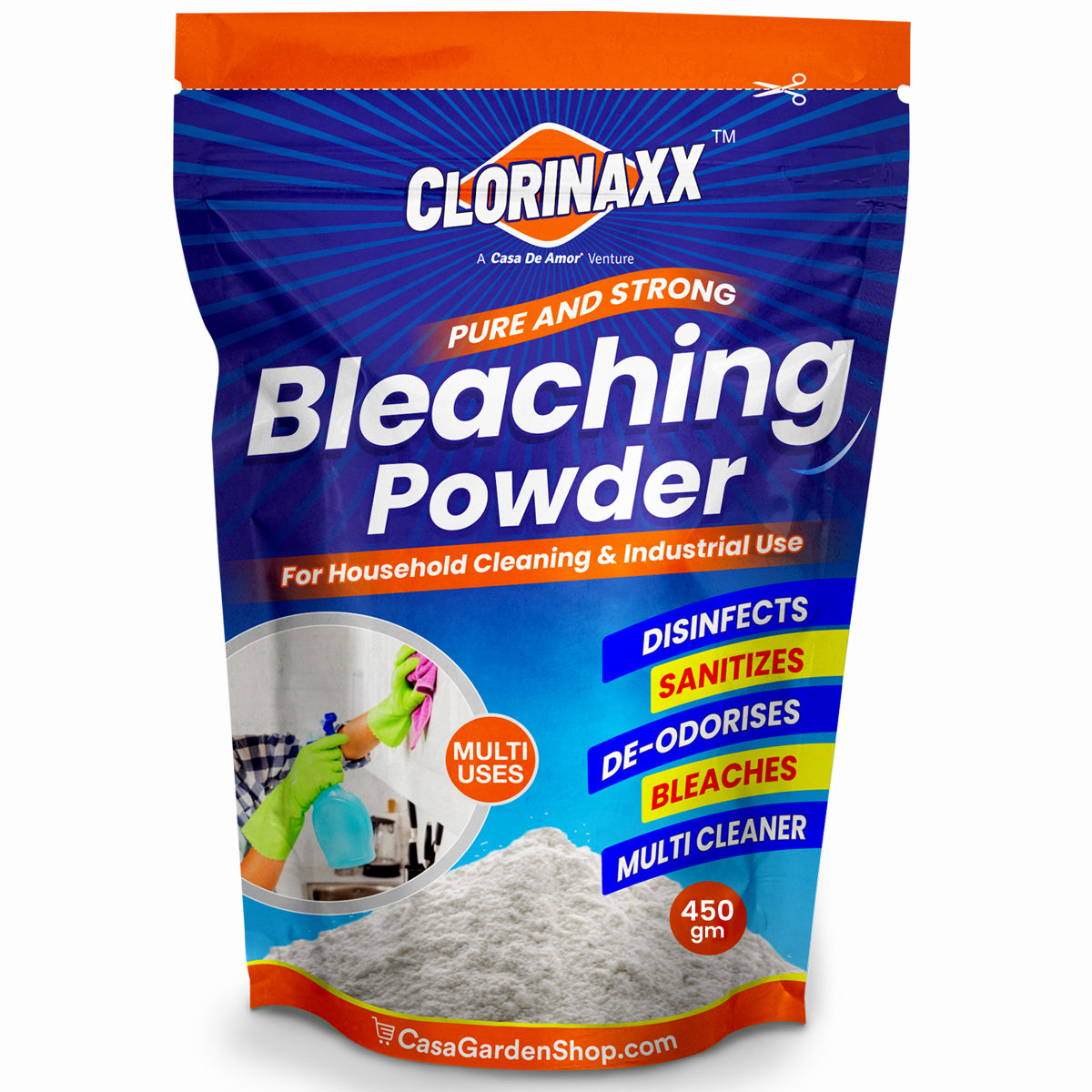
Choosing the right bleaching powder is important for cleaning floors effectively. The right product ensures good results without damaging surfaces or causing health issues. Knowing the types and safety standards helps you pick the best option.
Types Of Bleaching Powders
There are several types of bleaching powders available. Some contain calcium hypochlorite, which is strong and effective. Others use sodium hypochlorite, common in liquid bleach but also found in powder form. Choose a type based on the floor material and cleaning needs. Some powders work better on tiles, while others suit cement or stone floors.
Each type has a different strength and effect. Stronger powders clean better but can be harsh on delicate floors. Mild powders clean gently but may need more time or effort.
Safety Standards To Check
Check the safety standards before buying bleaching powder. Look for products approved by health or safety organizations. These powders have clear instructions and warnings on the label. Avoid powders that don’t list ingredients or safety information.
Also, check for expiry dates. Old powders lose strength and can be unsafe. Use gloves and masks to protect skin and lungs while cleaning. Proper safety ensures a clean floor and keeps you safe.
Preparing The Cleaning Solution
Preparing the cleaning solution with bleaching powder is the first step to a clean floor. Mixing it correctly ensures the solution works well and stays safe. Use the right amounts to avoid damage to surfaces or health risks. Gather everything needed before starting to mix.
Correct Dilution Ratios
Use one part bleaching powder to ten parts water for general cleaning. This ratio kills germs and removes stains effectively. For stronger cleaning, increase powder slightly, but never exceed two parts powder to ten parts water. Too much powder can harm floors and create strong fumes.
Always add bleaching powder to water, not the other way around. This prevents splashes and reactions. Stir gently to dissolve the powder completely. Use the solution fresh and avoid storing it for long times.
Tools Needed For Mixing
Use a plastic or glass container to mix the solution. Metal containers may react with the powder. Have a measuring cup or spoon to get the right amounts. A stick or plastic spoon helps stir safely.
Wear rubber gloves to protect your skin. Keep the area well-ventilated to avoid breathing fumes. Use old clothes or an apron to protect yourself from splashes. Safety first for easy and effective floor cleaning.
Safety Precautions
Bleaching powder is strong and effective for cleaning floors. It kills germs and removes stains fast. But it can irritate your skin, eyes, and lungs. Taking safety steps is key. Follow these tips to stay safe while using bleaching powder.
Protective Gear To Wear
Wear gloves to protect your hands from burns and irritation. Use rubber or plastic gloves for best results. Put on a mask to avoid breathing in powder dust or fumes. Wear goggles to shield your eyes from splashes. Long sleeves and pants protect your skin from contact.
Ventilation Tips
Open windows and doors to let fresh air in. Use fans to move air around the room. Avoid using bleaching powder in small, closed spaces. Take breaks to get fresh air outside if you feel dizzy or cough. Good airflow reduces harmful fumes and keeps you safe.
Step-by-step Floor Cleaning Process
Cleaning floors with bleaching powder is a simple process. Follow these clear steps for a fresh, clean floor. This guide shows how to prepare, apply, and finish the cleaning safely and effectively.
Surface Preparation
Start by clearing the floor of all objects. Sweep or vacuum to remove dust and dirt. This step helps the bleach work better. Wear gloves to protect your hands. Ensure the area is well-ventilated for safety.
Applying The Bleaching Solution
Mix bleaching powder with water in a bucket. Use one part powder to ten parts water. Stir until the powder dissolves completely. Pour the solution evenly on the floor. Use a mop or brush to spread it around. Let it sit for 10 to 15 minutes to kill germs.
Rinsing And Drying
After the bleach has worked, rinse the floor with clean water. Use a mop to remove all bleaching solution. Dry the floor with a clean cloth or let it air dry. This step stops damage and leaves the floor safe to walk on. Proper rinsing keeps floors bright and fresh.
Common Mistakes To Avoid
Bleaching powder is a useful cleaning agent for floors. Using it correctly keeps your floors clean and safe. Avoiding common mistakes helps prevent damage and health risks. Here are some mistakes to watch out for.
Overuse Of Bleaching Powder
Using too much bleaching powder can harm your floor surface. It may cause discoloration or damage the finish. Overuse also leaves a strong smell that irritates the nose and eyes. Always measure the right amount as per instructions. Dilute the powder properly in water before applying.
Mixing With Other Chemicals
Never mix bleaching powder with other cleaning products. It can create dangerous gases that harm your health. Mixing with acids or ammonia is especially risky. These reactions release toxic fumes and cause breathing problems. Use bleaching powder on its own and rinse the floor well after cleaning.
Maintaining Clean Floors After Bleaching
Maintaining clean floors after using bleaching powder is important. It keeps your space fresh and safe. Proper care helps your floors last longer. Dirt and stains do not build up quickly. Follow simple steps to maintain cleanliness every day.
Regular Cleaning Schedule
Set a regular time to clean floors. Daily sweeping or vacuuming removes dust and debris. Mopping twice a week keeps floors shiny and clean. Avoid waiting for dirt to build up. Consistent cleaning stops stains and grime from settling. A routine helps keep your floor healthy and bright.
Using Mild Cleaners For Maintenance
Choose gentle cleaners for everyday floor care. Harsh chemicals can damage floor surfaces over time. Mild soap mixed with water works well. Use a soft mop or cloth to clean. This method removes dirt without harming the floor. Mild cleaners keep the surface smooth and safe.
Frequently Asked Questions
How Do I Safely Use Bleaching Powder On Floors?
Always wear gloves and a mask when handling bleaching powder. Mix it with water in a well-ventilated area. Avoid direct skin contact and keep children away during cleaning to ensure safety.
What Is The Correct Bleaching Powder To Water Ratio?
Use one tablespoon of bleaching powder per liter of water. This ratio effectively cleans floors without causing damage or strong chemical smells. Adjust slightly based on floor type and dirt level.
Can Bleaching Powder Remove Tough Floor Stains?
Yes, bleaching powder is effective against tough stains like mold and mildew. Apply the diluted solution, scrub gently, and rinse thoroughly for best results. Avoid using on delicate floor surfaces.
How Often Should I Clean Floors With Bleaching Powder?
Clean floors with bleaching powder once every two weeks. Frequent use can cause floor discoloration or damage. Use milder cleaners for regular maintenance and reserve bleaching powder for deep cleaning.
Conclusion
Bleaching powder cleans floors effectively and kills germs. Always wear gloves to protect your skin. Mix the powder with water carefully. Use a mop or cloth to apply the solution. Rinse the floor well after cleaning. Avoid using too much powder to prevent damage.
Regular cleaning keeps your floors fresh and safe. Simple steps make your home cleaner and healthier. Try these tips for a bright, clean floor every time.

