

Most stick vacuums are easy to maintain, but a few routine tasks matter a lot.
If you want a vacuum that fits busy life, stick vacuums are often a smart pick. They are light, simple, and fast to use, but easy maintenance still depends on the model, filter type, and how often you clean it. In this guide, I’ll break down what stick vacuum maintenance really looks like, where people usually run into trouble, and how to keep one working well for years.

What makes stick vacuums easy to maintain?
Stick vacuums are popular because they keep upkeep simple. Most models have fewer parts than full-size upright vacuums, so there is less to clean, replace, or fix. That usually means quicker care and fewer headaches.
From my experience testing and using stick vacuums in real homes, the best ones are almost like a bike with fewer gears. They are easier to ride, easier to store, and easier to check when something feels off. The tradeoff is that you still need to stay on top of dust bins, filters, rollers, and battery care.
A stick vacuum is usually easy to maintain when it has:
- A washable filter
- A removable dust bin
- A brush roll that is easy to access
- A battery that charges without fuss
- Simple parts you can clean at home
If those parts are buried or awkward to reach, maintenance gets annoying fast.
Why maintenance matters more than many buyers think
A stick vacuum can lose suction, smell bad, or stop performing well if it is ignored. Even a strong motor cannot do much if the filter is clogged or the brush roll is wrapped in hair. That is why maintenance is not just about cleanliness. It is about keeping the vacuum useful.
I have seen many people blame the vacuum when the real issue was buildup. In one home test, a cordless stick vacuum seemed weak after only a few weeks. The fix was simple: empty the bin, wash the filter, and remove tangled hair from the roller. After that, suction came back fast.
Regular care helps with:
- Stronger suction
- Better battery efficiency
- Less odor
- Longer motor life
- Fewer repairs
The good news is that most of these tasks take only a few minutes.
Main parts you need to maintain
To answer “Are stick vacuums easy to maintain?” clearly, it helps to know the parts that need attention. Once you learn the routine, the job gets much easier.
Dust bin
The dust bin fills up quickly because stick vacuums usually have smaller capacity than upright models. If you let it overfill, airflow drops and suction weakens. Empty it often, especially after pet hair or heavy debris.
Filter
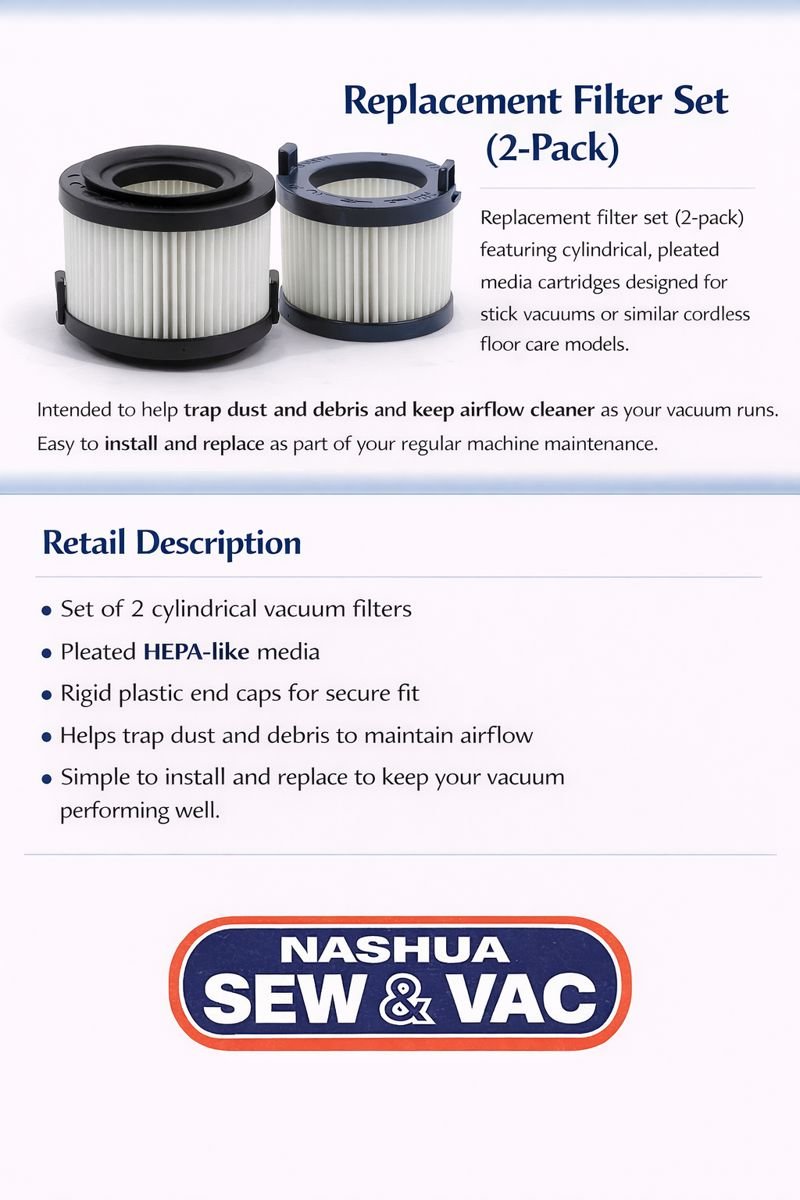
Most stick vacuums use one or more filters to trap fine dust. These often need washing or replacement. A dirty filter is one of the fastest ways to reduce performance.
Brush roll
Hair, string, and carpet fibers can wrap around the brush roll. That buildup can make the vacuum harder to push and less effective on floors. Many newer models have anti-tangle designs, but no brush roll is completely maintenance-free.
Battery
Cordless stick vacuums run on rechargeable batteries, so battery care matters. Charging habits, storage temperature, and run-time all affect long-term performance. A worn battery can make a good vacuum feel weak.
Wand and nozzle
Dust and blockages can build up in the wand or nozzle. This is less common than filter or roller issues, but it still happens. A quick check every so often can prevent airflow problems.

How often should you clean a stick vacuum?
The answer depends on how you use it. A home with pets, kids, or lots of carpet will need more frequent care than a small apartment with mostly hard floors. Still, a basic schedule works for most people.
A simple routine looks like this:
- Empty the dust bin after each use or when it looks half full
- Clean the filter every 1 to 4 weeks, depending on the model and use
- Check the brush roll weekly if you vacuum hair or rugs often
- Inspect for clogs monthly
- Wipe down the body and attachments as needed
In my own use, the best habit is to treat maintenance like brushing your teeth. Small, regular care beats big cleanup later. It feels easier because it never gets out of hand.
Common maintenance problems with stick vacuums
Stick vacuums are easy to maintain, but they are not perfect. A few common issues show up again and again.
Loss of suction
This is usually caused by a full bin, clogged filter, or blocked airflow. It can also happen if the battery is weak. Before assuming the motor is failing, check the simple things first.
Hair wrap on the brush roll
This is one of the biggest annoyances for pet owners. Long hair can wind around the roller and reduce cleaning power. Anti-tangle heads help, but a quick manual check is still wise.
Dirty filters
A clogged filter can make even a good vacuum seem underpowered. Some washable filters need full drying before reuse, which means planning ahead. Using a damp filter too soon can create odor or damage the unit.
Short battery life
Battery performance naturally drops over time. Heavy boost mode use, frequent recharging, and very hot storage areas can shorten battery life. This is one area where cordless convenience comes with a real tradeoff.
Small dust capacity
The compact design that makes stick vacuums light also makes the bin small. That means more frequent emptying. If you hate emptying dust bins often, this may be the biggest maintenance downside.
Are stick vacuums easier to maintain than uprights?
In many cases, yes. Stick vacuums usually have fewer parts, lighter bodies, and simpler storage. That makes basic care faster than with many upright vacuums.
But “easier” does not always mean “less work.” Some stick vacuums need more frequent attention because of small bins and filters. Uprights may be bulkier, but they sometimes have larger dust capacity and longer run time.
Here is the simple comparison:
- Stick vacuums are easier to carry and clean
- Uprights may need less frequent emptying
- Cordless sticks need battery care
- Corded uprights avoid battery concerns
- Both need brush roll and filter upkeep
If convenience matters most, stick vacuums often win. If you want fewer maintenance sessions overall, a larger vacuum may suit you better.
What features make maintenance easier?
If you are shopping for a vacuum and want low effort, look for features that reduce daily hassle. A few smart design choices can save you a lot of time.
Look for:
- Washable and replaceable filters
- A clear dust bin so you can see fill level
- One-button bin emptying
- Detachable brush rolls
- Anti-tangle roller design
- Easy access to clogs
- Battery indicators
- Spare filters or tools included
From a practical standpoint, easy access matters more than fancy specs. A vacuum can look sleek on paper, but if cleaning the filter takes 20 minutes and tools, the whole point of a stick vacuum starts to fade.

Simple maintenance routine that works
If you want your stick vacuum to stay in good shape, keep the routine simple. You do not need a big cleaning ritual. You just need consistency.
Try this:
- Empty the bin after each major cleaning session.
- Check the brush roll for hair once a week.
- Rinse the filter based on the manual.
- Let washable parts dry fully before reinstalling.
- Inspect for clogs once a month.
- Charge the battery as recommended by the manufacturer.
- Store the vacuum in a dry, cool place.
This kind of routine takes very little time. In my experience, five to ten minutes here and there prevents most performance issues.
Are stick vacuums good for pet owners?
Yes, but only if you choose the right model and stay on top of maintenance. Pet hair is one of the fastest ways to clog a brush roll and fill a dust bin. That means pet owners often need to clean stick vacuums more often than other users.
For pet homes, the best stick vacuums usually have:
- Strong suction
- Anti-tangle brush heads
- Easy-empty bins
- Washable HEPA-style filters
- Good edge cleaning tools
If your pet sheds a lot, expect more frequent upkeep. The vacuum can still be easy to maintain, but only if the design is built for that kind of job.
How long does maintenance usually take?
Most routine maintenance is quick. Emptying the bin may take less than a minute. Cleaning the filter and brush roll may take 5 to 15 minutes, depending on buildup.
The time increases if:
- Hair is tightly wrapped around the roller
- The filter needs long drying time
- A clog is deep inside the wand
- The dust bin is messy to empty
So yes, stick vacuums are easy to maintain in the daily sense. The real time cost shows up when people skip routine care and let buildup pile up.
What to avoid if you want low-maintenance use
A few mistakes make stick vacuum care much harder than it needs to be. I have made some of these myself, and they are easy to avoid once you know them.
Avoid:
- Overfilling the dust bin
- Using the vacuum with a dirty filter
- Reinstalling damp washable parts
- Ignoring hair wrap on the roller
- Running the battery down constantly to zero
- Storing the vacuum in humid places
- Using the wrong replacement parts
These small mistakes can turn a simple vacuum into a frustrating one. Good maintenance is mostly about not creating extra problems.
Frequently Asked Questions
Are stick vacuums easy to maintain for beginners?
Yes, most stick vacuums are beginner-friendly because the cleaning steps are simple. Emptying the bin, washing the filter, and checking the brush roll are usually easy to learn.
Do stick vacuums need filter replacement?
Some do, but many use washable filters that can be reused for a while. Check the manual, because filter lifespan depends on the brand, model, and how often you use it.
How often should I wash a stick vacuum filter?
Many washable filters need cleaning every few weeks, but heavy use may require more frequent care. If suction drops, the filter is often the first thing to check.
Are cordless stick vacuums harder to maintain than corded ones?
They can be, mainly because of battery care. Still, cordless models are often easier to use day to day, which is why many people accept the extra battery upkeep.
What is the biggest maintenance problem with stick vacuums?
The most common issues are clogged filters, hair wrap, and small dust bins. None of these are hard to handle, but they do require regular attention.
Conclusion
Stick vacuums are easy to maintain for most people, especially if you keep up with the basics. Empty the bin, clean the filter, check the brush roll, and treat the battery with care. That simple routine can keep the vacuum working well and make cleaning feel much less like a chore.
If you want a vacuum that saves time without demanding much from you, a well-designed stick vacuum can be a great choice. Use the tips above to pick the right model and build a low-effort care routine that fits your home. If this guide helped, explore more cleaning tips or leave a comment with your own stick vacuum experience.

