

Yes, many stick vacuums can clean upholstery well, if they have the right attachments and suction.
Stick vacuums have become a go-to tool for quick home cleaning, and upholstery is one of the biggest reasons why. From couch cushions to car seats, a good stick vacuum can save time, reduce mess, and make fabric care feel a lot less annoying. If you want to know when a stick vacuum works, when it falls short, and how to use one the right way on sofas, chairs, and other fabric surfaces, this guide breaks it all down in a simple, practical way.
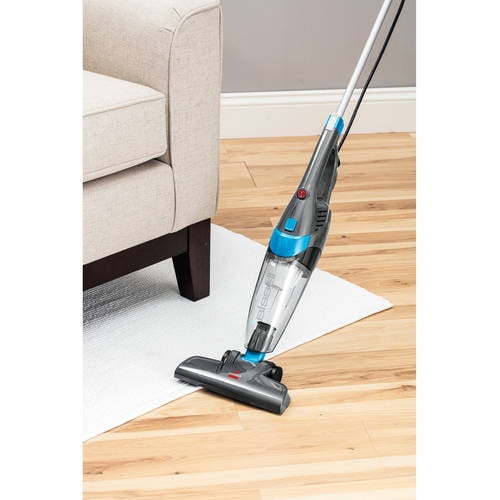
Can stick vacuums clean upholstery?
Yes, stick vacuums can clean upholstery, but the results depend on the vacuum model, the attachment, and the fabric type. In my experience, they work best for everyday dust, pet hair, crumbs, and light dirt on sofas, armchairs, mattresses, and car interiors. They are not always the best choice for deep-set stains or thick embedded debris, but for routine upkeep, they can be surprisingly effective.
The key is to use the right tool for the job. A bare floor head is usually too wide and stiff for furniture, while a mini motorized brush or soft upholstery tool can make a huge difference. When people ask whether a stick vacuum can handle upholstery, the real answer is usually yes, but with limits.
Why stick vacuums work well on upholstery
Upholstery collects the same stuff as floors, just in a softer form. Dust, pet dander, crumbs, lint, and hair settle into seams and tufts, and a lightweight stick vacuum can pull a lot of that out fast. That makes it great for weekly cleanups and for keeping furniture fresh between deeper cleans.
I’ve also found that stick vacuums are easier to grab than larger vacuums. That matters more than people think. When cleaning feels easy, you do it more often, and that keeps fabric in better shape over time.
Where stick vacuums struggle
Stick vacuums are not magic wands. If the upholstery has ground-in pet hair, old crumbs, or sticky residue, suction alone may not be enough. Some fabrics also trap dust deep in the weave, which means you may need a stronger upright vacuum, a handheld vacuum, or even a fabric-safe cleaning treatment.
Another common issue is suction control. On delicate fabric, too much suction can make the vacuum hard to move. On thick fabric, too little suction may leave debris behind. That is why attachments and power settings matter so much.
What makes a stick vacuum good for upholstery?
A stick vacuum is only as useful on upholstery as its design allows. Some models are made for quick floor cleanups and do not include the tools needed for fabric care. Others are built with pet owners, car interiors, and furniture in mind.
The most useful features usually include:
• A mini motorized tool for lifting pet hair from fabric
• A soft dusting brush for delicate surfaces
• Strong suction with a boost mode for stubborn debris
• Lightweight handling so you can reach cushions and backs easily
• Good battery life for cleaning more than one couch or chair
• Easy-empty dustbins that make cleanup less messy
The mini motorized head is often the star of the show. It agitates fibers and helps lift hair and dirt that plain suction might miss. If you have pets, this one attachment can be the difference between “okay” and “wow.”
Corded vs cordless stick vacuums for upholstery
Cordless stick vacuums are more convenient because you can carry them anywhere without dealing with a cord. They are great for fast upholstery cleaning, especially in living rooms and cars. The downside is battery life, which can drop when you use high suction or motorized tools.
Corded stick vacuums usually offer more steady power. If you clean large furniture sets often, that consistent suction can be helpful. The tradeoff is less freedom of movement, which matters when you are reaching around cushions or under furniture arms.
Best upholstery types for stick vacuums
Not every fabric behaves the same way. Some upholstery is easy to vacuum, while others need a gentler touch. Knowing the fabric type helps prevent damage and improves cleaning results.
Stick vacuums tend to work well on:
• Microfiber
• Cotton blends
• Polyester
• Synthetic upholstery
• Leather with a soft brush attachment for dust only
These materials usually respond well to light suction and soft tools. They also tend to handle regular cleaning without much risk if you stay gentle.
Fabrics that need extra care
Some fabrics are more delicate or textured, which means stick vacuums should be used carefully. Velvet, silk blends, loose weaves, and antique fabrics can snag, shine, or stretch if the suction is too strong. Always test a small hidden area first.
If a label says “dry clean only” or gives special cleaning codes, follow those instructions before vacuuming aggressively. A vacuum can still be useful, but only with the safest attachment and lowest setting.
How to clean upholstery with a stick vacuum the right way
Using a stick vacuum on upholstery is simple, but technique matters. A rushed pass may leave dirt behind, while a careful method can make furniture look much cleaner.
Here is a practical step-by-step approach:
- Remove loose items like throws, pillows, and debris from the furniture.
- Attach the upholstery tool or soft brush.
- Start with the lowest suction setting if the fabric is delicate.
- Vacuum seams, creases, and buttons first, since dirt hides there.
- Move slowly over the main surface in overlapping passes.
- Use the mini motorized tool on pet hair and heavy lint if available.
- Empty the dustbin before it gets full, since suction can weaken.
- Finish with a second pass on problem spots.
I learned early on that speed is the enemy of good cleaning. When you move too fast, the vacuum skims the surface and misses the dirt hiding in the fabric. Slow, steady passes almost always work better.
Small habits that improve results
A few simple habits can make a big difference:
• Vacuum in daylight or with a lamp nearby so you can spot missed debris
• Lift cushions and vacuum both sides
• Use a crevice tool for tight seams and edges
• Clean the brush roll often so hair does not build up
• Check the filter regularly for better airflow
These small steps may seem basic, but they can turn an average clean into a much better one.
Benefits of using a stick vacuum on upholstery
One of the biggest benefits is convenience. A stick vacuum is easy to pull out for a quick cleanup after snacks, pet naps, or everyday living. That means your couch does not have to wait for a big cleaning day.
Other benefits include:
• Lightweight design that reduces arm strain
• Fast cleanup for crumbs, dust, and hair
• Good reach for car seats, stairs, and furniture
• Easy storage in small homes or apartments
• Often quieter than larger vacuums
For busy homes, this matters. A lightweight vacuum can become a daily helper instead of a tool you avoid because it feels heavy or awkward.
Best use cases
Stick vacuums shine in everyday situations like:
• Pet hair on sofas
• Crumbs on dining chairs
• Dust on armrests
• Car seat cleanup
• Mattress surface cleaning
If your goal is regular maintenance, a stick vacuum is often more than enough. Think of it as a smart first line of defense, not always the final deep-clean tool.
Limitations and when to use something else
Even a strong stick vacuum has limits. If upholstery is deeply soiled, stained, or packed with pet hair woven into the fibers, another cleaner may do a better job. Fabric type, mess type, and vacuum power all affect the outcome.
Use another option when you face:
• Old stains that need spot treatment
• Thick pet hair buildup
• Water-safe fabrics that need a steam or extraction cleaner
• Large furniture sets that need long runtime
• Heavy dirt trapped deep in plush material
A canister vacuum with upholstery tools, a handheld vacuum, or a carpet extractor may be better for deep cleaning. That does not mean stick vacuums are weak. It just means they are best at maintenance and light-to-moderate cleaning.
What I’ve learned from real use
From hands-on use, the biggest mistake people make is expecting one attachment to handle everything. A soft brush is great for dust, but not always enough for pet hair. A motorized tool can lift hair better, but it may be too rough for delicate fabric.
I also learned to clean upholstery more often instead of waiting for it to look dirty. Once dirt settles in, it gets harder to remove. A quick weekly vacuum keeps furniture looking fresher and reduces the need for harsh cleaning later.
How to choose the right stick vacuum for upholstery
If upholstery cleaning matters to you, look beyond the headline specs. Some vacuums look strong on paper but have weak tools for furniture. Focus on the attachments and how the vacuum handles fabric in real life.
Look for:
• Adjustable suction
• Mini motorized tool
• Soft upholstery brush
• Good battery life or steady corded power
• Strong filtration, especially if you have allergies
• Easy maneuverability around cushions and corners
If you have pets, a model with a dedicated pet hair tool is worth it. That one feature can save a lot of time and frustration.
Are stick vacuums safe for upholstery?
Yes, most are safe when used properly. The main risk is using the wrong setting or the wrong attachment on a delicate fabric. Too much suction can be annoying on loose or thin material, and stiff brushes can damage sensitive upholstery.
To stay safe:
• Test on a hidden area first
• Use the gentlest tool that still gets the job done
• Avoid hard plastic edges on fragile fabric
• Follow the care label on the furniture
• Stop if the fabric starts to pull, shine, or fray
When used with care, a stick vacuum is usually a safe and practical option for upholstered furniture.
Frequently Asked Questions
Can a stick vacuum remove pet hair from upholstery?
Yes, many stick vacuums can remove pet hair from upholstery, especially models with a motorized mini brush. The brush agitates the fibers and lifts hair that plain suction may miss.
Is a stick vacuum better than a handheld vacuum for upholstery?
A stick vacuum is often better if it has stronger suction and better attachments. A handheld vacuum can be easier for very small spaces, but stick vacuums usually give you more reach and better overall cleaning power.
Can stick vacuums damage couch fabric?
They can if you use the wrong attachment or too much suction on delicate fabric. Most damage is avoidable by testing a hidden spot and using a soft brush or upholstery tool.
How often should I vacuum upholstery?
For most homes, once a week is a good starting point. If you have pets, kids, or allergies, you may want to vacuum upholstered furniture more often.
Do all stick vacuums come with upholstery tools?
No, not all of them do. Some basic models focus on floors only, so it is important to check for a mini motorized tool, dusting brush, or upholstery attachment before buying.
Conclusion
Stick vacuums can absolutely clean upholstery, and for many homes, they are one of the easiest ways to keep furniture looking fresh. They work best for dust, crumbs, hair, and regular upkeep, especially when paired with the right attachment and a gentle cleaning method. If you choose the right model and use it with care, your couch, chairs, and car seats can stay cleaner with far less effort.
The real win is consistency. A few minutes of regular vacuuming can prevent bigger messes later and help your furniture last longer. If this guide helped, take a closer look at your vacuum attachments, try the tips on your sofa, and share your own upholstery-cleaning experience in the comments.

